EN
EN
What is Aluminum Profile and How Does It Work?
2026/09/30
Source aluminum profiles for versatile modular framing. Learn extrusion mechanics, strength benefits & corrosion resistance. Request details.

2026/09/29
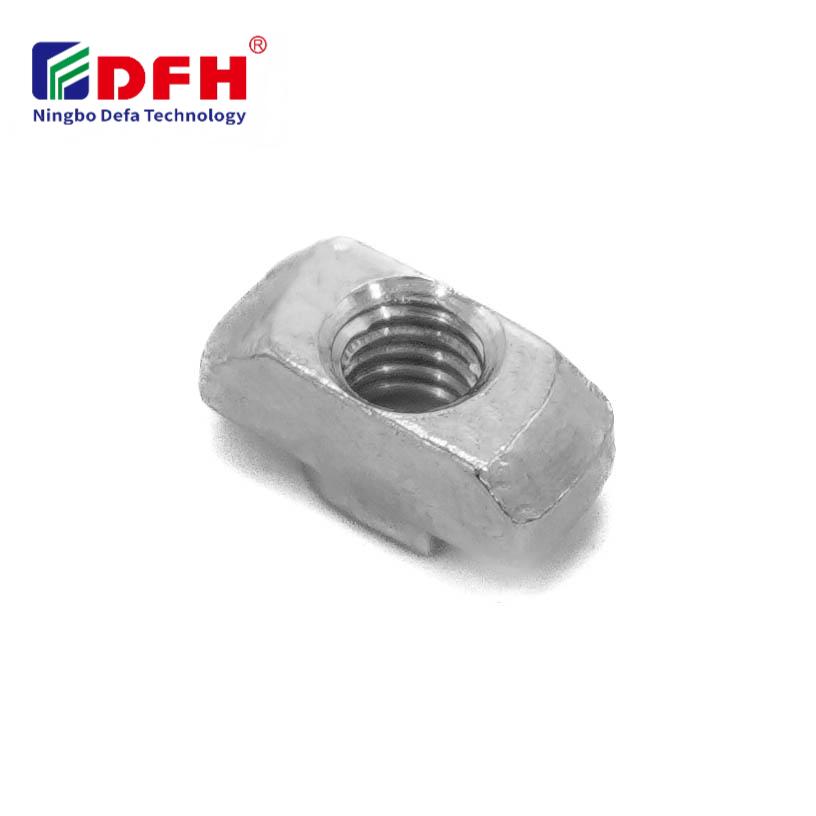
Understanding load capacity requirements is essential when selecting fastening hardware for industrial and structural applications. A T nut, also known as a slot nut assembly, must be chosen based on the specific loads and stresses it will bear in service. Whether you're working with profile framing, machine mounting, or structural assembly, the load capacity of your fastening components directly impacts safety, reliability, and project success. This guide explores the critical factors that determine T nut load capacity requirements and how to apply them in real-world scenarios.
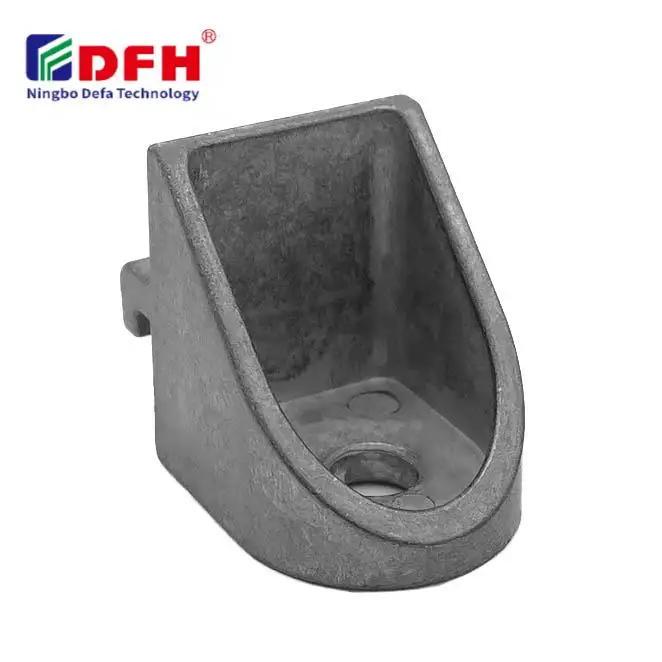
Selecting the right T nut requires a thorough understanding of both static and dynamic loads your application will encounter. Load capacity encompasses shear strength, tensile strength, and the bearing stress the threaded insert can safely withstand. Different materials, sizes, and designs offer varying capacity ratings, and exceeding these limits can lead to component failure, costly downtime, or safety hazards. By defining your load requirements upfront, you ensure proper fastening hardware selection and optimal assembly performance.
Static loads remain constant or change very slowly over time, whereas dynamic loads fluctuate, cycle, or apply sudden impacts. A T nut securing a stationary bracket requires different capacity specifications than one supporting a vibrating machine component. When calculating load capacity for fastening hardware, you must account for peak loads, continuous operational stress, and any shock or impact forces. The slot nut assembly's ability to maintain clamping force under these conditions determines its real-world reliability.
Dynamic applications often demand higher safety factors because repeated stress accelerates fatigue and can initiate micro-fractures in the threaded insert. Machine tools, automotive assemblies, and mobile equipment typically require fastening components with load ratings significantly higher than static calculations suggest. The material composition and thread pitch of your T nut directly influence how well it handles cyclic stress without loosening or permanent deformation.
The material grade of a fastening hardware component determines its ultimate tensile strength, yield strength, and fatigue resistance. Steel T nuts offer superior load capacity compared to aluminum or plastic alternatives, making them ideal for heavy-duty industrial applications. Stainless steel variants provide corrosion resistance while maintaining high load ratings, though they may cost more. Understanding the yield strength and ultimate tensile strength specifications helps you match the T nut to your specific load requirements.
Higher material grades such as alloy steel or hardened steel exhibit better load-carrying capability and resist permanent deformation under stress. When selecting a threaded insert, review the manufacturer's material certification to confirm grade compliance. Galvanized or coated finishes add corrosion protection without significantly compromising load capacity, making them practical for harsh environments.
Begin by identifying all forces acting on your assembly: compression, tension, shear, and bending moments. A slot nut assembly in a bracket mounting system experiences both tensile pull and shear stress depending on how the bracket is oriented and loaded. Document the maximum expected load in both directions and any environmental factors such as temperature extremes or chemical exposure that might degrade the fastening hardware over time.
Use structural analysis, finite element modeling, or engineering calculations to quantify peak loads accurately. Field measurements from comparable systems often provide valuable data. Once you've established your load profile, multiply the calculated peak load by an appropriate safety factor. Industrial standards typically recommend safety factors between 3 and 5 for static loads and up to 6 or 8 for dynamic or cyclical applications involving a T nut or threaded insert.
Manufacturers publish load capacity tables for each T nut size and material grade. These tables specify maximum shear loads, tensile loads, and combined loading scenarios. Cross-reference your calculated load requirement against the published capacity data, ensuring the selected fastening hardware provides adequate safety margin. Consider not only the T nut itself but also the profile or base material it will be installed into; a low-strength profile may limit the effective load capacity regardless of the quality of your threaded insert.
If your application involves a slot nut assembly that must accommodate multiple fasteners, distribute the load across all connection points. A single oversized T nut may not perform better than several appropriately-sized units working together. Factor in potential stress concentration points where the threaded insert threads into the component or where the mounting bracket interfaces with the profile.
Standards such as ISO 9001, DIN standards for industrial fasteners, and profile-specific guidelines establish baseline load requirements and testing methods. These standards define how manufacturers must rate their fastening hardware capacity and ensure consistency across suppliers. Certifications confirm that a T nut meets published specifications through rigorous testing and quality control. When specifying critical fasteners, always request test reports and material certificates from your supplier.
Proof load testing, tensile testing, and shear testing validate that fastening hardware will perform as advertised. A threaded insert that passes these standardized tests provides assurance that your slot nut assembly will function reliably within its rated capacity. Different industries may impose additional testing requirements; aerospace, automotive, and pressure vessel applications often demand higher verification standards than general manufacturing.
An industrial gantry crane system must support concentrated loads safely, requiring T nuts with clearly defined tensile and shear capacity ratings. Each fastening hardware connection point must safely carry a portion of the total suspended load with adequate margin. Undersizing the T nut invites slippage, thread stripping, or catastrophic failure. Conversely, excessive over-specification increases costs without proportional safety benefits.
Modular workstations built from profile systems frequently employ slot nut assemblies to secure fixtures and accessories. These applications experience repeated assembly and disassembly cycles, placing premium value on threaded inserts that maintain consistent clamping force and retain mechanical strength through many installation cycles. Temperature fluctuations in manufacturing environments can affect the load-carrying behavior of fastening hardware, so thermal expansion and contraction must be considered.
A T nut's maximum load capacity depends on its material grade, thread pitch, core diameter, and the profile material it secures into. Steel T nuts with fine threads typically offer higher tensile capacity than coarse-threaded variants. The fastening hardware manufacturer provides rated load tables accounting for these variables. Your specific load must remain below the published capacity multiplied by an appropriate safety factor.
A threaded insert can serve both purposes, but dynamic applications require a higher-capacity T nut due to fatigue considerations. Repeated stress cycles gradually weaken the slot nut assembly even if individual loads remain below static limits. Select fastening hardware with capacity ratings designed for your specific duty cycle. If uncertain, consult the manufacturer about fatigue strength curves and endurance limits.
Request material certifications and load test data from your fastening hardware supplier. Cross-reference the T nut specifications against your calculated load demands and apply an appropriate safety factor. Perform prototype testing if the application is novel or critical. Ensure the slot nut assembly, profile material, and mounting bracket all meet your combined load requirements rather than evaluating components in isolation.
2026/09/30
Source aluminum profiles for versatile modular framing. Learn extrusion mechanics, strength benefits & corrosion resistance. Request details.
2026/09/30
Source aluminum profiles for construction projects. Learn structural framing, cladding & window benefits for maximum ROI. Download guide.
2026/09/30
Source optimal aluminum profile sizing techniques. Evaluate load, space, alloy, environment & cost factors to prevent deflection. Download guide.
2026/09/30
Struggling with fastener failures or rework? Master screw sizing by diameter, pitch, material, and load—plus industry-specific standards. Optimize reliability & compliance now.
2026/09/30
Source aluminum profiles for industrial engineering. Discover strength-to-weight ratios, corrosion resistance & 30% cost savings. Download guide.
2026/09/30
Source heat-resistant aluminum profile systems. Master thermal expansion science & stress management strategies for industrial builds. Download guide.