EN
EN
What is Aluminum Profile and How Does It Work?
2026/09/30
Source aluminum profiles for versatile modular framing. Learn extrusion mechanics, strength benefits & corrosion resistance. Request details.

2026/09/29
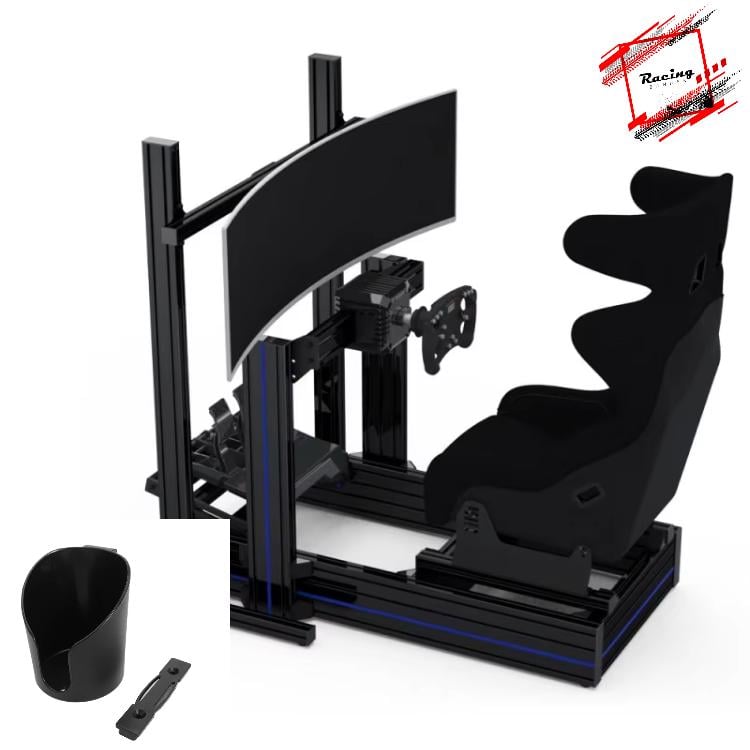
An Aluminum Profile has become the backbone of modern industrial construction, manufacturing, and infrastructure projects worldwide. These precision-engineered components offer a combination of strength, versatility, and cost-effectiveness that makes them indispensable across countless sectors. Whether used in automation systems, transportation, aerospace, or consumer electronics, aluminum profiles deliver reliable performance and design flexibility that traditional materials simply cannot match.
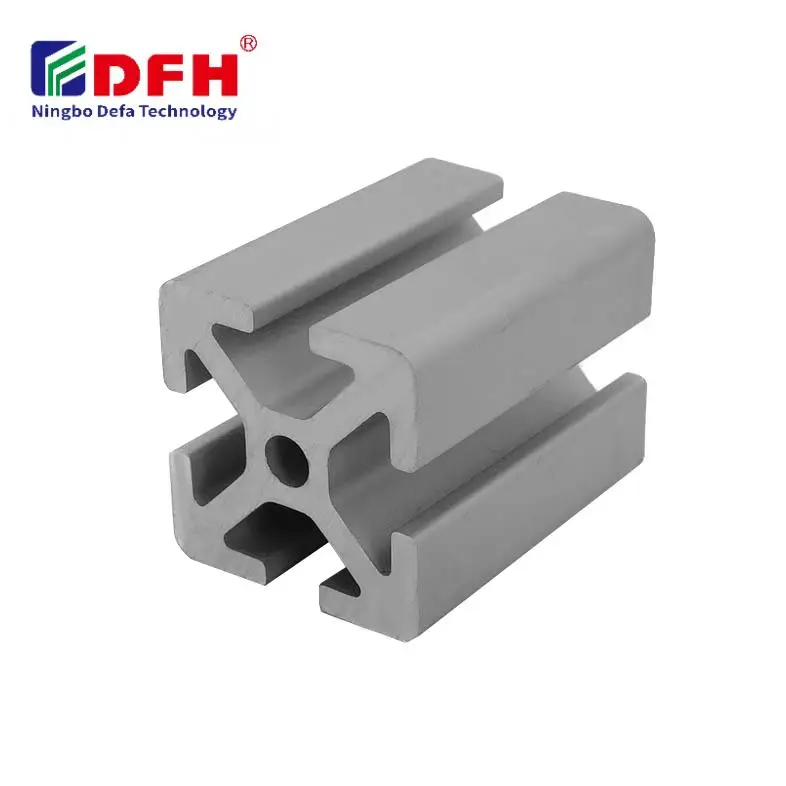
Understanding the key advantages of aluminum profiles helps engineers, procurement specialists, and designers make informed decisions about material selection and long-term project viability. From weight reduction and thermal efficiency to design modularity and sustainability, extruded aluminum offers tangible business value that translates directly to operational cost savings and improved system performance. This comprehensive guide explores the primary benefits that drive adoption of aluminum frame systems and industrial aluminum extrusions across diverse applications.
Extruded aluminum delivers exceptional structural strength without the mass penalty of steel or cast iron. The inherent density of aluminum is approximately one-third that of steel, yet modern aluminum profiles can achieve comparable load-bearing capacity through precision engineering and alloy formulation. This strength-to-weight advantage makes aluminum frame systems ideal for applications where reduced inertia, faster movement, and energy efficiency are critical success factors.
In transportation, aerospace, and material handling, the weight reduction enabled by industrial aluminum extrusions translates to lower fuel consumption, faster acceleration, and reduced operational costs over the product lifecycle. Equipment designers can build larger structures and systems while maintaining the same total mass budget, expanding design possibilities and improving system performance metrics.
High-quality aluminum profiles exhibit outstanding fatigue resistance, making them suitable for applications involving repetitive stress cycles, vibration, and dynamic loading. Industrial aluminum extrusions maintain consistent mechanical properties across millions of cycles without degradation, ensuring reliable long-term performance in automated machinery, conveyor systems, and precision positioning equipment. This durability reduces maintenance frequency and extends asset lifespan, delivering significant total cost of ownership advantages.
Extruded aluminum enables unlimited geometric possibilities through the extrusion process, allowing engineers to design profiles tailored to specific application requirements. The aluminum frame systems can incorporate integrated slots, channels, mounting points, and functional features within a single profile, eliminating the need for secondary fabrication and assembly operations. This design flexibility accelerates time-to-market and reduces manufacturing complexity compared to traditional welded steel structures or cast components.
Modular aluminum profiles allow rapid prototyping, system reconfiguration, and scalability without major engineering rework. Engineers can assemble standardized industrial aluminum extrusions into diverse configurations, adapt designs for different market requirements, and scale production efficiently as demand evolves. This modularity particularly benefits industries requiring frequent product variations or responding to changing market specifications.
Modern aluminum profile designs consolidate multiple functional requirements into single components. Integrated thermal management channels, electromagnetic shielding, fluid passages, and structural ribs eliminate assembly steps and reduce part count. This functional integration reduces system complexity, improves reliability, and streamlines manufacturing processes. The aluminum frame systems approach transforms manufacturing from assembly-heavy to design-intelligent, where each profile performs multiple roles simultaneously.
Aluminum profiles demonstrate exceptional thermal conductivity, making them highly effective for heat dissipation applications in electronics cooling, LED lighting systems, and thermal management solutions. The inherent thermal properties of extruded aluminum enable efficient heat transfer without active cooling systems in many applications, reducing energy consumption and system complexity. Industrial aluminum extrusions serve as effective heat sinks in power electronics, RF components, and high-performance computing equipment where thermal management directly impacts reliability and lifespan.
Aluminum profiles offer good electrical conductivity suitable for grounding, shielding, and power distribution applications. The electromagnetic properties of aluminum frame systems enable effective RF shielding in sensitive electronic environments without the weight and cost penalties of copper or aluminum-copper composites. Industrial aluminum extrusions can be anodized or coated with conductive finishes to meet specific electrical performance requirements while maintaining structural integrity and corrosion resistance.
The extrusion process enables high-volume, cost-effective manufacturing of complex aluminum profiles with minimal material waste and rapid production cycles. Once extrusion dies are manufactured, the per-unit cost of extruded aluminum remains highly competitive, particularly for large production volumes. The aluminum frame systems approach reduces secondary machining, assembly labor, and inventory complexity, translating manufacturing efficiency directly to cost savings that benefit end customers and improve profit margins.
Aluminum is infinitely recyclable without loss of material properties, making aluminum profiles an environmentally responsible choice for sustainable manufacturing. Industrial aluminum extrusions from recycled sources require approximately 95 percent less energy than primary aluminum production, significantly reducing carbon footprint and environmental impact. The recyclability of aluminum frame systems at end-of-life creates circular economy benefits, appeals to environmentally conscious customers, and supports corporate sustainability objectives.
Aluminum profiles serve diverse industries including automotive, aerospace, electronics, manufacturing automation, construction, renewable energy, telecommunications, and consumer appliances. Any sector requiring lightweight, durable, cost-effective structural components benefits from extruded aluminum solutions. Industrial aluminum extrusions particularly excel in applications where design flexibility, thermal management, or weight reduction directly impacts competitive advantage or operational performance.
Aluminum profiles offer significant advantages including 66 percent lower weight, superior corrosion resistance without additional coating, faster assembly through modular design, and better thermal properties. While steel provides slightly higher stiffness in some applications, the overall performance advantages of aluminum frame systems typically justify material selection. Industrial aluminum extrusions deliver faster production cycles, reduced manufacturing complexity, and lower total system cost in most modern applications.
Yes, properly specified aluminum profiles perform reliably in challenging industrial environments including high-temperature applications, corrosive atmospheres, and demanding mechanical service. Advanced anodizing, powder coating, and specialized aluminum alloys provide excellent corrosion resistance comparable to or exceeding stainless steel in many environments. Extruded aluminum maintains structural integrity and design stability across wide temperature ranges, making aluminum frame systems suitable for outdoor, maritime, chemical, and extreme-weather applications.
2026/09/30
Source aluminum profiles for versatile modular framing. Learn extrusion mechanics, strength benefits & corrosion resistance. Request details.
2026/09/30
Source aluminum profiles for construction projects. Learn structural framing, cladding & window benefits for maximum ROI. Download guide.
2026/09/30
Source optimal aluminum profile sizing techniques. Evaluate load, space, alloy, environment & cost factors to prevent deflection. Download guide.
2026/09/30
Struggling with fastener failures or rework? Master screw sizing by diameter, pitch, material, and load—plus industry-specific standards. Optimize reliability & compliance now.
2026/09/30
Source aluminum profiles for industrial engineering. Discover strength-to-weight ratios, corrosion resistance & 30% cost savings. Download guide.
2026/09/30
Source heat-resistant aluminum profile systems. Master thermal expansion science & stress management strategies for industrial builds. Download guide.