EN
EN
What is Aluminum Profile and How Does It Work?
2026/09/30
Source aluminum profiles for versatile modular framing. Learn extrusion mechanics, strength benefits & corrosion resistance. Request details.

2026/09/14
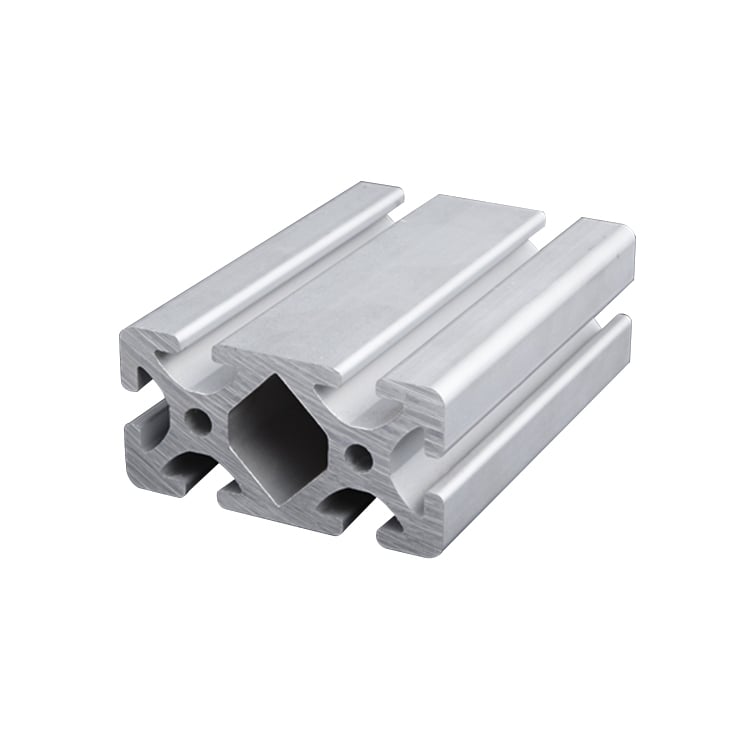
The shift toward sustainable industrial practices has positioned aluminum profiles at the center of modern manufacturing and construction. These versatile components offer remarkable environmental advantages that extend far beyond their functional applications in machinery, infrastructure, and consumer products. Understanding the environmental benefits of an aluminum profile reveals why industries worldwide are prioritizing this material for both performance and ecological responsibility.
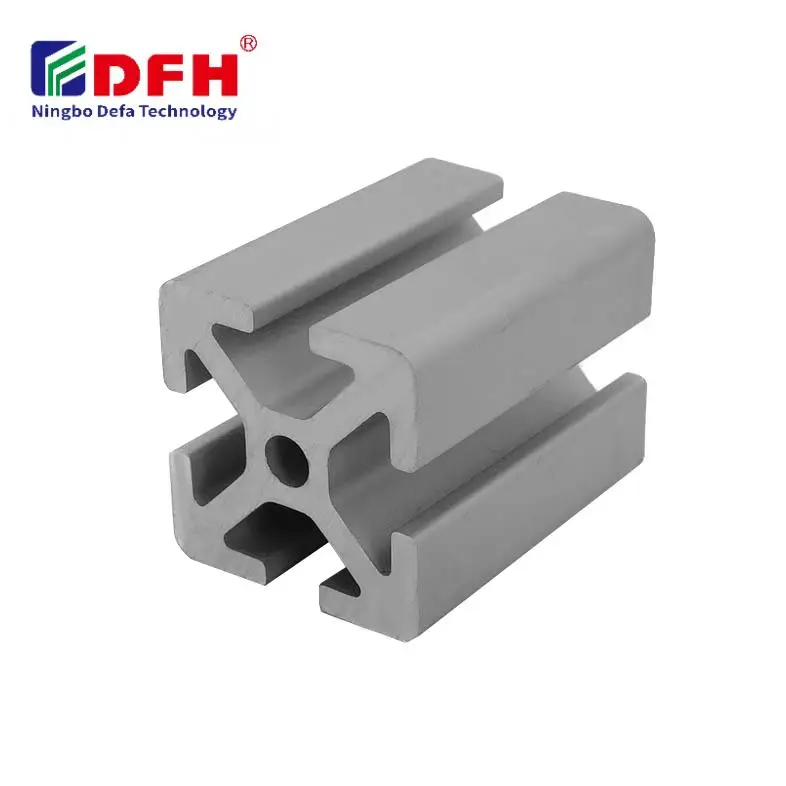
Aluminum extrusion processes create components that maintain their structural integrity across decades of use, reducing replacement cycles and the total environmental burden of production. The lightweight nature of these materials also translates to significant energy savings during transportation and installation phases. Industrial aluminum components manufactured today contribute to lower carbon footprints throughout their entire lifecycle, from raw material processing to end-of-life recycling.
One of the most compelling environmental advantages of aluminum structural framing lies in its infinite recyclability. Unlike many industrial materials, aluminum extrusion can be recycled repeatedly without experiencing degradation in its mechanical properties or performance characteristics. This means aluminum profiles used today can be recovered and reprocessed into new components indefinitely, creating a genuine circular economy model that minimizes waste generation and extraction pressure on natural resources.
The recycling process for aluminum requires only five percent of the energy needed to produce primary aluminum from ore. This dramatic energy reduction translates directly into lower greenhouse gas emissions and reduced operational costs for recyclers and manufacturers. Industrial aluminum components recovered from demolition, manufacturing scrap, and end-of-life products enter secondary aluminum supply chains that feed back into production, creating closed-loop systems that benefit both industry economics and environmental health.
By maximizing the use of recycled aluminum in new aluminum profile manufacturing, industries can substantially reduce dependence on primary ore extraction. Mining operations for bauxite, the primary ore source for aluminum, require significant land disturbance, energy consumption, and water resources. When aluminum extrusion producers utilize recycled materials, they directly decrease the volume of new mining activities needed, preserving ecosystems, reducing water consumption, and limiting the environmental footprint associated with ore extraction and initial processing stages.
The inherent lightweight characteristics of aluminum structural framing create measurable energy savings throughout the product lifecycle. Because industrial aluminum components weigh significantly less than steel alternatives, transportation requires less fuel consumption per unit of material delivered. This reduction in fuel use directly lowers carbon emissions and air pollution associated with logistics networks, whether materials travel by truck, rail, or ocean freight across supply chains.
Installation efficiency also improves with aluminum profiles. Construction crews and assembly technicians can position and secure these components with reduced labor time and mechanical effort compared to heavier materials. This translates to lower energy consumption during the assembly phase and faster project completion timelines. The cumulative effect of these lightweight advantages means that aluminum extrusion contributes meaningfully to overall project sustainability metrics across manufacturing, construction, and infrastructure sectors.
Aluminum profiles used in window frames, thermal barriers, and structural applications contribute to building energy performance through advanced thermal management properties. Modern aluminum extrusion designs incorporate thermal breaks and optimized profiles that reduce heat transfer through building envelopes, directly lowering heating and cooling energy demands. Over a building's operational life spanning decades, this thermal efficiency advantage accumulates into substantial energy conservation and corresponding reductions in greenhouse gas emissions from climate control systems.
Aluminum structural framing demonstrates exceptional corrosion resistance and structural durability that extends far beyond initial installation. Unlike materials prone to rust, degradation, or material fatigue, aluminum components maintain their functional integrity through extended service periods spanning forty, fifty, or more years. This extended operational lifespan directly reduces the environmental impact associated with replacement cycles, as fewer production runs become necessary to maintain industrial operations or building systems.
The durability advantage of aluminum profiles becomes particularly significant in harsh or challenging environments. Marine applications, industrial settings with chemical exposure, and outdoor infrastructure installations all benefit from aluminum extrusion's resistance to degradation. By choosing materials that endure longer, industries reduce the aggregate material consumption and production-related emissions required to maintain functional systems across extended timeframes.
The low-maintenance characteristics of aluminum components further enhance their environmental profile. Industrial aluminum components require minimal protective coatings, chemical treatments, or ongoing maintenance interventions compared to alternative materials. This reduces the environmental burden associated with maintenance chemicals, protective processes, and replacement cycles. Facilities incorporating aluminum structural framing into their operations experience lower resource consumption and reduced chemical inputs throughout the operational phase of their assets.
Yes, aluminum extrusion maintains its mechanical properties through infinite recycling cycles without any degradation in performance or quality characteristics. This unique attribute distinguishes aluminum from many other industrial materials and makes it an exceptional choice for circular economy applications. Recycled aluminum profiles perform identically to primary aluminum components, enabling true closed-loop material systems.
Recycling aluminum requires approximately five percent of the energy needed to produce primary aluminum from bauxite ore. This ninety-five percent energy reduction translates into dramatically lower greenhouse gas emissions and operational costs. Industrial aluminum components manufactured from recycled content represent one of the most energy-efficient manufacturing processes available in modern industry.
Aluminum profiles contribute multiple environmental benefits in construction through reduced transportation weight, lower installation energy requirements, enhanced thermal performance that reduces building energy consumption, extended durability that minimizes replacement cycles, and infinite recyclability at end-of-life. These combined advantages make aluminum extrusion an environmentally responsible choice for window systems, door frames, and structural applications in modern building design and construction projects.
2026/09/30
Source aluminum profiles for versatile modular framing. Learn extrusion mechanics, strength benefits & corrosion resistance. Request details.
2026/09/30
Source aluminum profiles for construction projects. Learn structural framing, cladding & window benefits for maximum ROI. Download guide.
2026/09/30
Source optimal aluminum profile sizing techniques. Evaluate load, space, alloy, environment & cost factors to prevent deflection. Download guide.
2026/09/30
Struggling with fastener failures or rework? Master screw sizing by diameter, pitch, material, and load—plus industry-specific standards. Optimize reliability & compliance now.
2026/09/30
Source aluminum profiles for industrial engineering. Discover strength-to-weight ratios, corrosion resistance & 30% cost savings. Download guide.
2026/09/30
Source heat-resistant aluminum profile systems. Master thermal expansion science & stress management strategies for industrial builds. Download guide.