EN
EN
What is Aluminum Profile and How Does It Work?
2026/09/30
Source aluminum profiles for versatile modular framing. Learn extrusion mechanics, strength benefits & corrosion resistance. Request details.

2026/09/29
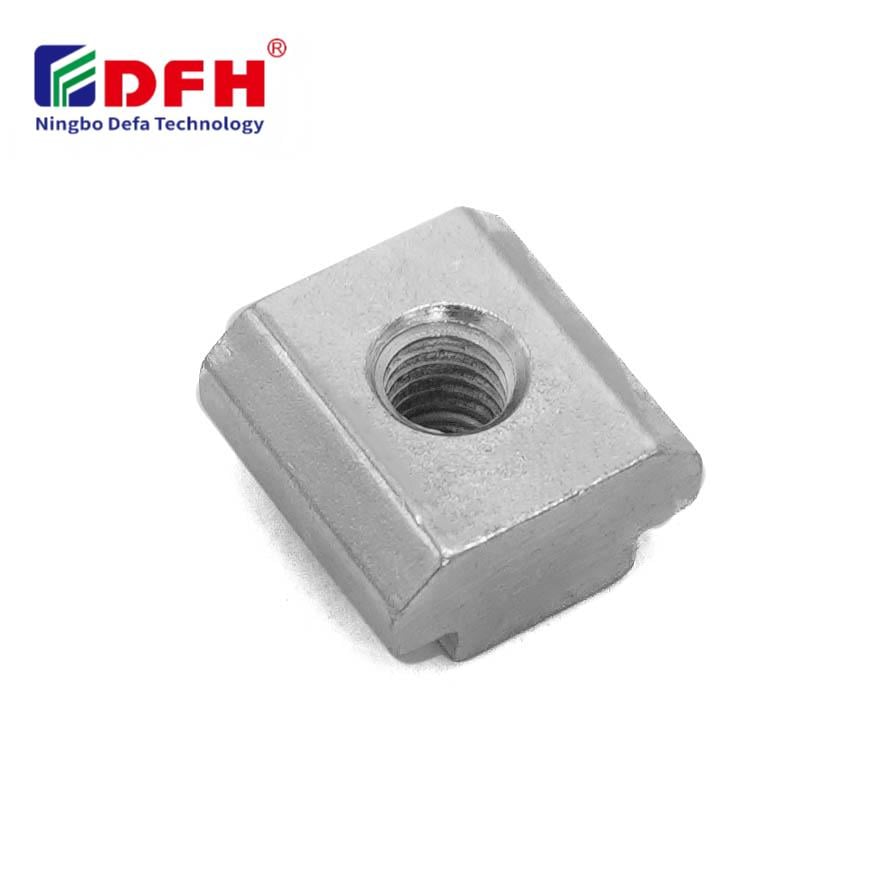
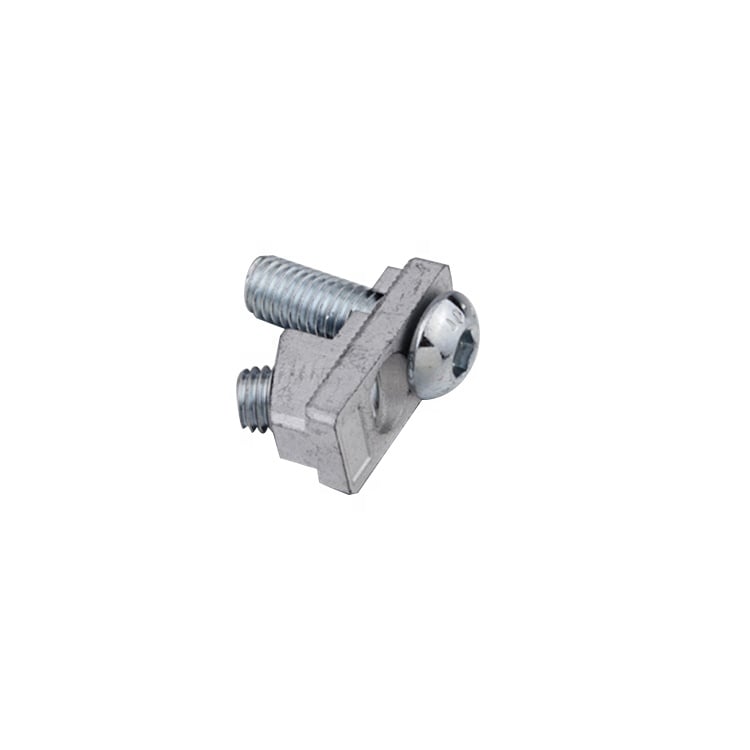
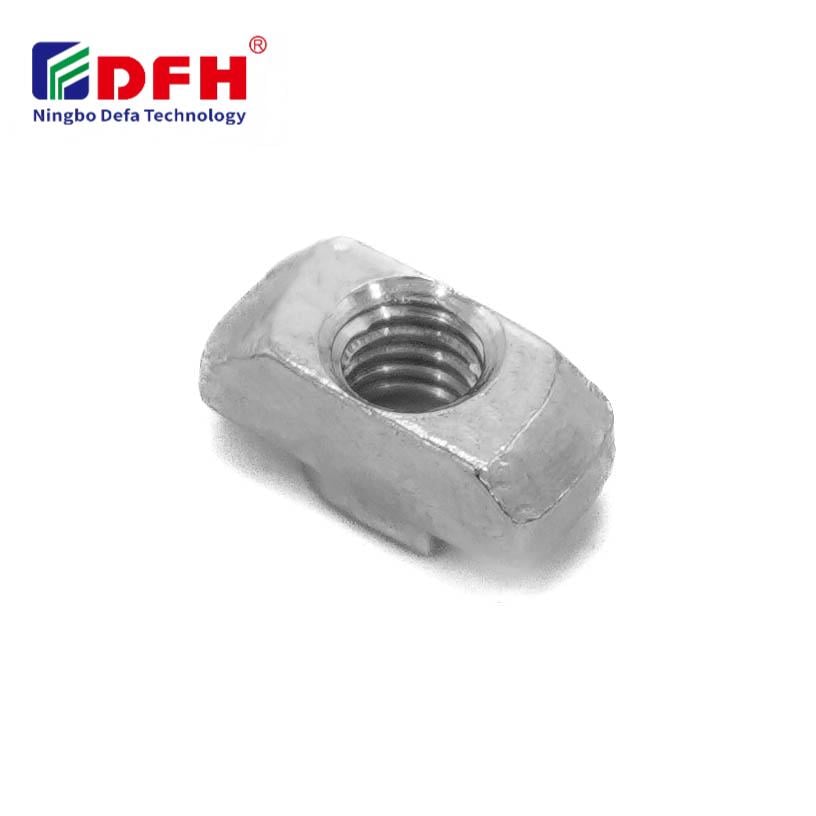
A T Nut is a specialized fastening component designed to secure items into slotted aluminum profiles, structural beams, and machinery frames. These versatile fasteners operate by inserting their stem into a T-shaped slot and then tightening a bolt through the threaded hole to lock the assembly in place. Understanding the different types of T Nut configurations helps engineers, manufacturers, and technicians select the most appropriate fastening hardware for their specific industrial applications and structural requirements.
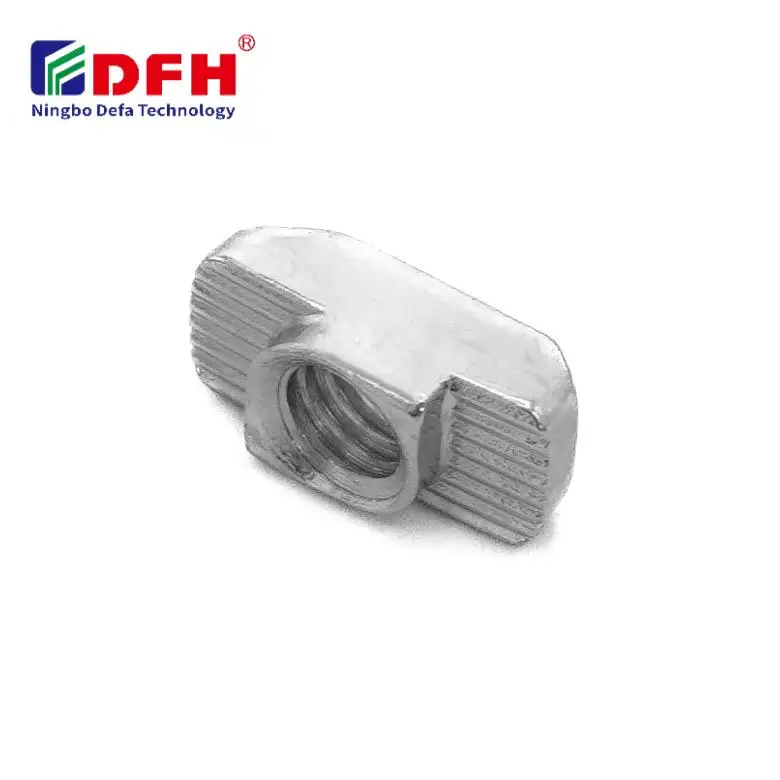
The threaded insert technology behind T nuts has evolved significantly to meet modern manufacturing demands. Today's fastening hardware options range from simple drop-in designs to precision-engineered components that deliver superior holding power and repeatability. Selecting the correct T nut type directly impacts assembly efficiency, structural integrity, and long-term reliability of your projects.
The most common T nut configuration is the basic drop-in model, which features a simple stem that slides into the T-slot without requiring pre-installation. This type of fastening hardware is ideal for applications where frequent adjustments are necessary or where temporary assemblies must be modified quickly. The slot nut assembly design allows operators to position the T nut anywhere along the slot length, making it extremely flexible for modular manufacturing environments and prototyping operations.
Drop-in T nuts typically come in various sizes matched to standard aluminum profile dimensions such as 20x20mm, 40x40mm, and 45x45mm profiles. The threaded insert core accepts standard bolts and studs, providing straightforward fastening hardware compatibility with existing inventory. This simplicity makes drop-in models the preferred choice for high-volume production facilities seeking cost-effective fastening solutions without sacrificing functionality.
Pronged T nut designs feature metal fingers or prongs that grip the slot walls, preventing unwanted rotation and movement during assembly. These advanced threaded insert configurations are engineered for applications demanding high vibration resistance or dynamic loading conditions. The pronged fastening hardware variant significantly reduces the risk of loosening and provides enhanced stability compared to basic drop-in models.
Spring-loaded T nut assemblies use internal springs to maintain constant pressure against the slot nut assembly walls, ensuring tight engagement even as thermal expansion and contraction occur. This slot nut assembly innovation proves particularly valuable in industrial environments where temperature fluctuations could otherwise compromise fastener security and structural alignment.
Some applications require T nuts designed specifically for threaded rod installations rather than bolt-hole configurations. These specialized threaded insert components feature larger threaded bores that accommodate longer studs or rods that extend beyond the slot nut assembly. This fastening hardware variant enables vertical mounting, suspended installations, and applications where the fastener must project significantly beyond the main structural frame.
The threaded rod T nut category includes models with extended height stems to reach deeper into structural T-slots and models with offset threading to accommodate multiple fastening hardware connections on a single profile. Engineers frequently select these configurations when designing complex slot nut assembly arrangements that require multiple connection points or when structural loads demand distributed fastening along extended areas.
For permanent installations and structural applications requiring maximum reliability, welded T nuts represent the ultimate fastening hardware solution. These threaded insert products are factory-welded into T-slots during the profile manufacturing process, creating an integral slot nut assembly that cannot loosen or fall out. Welded T nut configurations are standard in aerospace, automotive, and heavy industrial manufacturing where component failure is unacceptable.
Permanent-mount T nuts also include pressed-fit designs where the threaded insert is mechanically locked into the slot under extreme pressure. These fastening hardware options provide the holding power of welded assemblies while allowing controlled installation at the assembly facility rather than during profile fabrication, offering flexibility without compromising structural integrity.
The material composition of your T nut directly affects corrosion resistance, strength, and long-term performance. Carbon steel T nuts offer excellent strength-to-cost ratios and suit most standard industrial applications and slot nut assembly requirements. However, stainless steel threaded insert options provide superior corrosion resistance in harsh environments, making them essential for marine applications, food processing facilities, and outdoor installations where fastening hardware must withstand environmental degradation.
Zinc-plated steel represents a cost-effective middle ground, offering moderate corrosion protection through electroplating while maintaining the strength advantages of carbon steel fastening hardware. Nickel plating and other advanced surface treatments further enhance the durability of T nut assemblies in specific industrial contexts where standard coatings prove insufficient.
Lightweight applications often demand aluminum threaded insert T nuts that complement aluminum profile structures while reducing overall assembly weight. These specialized fastening hardware components prove essential in aerospace, transportation, and portable equipment manufacturing. Aluminum T nuts typically cost more than steel alternatives but deliver significant weight savings when compared across large assemblies or high-volume production runs.
Specialty alloy T nuts including titanium, brass, and composite-material variants address niche applications demanding specific material properties. The slot nut assembly market continues expanding as engineers discover new applications for threaded insert technology in emerging industries and innovative structural designs.
The T Nut size must match your specific profile slot dimensions. Standard aluminum profiles come in 20x20mm, 40x40mm, and 45x45mm sizes, each requiring corresponding fastening hardware. Always verify your profile manufacturer's specifications before selecting threaded insert components to ensure proper fit and load capacity within your slot nut assembly design.
Most standard drop-in T nut designs can be removed and reused multiple times without damage, making them ideal for modular applications and temporary fastening hardware installations. However, pronged and spring-loaded variants may experience wear or deformation after repeated removal cycles. Inspect all threaded insert components for visible damage before reinstalling to maintain slot nut assembly integrity and structural safety.
Pronged T nut designs automatically resist rotation through mechanical grip, while drop-in models may rotate under certain conditions. To prevent unwanted rotation in standard fastening hardware, apply thread-locking compound to the bolt before installation, or select pronged threaded insert variants that provide mechanical anti-rotation features. For critical applications, welded T nuts eliminate rotation concerns entirely through permanent slot nut assembly integration.
2026/09/30
Source aluminum profiles for versatile modular framing. Learn extrusion mechanics, strength benefits & corrosion resistance. Request details.
2026/09/30
Source aluminum profiles for construction projects. Learn structural framing, cladding & window benefits for maximum ROI. Download guide.
2026/09/30
Source optimal aluminum profile sizing techniques. Evaluate load, space, alloy, environment & cost factors to prevent deflection. Download guide.
2026/09/30
Struggling with fastener failures or rework? Master screw sizing by diameter, pitch, material, and load—plus industry-specific standards. Optimize reliability & compliance now.
2026/09/30
Source aluminum profiles for industrial engineering. Discover strength-to-weight ratios, corrosion resistance & 30% cost savings. Download guide.
2026/09/30
Source heat-resistant aluminum profile systems. Master thermal expansion science & stress management strategies for industrial builds. Download guide.