EN
EN
What is Aluminum Profile and How Does It Work?
2026/09/30
Source aluminum profiles for versatile modular framing. Learn extrusion mechanics, strength benefits & corrosion resistance. Request details.

2026/09/16
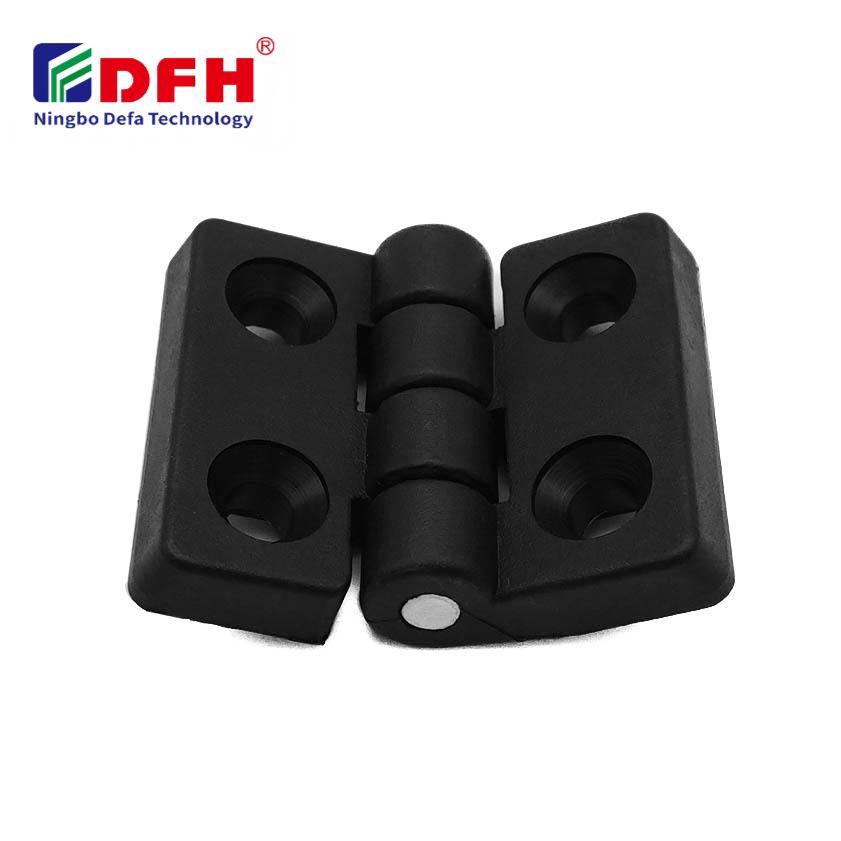
A hinge is a mechanical device that connects two surfaces, allowing one to pivot or swing relative to the other. Understanding the different types of hinges is essential for selecting the right solution for your specific application, whether you're working on residential door installations, industrial equipment, or cabinet assemblies. Each hinge type serves distinct purposes based on load capacity, movement direction, and environmental conditions, making knowledge of these variations crucial for both engineers and installers.
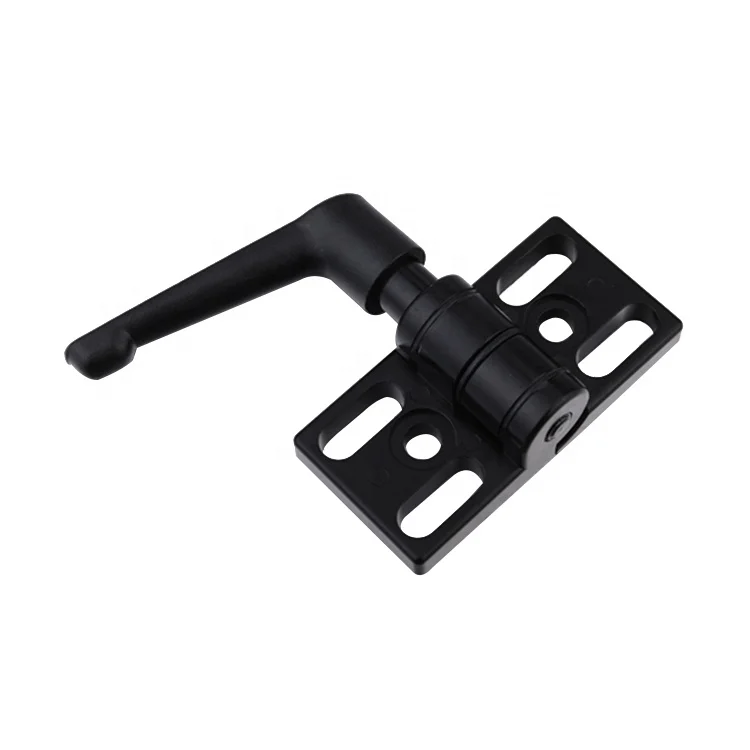
The market offers a diverse range of hinge designs, each optimized for particular performance requirements and environmental factors. From simple butt hinges to specialized ball bearing varieties, the choice between different hinge types directly impacts the longevity, safety, and functionality of your installation. This guide explores the major categories and their practical applications in modern industrial and residential settings.
Butt hinges represent the most widely used type in residential and commercial settings. These hinges consist of two rectangular plates joined by a pin, creating a simple yet effective pivot mechanism. Door hinge installation using butt hinges is straightforward, requiring basic tools and minimal technical expertise. The standard butt hinge provides adequate hinge load capacity for typical interior doors, weighing up to 150 pounds when properly installed, making them suitable for most residential applications.
The versatility of butt hinges extends to various materials, including steel, stainless steel, and brass. When selecting a hinge for door hinge installation, consider the door's weight and usage frequency. Heavier doors or high-traffic areas demand more robust constructions with better hinge load capacity. Many modern butt hinges incorporate ball bearings to reduce friction and extend operational lifespan, particularly valuable in commercial environments where doors operate dozens of times daily.
Ball bearing hinges represent an advancement in hinge technology, specifically designed to handle increased stress and provide smoother operation. These specialized hinges use enclosed ball bearings between the knuckle sections, dramatically improving hinge load capacity compared to standard varieties. Commercial installations frequently specify ball bearing options because they reduce wear, minimize noise, and maintain consistent performance even in demanding environments.
Heavy-duty hinges engineered with ball bearings can support door weights exceeding 400 pounds, making them essential for institutional buildings, hospitals, and industrial facilities. The enhanced hinge load capacity comes with premium pricing, but the extended service life and reduced maintenance requirements justify the investment for high-traffic areas. Stainless steel ball bearing hinges offer additional protection against corrosion, proving invaluable in coastal or chemically aggressive environments.
Cabinet hinge types have evolved significantly beyond simple designs, with European-style hinges dominating modern cabinetry. These concealed hinges mount inside the cabinet, creating a clean aesthetic while providing exceptional functionality. Cabinet hinge types in this category typically feature adjustable mechanisms that allow precise door alignment even after installation, a critical advantage when working with expensive custom cabinetry. The hinge load capacity of quality cabinet hinges ranges from 25 to 50 pounds, sufficient for most residential and commercial cabinet applications.
The concealed nature of European hinges offers distinct advantages beyond appearance. Cabinet hinge types with self-closing mechanisms reduce energy consumption by preventing cabinet doors from remaining ajar, particularly beneficial in temperature-controlled environments. Soft-close variants minimize slamming, protecting delicate items stored inside and extending the lifespan of door edges. Installation of these cabinet hinge types requires precision boring, but modern templates and jigs have made the process accessible to skilled installers.
Face-mount hinges represent traditional cabinet hinge types visible on the exterior door surface. These hinges appeal to designers seeking decorative elements or vintage aesthetics, with ornamental styles available in brass, bronze, and iron finishes. While visible hinges require less precise installation compared to concealed varieties, their hinge load capacity must still match the cabinet door weight and usage frequency to ensure reliable operation over time.
Specialty cabinet hinge types address specific functional requirements, including glass door hinges with special edge supports and roller hinges for sliding applications. Glass door hinges must accommodate non-standard mounting surfaces, utilizing specialized clamps and load-bearing components to maintain hinge load capacity despite the unique material properties. Professional cabinet makers routinely evaluate both aesthetic preferences and functional demands when specifying cabinet hinge types for custom installations.
Pivot hinges enable single-point floor and header mounting, supporting door weights far exceeding traditional hinge capacities. These specialized designs distribute loads more effectively through top and bottom pivot components, achieving hinge load capacity ratings of 500 to 1000 pounds depending on construction and materials. Commercial glass entrance doors and heavy wooden panels frequently rely on pivot hinge systems to achieve the desired aesthetic while maintaining safety standards.
The engineering advantages of pivot hinges extend beyond mere strength. These solutions allow doors to swing past the typical 180-degree maximum of standard hinges, accommodating unusual architectural requirements. Door hinge installation using pivot systems demands professional expertise, as precise alignment directly affects both performance and appearance. Incorrect installation can result in binding, uneven wear, and eventual structural failure, making professional consultation essential for critical applications.
Spring-loaded hinges automatically close doors when released, providing essential functionality in fire-rated applications and buildings requiring controlled access. These specialized hinges incorporate tension adjustment mechanisms allowing fine-tuning to match specific door weights and closure preferences. The hinge load capacity of spring-loaded varieties varies widely, from light-duty cabinet hinges with 10-pound ratings to heavy institutional doors rated at 300 pounds or more.
Soft-close technology represents a refinement of spring-loaded designs, utilizing hydraulic or friction-damped mechanisms to provide smooth, silent closure. These premium options prevent slamming, reduce noise pollution, and protect adjacent walls and furniture from impact damage. While more expensive than basic hinges, soft-close mechanisms deliver measurable improvements in user experience and building comfort levels, particularly in healthcare, hospitality, and residential premium applications.
Hinge load capacity requirements depend primarily on the door or panel weight and expected usage frequency. Calculate the total weight of the hanging element, then select hinges with capacity at least 25 percent higher than the calculated load. Consider environmental factors like wind exposure for exterior doors and high-traffic volume for institutional settings. When in doubt, consult professional installers or hinge manufacturers to ensure your selection provides adequate hinge load capacity for safe, reliable operation throughout the expected product lifespan.
Door hinge installation quality directly impacts durability, smoothness, and alignment stability over time. Proper installation requires accurate screw placement, appropriate fastener types, and correct hole sizing to ensure the hinge receives full support. Misaligned or inadequately fastened hinges generate eccentric loads that accelerate wear, eventually causing binding, squeaking, or complete failure. Professional door hinge installation services may cost more initially but prevent expensive door replacement and subsequent building modifications.
For kitchen environments with frequent door operation, specify cabinet hinge types incorporating ball bearings or similar low-friction mechanisms combined with soft-close or self-closing capabilities. European concealed hinges with 35 to 50-pound hinge load capacity meet most residential kitchen requirements while providing adjustment flexibility for perfect alignment. Stainless steel construction resists moisture-related corrosion common in kitchen environments. Prioritize hinges with manufacturer warranties covering both materials and operation, ensuring recourse if premature failure occurs despite proper installation.
2026/09/30
Source aluminum profiles for versatile modular framing. Learn extrusion mechanics, strength benefits & corrosion resistance. Request details.
2026/09/30
Source aluminum profiles for construction projects. Learn structural framing, cladding & window benefits for maximum ROI. Download guide.
2026/09/30
Source optimal aluminum profile sizing techniques. Evaluate load, space, alloy, environment & cost factors to prevent deflection. Download guide.
2026/09/30
Struggling with fastener failures or rework? Master screw sizing by diameter, pitch, material, and load—plus industry-specific standards. Optimize reliability & compliance now.
2026/09/30
Source aluminum profiles for industrial engineering. Discover strength-to-weight ratios, corrosion resistance & 30% cost savings. Download guide.
2026/09/30
Source heat-resistant aluminum profile systems. Master thermal expansion science & stress management strategies for industrial builds. Download guide.