EN
EN
What is Aluminum Profile and How Does It Work?
2026/09/30
Source aluminum profiles for versatile modular framing. Learn extrusion mechanics, strength benefits & corrosion resistance. Request details.

2026/09/08
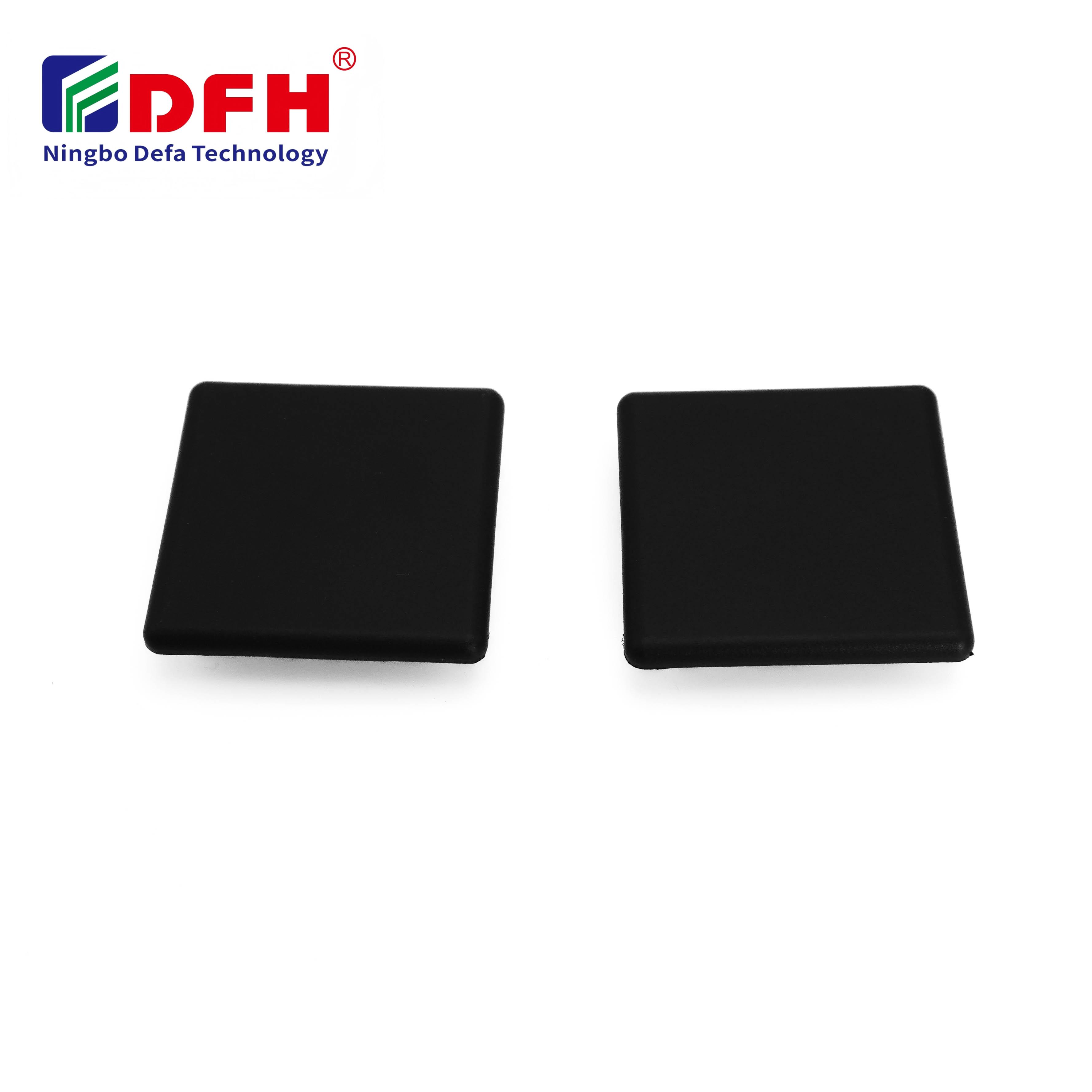
An end cap serves as a protective and finishing component in numerous industrial and residential applications. Whether you are working with railings, structural frames, pipes, or cable systems, understanding the different types of end caps is essential for selecting the right solution for your project. End caps provide critical functions including protection against environmental elements, enhanced aesthetics, and structural integrity across diverse industries and settings.
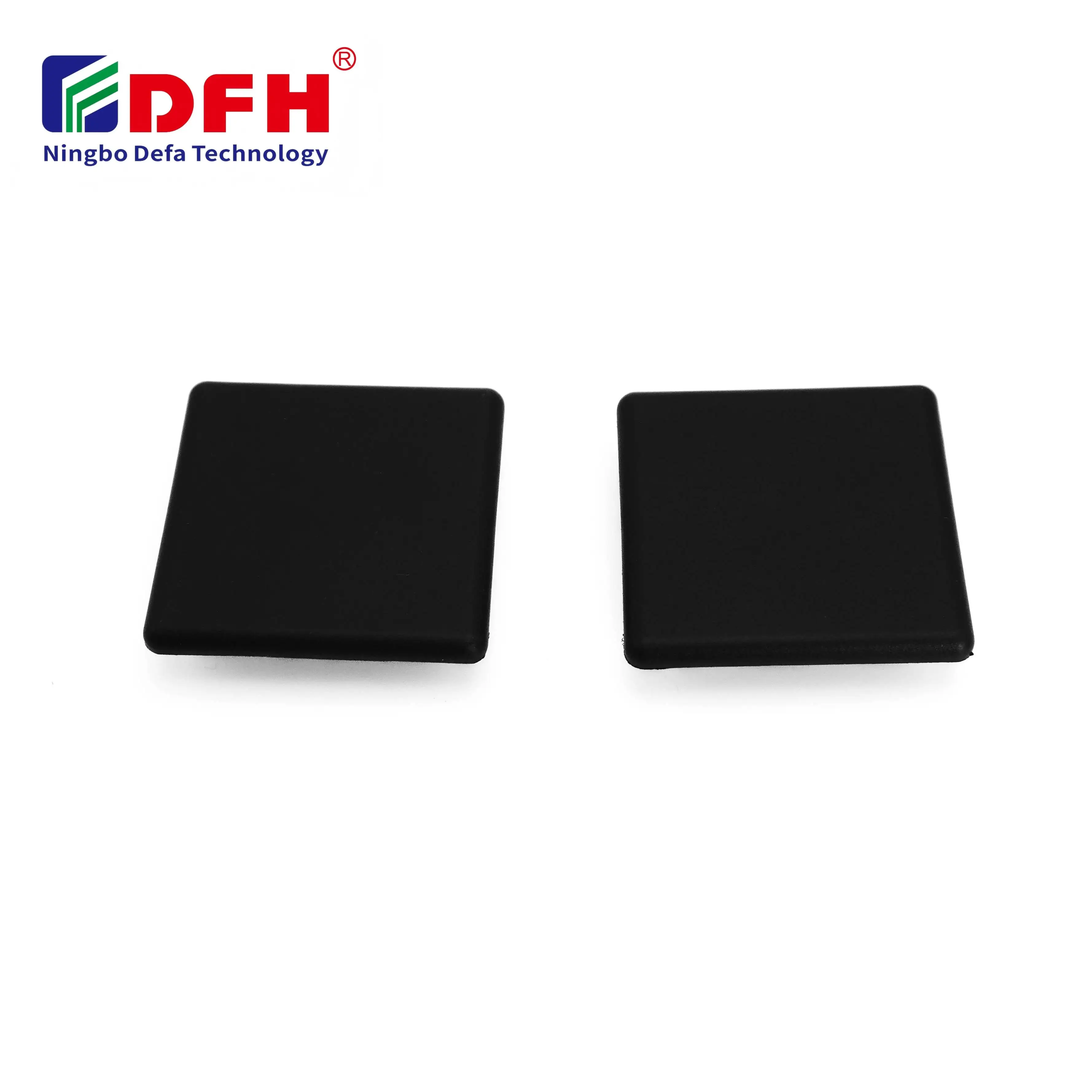
The selection of the appropriate end cap type directly impacts project performance, durability, and long-term maintenance costs. Different applications demand specific characteristics from end caps, ranging from load-bearing capacity to corrosion resistance. Understanding end cap materials, installation methods, and their specific use cases enables professionals to make informed decisions that align with both technical requirements and budget constraints.
Structural end caps are engineered to provide mechanical support and load distribution in railing systems, framing assemblies, and modular structures. These components must withstand pressure, stress, and environmental exposure while maintaining dimensional stability. A End Cap designed for structural purposes typically features reinforced walls, multiple connection points, and integration with fastening mechanisms. The design philosophy behind structural end caps prioritizes strength-to-weight ratios and compatibility with common building materials like aluminum, steel, and composite framing.
Structural end cap installation requires precise alignment to ensure uniform load distribution and system stability. End cap installation procedures often involve threaded fasteners, welding, or mechanical crimping depending on the base material and application demands. These structural solutions are commonly found in industrial platforms, handrails, fencing systems, and architectural frameworks where safety and durability are non-negotiable requirements.
Decorative end caps enhance the visual appeal of finished installations while providing basic protective functions. These components are selected for their aesthetic qualities, surface finishes, and color matching capabilities. Decorative end caps often feature smooth surfaces, polished finishes, or specialty coatings that complement the primary structural elements. End cap applications in retail environments, residential settings, and public spaces frequently emphasize the decorative aspect while maintaining functional integrity.
The balance between form and function in decorative end caps requires careful material selection and design consideration. End cap materials suitable for decorative purposes must resist fading, oxidation, and surface degradation while maintaining their visual appeal over extended periods. Installation of decorative end caps typically involves less complex procedures than structural variants, often utilizing simple push-fit or adhesive-based attachment methods.
Plastic and nylon end caps represent highly versatile and cost-effective solutions for numerous industrial and commercial applications. End cap materials in the plastic category offer lightweight construction, corrosion resistance, and ease of installation across diverse environmental conditions. Nylon end caps specifically provide excellent chemical resistance, low friction properties, and dimensional stability in temperature-variable environments. These materials excel in both indoor and outdoor applications where moisture exposure, UV radiation, and chemical contact pose risks to traditional materials.
End cap installation using plastic components typically requires minimal specialized tools and can be completed quickly by maintenance personnel. Nylon end caps accommodate thermal expansion and contraction without compromising fit or functionality, making them particularly suitable for applications experiencing significant temperature fluctuations. The affordability of plastic end cap materials enables widespread adoption in high-volume installations while maintaining acceptable performance standards.
Metal end caps, including aluminum, steel, and stainless steel variants, deliver superior strength, load-bearing capacity, and longevity in demanding industrial environments. End cap applications requiring maximum durability and structural performance typically utilize aluminum or stainless steel materials for their proven track records in extreme conditions. Stainless steel end caps provide unmatched corrosion resistance, making them essential choices for marine environments, food processing facilities, and chemical handling systems.
End cap materials in the metal category require specific installation techniques including welding, mechanical fastening, or specialized crimping equipment. Metal end caps deliver superior aesthetics through polished finishes, powder coating options, and finish customization capabilities that appeal to high-end architectural and industrial projects. The investment in metal end cap solutions yields long-term value through extended service life and minimal maintenance requirements compared to alternative materials.
Composite end cap materials combine benefits of multiple material families to address specialized application requirements and performance demands. End cap materials featuring carbon fiber, fiberglass, or reinforced polymer matrices provide lightweight construction with exceptional strength characteristics. These advanced end cap solutions serve aerospace, automotive, and specialized industrial sectors where weight reduction and performance optimization drive material selection decisions.
End cap installation procedures for composite materials often require specialized expertise and adherence to manufacturer-specified protocols. Specialty end cap applications benefit from customization capabilities that alternative materials cannot match, enabling tailored solutions for unique engineering challenges. The premium cost of composite end caps is justified in applications where performance demands exceed the capabilities of conventional materials.
End cap applications in railing systems represent one of the most widespread industrial uses, encompassing residential balconies, commercial platforms, and industrial safety barriers. End cap installation in these applications serves dual purposes: protecting the underlying structure from moisture infiltration and providing finished aesthetics that meet architectural standards. Railing end caps must accommodate various mounting orientations, weather exposure conditions, and periodic maintenance requirements while maintaining consistent performance.
Structural end cap applications extend to framing systems, modular construction components, and prefabricated building elements where standardization and repeatability drive manufacturing efficiency. End cap materials selection for railing applications balances cost considerations with durability requirements specific to each geographic region's climate conditions. Proper end cap installation in railing systems prevents water damage, corrosion, and structural deterioration that could compromise safety and structural integrity.
End cap applications in pipe and tubing systems serve critical functions including pressure containment, sediment prevention, and system protection during storage and transportation. End cap installation on pipe systems requires precise fit specifications to ensure watertight seals and prevent contamination ingress. Specialized end cap materials for piping applications must withstand internal pressure, temperature variations, and chemical compatibility with transported fluids.
Temporary end caps used during construction phases serve protective functions that extend equipment lifespan and reduce maintenance costs. Permanent end caps integrated into finished piping systems provide essential protection against environmental exposure and mechanical damage. End cap applications in water treatment, HVAC systems, and industrial fluid distribution benefit from material options specifically engineered for fluid compatibility and pressure requirements.
End cap applications in cable management systems protect exposed conductors, prevent moisture intrusion, and organize cable routing in industrial and commercial environments. End cap installation in electrical applications must comply with safety standards, fire codes, and electromagnetic shielding requirements specific to each jurisdiction. End cap materials used in electrical environments must provide adequate insulation, fire resistance, and mechanical protection for critical infrastructure.
Specialized end cap solutions for data center, telecommunications, and renewable energy applications require precise dimensional specifications and advanced material properties. End cap installation procedures in these high-value environments demand meticulous attention to detail and compliance with industry-specific performance standards. Cable-related end cap applications continue to expand as technology infrastructure becomes increasingly complex and performance-critical.
Material selection depends on environmental exposure, load requirements, budget constraints, and aesthetic preferences. Evaluate end cap materials based on corrosion resistance, temperature tolerance, UV stability, and compatibility with existing systems. End cap applications in corrosive environments demand stainless steel or composite materials, while cost-sensitive projects may favor plastic or aluminum options. Consider long-term maintenance costs and replacement frequency when comparing end cap materials across different price points.
End cap installation procedures range from simple push-fit methods for plastic components to specialized welding and mechanical assembly for metal variants. Plastic end cap installation typically requires minimal tools and training, enabling rapid deployment by maintenance personnel. Metal and composite end cap installation may require specialized equipment, professional expertise, and compliance with specific manufacturer protocols. Evaluate end cap installation requirements during project planning to ensure adequate resource allocation and timeline accuracy.
End cap applications span railing systems, pipe protection, structural framing, cable management, and decorative finishing across residential, commercial, and industrial sectors. Railing end cap applications represent the largest market segment, followed by piping and structural assembly uses. Emerging end cap applications in renewable energy, data centers, and advanced manufacturing continue to expand market demand for specialized solutions. Understanding end cap applications in your specific industry enables more informed purchasing decisions and optimized system performance.
2026/09/30
Source aluminum profiles for versatile modular framing. Learn extrusion mechanics, strength benefits & corrosion resistance. Request details.
2026/09/30
Source aluminum profiles for construction projects. Learn structural framing, cladding & window benefits for maximum ROI. Download guide.
2026/09/30
Source optimal aluminum profile sizing techniques. Evaluate load, space, alloy, environment & cost factors to prevent deflection. Download guide.
2026/09/30
Struggling with fastener failures or rework? Master screw sizing by diameter, pitch, material, and load—plus industry-specific standards. Optimize reliability & compliance now.
2026/09/30
Source aluminum profiles for industrial engineering. Discover strength-to-weight ratios, corrosion resistance & 30% cost savings. Download guide.
2026/09/30
Source heat-resistant aluminum profile systems. Master thermal expansion science & stress management strategies for industrial builds. Download guide.