EN
EN
What is Aluminum Profile and How Does It Work?
2026/09/30
Source aluminum profiles for versatile modular framing. Learn extrusion mechanics, strength benefits & corrosion resistance. Request details.

2026/09/24
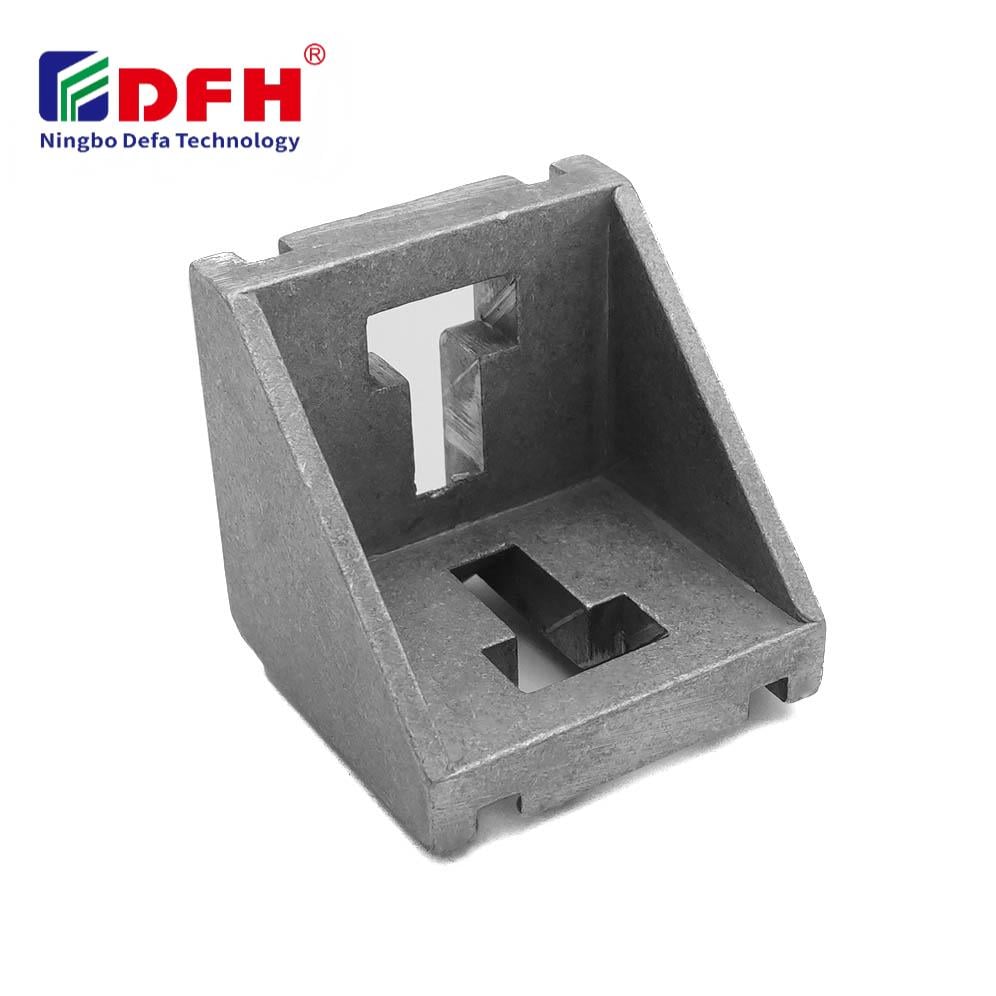
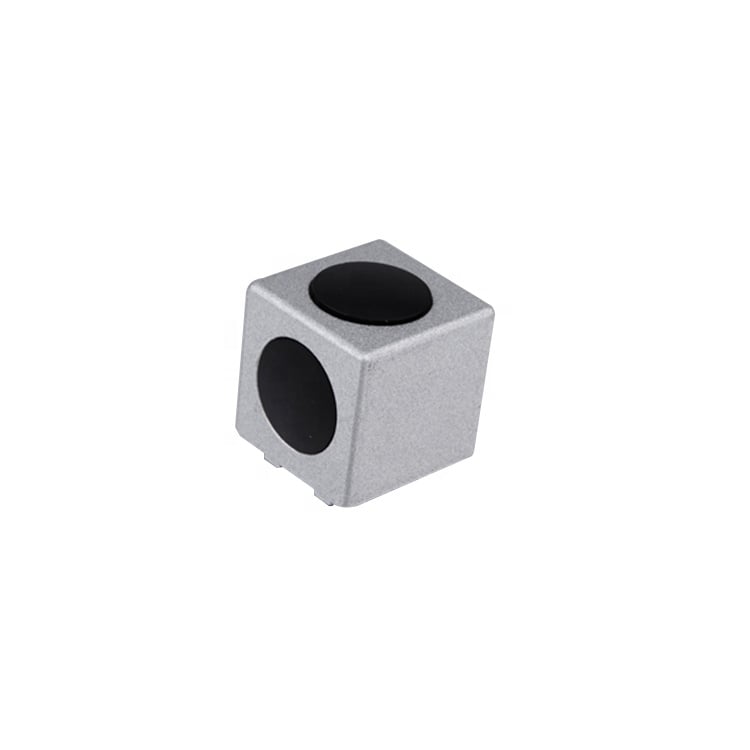
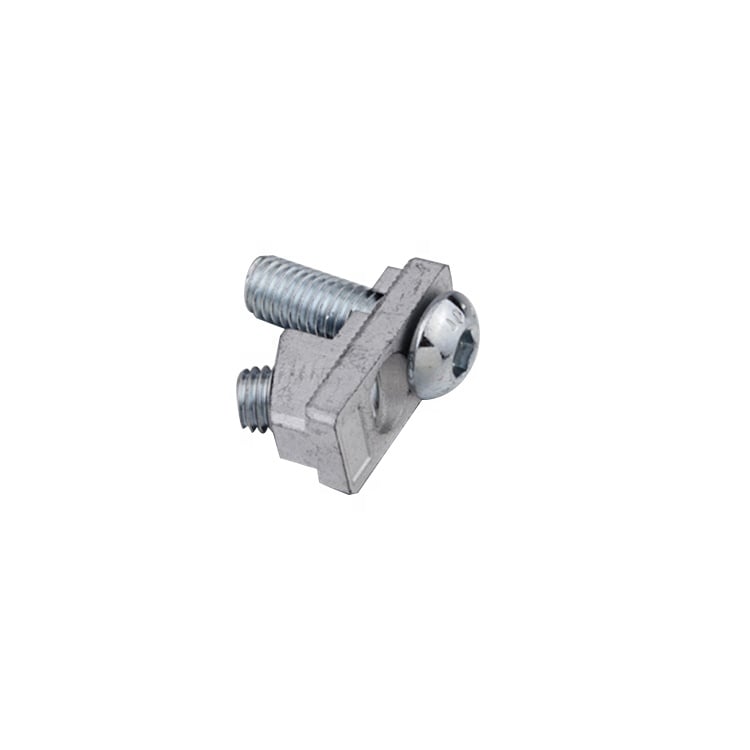
Angle connectors are fundamental components in industrial assembly, structural fabrication, and mechanical design applications. These fastening elements enable precise alignment and secure joints between two surfaces meeting at specific angles, most commonly at 90 degrees. Understanding the different types of angle connectors available helps engineers, manufacturers, and assembly professionals select the right solution for their project requirements, load specifications, and material compatibility needs.
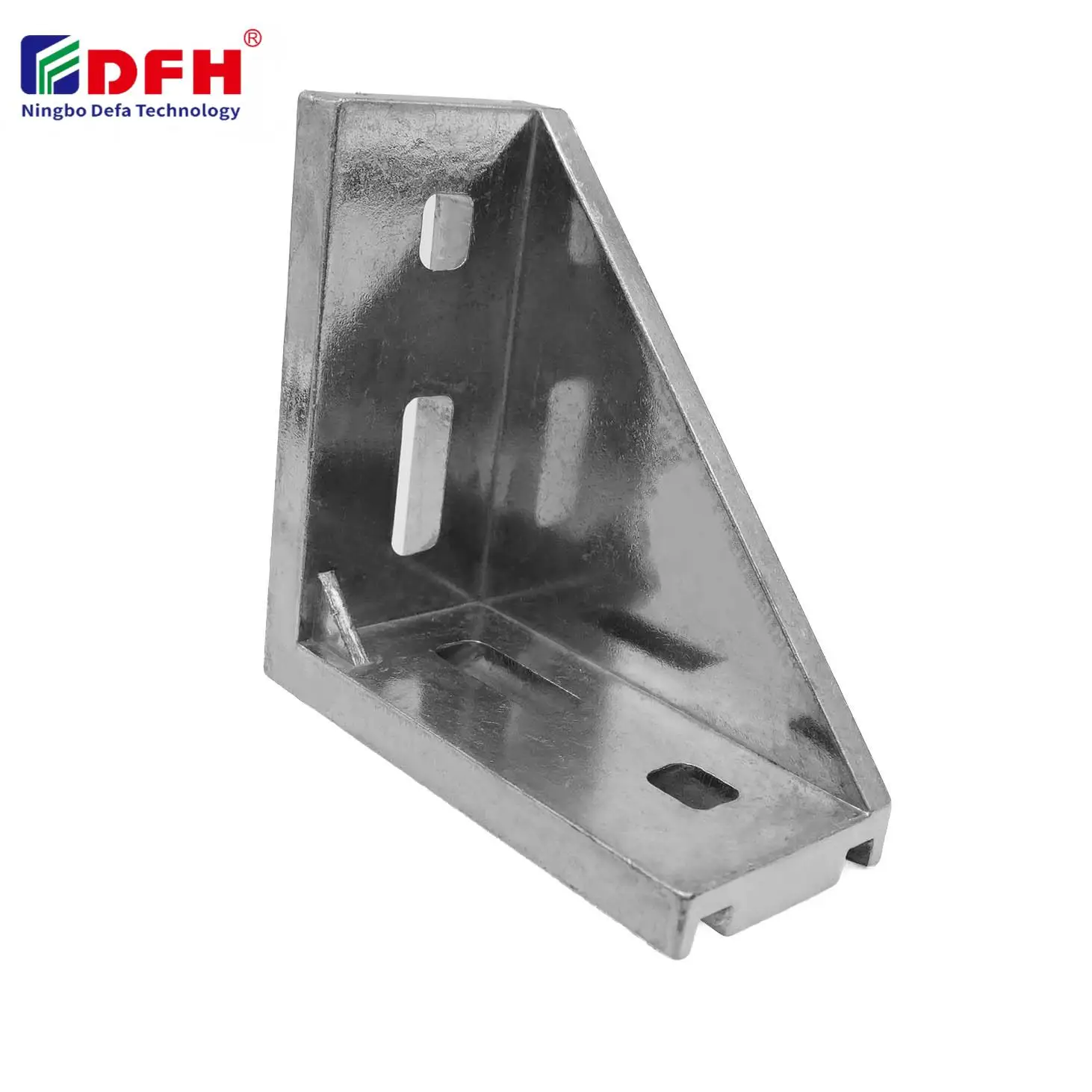
The variety of angle connectors available on the market reflects the diverse demands of modern manufacturing and construction. From lightweight aluminum solutions to heavy-duty steel reinforcements, each type serves specific applications and performance criteria. Selecting appropriate angle connectors depends on understanding their structural properties, material composition, load capacity, and installation method.
Right angle brackets represent the most common category of corner fasteners used across industries. These L-shaped or corner-shaped components join two perpendicular surfaces with reliable structural support. Right angle brackets typically feature mounting holes or slots that accommodate fasteners such as bolts, screws, or rivets, enabling secure attachment to supporting structures.
The straightforward design of right angle brackets makes them ideal for straightforward assembly scenarios where 90 degree joints must withstand moderate to heavy loads. Materials range from aluminum alloy for lightweight applications to stainless steel for corrosion-resistant environments and carbon steel for maximum strength. The thickness, size, and hole configuration of right angle brackets directly influence their load-bearing capacity and suitability for specific applications.
Right angle brackets come in various grades and dimensions to match diverse load requirements. Lightweight aluminum brackets work well in automation equipment, shelving systems, and framework where weight reduction matters. Medium-duty steel brackets serve general manufacturing, conveyor systems, and machine frames. Heavy-duty reinforced brackets, often featuring gusset plates or additional bracing, handle demanding industrial environments and high-impact applications.
Material selection significantly impacts both performance and cost. Aluminum offers excellent corrosion resistance and easy machinability but provides lower strength compared to steel. Stainless steel combines corrosion resistance with adequate strength for food processing, pharmaceutical, and marine applications. Carbon steel delivers maximum strength at competitive pricing for indoor industrial use.
Corner fasteners extend beyond traditional right angle brackets to include specialized designs optimized for precision assembly and specific mounting scenarios. Adjustable corner fasteners allow fine-tuning of alignment after initial assembly, critical in applications requiring exact perpendicular orientation. Slotted corner fasteners accommodate component positioning flexibility, enabling technicians to adjust mounting positions without complete disassembly.
Reinforced corner fasteners incorporate internal gussets, ribbed designs, or welded reinforcement to enhance rigidity and load capacity without significantly increasing weight. These engineered solutions address applications where standard right angle brackets prove insufficient. Pivot-style corner fasteners enable controlled angular movement while maintaining structural integrity, suitable for hinged assemblies and adjustable frame applications.
Different industries demand specialized corner fastener configurations tailored to their unique operational requirements. The electronics and telecommunications sectors require compact corner fasteners with precise hole spacing for circuit board mounting and equipment framework assembly. Automotive manufacturing uses reinforced corner fasteners engineered to withstand vibration and dynamic loads during vehicle assembly and component integration.
Food processing and pharmaceutical manufacturing require stainless steel or coated corner fasteners that resist corrosion and maintain sanitary conditions. The construction industry relies on structural-grade corner fasteners meeting building codes and safety standards for scaffolding, temporary bracing, and equipment support. Textile and light manufacturing sectors often utilize aluminum corner fasteners prioritizing cost efficiency and ease of installation.
90 degree joints formed by angle connectors distribute loads across perpendicular planes, creating complex stress patterns that demand careful engineering consideration. The angle connectors used in these joints must accommodate shear forces, tensile stress, and torsional loads depending on the assembly configuration and operational environment. Design engineers select specific connector types based on load direction, magnitude, frequency, and potential stress concentration points.
Multi-point fastening of 90 degree joints dramatically improves structural stability compared to single-bolt solutions. Distributed load paths reduce stress concentration and extend component fatigue life significantly. Modern angle connectors often incorporate multiple fastening points strategically positioned to maximize load distribution and minimize deflection under operational stress.
Contemporary manufacturing increasingly employs modular angle connector systems enabling rapid assembly, reconfiguration, and component replacement. These angle connectors integrate standardized interfaces with precision engineering, reducing assembly time and improving system flexibility. Quick-release mechanisms, threaded inserts, and standardized hole patterns streamline installation across diverse applications.
Composite and lightweight materials increasingly complement traditional metal angle connectors in weight-sensitive applications. Carbon fiber reinforced polymers, advanced aluminum alloys, and hybrid metal-composite solutions expand design possibilities while maintaining structural integrity. Environmental considerations drive adoption of recyclable materials and corrosion-resistant formulations reducing maintenance demands and extending service life in challenging operational environments.
Selection depends on load requirements, material compatibility, environmental conditions, and cost constraints. Evaluate the magnitude and direction of applied forces, temperature extremes, moisture or corrosive exposure, installation accessibility, and maintenance frequency. The material composition, size, hole configuration, and fastening method must align with your specific assembly requirements and performance expectations. Consulting engineering specifications and load calculation results ensures optimal connector selection.
Yes, specialized angle connectors handle demanding environments through material selection and protective coatings. Stainless steel corner fasteners resist corrosion in marine, chemical processing, and food industry applications. High-temperature alloys maintain structural integrity in furnace, kiln, and thermal processing equipment. Specialized coatings, galvanizing, and surface treatments enhance corrosion resistance for specific environmental challenges. Material certifications and environmental testing data verify performance in extreme conditions.
Perform detailed load analysis calculating the total force magnitude, direction, and distribution across fastening points. Consult manufacturer technical data sheets providing load ratings for different connector dimensions and materials. Safety factors of 1.5 to 3.0 depending on application criticality protect against unexpected loads and material degradation. Structural analysis software helps visualize stress distribution and validate connector adequacy. Professional engineering consultation ensures proper sizing for safety-critical applications.
2026/09/30
Source aluminum profiles for versatile modular framing. Learn extrusion mechanics, strength benefits & corrosion resistance. Request details.
2026/09/30
Source aluminum profiles for construction projects. Learn structural framing, cladding & window benefits for maximum ROI. Download guide.
2026/09/30
Source optimal aluminum profile sizing techniques. Evaluate load, space, alloy, environment & cost factors to prevent deflection. Download guide.
2026/09/30
Struggling with fastener failures or rework? Master screw sizing by diameter, pitch, material, and load—plus industry-specific standards. Optimize reliability & compliance now.
2026/09/30
Source aluminum profiles for industrial engineering. Discover strength-to-weight ratios, corrosion resistance & 30% cost savings. Download guide.
2026/09/30
Source heat-resistant aluminum profile systems. Master thermal expansion science & stress management strategies for industrial builds. Download guide.