EN
EN
What is Aluminum Profile and How Does It Work?
2026/09/30
Source aluminum profiles for versatile modular framing. Learn extrusion mechanics, strength benefits & corrosion resistance. Request details.

2026/09/29
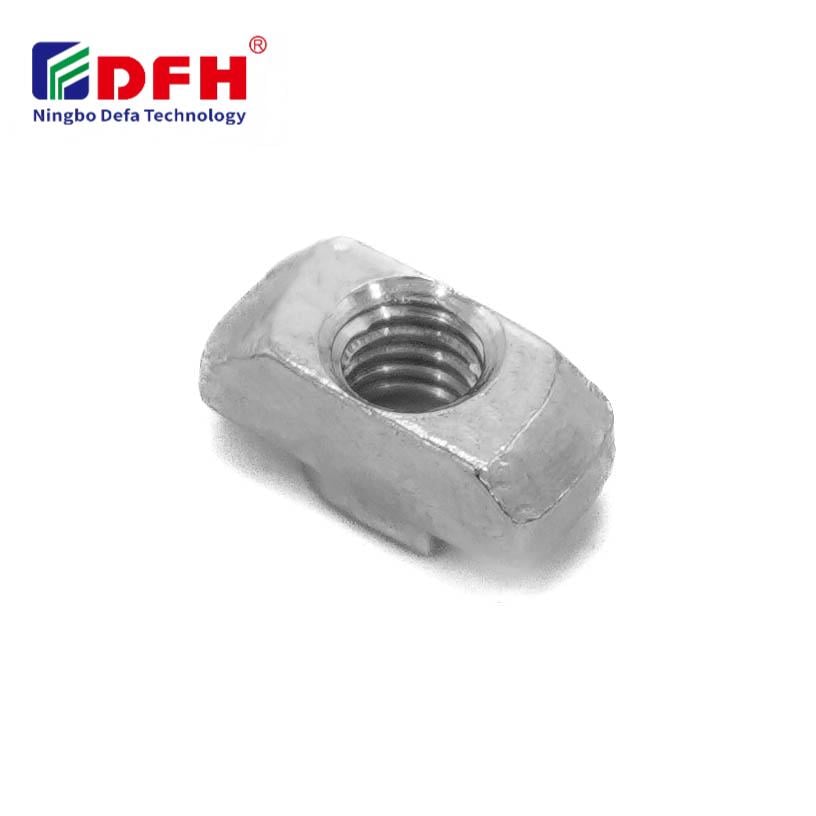
Screws are fundamental components in mechanical assembly and construction, serving as primary fasteners across countless industries and applications. Understanding the different screw types available is essential for engineers, manufacturers, and builders who need to select the right fastening solution for their specific projects. Each screw design offers unique advantages based on its thread profile, head style, material composition, and intended application, making proper selection critical to project success and safety.
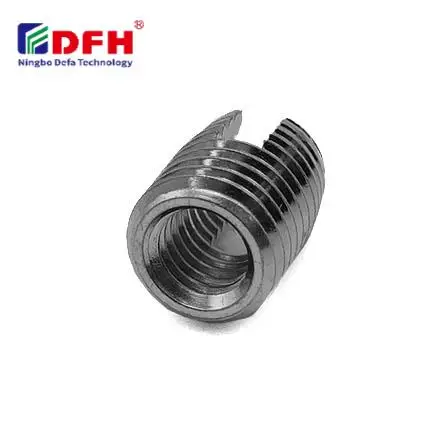
The classification of Screws depends on multiple factors including their construction method, thread pattern, head configuration, and intended use environment. Industrial fasteners span a wide spectrum, from simple wood screws to complex precision instruments requiring specialized threaded fastening solutions. Selecting appropriate bolt types for your application ensures structural integrity, prevents component failure, and optimizes assembly efficiency across manufacturing and construction contexts.
Machine screws represent one of the most commonly used fasteners in industrial assembly processes. These fasteners feature uniform threads that extend nearly to the head, providing consistent grip and load distribution across threaded holes. Machine screws come in various head styles including pan, flat, round, and fillister configurations, each designed for specific mounting requirements and aesthetic preferences. The precision engineering of machine screws makes them ideal for applications requiring accuracy and repeatability in manufacturing environments.
These fasteners are typically used with pre-threaded holes or nut combinations, distinguishing them from self-tapping alternatives. Machine screws come in metric and imperial sizes, with thread specifications that comply with international standards for interchangeability and reliability. The material options for machine screws include steel, stainless steel, and brass, allowing engineers to select fasteners suited to corrosive environments or specific mechanical requirements. Proper torque specification during installation ensures optimal performance and longevity of bolted connections.
Self-tapping screws eliminate the need for pre-drilled holes or nuts, creating their own thread paths as they penetrate materials like plastic, aluminum, and sheet metal. These specialized fasteners reduce assembly time and labor costs significantly compared to traditional threaded fastening methods that require additional preparation steps. Self-tapping screws feature sharp thread designs that cut into material while simultaneously forming thread engagement, providing secure connections in diverse manufacturing scenarios. Their ability to function across multiple material types makes them invaluable bolt types for flexible production environments.
The efficiency gains from using self-tapping screws extend beyond initial assembly to include reduced inventory complexity and lower training requirements for assembly technicians. Applications range from electronics enclosures to automotive body panels, where speed and cost reduction directly impact production economics. Self-tapping screws come in various lengths and gauges, with specialized designs for different material hardness levels ensuring reliable performance across application ranges.
Wood screws represent a distinct category of fasteners designed specifically for timber construction, featuring coarser thread patterns optimized for wood grain engagement. These fasteners excel in applications where material deformation and thread lock characteristics are essential for maintaining structural integrity over extended periods. Construction professionals prefer wood screws for their superior holding power in softwood and hardwood applications, combining cost efficiency with reliable performance. The tapered design of traditional wood screws facilitates easier penetration while developing strong mechanical bonds with wood fibers.
Modern wood screw innovations include deck screws with corrosion-resistant coatings and composite material compatibility features. These advanced bolt types accommodate contemporary construction demands where durability and environmental resistance prove critical. Fasteners designed for outdoor wood applications incorporate stainless steel construction and specialized anti-corrosion treatments, extending service life significantly in weathered environments. The proper selection of wood-specific fasteners ensures structural longevity and aesthetic appeal in residential and commercial construction projects.
Aerospace, medical device, and precision instrumentation industries require specialized fasteners manufactured to exacting tolerances and material specifications. These critical fasteners must demonstrate consistent performance under extreme conditions including temperature fluctuations, vibration, and corrosive environments. Threaded fastening solutions for precision applications often incorporate exotic materials such as titanium, Inconel, and specialized stainless steel alloys ensuring reliability in mission-critical scenarios. Quality assurance processes for precision fasteners include rigorous testing protocols and documentation requirements that exceed standard commercial specifications.
High-performance fasteners designed for aerospace and medical applications represent the premium segment of the fastener industry, commanding specialized manufacturing capabilities and strict regulatory compliance. Engineers selecting bolt types for these applications must consider factors beyond basic strength, including compatibility with adjacent materials, thermal expansion coefficients, and electromagnetic properties. The investment in appropriate precision fasteners yields significant returns through improved product reliability, reduced warranty costs, and enhanced customer satisfaction metrics.
Material selection for fasteners fundamentally impacts performance longevity in challenging environments where corrosion and degradation threaten assembly integrity. Stainless steel fasteners provide superior corrosion resistance compared to carbon steel alternatives, making them essential for marine, coastal, and chemically aggressive applications. Various stainless steel grades offer different performance characteristics, with 304 stainless providing cost-effective general corrosion resistance while 316 grades deliver superior performance in highly corrosive marine environments. The selection of appropriate bolt types based on environmental conditions directly influences maintenance requirements and total cost of ownership throughout project lifecycles.
Specialized coatings and plating techniques enhance fastener performance in specific environments, including zinc plating for general corrosion protection and nickel plating for specialized industrial applications. Hot-dip galvanizing provides exceptional durability for outdoor construction fasteners subjected to extended weathering exposure. Engineers must balance material costs against expected service environments, selecting threaded fastening solutions that optimize economic performance while maintaining required durability standards. Proper material specification prevents premature failure and costly replacement cycles that compromise project economics and safety.
Different industrial applications demand unique fastener characteristics reflecting specific performance criteria and operational constraints. High-temperature applications require special alloy fasteners maintaining strength and dimensional stability under extreme thermal stress. Vibration-prone environments benefit from self-locking screw designs and specialized washers that prevent loosening during repetitive dynamic loading. Chemical processing facilities necessitate fasteners resistant to corrosive liquid and gas exposure, often requiring exotic material specifications and specialized manufacturing processes.
Load-bearing applications demand fasteners with precise tensile strength ratings, verified through standardized testing protocols ensuring consistent performance. Electrical applications require fasteners with specific conductive properties and compatibility with component materials to prevent galvanic corrosion. The comprehensive evaluation of application requirements ensures proper fastener selection, preventing performance failures and associated safety risks. Consultation with fastener manufacturers and engineering specialists helps optimize fastener selection for complex applications combining multiple performance criteria.
Fasteners encompass a broader category including screws, bolts, rivets, and specialized connectors, each designed for specific applications and load requirements. While screws typically feature integrated heads and self-contained fastening mechanisms, bolts generally require companion nuts for assembly. The classification differences reflect engineering design choices addressing specific assembly challenges, material constraints, and performance requirements. Understanding fastener distinctions enables proper component selection and reliable assembly outcomes across diverse industrial applications.
Proper bolt type selection requires evaluating multiple factors including material composition, environmental exposure, load requirements, and assembly method preferences. Begin by identifying the base material being fastened, as different materials respond differently to various screw designs and threaded fastening approaches. Consider environmental conditions including temperature extremes, moisture exposure, and chemical contact, selecting materials with proven performance records. Consult fastener specification standards and manufacturer technical documentation to ensure component compatibility and regulatory compliance throughout project implementation.
Threaded fastening integrity directly impacts structural safety, component longevity, and assembly reliability across all industrial applications. Proper thread engagement and material compatibility prevent loosening, stripping, and premature failure that compromise product performance. Advanced screw designs incorporate features preventing vibration-induced loosening and corrosion-related degradation, extending service life significantly. Rigorous fastener selection processes considering thread specifications, material properties, and environmental conditions establish foundations for robust and durable assembled products.
2026/09/30
Source aluminum profiles for versatile modular framing. Learn extrusion mechanics, strength benefits & corrosion resistance. Request details.
2026/09/30
Source aluminum profiles for construction projects. Learn structural framing, cladding & window benefits for maximum ROI. Download guide.
2026/09/30
Source optimal aluminum profile sizing techniques. Evaluate load, space, alloy, environment & cost factors to prevent deflection. Download guide.
2026/09/30
Struggling with fastener failures or rework? Master screw sizing by diameter, pitch, material, and load—plus industry-specific standards. Optimize reliability & compliance now.
2026/09/30
Source aluminum profiles for industrial engineering. Discover strength-to-weight ratios, corrosion resistance & 30% cost savings. Download guide.
2026/09/30
Source heat-resistant aluminum profile systems. Master thermal expansion science & stress management strategies for industrial builds. Download guide.