EN
EN
What is Aluminum Profile and How Does It Work?
2026/09/30
Source aluminum profiles for versatile modular framing. Learn extrusion mechanics, strength benefits & corrosion resistance. Request details.

2026/09/07
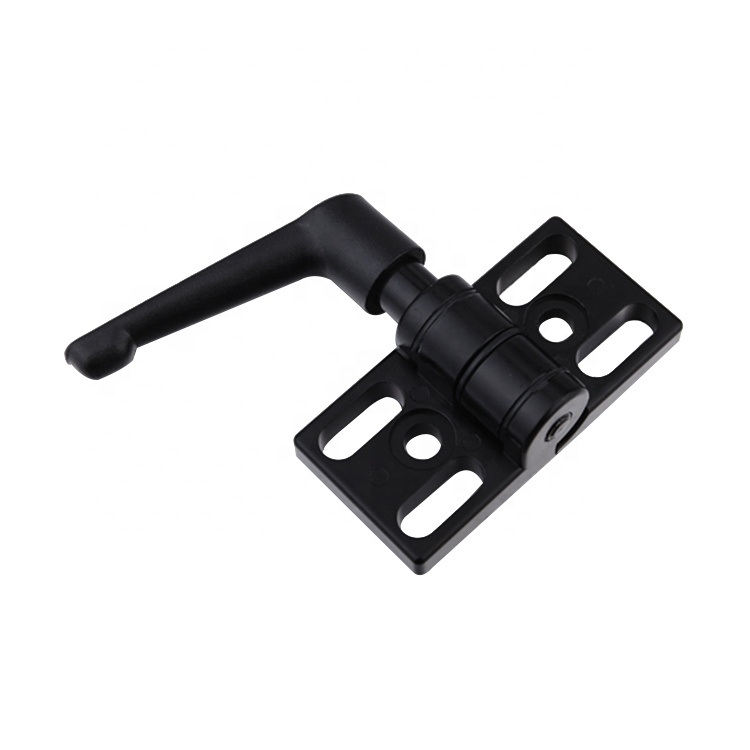
A hinge is one of the most fundamental hardware components in construction, furniture, and industrial design. Whether you're building a cabinet, hanging a door, or designing an access panel, understanding the different hinge types available is essential for selecting the right fastening solution. Each hinge type serves specific functions and is engineered to handle distinct loads, movement patterns, and environmental conditions. The choice of hinge directly impacts durability, ease of operation, and long-term performance of your installation.
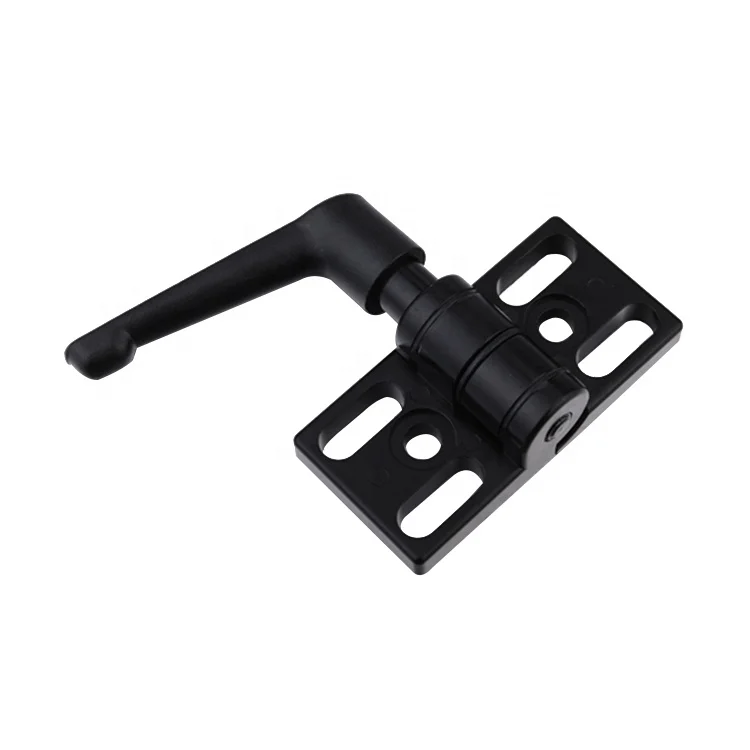
Industrial and architectural applications demand precision in hinge selection. A poorly chosen hinge can lead to misalignment, premature wear, squeaking, or complete failure under load. The modern market offers numerous hinge variations, each designed for particular use cases. Understanding these distinctions helps engineers, fabricators, and builders make informed decisions that balance cost, functionality, and longevity in their projects.
A door hinge is specifically engineered to support the weight and repetitive motion of swinging doors in residential, commercial, and industrial environments. The door hinge typically consists of two leaves joined by a pin that allows rotational movement around a vertical axis. These hinges must withstand constant opening and closing cycles while maintaining perfect alignment and smooth operation over years of service. The strength of a door hinge depends on the thickness of its leaves, the diameter of the pin, and the quality of the metal alloy used in manufacturing.
Commercial-grade door hinges are often manufactured from steel or stainless steel to resist corrosion and mechanical stress. A typical door hinge must support loads ranging from 50 to 300 pounds per unit, depending on the door weight and application. Installations in high-traffic areas demand reinforced door hinge designs with deeper knuckles and thicker material gauges. The bearing surface inside the door hinge knuckle must be smooth and precise to prevent binding and ensure decades of reliable performance without lubrication.
Proper installation of a door hinge is critical for optimal performance and safety. The hinge must be positioned vertically, with the pin oriented perpendicular to the door frame. Incorrect alignment of a door hinge can cause the door to sag, bind, or swing unevenly over time. Most doors require a minimum of two hinges, though larger or heavier doors benefit from three or more hinges to distribute load evenly and prevent flexing of the door leaf.
A cabinet hinge differs fundamentally from door hinges due to the lighter loads and space constraints typical of furniture and storage applications. The cabinet hinge is generally more compact and decorative, designed to swing cabinet doors smoothly while maintaining aesthetic appeal. Modern cabinet hinge designs include soft-close mechanisms, adjustable tension settings, and concealed mounting options that create seamless visual lines on contemporary furniture pieces. The cabinet hinge typically handles loads between 5 and 50 pounds, depending on the door size and material composition.
The cabinet hinge market has evolved significantly with innovations in adjustment capabilities and finishing options. Many contemporary cabinet hinge models feature three-dimensional adjustment screws that allow precise alignment after installation. These adjustments compensate for manufacturing tolerances in cabinet frames and ensure that cabinet doors close quietly and align perfectly with adjacent drawers and panels. The cabinet hinge often incorporates ball bearings or roller systems to reduce friction and extend service life in high-use kitchen and office environments.
Cabinet hinge construction materials range from soft-close steel designs to zinc-plated varieties that offer corrosion resistance at economical price points. Premium cabinet hinge options include stainless steel and powder-coated finishes that coordinate with modern interior design trends. The finishing of a cabinet hinge not only affects durability but also contributes to the overall visual quality of the installed furniture. Many manufacturers produce cabinet hinge styles that match contemporary hardware trends, allowing designers to select from satin nickel, polished chrome, oil-rubbed bronze, and matte black finish options.
A pivot hinge represents an advanced engineering solution for applications requiring rotation around a single point rather than the traditional two-point support of conventional hinges. The pivot hinge concentrates the load at top and bottom mounting locations, allowing the door or panel to rotate smoothly on a vertical axis. This design is particularly valuable in modern architectural installations where the appearance must remain clean and minimalist, as the pivot hinge can be completely concealed within the door frame and surrounding wall structure. The pivot hinge accommodates heavier doors and panels while maintaining elegant visual proportions that conventional door hinge installations cannot achieve.
The pivot hinge design distributes loads more efficiently than traditional leaf-and-pin configurations, reducing stress on any single component. This load distribution extends service life and minimizes maintenance requirements in commercial environments with high-frequency door use. A pivot hinge can support doors weighing up to 500 pounds or more in heavy-duty applications, making it the preferred solution for glass partition systems, oversized timber doors, and specialized industrial access panels.
Installing a pivot hinge requires more precision than conventional hinge systems, as the mounting must be perfectly vertical and aligned to ensure smooth operation. The pivot hinge typically incorporates adjustable tension mechanisms that allow fine-tuning of the door's opening and closing speed. Proper floor and header preparation is essential when installing a pivot hinge, as any misalignment will cause binding or uneven wear. Maintenance of a pivot hinge involves periodic inspection of the bearing surfaces and occasional lubrication of the pivot points to maintain smooth operation throughout its service life.
The choice between a door hinge, cabinet hinge, and pivot hinge depends on the load capacity required, frequency of use, aesthetic preferences, and installation constraints. A door hinge works best for standard entry doors and heavy panels, a cabinet hinge suits furniture and lightweight access doors, while a pivot hinge excels in architectural applications requiring concealed mounting or support for extra-heavy doors. Consider the door weight, the mounting surface material, the desired finish, and whether adjustability or soft-close features are necessary for your specific project.
A cabinet hinge is not suitable for standard door applications because it lacks the structural capacity and load-bearing capability of a properly rated door hinge. Cabinet hinges are engineered for lighter loads typical of furniture, while door hinges include reinforced leaves and thicker pins designed to handle the weight and constant movement of entry doors. Using an undersized cabinet hinge on a door will result in premature failure, sagging, and potential safety hazards. Always select hinges rated for the specific door weight and application requirements.
Most quality hinges require minimal maintenance beyond occasional visual inspection for signs of wear or corrosion. A well-installed door hinge or cabinet hinge can last 10 to 20 years or longer with normal use. Pivot hinge systems may require periodic lubrication of bearing points every 2 to 3 years in high-use commercial settings. If a hinge begins to squeak, bind, or shows visible rust or deterioration, replacement should be scheduled promptly to prevent door misalignment and structural damage to surrounding frames.
2026/09/30
Source aluminum profiles for versatile modular framing. Learn extrusion mechanics, strength benefits & corrosion resistance. Request details.
2026/09/30
Source aluminum profiles for construction projects. Learn structural framing, cladding & window benefits for maximum ROI. Download guide.
2026/09/30
Source optimal aluminum profile sizing techniques. Evaluate load, space, alloy, environment & cost factors to prevent deflection. Download guide.
2026/09/30
Struggling with fastener failures or rework? Master screw sizing by diameter, pitch, material, and load—plus industry-specific standards. Optimize reliability & compliance now.
2026/09/30
Source aluminum profiles for industrial engineering. Discover strength-to-weight ratios, corrosion resistance & 30% cost savings. Download guide.
2026/09/30
Source heat-resistant aluminum profile systems. Master thermal expansion science & stress management strategies for industrial builds. Download guide.