EN
EN
What is Aluminum Profile and How Does It Work?
2026/09/30
Source aluminum profiles for versatile modular framing. Learn extrusion mechanics, strength benefits & corrosion resistance. Request details.

2026/09/23
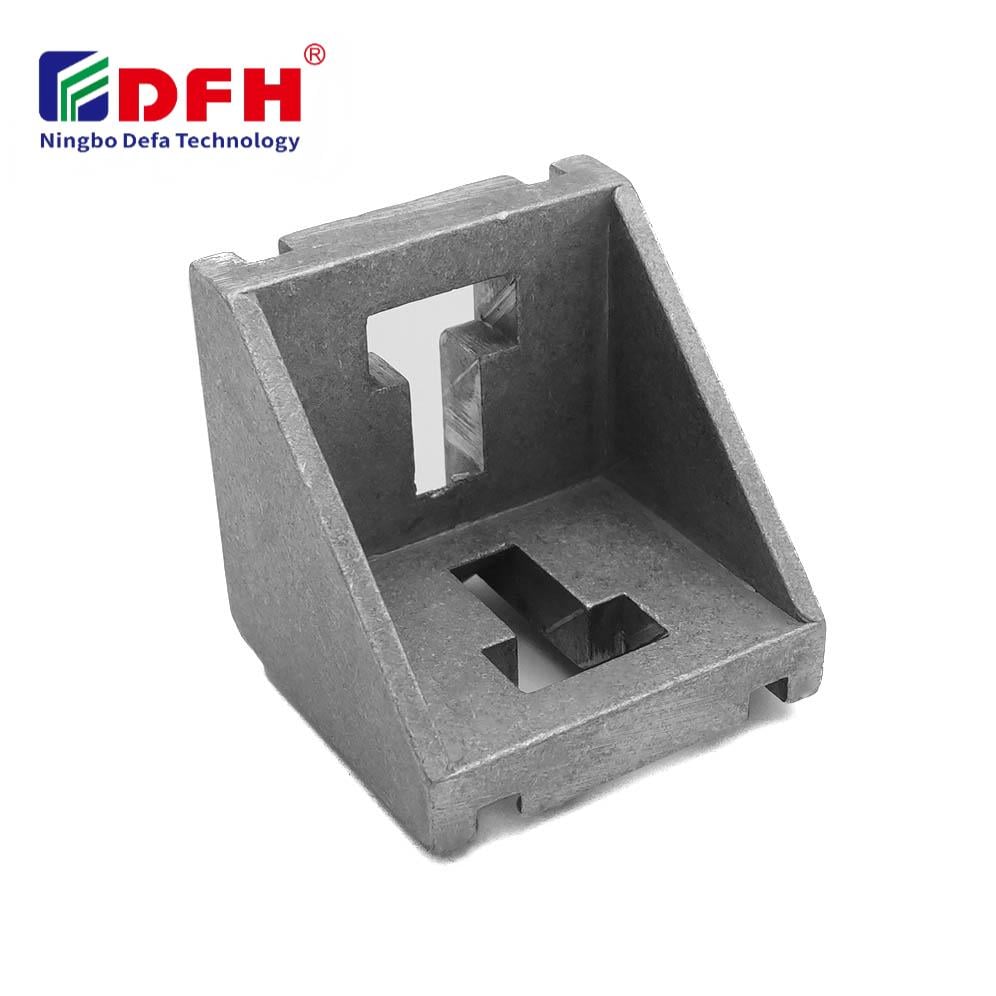
Angle connectors form the backbone of structural assemblies across manufacturing, construction, and equipment fabrication industries. Proper assembly of these critical components directly influences structural integrity, load-bearing capacity, and overall system reliability. Understanding the best practices for angle connector assembly ensures your projects meet safety standards, reduce rework costs, and extend equipment lifespan. This guide provides industrial professionals with actionable insights into achieving consistent, high-quality results with angle connectors in real-world applications.
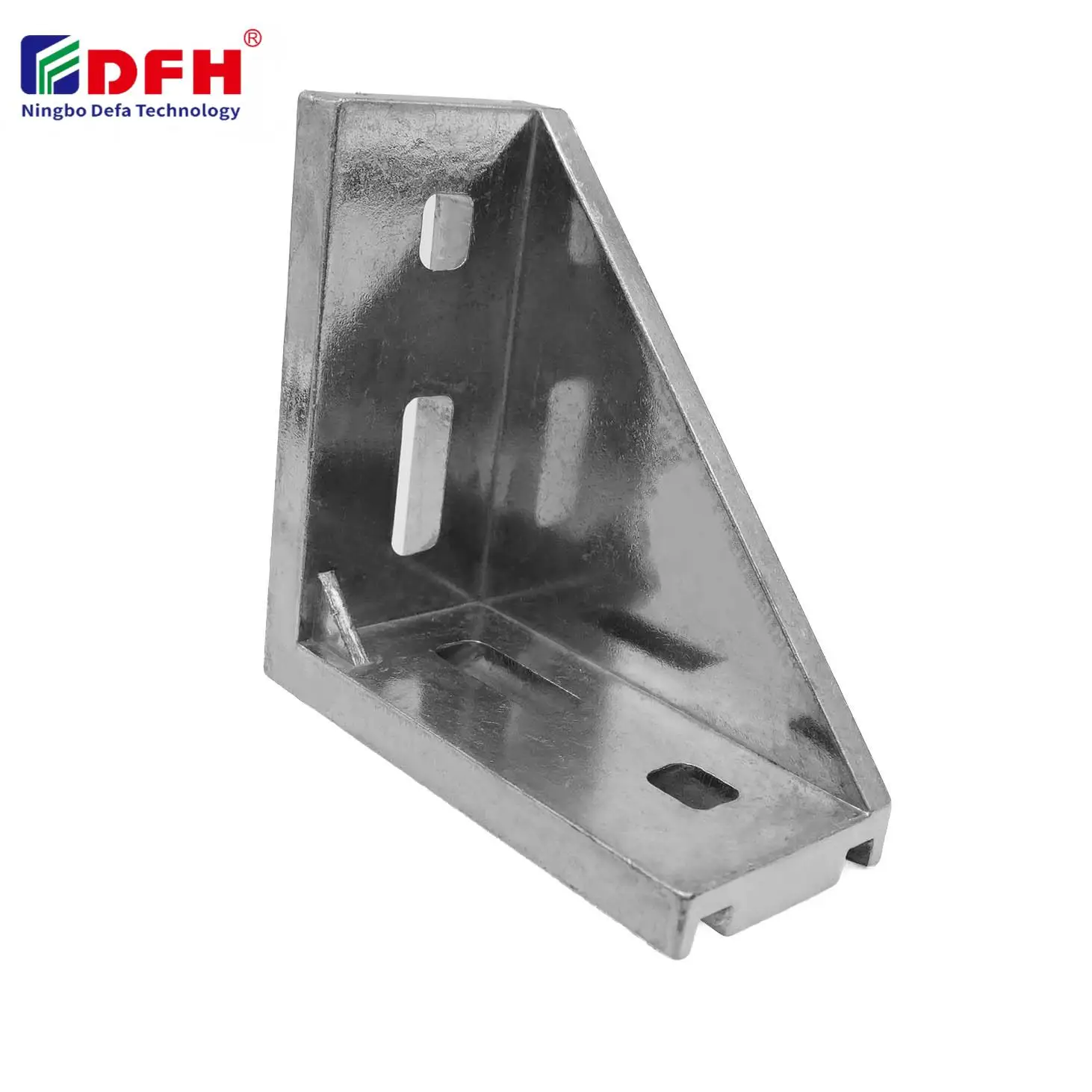
Assembly quality begins before fasteners are ever installed. Material preparation, alignment verification, and component inspection form the foundation of successful angle connector implementation. When corner fasteners and 90 degree joints are assembled using proven techniques, failure rates drop significantly and maintenance demands decrease. This article walks through preparation, installation, quality verification, and troubleshooting strategies to help you optimize every stage of the assembly process.
Before working with angle connectors, inspect all components for surface damage, corrosion, or manufacturing defects. Clean mounting surfaces thoroughly to remove dust, oil, and debris that could compromise connection strength. Right angle brackets must be verified for dimensional accuracy using precision measuring tools. Check that fastener holes align perfectly with mounting points, and confirm that all materials meet specified hardness and material composition standards. This inspection phase typically takes 10 to 15 minutes per assembly but prevents costly failures later in the installation timeline.
Store corner fasteners in climate-controlled environments to minimize oxidation and dimensional drift. Humidity exposure can cause surface corrosion that affects fastener grip and load distribution across 90 degree joints. Keep 90 degree joints and associated fasteners in sealed containers until installation time. Temperature fluctuations should be minimized, as thermal expansion and contraction can alter fit tolerances. For outdoor or corrosive environments, select corrosion-resistant angle connectors manufactured from stainless steel or appropriately coated materials to ensure long-term performance.
Proper alignment is critical when installing angle connectors in structural frameworks. Use alignment jigs or laser positioning tools to ensure corner fasteners sit perpendicular to mounting surfaces within 0.5 degrees of tolerance. Secure the first fastener lightly before fully tightening, allowing opportunity for fine adjustment if needed. Right angle brackets must maintain consistent spacing from adjacent components to ensure uniform load distribution. Check alignment from multiple planes before final fastener torque application to prevent misalignment that becomes difficult to correct after full installation.
Follow manufacturer torque specifications precisely when tightening fasteners that secure 90 degree joints. Undertightening reduces clamp force and allows micro-movement that causes premature wear and failure. Overtightening introduces stress concentrations that crack fasteners or deform component geometry. Use calibrated torque wrenches to achieve consistent results across all corner fasteners in an assembly. Install fasteners in a cross-pattern or star sequence rather than sequential patterns to achieve uniform clamping pressure across angle connectors. For critical applications, apply threadlocker compounds to prevent vibration-induced loosening while maintaining eventual disassembly capability.
After angle connector assembly, verify that all fasteners remain tight and no visible gaps exist between components. Perform a visual inspection for alignment deviations, surface damage from assembly tools, or incomplete seating of right angle brackets. Measure critical dimensions to confirm the assembled structure matches design specifications within acceptable tolerances. Check that corner fasteners show no signs of slipping or rotation, and confirm that 90 degree joints maintain consistent angular relationships across the assembly. Document all measurements in quality logs to establish baseline performance data for future comparison and trend analysis.
Establish regular inspection schedules to monitor angle connector performance over equipment lifetime. Vibration exposure, thermal cycling, and operational loading all affect fastener preload and connection integrity over time. Schedule periodic fastener retightening cycles, particularly in high-vibration environments, to maintain consistent clamping force in corner fasteners and 90 degree joints. Listen for squeaking, creaking, or rattling sounds that indicate loosening or micro-slipping within angle connectors. Temperature monitoring near connection points helps identify unexpected thermal growth that signals excessive friction or inadequate fastener performance, allowing corrective action before failure occurs.
Premature failure typically results from inadequate fastener torque, misalignment during installation, corrosion from environmental exposure, or insufficient material grade selection for applied loads. Poor surface preparation that traps contaminants under corner fasteners reduces connection strength and promotes micro-movement. Using incompatible fastener materials that corrode or seize within 90 degree joints creates stress concentration points that crack under load cycling. Under-specification of fastener diameter or material strength relative to actual operational loads also causes sudden failure after prolonged service.
Fastener selection depends on applied loads, load type (tension, shear, combined), material properties, and environmental conditions affecting your angle connectors. Calculate expected loads using structural analysis or reference application guidelines provided by fastener and corner fastener manufacturers. Consider safety factors of 2 to 4 depending on application criticality and consequence of failure. Consult engineering standards such as ISO or ASME guidelines that specify fastener grades and specifications for different loading scenarios with 90 degree joints. When uncertain, consult with structural engineers or fastener suppliers to ensure your right angle brackets receive appropriately sized and specified fasteners.
Reusability of corner fasteners and angle connectors depends on prior loading history, material fatigue condition, and fastener integrity after removal. If 90 degree joints show no visible deformation, cracking, or surface damage, they may often be reinstalled using new fasteners of the same specification. However, fasteners themselves typically cannot be safely reused after removal, as removal torque and fastener preload history may have altered material properties and clamping capacity. Always replace fasteners with new components rated for the same load specification when reassembling angle connectors to maintain structural reliability and safety standards.
2026/09/30
Source aluminum profiles for versatile modular framing. Learn extrusion mechanics, strength benefits & corrosion resistance. Request details.
2026/09/30
Source aluminum profiles for construction projects. Learn structural framing, cladding & window benefits for maximum ROI. Download guide.
2026/09/30
Source optimal aluminum profile sizing techniques. Evaluate load, space, alloy, environment & cost factors to prevent deflection. Download guide.
2026/09/30
Struggling with fastener failures or rework? Master screw sizing by diameter, pitch, material, and load—plus industry-specific standards. Optimize reliability & compliance now.
2026/09/30
Source aluminum profiles for industrial engineering. Discover strength-to-weight ratios, corrosion resistance & 30% cost savings. Download guide.
2026/09/30
Source heat-resistant aluminum profile systems. Master thermal expansion science & stress management strategies for industrial builds. Download guide.