EN
EN
What is Aluminum Profile and How Does It Work?
2026/09/30
Source aluminum profiles for versatile modular framing. Learn extrusion mechanics, strength benefits & corrosion resistance. Request details.

2026/09/09
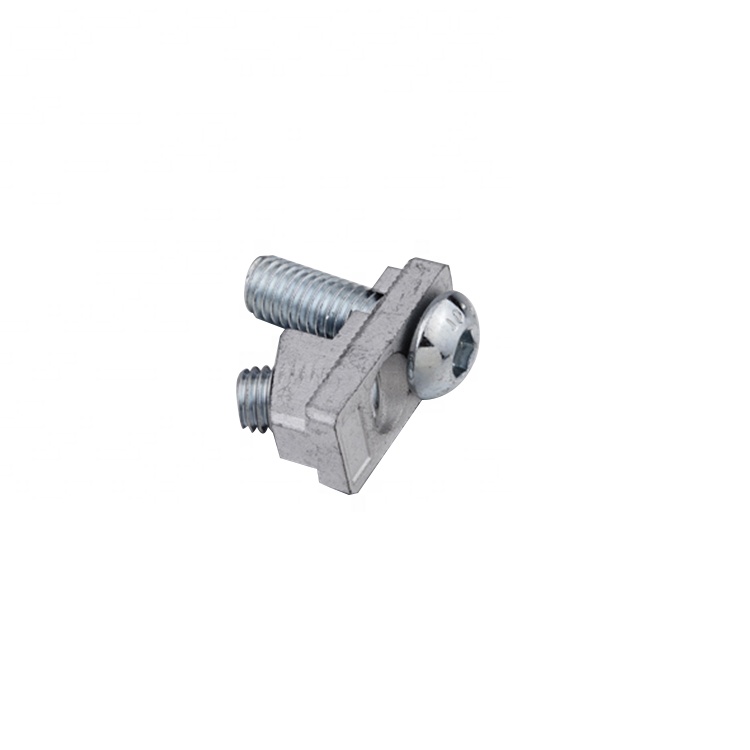
Plate connectors are essential components in modern construction, manufacturing, and structural engineering. These specialized connection hardware solutions serve as critical fastening elements that join beams, columns, braces, and other structural members with precision and reliability. Understanding what plate connectors are and recognizing their diverse applications is fundamental for engineers, contractors, and facility managers who depend on structural integrity and safety in their projects.
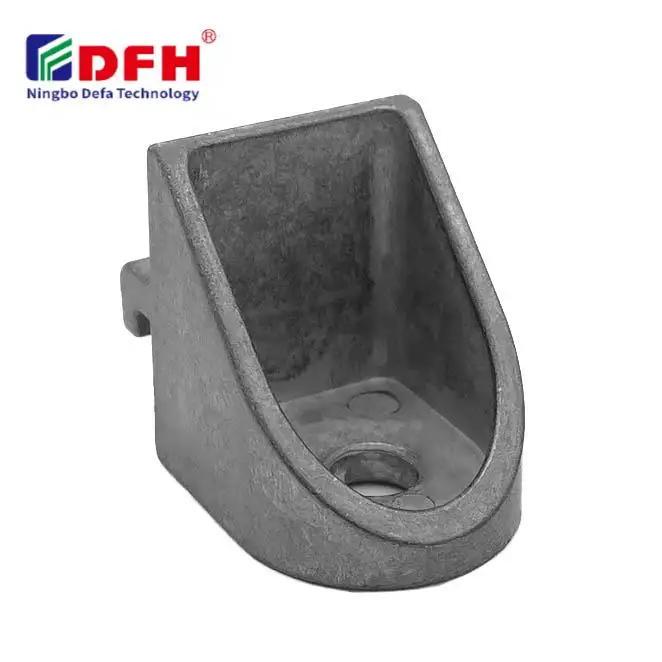
Plate connectors function as mechanical bridges that distribute loads uniformly across connection points, preventing stress concentration and structural failure. These load-bearing connectors are manufactured from high-grade steel, aluminum, or composite materials, each selected based on environmental conditions, load requirements, and project specifications. The versatility and reliability of plate connectors make them indispensable across industries ranging from commercial construction to industrial infrastructure, renewable energy systems, and specialized manufacturing environments.
Plate Connectors are flat or formed metal components engineered to create secure connections between structural members. These components typically feature strategically positioned bolt holes, welding surfaces, or adhesive attachment zones that allow them to bond steel frames, aluminum profiles, composite panels, and other structural materials. The design of plate connectors prioritizes both strength and precision, ensuring that loads are transferred efficiently without creating weak points or stress concentrations in the overall structure.
The effectiveness of connection hardware solutions depends significantly on material selection. High-tensile steel plates offer maximum strength for demanding industrial applications, while galvanized finishes provide corrosion resistance in outdoor or chemically harsh environments. Load-bearing connectors designed with reinforced edges, gussets, or internal bracing distribute forces more evenly, reducing the risk of localized failure. Engineers calculate plate thickness, bolt diameter, and spacing based on anticipated shear forces, tensile loads, and environmental exposure to ensure reliable performance throughout the structure's intended lifespan.
In commercial and residential construction, structural fastening systems incorporating plate connectors join primary load-bearing elements such as steel beams, columns, and lateral bracing systems. These connection hardware solutions enable architects and engineers to design flexible, efficient building frameworks that accommodate expansion and contraction from temperature changes. Multi-story buildings, commercial warehouses, and complex architectural structures rely on plate connectors to maintain alignment, stability, and safety throughout their operational life, often lasting decades without requiring structural intervention.
Industrial facilities depend on robust load-bearing connectors to assemble heavy machinery, conveyors, processing equipment, and production frames that operate continuously under demanding conditions. In manufacturing plants, plate connectors join structural components that support vibrating machinery, impact loads, and repetitive stress cycles. Structural fastening systems in these environments must resist corrosion from chemical exposure, abrasive dust, and moisture while maintaining dimensional accuracy and load capacity. The reliability of connection hardware solutions directly influences production uptime, worker safety, and operational efficiency.
Plate connectors excel at distributing concentrated loads across larger surface areas, preventing stress concentration that leads to premature failure. By spreading forces uniformly through connection hardware solutions, load-bearing connectors reduce the demand on individual fasteners and base materials. This load distribution capability enables designers to optimize structural designs, using lighter materials without compromising safety margins. The precision engineering inherent in plate connectors ensures predictable performance across different climates, temperature fluctuations, and operational scenarios.
Connection hardware solutions accommodate both welded and bolted assembly methods, providing flexibility in construction methodology and timeline requirements. Plate connectors facilitate rapid assembly on job sites, reducing labor costs and project schedules compared to alternative fastening approaches. When modifications or expansions become necessary, structural fastening systems using plate connectors can often be adjusted or reinforced without complete structural redesign. This adaptability extends the useful life of structures and equipment, providing long-term value and operational flexibility for property owners and operators.
Plate connectors incorporate dedicated connection hardware solutions that distribute loads more effectively than standard bolted joints alone. While simple bolt connections concentrate stress at fastener locations, structural fastening systems using plates spread forces across larger areas, reducing fastener stress and enhancing overall connection strength. Plate connectors also provide better alignment control, resist vibration-induced loosening, and accommodate more complex load scenarios common in industrial and architectural applications.
Corrosion, temperature cycling, humidity exposure, and chemical contamination significantly impact load-bearing connectors' longevity and safety. Outdoor applications and facilities in coastal or industrial areas require galvanized or stainless-steel connection hardware solutions to resist oxidation and maintain strength. Material selection, protective coatings, and design considerations that prevent moisture entrapment ensure that structural fastening systems maintain their load-bearing capacity throughout extended service periods in challenging environments.
Selecting appropriate load-bearing connectors requires analysis of anticipated loads, material compatibility, environmental exposure, and installation methods. Engineers calculate required plate thickness, bolt spacing, and material grade based on shear forces, tensile stresses, and safety factors. Connection hardware solutions must accommodate the specific structural materials being joined while accounting for thermal expansion, potential vibration, and maintenance accessibility to ensure long-term reliability and code compliance in structural fastening systems.
2026/09/30
Source aluminum profiles for versatile modular framing. Learn extrusion mechanics, strength benefits & corrosion resistance. Request details.
2026/09/30
Source aluminum profiles for construction projects. Learn structural framing, cladding & window benefits for maximum ROI. Download guide.
2026/09/30
Source optimal aluminum profile sizing techniques. Evaluate load, space, alloy, environment & cost factors to prevent deflection. Download guide.
2026/09/30
Struggling with fastener failures or rework? Master screw sizing by diameter, pitch, material, and load—plus industry-specific standards. Optimize reliability & compliance now.
2026/09/30
Source aluminum profiles for industrial engineering. Discover strength-to-weight ratios, corrosion resistance & 30% cost savings. Download guide.
2026/09/30
Source heat-resistant aluminum profile systems. Master thermal expansion science & stress management strategies for industrial builds. Download guide.