EN
EN
What is Aluminum Profile and How Does It Work?
2026/09/30
Source aluminum profiles for versatile modular framing. Learn extrusion mechanics, strength benefits & corrosion resistance. Request details.

2026/09/11
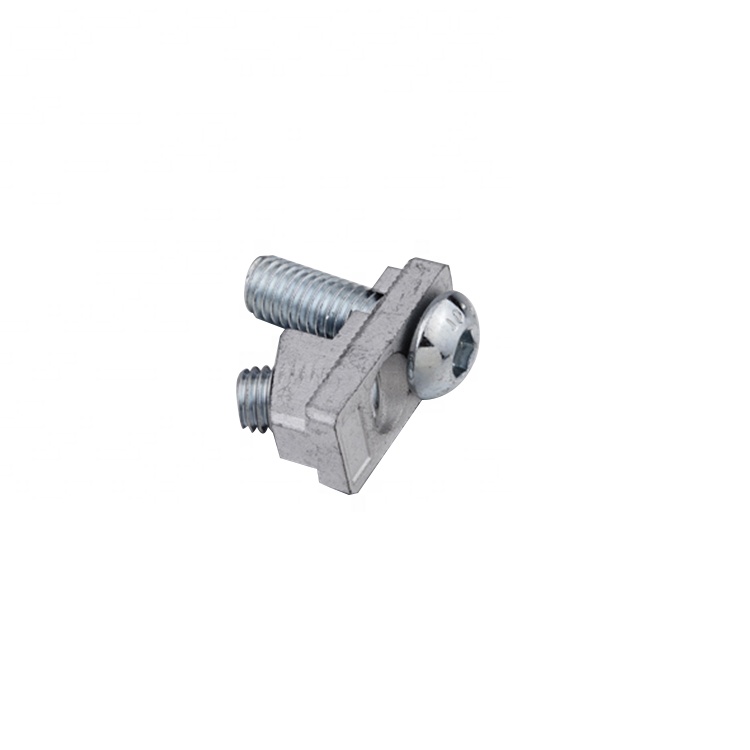
Plate connectors are fundamental components in modern structural fastening systems that enable secure, load-bearing connections between structural members. These metal plates work by transferring forces and stresses across connection points, ensuring structural integrity in everything from manufacturing equipment to building frameworks. Understanding how plate connectors function is critical for engineers, fabricators, and construction professionals who need to select the right connection hardware solutions for their applications.
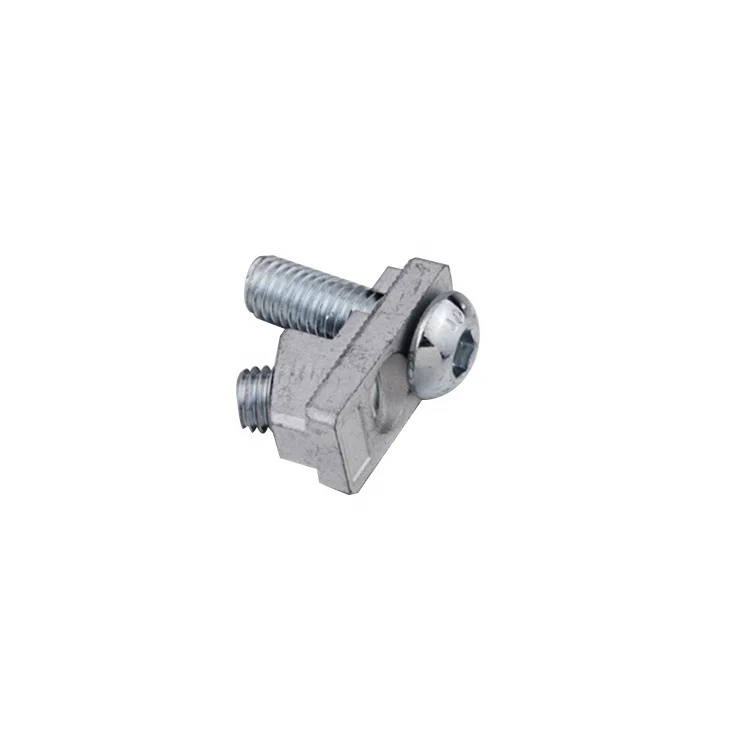
The effectiveness of Plate Connectors lies in their ability to distribute concentrated loads across larger surface areas, reducing stress concentration and improving overall system reliability. Whether used in machinery assembly, modular construction, or precision industrial frameworks, these connection hardware solutions provide engineers with a versatile toolset for creating durable, repeatable assemblies that meet strict performance requirements.
Plate connectors function as intermediary components that join primary structural elements together while maintaining load-bearing capacity. The core purpose of structural fastening systems is to create joints that can withstand tension, compression, shear, and bending forces without failure or excessive deformation. Plate connectors achieve this through precise geometry, material selection, and strategic positioning of attachment points that align forces along their intended paths.
In industrial applications, connection hardware solutions must meet exacting standards for accuracy and repeatability. Plate connectors enable manufacturers to achieve this consistency by providing standardized interface points that align components predictably. This eliminates costly alignment errors and rework, making load-bearing connectors an economical choice for high-volume production environments where precision directly impacts profitability and customer satisfaction.
Most plate connectors are fabricated from steel or aluminum alloys selected for their strength-to-weight ratio and resistance to fatigue. Steel plate connectors offer superior strength and are preferred in structural fastening systems where maximum load capacity is essential, while aluminum variants provide lighter weight solutions for applications where portability matters. The thickness, width, and surface treatment of the plate directly influence its performance characteristics and suitability for specific load ranges.
Surface treatments such as zinc plating, powder coating, or anodizing protect plate connectors from corrosion while maintaining dimensional accuracy. These protective layers ensure that connection hardware solutions maintain their functionality throughout extended service life, particularly in harsh industrial or outdoor environments where exposure to moisture and chemicals would otherwise compromise structural integrity.
Plate connectors transfer loads through a combination of bolt-hole interfaces, surface contact areas, and geometric design features that guide forces along predetermined paths. When bolts or fasteners pass through aligned holes in the plate connector and adjacent structural members, they create a rigid joint capable of resisting multiple load directions simultaneously. The friction between bolt heads and washer surfaces, combined with clamping force from tightened fasteners, ensures that connection hardware solutions remain secure under operational stress.
The effectiveness of load-bearing connectors depends critically on proper bolt tightening sequence and torque specification. Under-tightened fasteners allow micro-motion and joint creep, degrading structural fastening systems over time. Over-tightened bolts risk stripping threads or exceeding material yield strength, potentially causing catastrophic failure. Engineers must specify exact torque values and verification procedures to ensure that plate connectors perform reliably throughout their intended service life.
One of the primary advantages of plate connectors in structural fastening systems is their ability to distribute concentrated loads across wider surface areas, reducing peak stresses at individual fastener points. By enlarging the contact footprint, connection hardware solutions prevent localized crushing, tearing, or deformation that would otherwise occur if loads were applied directly to smaller attachment surfaces. This load distribution capability makes load-bearing connectors essential for applications involving dynamic loading, vibration, or shock forces.
Finite element analysis and computational modeling enable engineers to optimize plate connector geometry for specific load scenarios, ensuring that structural fastening systems perform predictably. Advanced design software can identify stress concentrations and suggest geometry modifications that improve load-carrying capacity while minimizing material usage and cost. This computational approach transforms plate connectors from static components into precisely engineered solutions tailored to unique application demands.
Plate connectors serve as the backbone of modular manufacturing systems, enabling rapid assembly and reconfiguration of production equipment. In automated systems, precision-engineered connection hardware solutions ensure that machine frames remain square, rigid, and properly aligned during operation and frequent repositioning. Load-bearing connectors reduce downtime associated with realignment and rework, directly impacting productivity and operational efficiency in competitive manufacturing environments.
The standardization enabled by plate connectors allows manufacturers to maintain consistent product quality while adapting assembly configurations for different product variants. Structural fastening systems based on modular plate connector designs can be modified quickly to accommodate specification changes without requiring complete equipment redesign, providing flexibility that protects capital investments and shortens product development cycles.
In building construction and civil infrastructure, plate connectors transfer loads between primary structural members, ensuring that buildings and bridges can safely support live loads, wind forces, and seismic events. Connection hardware solutions must comply with building codes and safety standards that specify minimum load ratings, testing procedures, and installation requirements. Load-bearing connectors in these applications undergo rigorous inspection and verification to ensure public safety and structural durability.
Architectural requirements often influence plate connector design, as visible connections must balance aesthetic considerations with structural necessity. Modern architectural trends increasingly showcase exposed structural fastening systems, making the visual appearance of connection hardware solutions an important design parameter alongside purely mechanical performance requirements.
Load capacity depends on plate material grade, thickness, bolt diameter, number of fasteners, and joint geometry. Structural fastening systems are rated based on the weakest link in the connection, whether that is bolt shear strength, plate bearing capacity, or fastener pull-through resistance. Engineers calculate load-bearing connectors' capacity by analyzing each potential failure mode and selecting the lowest resulting load limit as the safe working rating.
Proper installation of connection hardware solutions requires clean, flat mating surfaces free of dirt and mill scale that could prevent solid contact. Bolts must be tightened in a prescribed sequence using calibrated tools or ultrasonic verification methods to achieve target clamp loads specified by design engineers. Load-bearing connectors should be inspected regularly to verify that fasteners remain tight and no signs of fatigue cracking or permanent deformation have appeared during service.
Many modular structural fastening systems allow plate connectors to be reused in different configurations, provided the new application does not exceed the connector's rated load capacity and environmental limitations. Careful inspection for fatigue cracks, corrosion damage, or permanent bending must precede reuse to ensure that connection hardware solutions maintain their structural integrity. Some applications and regulatory environments restrict reuse of fasteners and load-bearing connectors, requiring certified new components for safety-critical applications.
2026/09/30
Source aluminum profiles for versatile modular framing. Learn extrusion mechanics, strength benefits & corrosion resistance. Request details.
2026/09/30
Source aluminum profiles for construction projects. Learn structural framing, cladding & window benefits for maximum ROI. Download guide.
2026/09/30
Source optimal aluminum profile sizing techniques. Evaluate load, space, alloy, environment & cost factors to prevent deflection. Download guide.
2026/09/30
Struggling with fastener failures or rework? Master screw sizing by diameter, pitch, material, and load—plus industry-specific standards. Optimize reliability & compliance now.
2026/09/30
Source aluminum profiles for industrial engineering. Discover strength-to-weight ratios, corrosion resistance & 30% cost savings. Download guide.
2026/09/30
Source heat-resistant aluminum profile systems. Master thermal expansion science & stress management strategies for industrial builds. Download guide.