EN
EN
What is Aluminum Profile and How Does It Work?
2026/09/30
Source aluminum profiles for versatile modular framing. Learn extrusion mechanics, strength benefits & corrosion resistance. Request details.

2026/09/28
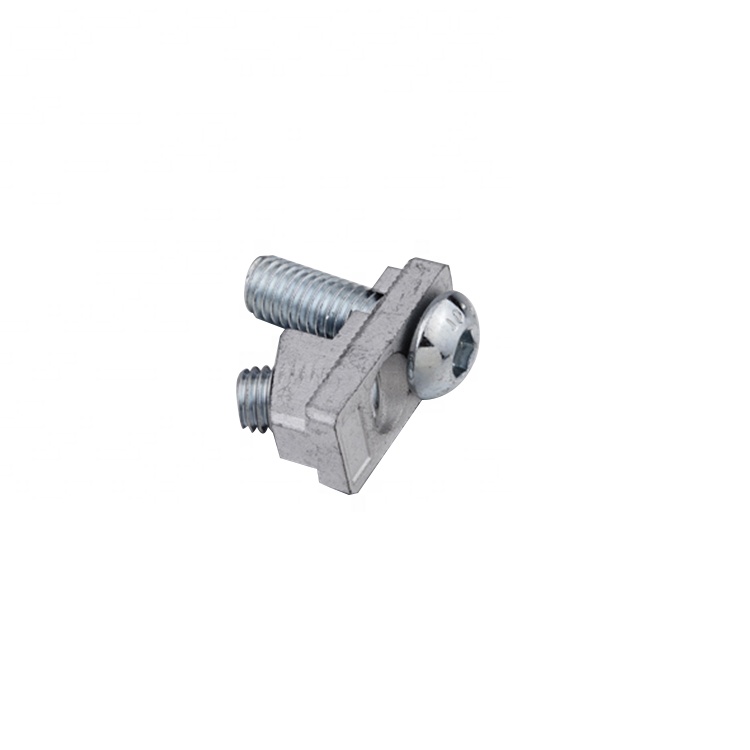
Plate connectors are essential components in modern industrial construction and assembly applications. These specialized fastening devices serve as critical connection points between structural elements, enabling reliable load transfer and structural integrity across multiple materials and configurations. Understanding what plate connectors are and how they function is fundamental for engineers, contractors, and manufacturers working with structural fastening solutions.
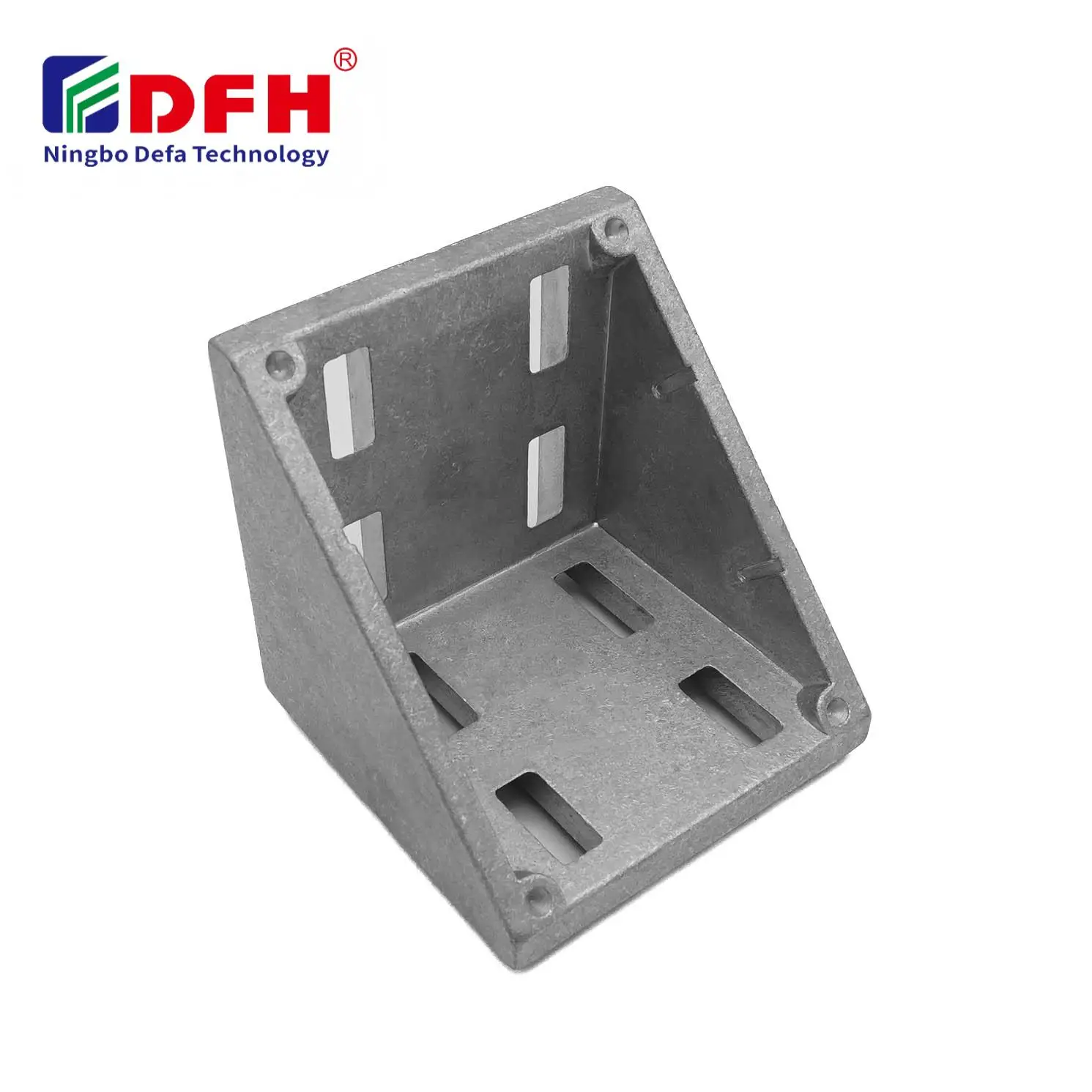
Plate connectors function as mechanical bridges that unite different structural members, distributing forces evenly across connection zones. They are engineered to handle tensile, compressive, and shear forces while maintaining dimensional stability under operational stress. The effectiveness of modular connection systems depends on precise design, material selection, and proper installation techniques that ensure long-term reliability and safety in demanding industrial environments.
Plate connectors typically consist of a solid metal plate with strategically positioned holes or slots designed to accommodate fasteners such as bolts, screws, or rivets. The plate itself is manufactured from high-strength materials including steel alloys, aluminum, or composite reinforced options, depending on the application requirements and environmental conditions. The thickness and width of the plate directly influence its load-bearing capacity and how effectively it can transmit forces through structural fastening solutions. Material selection depends on corrosion resistance, weight constraints, and compatibility with adjacent structural components.
The geometric design of Plate Connectors varies significantly based on their intended function within modular connection systems. Common configurations include flat plates, L-shaped brackets, T-shaped connectors, and gusseted designs that provide enhanced rigidity. The hole pattern and spacing must align precisely with the fasteners and the structural members being joined. Load-bearing junction components require careful calculation of hole diameter, pitch, and edge distances to ensure fasteners distribute loads uniformly without creating stress concentrations that could lead to premature failure.
Plate connectors function by creating a continuous load path that transfers forces from one structural member to another through multiple fastener connection points. When tensile forces are applied, the plate must resist being pulled apart while the fasteners anchor it securely to adjacent members. Compressive forces require the connector to maintain contact pressure and prevent buckling or lateral deflection. Shear forces—those acting parallel to the plate surface—are managed through friction between connected members and the shear capacity of individual fasteners. Understanding these mechanisms is essential for selecting appropriate structural fastening solutions for specific applications.
Effective modular connection systems minimize stress concentrations at fastener holes and connection edges through strategic plate geometry. Rounded corners, adequate edge distances, and properly proportioned gussets reduce the risk of crack initiation and propagation under cyclic loading. Engineers use finite element analysis and computational methods to optimize load-bearing junction components, ensuring that stress distributions remain within material capability limits. The design process considers both static loads and dynamic conditions such as vibration, thermal cycling, and environmental exposure that may affect long-term connector performance.
Plate connectors are widely used in structural steel frameworks, modular building systems, and industrial equipment assembly where reliable connections are critical. In manufacturing environments, modular connection systems enable rapid assembly and disassembly of machinery, work stations, and support structures. The adaptability of plate connector designs allows engineers to create customized structural fastening solutions that meet specific dimensional and functional requirements. Common applications include beam-to-column connections, truss assembly, machinery frame construction, and transport equipment manufacturing.
Different industries demand specialized plate connector configurations optimized for their unique operational conditions. Heavy industrial applications require load-bearing junction components capable of withstanding extreme forces, temperature variations, and corrosive environments. Aerospace and precision manufacturing applications demand connectors with tight dimensional tolerances and consistent material properties. Marine and offshore applications require special corrosion-resistant coatings and materials to ensure connector integrity in salt-water environments. The selection of appropriate connector type directly influences project reliability, safety compliance, and overall system longevity across diverse industrial sectors.
Plate connectors are typically manufactured from carbon steel, stainless steel, aluminum alloys, and sometimes composite materials. The choice depends on the required load-bearing capacity, environmental exposure, weight constraints, and cost considerations. Stainless steel is preferred for corrosive environments, aluminum for weight-critical applications, and carbon steel for maximum strength in standard industrial conditions. Each material offers distinct advantages for structural fastening solutions across different operational contexts and industry requirements.
Engineers calculate proper plate connector dimensions through load analysis, stress calculations, and material property evaluation. They must consider maximum anticipated forces in all directions, fastener shear capacity, plate bearing strength, and potential stress concentrations. Design standards and engineering codes provide guidance for calculating required plate thickness, hole sizes, and fastener spacing. The resulting modular connection system must safely support all intended loads while maintaining adequate safety factors for uncertainty and operational variability throughout the connector's service life.
Yes, plate connectors can function in dynamic environments when properly designed with fatigue resistance considerations. Load-bearing junction components for vibration applications require careful attention to fastener preload, joint design, and material selection to prevent cyclic failure. Engineers must evaluate fatigue strength rather than static strength alone, ensuring the connector withstands millions of load cycles without crack initiation. Structural fastening solutions for dynamic applications often incorporate lock washers, thread-locking compounds, or specialized fastener designs to maintain connection integrity and prevent loosening under repeated stress cycles.
2026/09/30
Source aluminum profiles for versatile modular framing. Learn extrusion mechanics, strength benefits & corrosion resistance. Request details.
2026/09/30
Source aluminum profiles for construction projects. Learn structural framing, cladding & window benefits for maximum ROI. Download guide.
2026/09/30
Source optimal aluminum profile sizing techniques. Evaluate load, space, alloy, environment & cost factors to prevent deflection. Download guide.
2026/09/30
Struggling with fastener failures or rework? Master screw sizing by diameter, pitch, material, and load—plus industry-specific standards. Optimize reliability & compliance now.
2026/09/30
Source aluminum profiles for industrial engineering. Discover strength-to-weight ratios, corrosion resistance & 30% cost savings. Download guide.
2026/09/30
Source heat-resistant aluminum profile systems. Master thermal expansion science & stress management strategies for industrial builds. Download guide.