EN
EN
What is Aluminum Profile and How Does It Work?
2026/09/30
Source aluminum profiles for versatile modular framing. Learn extrusion mechanics, strength benefits & corrosion resistance. Request details.

2026/09/17
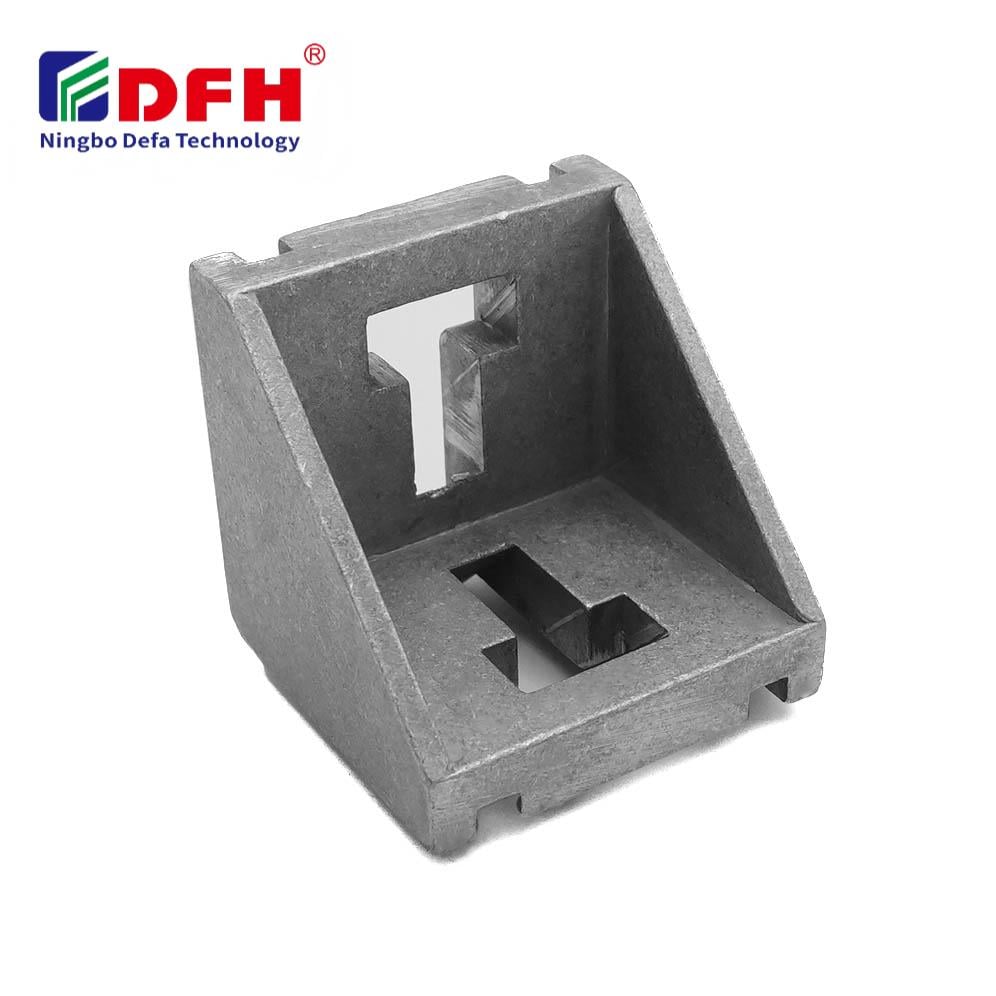
Leveling feet are essential components used to stabilize and balance equipment, machinery, and furniture on uneven surfaces. These adjustable devices ensure proper alignment and prevent wobbling, which can compromise both safety and performance. Whether deployed in industrial settings, commercial kitchens, or office environments, leveling feet address a fundamental problem: real-world floors are rarely perfectly flat. Understanding the purpose and application of leveling feet helps facility managers, engineers, and business owners make informed decisions about equipment installation and maintenance.
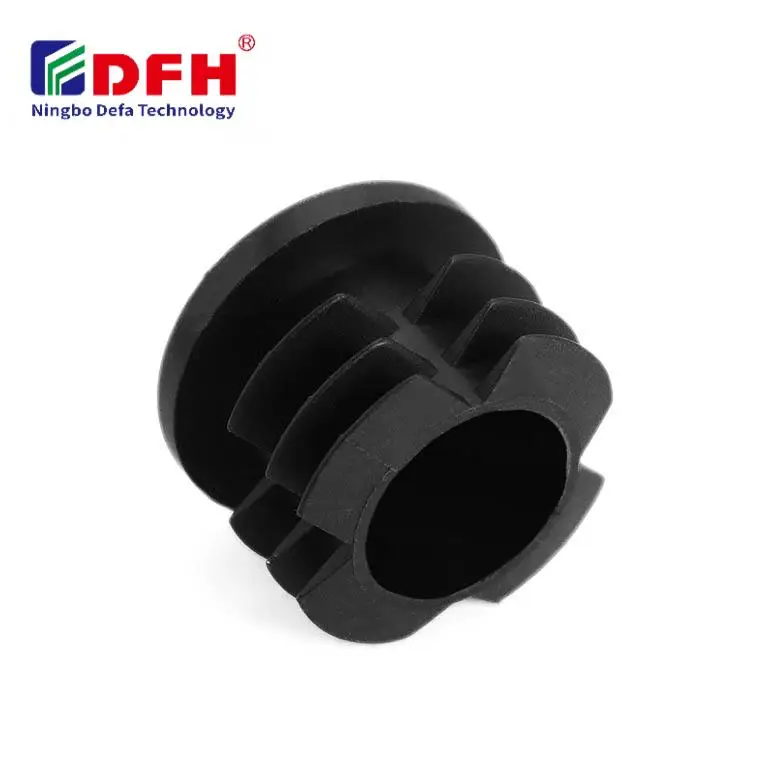
The primary function of leveling feet is to compensate for floor irregularities and provide stable support for heavy or sensitive equipment. Industrial leveling feet, for example, are critical in manufacturing plants where machinery must operate with precision and consistency. Furniture leveling feet serve similar purposes in offices and homes, preventing tables, cabinets, and workstations from rocking or tipping. By allowing vertical adjustment, leveling feet enable users to achieve perfect horizontal alignment regardless of the underlying floor condition, enhancing both operational safety and equipment longevity.
Industrial leveling feet play a vital role in factory and production environments where machinery precision directly impacts output quality. Heavy equipment such as CNC machines, presses, and conveyor systems must sit perfectly level to function correctly and safely. Uneven placement can cause vibration, misalignment, and premature wear on critical components. Industrial leveling feet typically feature robust construction with threaded studs and locking mechanisms, allowing operators to fine-tune equipment position on concrete floors that may have minor slopes or irregularities. This precision installation protects both the equipment investment and worker safety.
Beyond basic stability, industrial leveling feet minimize vibration transmission to surrounding structures and equipment. When machinery sits on adjustable feet rather than directly on the floor, vibration energy dissipates more effectively, reducing stress on bearings, seals, and fasteners. This benefit extends equipment lifespan and reduces maintenance frequency. Industrial operations also benefit from quieter work environments, as vibration dampening contributes to lower noise levels. Facilities that invest in proper leveling solutions report improved efficiency, fewer unplanned shutdowns, and better employee satisfaction due to reduced noise exposure.
Furniture leveling feet address everyday challenges in office settings where desks, filing cabinets, and workstations must remain stable on varied floor surfaces. Many commercial buildings have composite floors, carpeting, and legacy flooring that creates micro-level differences across rooms. Adjustable leveling feet on office furniture prevent rocking, which can distract workers and create safety hazards. Furniture leveling feet are typically smaller and more discreet than industrial models, using threaded pins or screw mechanisms that integrate seamlessly into chair bases, table legs, and cabinet bottoms. This solution is especially important for standing desks and workstations, where user safety depends on absolute stability.
Commercial kitchens and hospitality environments rely heavily on leveling feet for both safety and regulatory compliance. Cooking equipment, refrigeration units, and food preparation tables must maintain level surfaces to prevent food spills, ensure proper drainage, and meet health codes. Stainless steel leveling feet are preferred in these settings because they resist corrosion from moisture, cleaning chemicals, and acidic foods. Furniture leveling feet designed for kitchens often feature higher load-bearing capacities and sanitary designs that simplify cleaning. Proper leveling in food service environments directly supports operational efficiency, staff safety, and customer experience.
Selecting appropriate leveling feet requires evaluating several factors including equipment weight, floor type, environmental conditions, and intended use. Industrial leveling feet must support heavier loads and withstand factory conditions, while furniture leveling feet prioritize aesthetic integration and ease of adjustment. Material choice is critical: stainless steel suits moist or corrosive environments, while painted or zinc-plated steel works well in standard facilities. Adjustable leveling feet come in various adjustment ranges, typically from half an inch to several inches, allowing users to correct floors with different irregularity levels. Matching the adjustment range to your specific floor condition ensures optimal stability without over-extending or under-utilizing the feet.
Proper installation of leveling feet maximizes their effectiveness and ensures long-term performance. Begin by placing equipment or furniture on the feet without full tightening, then use a level tool to check the surface in multiple directions. Adjust each foot incrementally until the surface reads level, then lock all feet securely to prevent future movement. In industrial settings, document the final leveling configuration for maintenance records. Regular inspection ensures leveling feet remain tight and functional, especially in high-vibration environments. For furniture leveling feet, periodic checks after major floor cleaning or repositioning help maintain alignment. This preventive approach extends equipment life and maintains consistent operational performance across the facility.
Machinery and furniture require leveling feet because real-world floors are rarely perfectly flat. Even minor irregularities cause equipment to rock, wobble, or sit unevenly, which compromises safety, accelerates wear on components, and reduces operational efficiency. Industrial leveling feet compensate for floor variation while furniture leveling feet prevent tipping hazards and support proper alignment. Leveling feet are a cost-effective way to ensure equipment performs as designed regardless of floor conditions.
Adjustable leveling feet work on most standard floor types, including concrete, tile, vinyl, and carpet. However, material selection matters significantly. Industrial leveling feet on concrete withstand heavy loads, while furniture leveling feet on carpet need appropriate base designs to distribute weight effectively. The adjustment range of the feet must match the floor's irregularity level. Extremely soft or unstable surfaces may require specialized feet designs with wider base plates. Consulting equipment specifications and floor conditions ensures you choose feet suitable for your specific application.
Maintenance frequency for leveling feet depends on environment and usage intensity. In industrial settings with heavy machinery, check leveling feet quarterly to ensure tightness and alignment. Office furniture requires less frequent attention, typically during annual facility inspections or when equipment is moved. Environmental factors like temperature changes and vibration can gradually loosen feet connections. Regular visual inspection catches loose feet before they cause instability problems. Simple periodic tightening and level verification prevent costly equipment downtime and maintain safe working conditions throughout the facility's operational life.
2026/09/30
Source aluminum profiles for versatile modular framing. Learn extrusion mechanics, strength benefits & corrosion resistance. Request details.
2026/09/30
Source aluminum profiles for construction projects. Learn structural framing, cladding & window benefits for maximum ROI. Download guide.
2026/09/30
Source optimal aluminum profile sizing techniques. Evaluate load, space, alloy, environment & cost factors to prevent deflection. Download guide.
2026/09/30
Struggling with fastener failures or rework? Master screw sizing by diameter, pitch, material, and load—plus industry-specific standards. Optimize reliability & compliance now.
2026/09/30
Source aluminum profiles for industrial engineering. Discover strength-to-weight ratios, corrosion resistance & 30% cost savings. Download guide.
2026/09/30
Source heat-resistant aluminum profile systems. Master thermal expansion science & stress management strategies for industrial builds. Download guide.