EN
EN
What is Aluminum Profile and How Does It Work?
2026/09/30
Source aluminum profiles for versatile modular framing. Learn extrusion mechanics, strength benefits & corrosion resistance. Request details.

2026/09/02
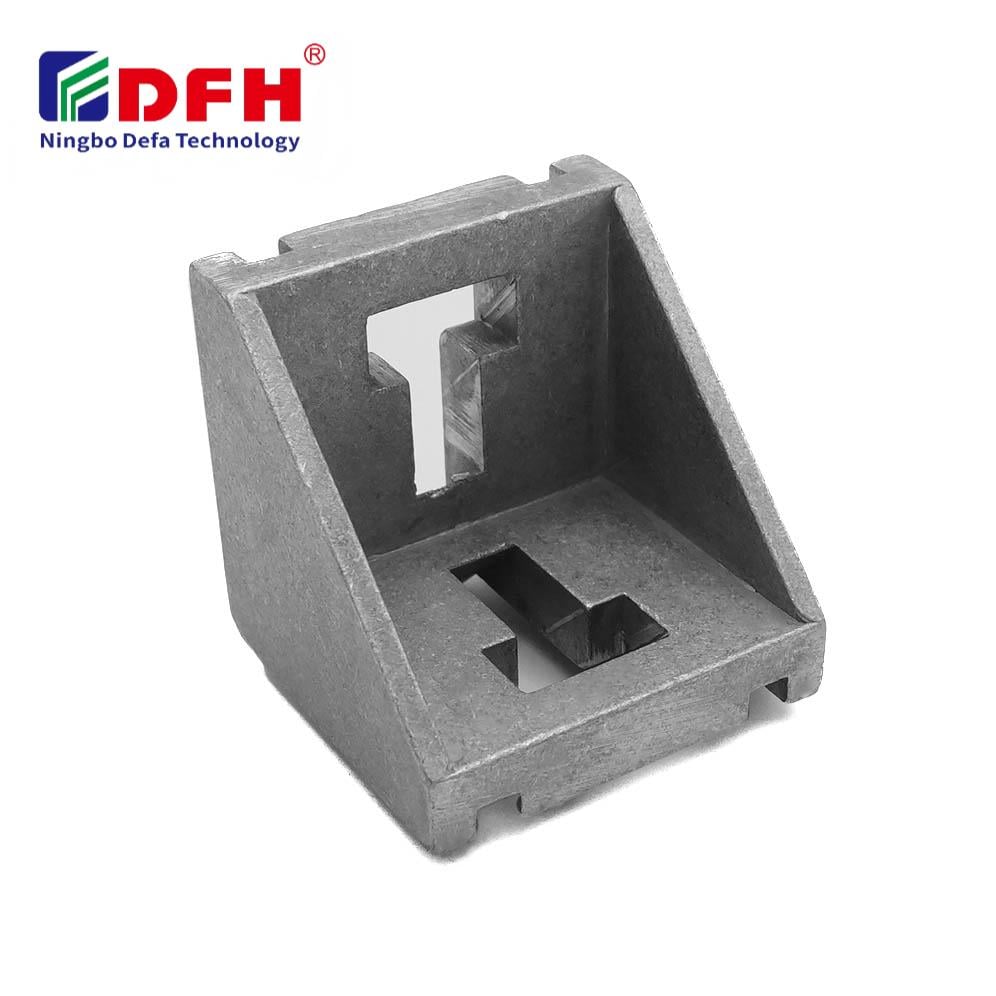
Leveling feet are mechanical components designed to stabilize equipment, machinery, and furniture by compensating for uneven floor surfaces. These precision devices ensure that tables, industrial machines, cabinets, and other structures sit perfectly level, eliminating wobbling, vibration, and premature wear. Understanding what leveling feet are and why they matter is essential for anyone managing equipment in manufacturing, hospitality, healthcare, or office environments where stability directly impacts performance and safety.
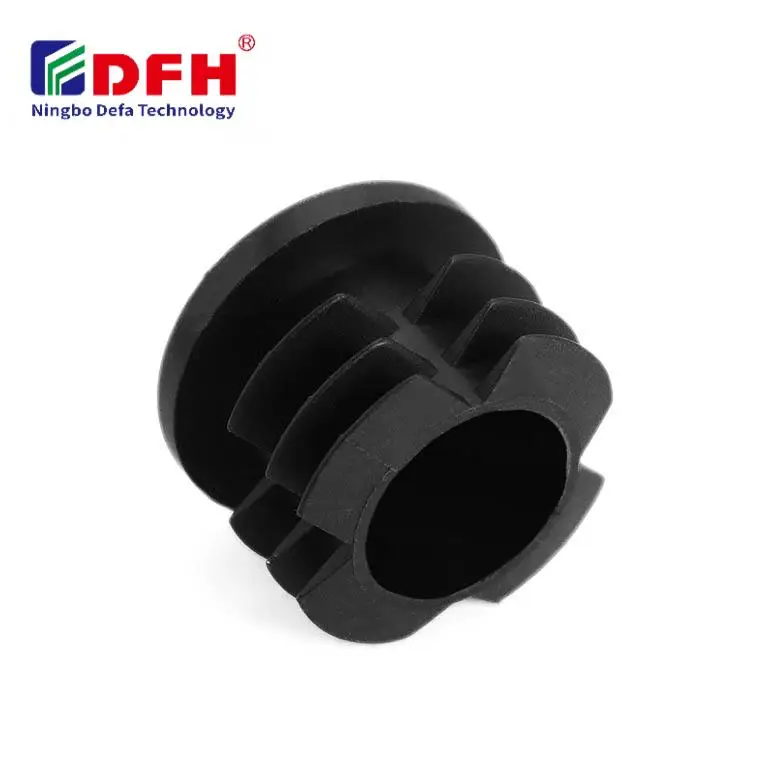
The presence of uneven floors is nearly universal in industrial and commercial spaces. Even concrete surfaces that appear level often have minor imperfections, slopes, and depressions. Without proper support solutions like adjustable leveling feet or furniture leveling pads, equipment becomes unstable, creating operational challenges and safety hazards. This guide explores the function of leveling feet, their practical benefits, and how to select the right equipment stabilizer feet for your specific needs.
Leveling feet, also called adjustable leveling feet or anti-vibration feet, are replaceable or adjustable components typically mounted on the base of equipment. They come in various materials including plastic, rubber, steel, and composite materials, each suited to different applications and load requirements. The primary function of leveling feet is to raise or lower specific points of contact between equipment and the floor, compensating for surface irregularities and ensuring even weight distribution across all support points.
Most adjustable leveling feet feature a threaded insert or screw mechanism that allows vertical adjustment without removing the equipment. This design enables technicians to fine-tune stability on-site, adapting to different floor conditions without requiring specialized tools or repositioning the entire machine. Furniture leveling pads work similarly, though they are often non-adjustable and rely on the height differential built into their construction to compensate for minor floor variations.
Standard fixed feet cannot adapt to uneven surfaces, leaving equipment prone to rocking and misalignment. In contrast, leveling feet provide adjustability and precision control. Equipment stabilizer feet are engineered to support heavier loads and provide greater stability than basic rubber feet, making them the preferred choice in industrial, medical, and commercial environments where precision and reliability are non-negotiable.
When equipment sits level, it operates more efficiently and reliably. Uneven surfaces cause machinery to vibrate excessively, increasing mechanical stress on internal components and reducing product quality. Adjustable leveling feet minimize vibration by ensuring all contact points share the load equally, extending equipment lifespan and maintaining consistent output. In manufacturing settings, even small improvements in stability can yield measurable gains in precision, throughput, and product quality.
Unstable equipment poses genuine safety risks to workers and facility operations. Wobbly machinery can shift during operation, causing accidents, injuries, or damage to surrounding equipment. Furniture leveling pads prevent tables, shelving, and workstations from tipping or sliding, protecting personnel and reducing liability exposure. Many industrial facilities require properly leveled equipment as part of their operational safety protocols and regulatory compliance standards, making equipment stabilizer feet a non-negotiable investment.
Vibration from unleveled equipment accelerates wear on bearings, fasteners, and structural components, leading to unexpected failures and costly repairs. By installing quality adjustable leveling feet, organizations reduce unscheduled downtime and maintenance frequency. The initial investment in proper leveling feet pays dividends through extended equipment life, fewer emergency repairs, and more predictable operating budgets. This cost-benefit logic applies equally to industrial machinery, laboratory instruments, and office furniture systems.
Choosing appropriate leveling feet requires careful consideration of load capacity, material compatibility, and application environment. Equipment stabilizer feet must support the total weight of the equipment plus operational loads without deflecting or failing. Material selection matters too: plastic leveling feet suit light loads and clean environments, while steel-core adjustable leveling feet handle heavier machinery in harsh conditions. Consider floor type, temperature range, chemical exposure, and vibration intensity when evaluating furniture leveling pads or other adjustment solutions.
Proper installation ensures maximum benefit from adjustable leveling feet. Before installing equipment stabilizer feet, inspect the floor for debris and ensure the surface is clean and relatively level. Position equipment so that each leveling feet contact point rests firmly on the floor, then adjust each foot incrementally until all contact points share equal load. Use a precision level to verify proper alignment, adjusting slowly to avoid over-tightening the threaded inserts on furniture leveling pads or other adjustable components. Test stability after installation by gently applying lateral pressure and confirming there is no rocking or movement.
Even high-quality leveling feet require periodic inspection to ensure they remain effective. Check adjustable leveling feet quarterly for signs of wear, damage, or loosening. Replace furniture leveling pads if they become compressed, cracked, or visibly deteriorated, as compromised feet can no longer provide stable support. Maintaining proper adjustment prevents equipment from settling or shifting over time, preserving the operational benefits that quality equipment stabilizer feet provide.
Leveling feet are used on industrial machinery, medical imaging equipment, laboratory instruments, manufacturing tables, cabinetry, shelving systems, and office furniture. Any equipment that must remain stable and level on potentially uneven floors benefits from adjustable leveling feet or furniture leveling pads, regardless of industry or application scale.
Adjustment frequency depends on environmental conditions and equipment usage patterns. Most facilities check and adjust equipment stabilizer feet or adjustable leveling feet during initial installation and then quarterly or semi-annually. If equipment moves frequently or operates in high-vibration environments, more frequent inspection may be warranted to maintain optimal leveling feet performance.
Yes, most adjustable leveling feet and furniture leveling pads can be retrofitted to existing equipment, provided the mounting interface is accessible and compatible. Replacement leveling feet are designed to match standard mounting patterns, making retrofit installation straightforward for most tables, machines, and furniture systems. Consult equipment documentation or contact manufacturers to ensure compatibility before purchasing replacement equipment stabilizer feet.
2026/09/30
Source aluminum profiles for versatile modular framing. Learn extrusion mechanics, strength benefits & corrosion resistance. Request details.
2026/09/30
Source aluminum profiles for construction projects. Learn structural framing, cladding & window benefits for maximum ROI. Download guide.
2026/09/30
Source optimal aluminum profile sizing techniques. Evaluate load, space, alloy, environment & cost factors to prevent deflection. Download guide.
2026/09/30
Struggling with fastener failures or rework? Master screw sizing by diameter, pitch, material, and load—plus industry-specific standards. Optimize reliability & compliance now.
2026/09/30
Source aluminum profiles for industrial engineering. Discover strength-to-weight ratios, corrosion resistance & 30% cost savings. Download guide.
2026/09/30
Source heat-resistant aluminum profile systems. Master thermal expansion science & stress management strategies for industrial builds. Download guide.