EN
EN
What is Aluminum Profile and How Does It Work?
2026/09/30
Source aluminum profiles for versatile modular framing. Learn extrusion mechanics, strength benefits & corrosion resistance. Request details.

2026/09/02
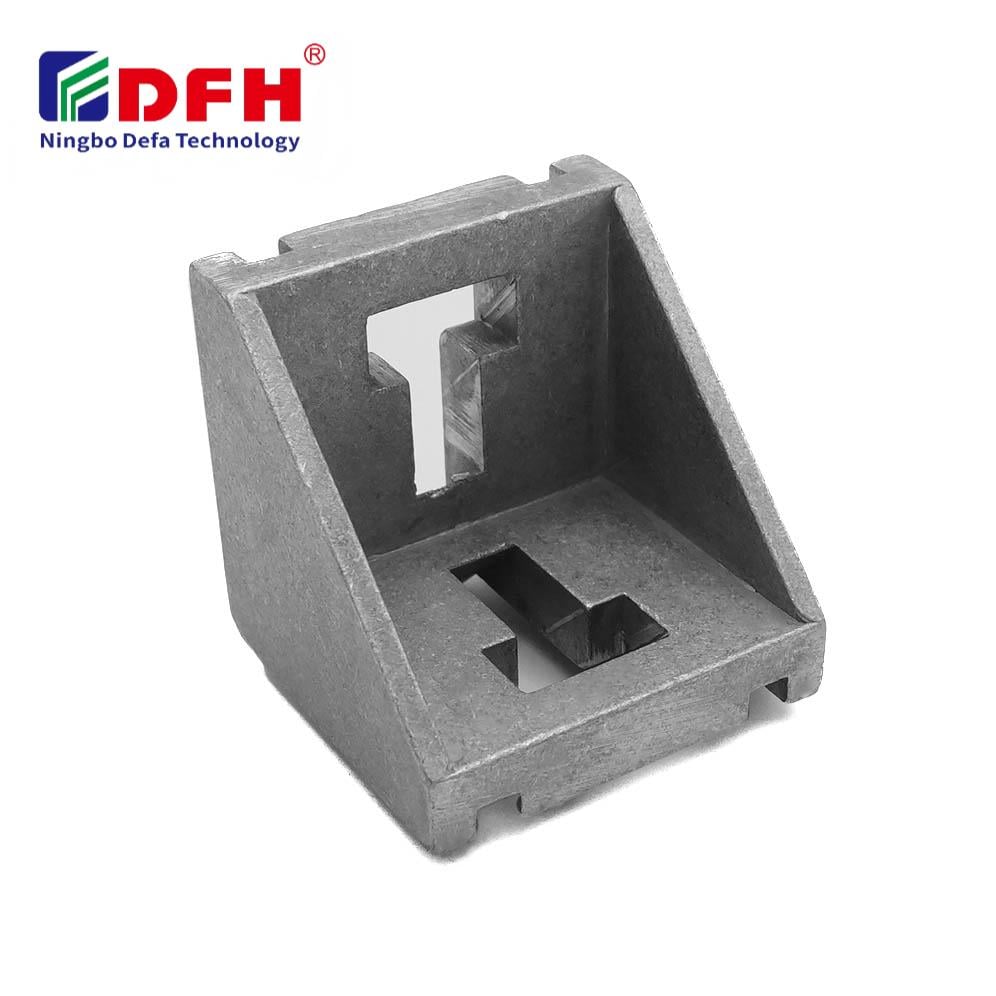
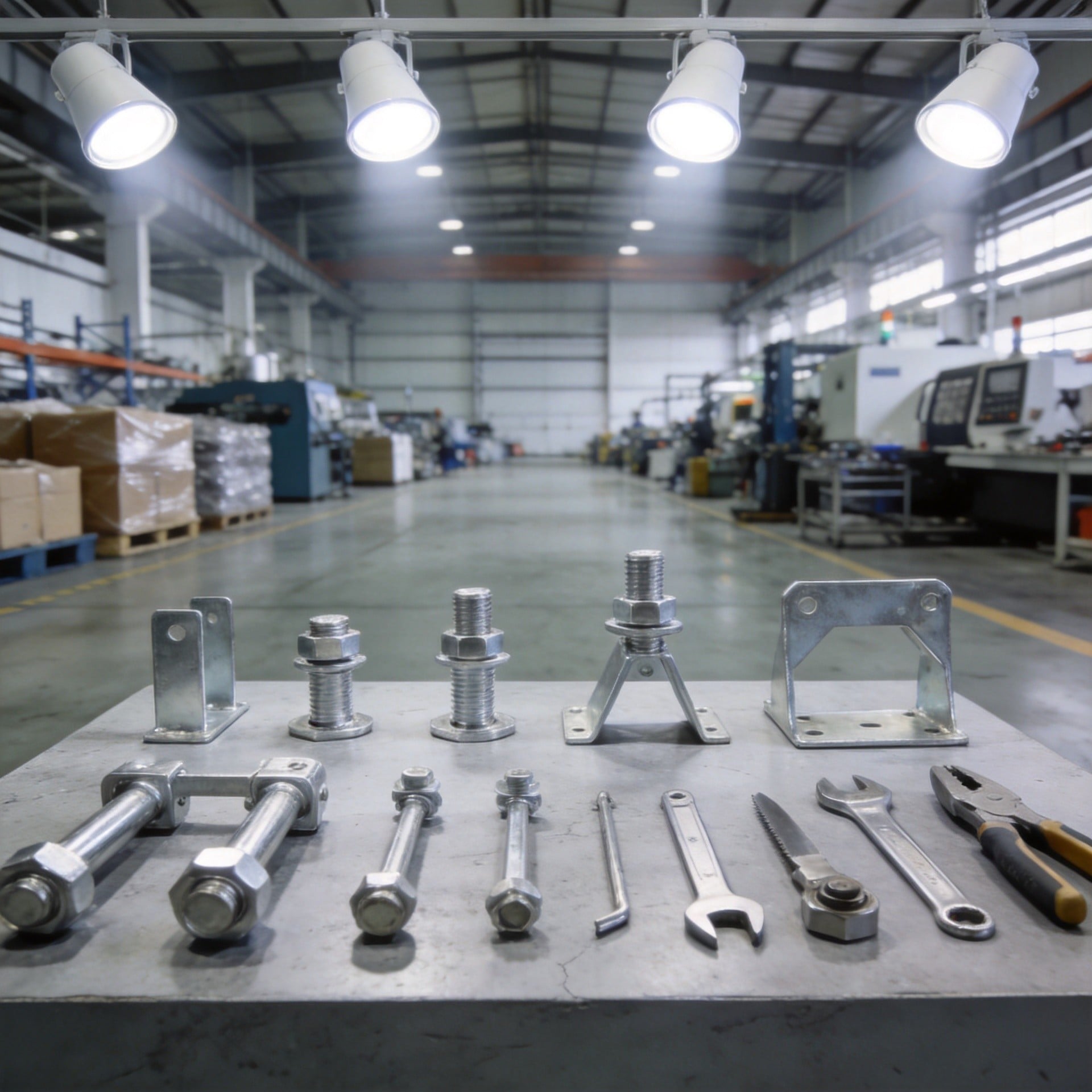
Leveling feet are mechanical components designed to support and stabilize equipment, furniture, and industrial machinery by compensating for uneven floor surfaces. These essential stabilizer feet ensure that your equipment remains level, secure, and properly aligned regardless of minor floor irregularities. Understanding what leveling feet are and their critical purpose helps you make informed decisions about equipment stability, operational efficiency, and workplace safety.
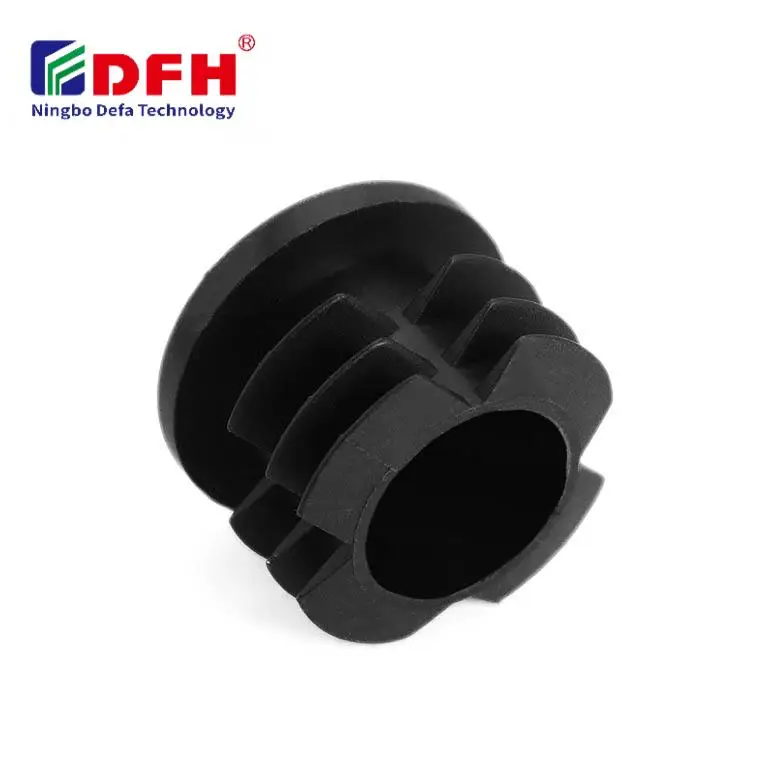
In industrial, commercial, and residential applications, Leveling Feet play a vital role in maintaining equipment performance and longevity. Whether you're working with manufacturing equipment, laboratory instruments, or household furniture, properly installed leveling feet prevent vibration, reduce wear, and enhance operational reliability. This guide explores the fundamental characteristics of leveling feet, their diverse applications, and why selecting the right furniture leveling pads and adjustable leveling feet matters for your specific needs.
Leveling feet typically consist of a threaded rod, a base mounting plate, and a contact surface pad. The threaded rod allows vertical adjustment, enabling users to raise or lower individual feet to compensate for floor unevenness. Adjustable leveling feet come in various materials including stainless steel, nylon, and rubber, each selected based on application requirements and environmental conditions. The contact surface, often featuring rubber or synthetic material, provides traction and protects floor surfaces from damage.
Modern equipment stabilizer feet designs incorporate precision engineering to ensure smooth adjustments and stable positioning. Many adjustable leveling feet feature graduated markings or indicator scales that allow technicians to measure adjustment depth accurately. The mounting interface connects securely to equipment frames, while the base pad distributes load evenly across the floor, preventing point-loading damage and ensuring consistent stability across varied floor surfaces.
Uneven floors are a common challenge in warehouses, manufacturing facilities, and commercial spaces. Adjustable leveling feet solve this problem by allowing independent height adjustment at each support point. When a floor slopes or contains low spots, operators can selectively extend individual feet to maintain horizontal alignment. This compensation technique prevents equipment tipping, reduces operational stress on machinery, and extends the useful lifespan of sensitive instruments and equipment.
The adjustment mechanism enables fine-tuning of equipment position without requiring floor repairs or expensive facility modifications. Furniture leveling pads work similarly in residential and office settings, ensuring that tables, cabinets, and workstations sit firmly on uneven hardwood, tile, or concrete surfaces. This simple yet effective approach to stabilization has become the industry standard across countless applications.
In manufacturing environments, equipment stabilizer feet prevent vibration-induced defects and measurement errors. Precision machinery such as CNC machines, milling equipment, and automated assembly lines require stable foundations to maintain dimensional accuracy and product quality. Adjustable leveling feet enable quick setup and repositioning without requiring permanent floor modifications or installation specialists. When equipment must be relocated or reconfigured, leveling feet provide the flexibility modern production facilities demand.
Heavy industrial equipment also benefits from proper stabilization through quality leveling feet. Compressors, hydraulic presses, and stamping machines generate significant vibration and dynamic loads. Properly installed equipment stabilizer feet absorb vibration, reduce noise transmission, protect floor surfaces, and enhance operator safety by preventing equipment creep or unexpected movement during operation.
Laboratory instruments including balances, spectrometers, and analytical equipment demand exceptional stability for accurate measurements. Furniture leveling pads and specialized adjustable leveling feet designed for laboratory environments support precision instruments on bench tops while isolating them from environmental vibration. This isolation improves measurement accuracy and extends instrument lifespan by reducing mechanical stress on sensitive internal components.
In commercial kitchens, hospitality venues, and office environments, furniture leveling pads stabilize work tables, display cases, and shelving units. Commercial-grade leveling feet prevent equipment from rocking or shifting during operation, enhance safety for staff and customers, and protect valuable flooring surfaces from damage caused by equipment movement or leg contact.
Selecting the right adjustable leveling feet requires considering load capacity, material compatibility, adjustment range, and environmental conditions. Heavy equipment demands leveling feet engineered from steel or reinforced polymers capable of bearing substantial vertical loads without deformation. Lighter applications such as furniture leveling pads can utilize softer materials that protect floor surfaces while providing adequate support.
Environmental factors influence material selection significantly. Equipment operating in wet environments, food processing facilities, or corrosive chemical areas requires stainless steel or corrosion-resistant leveling feet. Adjustable leveling feet intended for cleanroom environments need non-shedding materials that meet contamination control standards. Temperature extremes also affect material performance, making temperature-rated leveling feet essential for certain applications.
Proper installation of equipment stabilizer feet ensures optimal performance and safety. All feet should be adjusted to establish a level position verified using precision levels or laser leveling tools. Even slight tilting can cause equipment vibration, premature wear, and operational inefficiency. Regular inspection and readjustment of furniture leveling pads maintains stability as building settlement, floor movement, or equipment wear gradually compromises level positioning.
Maintenance of adjustable leveling feet includes checking thread condition, verifying pad surface contact, and confirming secure mounting. Contamination, corrosion, or mechanical wear can compromise adjustment smoothness or reduce load-bearing capacity. Preventive maintenance schedules that include leveling foot inspection help identify problems early and prevent unexpected equipment failures or safety hazards. Many industrial facilities establish routine equipment re-leveling procedures as part of standard preventive maintenance protocols.
The primary purpose of leveling feet is to compensate for uneven floor surfaces and maintain precise horizontal alignment of equipment. Equipment stabilizer feet prevent vibration, reduce wear on machinery components, protect flooring from damage, and ensure safe, reliable operation. Proper leveling improves measurement accuracy for precision instruments and extends equipment lifespan by reducing mechanical stress from misalignment.
Adjustable leveling feet feature threaded rods that allow vertical height adjustment to compensate for floor irregularities, while fixed feet provide no adjustment capability. Adjustable leveling feet offer flexibility for accommodating varying floor conditions and enabling equipment repositioning without floor modifications. Fixed feet work only on perfectly level surfaces and are less common in modern applications where floor unevenness is nearly universal.
For high-traffic commercial environments, furniture leveling pads should feature durable bases such as stainless steel or reinforced polymer with non-slip, non-marking contact surfaces. Rubber or synthetic pads protect flooring while providing stability. Commercial-grade adjustable leveling feet withstand frequent adjustments, support heavy loads, and resist wear from constant use. Material selection should prioritize durability, floor protection, and load-bearing capacity appropriate for your specific commercial application.
2026/09/30
Source aluminum profiles for versatile modular framing. Learn extrusion mechanics, strength benefits & corrosion resistance. Request details.
2026/09/30
Source aluminum profiles for construction projects. Learn structural framing, cladding & window benefits for maximum ROI. Download guide.
2026/09/30
Source optimal aluminum profile sizing techniques. Evaluate load, space, alloy, environment & cost factors to prevent deflection. Download guide.
2026/09/30
Struggling with fastener failures or rework? Master screw sizing by diameter, pitch, material, and load—plus industry-specific standards. Optimize reliability & compliance now.
2026/09/30
Source aluminum profiles for industrial engineering. Discover strength-to-weight ratios, corrosion resistance & 30% cost savings. Download guide.
2026/09/30
Source heat-resistant aluminum profile systems. Master thermal expansion science & stress management strategies for industrial builds. Download guide.