EN
EN
What is Aluminum Profile and How Does It Work?
2026/09/30
Source aluminum profiles for versatile modular framing. Learn extrusion mechanics, strength benefits & corrosion resistance. Request details.

2026/09/03
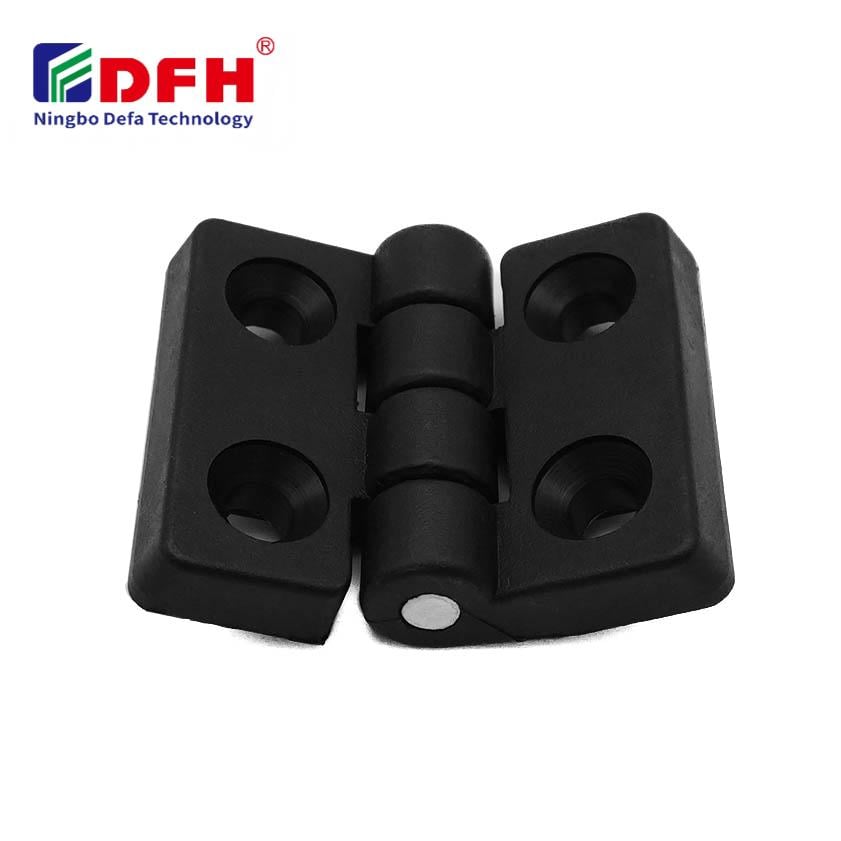
Leveling feet are essential components used across industrial, commercial, and residential environments to stabilize equipment, machinery, and furniture on uneven surfaces. These simple yet effective devices compensate for floor irregularities and provide crucial stability to prevent wobbling, shifting, or operational issues. Understanding what leveling feet are and how they function is vital for anyone working with equipment that requires precise positioning and secure placement. Whether in manufacturing facilities, laboratories, hospitality settings, or homes, properly configured leveling feet ensure safety, performance, and longevity of expensive installations.
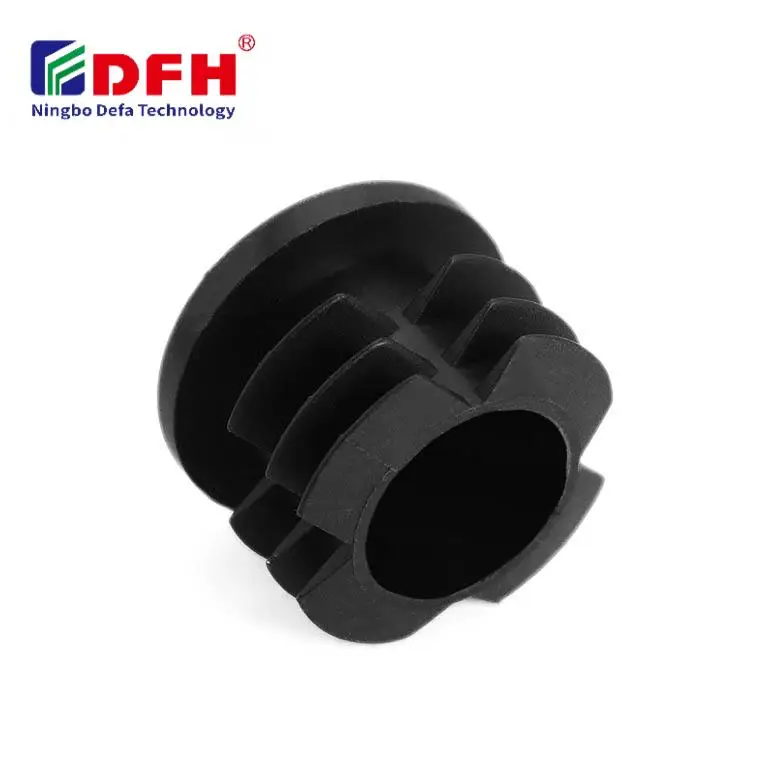
The concept behind leveling feet is straightforward but powerful: they adjust vertically to meet the floor surface, ensuring the supported object remains level and stable regardless of surface irregularities. This simple principle has evolved into numerous design variations, from basic fixed pads to sophisticated leveling feet with threaded mechanisms and locking features. Industrial applications demand precision and durability, while consumer applications prioritize ease of installation and cost-effectiveness. The right choice of leveling feet depends on the equipment type, floor conditions, weight distribution, and environmental factors.
Leveling feet serve as the foundation contact points for machinery, equipment, and furniture. They absorb vibration, distribute weight evenly, and maintain horizontal alignment—critical factors for operational safety and efficiency. In manufacturing environments, uneven flooring can cause vibrations that compromise precision, reduce product quality, and accelerate equipment wear. Leveling feet eliminate these problems by creating stable, adjustable mounting points. Each foot can be independently adjusted, allowing technicians to fine-tune the entire installation until it achieves perfect levelness using a simple spirit level or laser measurement tool.
Modern adjustable leveling feet are manufactured from durable materials including stainless steel, zinc-plated carbon steel, thermoplastic, and elastomer compounds. Stainless steel options provide superior corrosion resistance for wet or chemical environments, while thermoplastic furniture leveling pads offer lightweight, cost-effective solutions for residential applications. The base pads may incorporate elastomer compounds or nylon to prevent floor damage and reduce noise during operation. Material selection directly impacts longevity, load capacity, and suitability for specific environments, making it essential to match the foot material to the operational context and floor type.
Equipment stabilizer feet employ various adjustment mechanisms depending on application requirements. Screw-based feet feature threaded shafts that rotate within a locking base, allowing precise vertical adjustment. Ball-socket designs permit both vertical and slight angular adjustment, accommodating slightly sloped floors without requiring perfect precision. Spring-mounted systems absorb vibration while maintaining adjustment, beneficial for machinery experiencing operational oscillation. Each mechanism balances precision, ease of adjustment, and cost. Industrial equipment typically requires threaded-screw or ball-socket designs for repeatability and lock-in capability, while furniture leveling pads often use simpler screw mechanisms that users can easily turn by hand without special tools.
Installing adjustable leveling feet begins with positioning the equipment on the feet and checking levelness using a precision spirit level or digital level. Technicians systematically adjust each foot, typically starting from one corner and working diagonally to distribute forces evenly. After each adjustment, the level is rechecked to verify progress. Once the equipment reaches desired levelness, locking nuts or setscrew mechanisms secure the feet to prevent unintended movement. For critical applications, periodic verification is necessary as floor settling or equipment movement can gradually shift the installation over months or years. Proper installation directly impacts equipment performance, worker safety, and operational lifespan.
In manufacturing facilities, precision machinery, and testing laboratories, equipment stabilizer feet are indispensable for maintaining accuracy and preventing damage. CNC machines, precision scales, analytical instruments, and heavy printing equipment all depend on stable, level mounting to function correctly. Uneven installation can cause calibration drift, mechanical stress, and premature failure. In commercial kitchens, restaurant equipment, and hospitality settings, furniture leveling pads prevent wobbling tables and chairs that compromise guest experience and safety. Data centers require stable server rack leveling feet to maintain structural integrity and thermal management airflow. These applications demonstrate how critical proper stabilization is across diverse industries.
Furniture leveling pads are equally important in residential and office settings. Hardwood or tile floors are rarely perfectly level, causing furniture to rock, creating noise, and accelerating wear patterns. Adjustable leveling feet installed on office chairs, desks, cabinets, and shelving units improve comfort, stability, and aesthetic appearance. Modern office workers spend hours in chairs—unstable seating causes discomfort and potential health issues. Adjustable leveling feet transform wobbly furniture into stable, professional-appearing installations. Homeowners benefit from furniture leveling pads when setting up appliances, bedroom furniture, and entertainment systems, improving both functionality and lifespan.
Weight capacity varies significantly based on design and materials. Small furniture leveling pads typically support 50–200 pounds per foot, sufficient for residential applications. Industrial equipment stabilizer feet range from 300 pounds to several tons per foot, depending on whether they use threaded screws, ball-socket designs, or reinforced materials. Always verify the specific weight capacity of your selected feet against the total equipment weight distributed across the number of feet being used. Overloading causes failure, equipment damage, and potential safety hazards.
Selection depends on three key factors: equipment weight, floor type, and adjustment precision requirements. Heavy industrial machinery demands robust adjustable leveling feet with high load ratings and corrosion resistance. Lightweight furniture requires only basic furniture leveling pads with moderate adjustment capability. Floor conditions matter significantly—uneven concrete benefits from wider adjustment range, while tile floors often need minimal adjustment. Consider whether your application requires vibration isolation, chemical resistance, or noise reduction, as these features affect material and design choices. Consult equipment specifications or contact manufacturers when uncertain.
Yes, most adjustable leveling feet can be readjusted throughout their operational life. Screw-based feet allow simple rotation to change height, while ball-socket designs accommodate minor angle changes. Periodic checking and minor adjustments prevent gradual settling or shifting that affects performance. However, avoid excessive adjustment cycles, as this can wear threads or damage locking mechanisms. Document initial leveling settings for reference, especially for critical applications where precise calibration is essential. Professional technicians should perform adjustments for expensive equipment to prevent damage or safety issues.
2026/09/30
Source aluminum profiles for versatile modular framing. Learn extrusion mechanics, strength benefits & corrosion resistance. Request details.
2026/09/30
Source aluminum profiles for construction projects. Learn structural framing, cladding & window benefits for maximum ROI. Download guide.
2026/09/30
Source optimal aluminum profile sizing techniques. Evaluate load, space, alloy, environment & cost factors to prevent deflection. Download guide.
2026/09/30
Struggling with fastener failures or rework? Master screw sizing by diameter, pitch, material, and load—plus industry-specific standards. Optimize reliability & compliance now.
2026/09/30
Source aluminum profiles for industrial engineering. Discover strength-to-weight ratios, corrosion resistance & 30% cost savings. Download guide.
2026/09/30
Source heat-resistant aluminum profile systems. Master thermal expansion science & stress management strategies for industrial builds. Download guide.