EN
EN
What is Aluminum Profile and How Does It Work?
2026/09/30
Source aluminum profiles for versatile modular framing. Learn extrusion mechanics, strength benefits & corrosion resistance. Request details.

2026/09/04
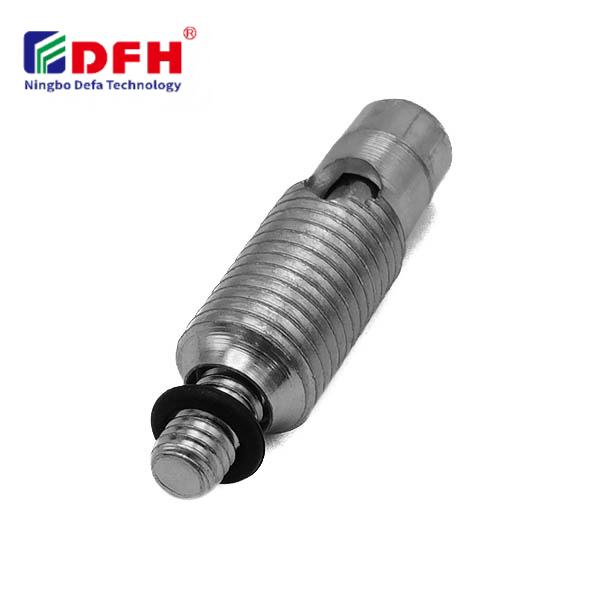
Inner connectors are specialized mechanical components that form the backbone of modern modular assembly systems. These internal connection hardware elements enable secure, repeatable connections between structural profiles and components without requiring external fasteners or visible mounting points. Understanding what inner connectors are and how they function is essential for engineers, manufacturers, and systems integrators who design or implement modular structures across industrial, automation, and infrastructure applications.
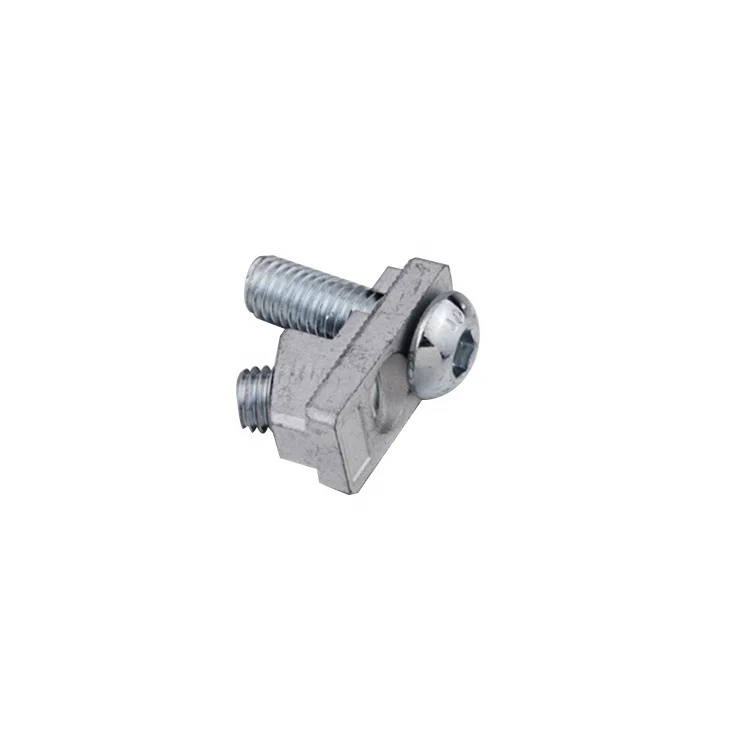
The functional role of inner connectors extends far beyond simple joining. These components create the structural integrity needed in profile joint systems while maintaining dimensional accuracy, load distribution, and alignment. By integrating internal connection hardware into modular assembly components, manufacturers achieve flexible, scalable designs that reduce production time, lower costs, and simplify reconfiguration for evolving industrial demands.
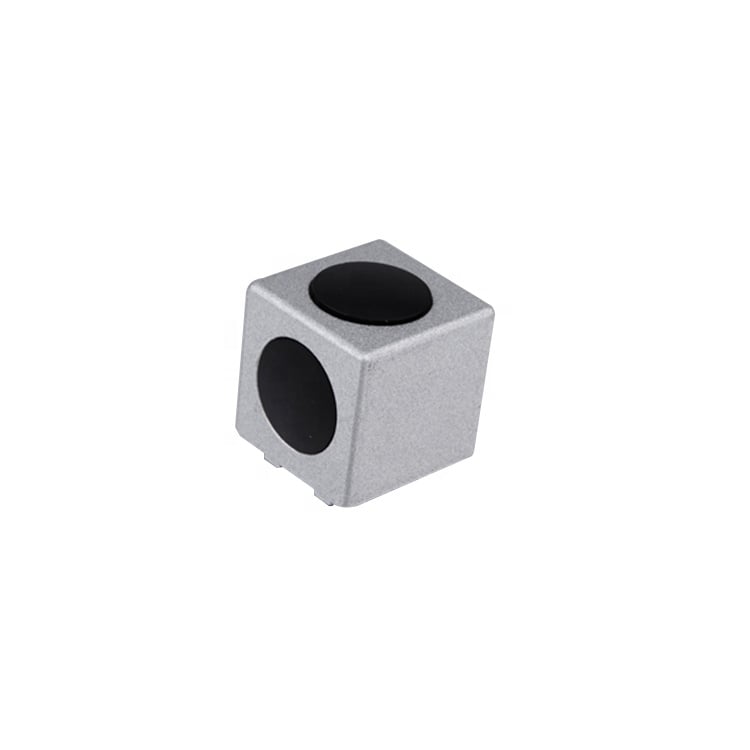
An Inner Connector is a precision-engineered component designed to fit within or attach to the internal channels, slots, or cavities of structural profiles. Unlike surface-mounted fasteners, inner connectors work within the profile geometry itself, creating strong mechanical bonds while maintaining clean, unobstructed external surfaces. These modular assembly components typically feature standardized dimensions that align with industrial profile specifications, ensuring interchangeability and repeatability across production batches.
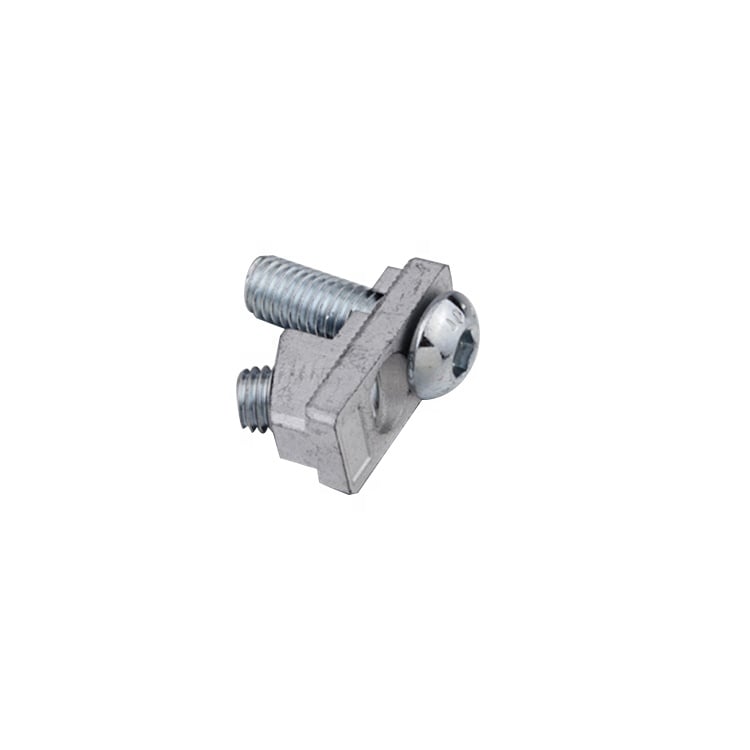
Inner connectors are manufactured from high-strength materials including hardened steel, stainless steel, and specialized alloys selected for their durability and load-bearing capacity. The design of internal connection hardware reflects precision engineering principles, with tight tolerances to ensure consistent fit within profile slots and channels. Profile joint systems often incorporate advanced locking mechanisms, such as wedges, threads, or spring-loaded elements, that prevent loosening under vibration or dynamic stress.
The primary function of inner connectors is to transfer loads between interconnected profiles and modular assembly components. When multiple profiles meet at a joint, inner connectors distribute applied forces evenly across the connection interface, preventing stress concentration and premature failure. This load-distribution capability is critical in applications ranging from automation frameworks to industrial workstations, where structural integrity directly impacts system reliability and worker safety.
Inner connectors form the technical foundation that makes modular assembly components possible. By standardizing internal connection hardware geometry and interface specifications, manufacturers enable rapid assembly, disassembly, and reconfiguration without specialized tools or extensive skilled labor. Profile joint systems built around inner connector standards allow end-users to adapt structures to changing production layouts, expand existing installations, or reconfigure systems for new applications with minimal downtime.
Precision is paramount in modular assembly. Inner connectors maintain exact spacing and alignment between profiles, ensuring that assembled structures meet dimensional tolerances across their entire length. This stability is essential in applications requiring high positional accuracy, such as precision machinery bases, laboratory equipment frames, or automated production lines where even minor misalignment can compromise performance or product quality.
Inner connectors appear in diverse industrial contexts. Manufacturing facilities use them to construct workbenches, material handling racks, and assembly fixtures that must adapt to product line changes. Automation integrators rely on profile joint systems and internal connection hardware to build machine frames, cable management structures, and component mounting systems. Industrial researchers and equipment builders incorporate inner connectors into custom frames for analytical instruments, testing apparatus, and specialized machinery that demands both rigidity and reconfigurability.
Modern manufacturing increasingly emphasizes modularity, flexibility, and rapid prototyping. Modular assembly components featuring inner connectors enable manufacturers to reduce lead times for custom structures, minimize inventory of specialized frame components, and respond quickly to engineering changes. The standardization inherent in profile joint systems means that once an organization adopts a particular inner connector standard, all future projects can leverage existing design libraries, tooling, and assembly expertise.
Selecting appropriate inner connectors requires attention to load requirements, environmental conditions, and assembly methodology. Internal connection hardware must exhibit sufficient tensile strength, shear resistance, and fatigue endurance for the intended application. Corrosion resistance becomes critical in food processing, pharmaceutical, or outdoor environments. Profile joint systems also demand consistent manufacturing quality to ensure that tolerance stack-up across multiple connections remains within acceptable limits throughout the assembled structure.
Inner connectors operate entirely within the internal profile geometry, creating concealed connections that maintain clean external surfaces and improved aesthetics. Unlike bolted fasteners, which require access from outside the profile and can create protruding hardware, inner connectors integrate directly into the modular assembly components. This internal integration simplifies manufacturing, reduces loose parts in the assembly process, and enables faster connection cycles since users need not manage separate fasteners or worry about external bolt spacing.
Profile joint systems incorporate locking mechanisms such as tapered wedges, spring-loaded detents, or threaded inserts that prevent connection loosening due to vibration or cyclic stress. Internal connection hardware achieves this reliability through precise surface contact, high-pressure clamping force distribution, and material properties engineered to resist fatigue. Modern designs often include stress concentration relief features and secondary locking elements that maintain connection integrity even in challenging industrial environments with continuous movement or thermal cycling.
Yes, this reconfigurability is a primary advantage of inner connector-based systems. Since connections are standardized and internal, disassembly requires only simple hand tools or mechanical disconnection without disrupting surrounding components. Organizations can reconfigure structures by simply releasing inner connectors from their profile slots and repositioning or replacing modules as needed. This flexibility allows facilities to adapt workstations, storage systems, and equipment frames quickly in response to production changes, product launches, or process improvements without expensive reconstruction.
2026/09/30
Source aluminum profiles for versatile modular framing. Learn extrusion mechanics, strength benefits & corrosion resistance. Request details.
2026/09/30
Source aluminum profiles for construction projects. Learn structural framing, cladding & window benefits for maximum ROI. Download guide.
2026/09/30
Source optimal aluminum profile sizing techniques. Evaluate load, space, alloy, environment & cost factors to prevent deflection. Download guide.
2026/09/30
Struggling with fastener failures or rework? Master screw sizing by diameter, pitch, material, and load—plus industry-specific standards. Optimize reliability & compliance now.
2026/09/30
Source aluminum profiles for industrial engineering. Discover strength-to-weight ratios, corrosion resistance & 30% cost savings. Download guide.
2026/09/30
Source heat-resistant aluminum profile systems. Master thermal expansion science & stress management strategies for industrial builds. Download guide.