EN
EN
What is Aluminum Profile and How Does It Work?
2026/09/30
Source aluminum profiles for versatile modular framing. Learn extrusion mechanics, strength benefits & corrosion resistance. Request details.

2026/09/22
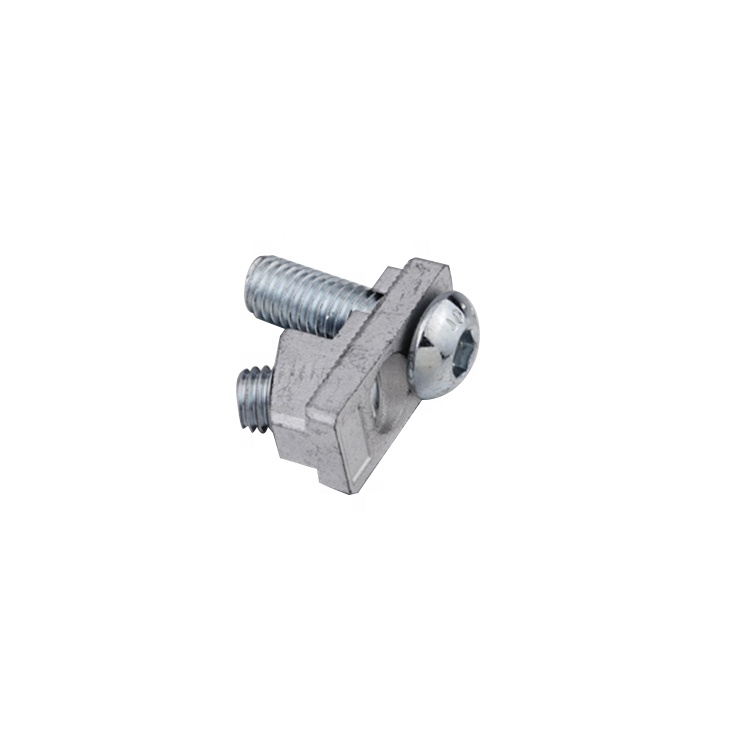
End connectors are specialized fastening components designed to join, align, and secure structural elements in industrial assemblies. These precision-engineered devices serve as critical junction points where materials meet, transferring loads and maintaining alignment across complex systems. Understanding end connectors and their key functions is essential for engineers, manufacturers, and assembly professionals who need reliable, durable solutions for structural assembly applications. Whether used in machinery frameworks, modular construction systems, or mechanical assemblies, end connectors ensure structural integrity and operational stability.
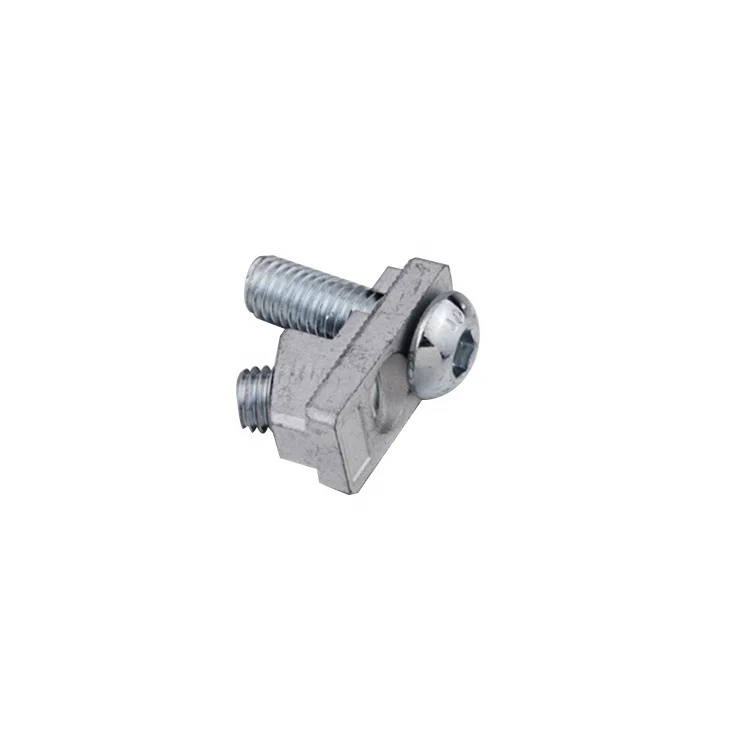
The effectiveness of any structural assembly depends heavily on the quality and proper application of its connecting components. End connectors function as the bridge between rigid elements, enabling flexible yet secure attachment while distributing stress evenly across connection points. Their design combines precision tolerances with material strength to handle demanding industrial environments. This article explores the fundamental nature of end connectors, their primary functions, and how they contribute to the success of modern fastening systems.
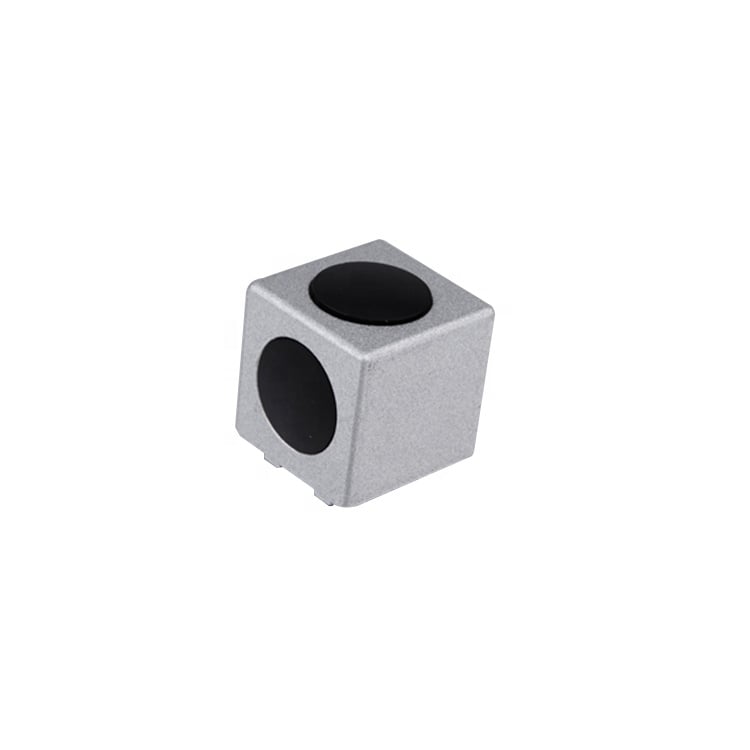
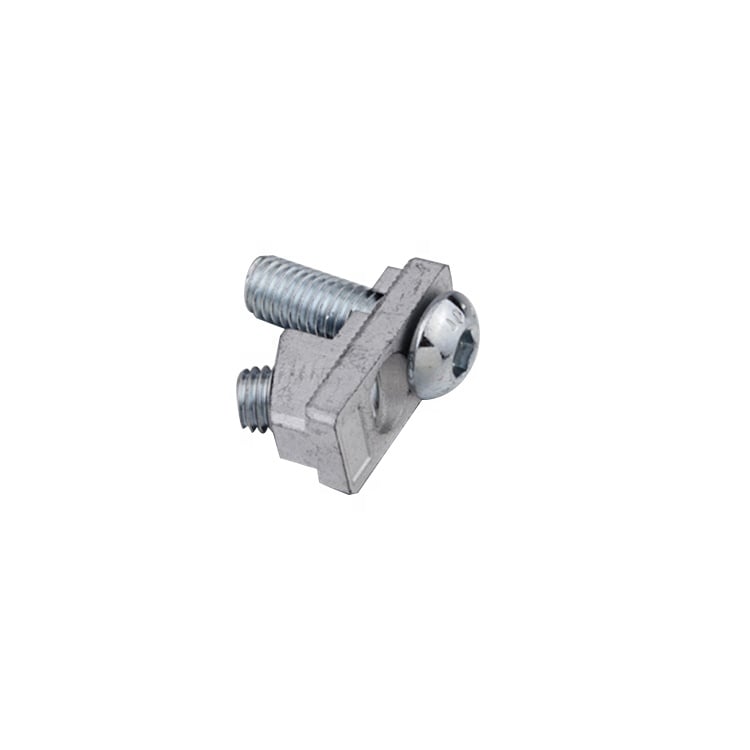
An end connector is a mechanical component engineered to link two or more structural elements at their terminals or endpoints. These connectors typically feature internal threading or specialized mounting surfaces that allow secure fastening systems to integrate multiple materials simultaneously. The design of end connectors varies widely depending on application requirements, from simple threaded inserts to complex multi-directional junction pieces. In structural assembly work, the quality of these components directly influences the longevity and reliability of the entire system.
End connectors are manufactured from high-strength materials including steel, stainless steel, aluminum alloys, and composite materials. Material selection depends on environmental conditions, load requirements, and corrosion resistance needs. Industrial-grade end connectors meet strict international standards ensuring consistent performance across applications. Proper material choice ensures that fastening systems maintain their structural integrity under thermal stress, vibration, and repetitive loading.
The most critical function of end connectors is distributing mechanical loads evenly across connection interfaces. By spreading stress over a wider surface area, end connectors prevent point loading that could cause failure in structural assembly components. This load distribution mechanism is particularly important in applications involving dynamic forces, vibration, or cyclic stress. Properly designed end connectors ensure that no single point bears excessive force, significantly extending the operational life of connected systems.
End connectors maintain precise alignment between connected elements, which is essential for proper function and safety. During connector installation, these components ensure that structural elements remain coaxial and properly positioned relative to each other. This alignment function prevents binding, misalignment stress, and operational inefficiencies that could compromise system performance. In precision machinery and modular assembly environments, end connectors provide the geometric accuracy necessary for seamless integration and optimal performance.
End connectors absorb and dampen vibration transmitted between connected structural elements, reducing noise and fatigue stress. This vibration control function is especially valuable in machinery operating at high speeds or in environments subject to external vibration sources. By isolating movement and reducing micro-motions at connection points, end connectors preserve the structural assembly integrity over extended operational periods. This protection extends component life and reduces maintenance requirements significantly.
End connectors are fundamental to countless industrial applications where reliable structural assembly depends on robust fastening systems. Manufacturing environments use end connectors in conveyor systems, machinery frames, automation equipment, and material handling devices. The connector installation process requires precision to ensure that all components function as an integrated unit. In production facilities, quality end connectors reduce downtime, minimize assembly errors, and improve overall system reliability.
Modern manufacturing emphasizes modular design, where end connectors enable quick reconfiguration and adaptation of structural assembly components. These connectors facilitate rapid assembly and disassembly without compromising structural integrity or precision. Connector installation in modular systems must accommodate repeated engagement cycles while maintaining consistent performance. This flexibility makes end connectors invaluable in industries requiring frequent equipment modifications or product customization.
End connectors must perform reliably in diverse environments ranging from clean manufacturing facilities to outdoor construction sites. Corrosion-resistant materials and protective coatings extend connector longevity in challenging conditions. The fastening systems incorporating these end connectors must withstand temperature fluctuations, moisture exposure, and chemical environments. Selecting appropriate end connector materials and designs ensures consistent performance throughout the connector installation lifecycle and operational service period.
End connectors are essential because they transfer loads safely between structural elements, maintain precise alignment, and enable reliable fastening systems that ensure long-term integrity. Without quality end connectors, structural assemblies would experience premature failure, misalignment issues, and operational instability.
When planning connector installation, consider load requirements, environmental conditions, material compatibility, precision tolerances, and maintenance accessibility. Proper connector installation requires matching the connector type and material to the specific application demands and operational environment.
End connectors are specialized junction components designed for terminal connection points, while general fastening systems include all components securing an assembly. End connectors specifically manage load distribution and alignment at connection terminals within broader fastening systems, offering precision-engineered solutions for demanding applications.
2026/09/30
Source aluminum profiles for versatile modular framing. Learn extrusion mechanics, strength benefits & corrosion resistance. Request details.
2026/09/30
Source aluminum profiles for construction projects. Learn structural framing, cladding & window benefits for maximum ROI. Download guide.
2026/09/30
Source optimal aluminum profile sizing techniques. Evaluate load, space, alloy, environment & cost factors to prevent deflection. Download guide.
2026/09/30
Struggling with fastener failures or rework? Master screw sizing by diameter, pitch, material, and load—plus industry-specific standards. Optimize reliability & compliance now.
2026/09/30
Source aluminum profiles for industrial engineering. Discover strength-to-weight ratios, corrosion resistance & 30% cost savings. Download guide.
2026/09/30
Source heat-resistant aluminum profile systems. Master thermal expansion science & stress management strategies for industrial builds. Download guide.