EN
EN
What is Aluminum Profile and How Does It Work?
2026/09/30
Source aluminum profiles for versatile modular framing. Learn extrusion mechanics, strength benefits & corrosion resistance. Request details.

2026/09/08
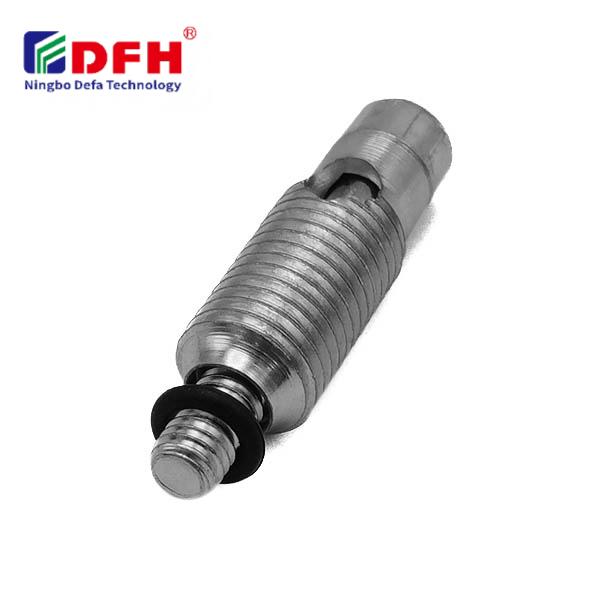
End connectors are fundamental components in electrical and mechanical systems that serve as the critical interface between cables, wires, and equipment. These specialized pieces of hardware enable reliable power transmission, signal transfer, and structural assembly across diverse industrial applications. Understanding what end connectors are and how they function is essential for anyone involved in product design, manufacturing, or maintenance operations. End connectors represent far more than simple attachment points; they are precision-engineered solutions that determine system reliability, safety, and performance longevity.
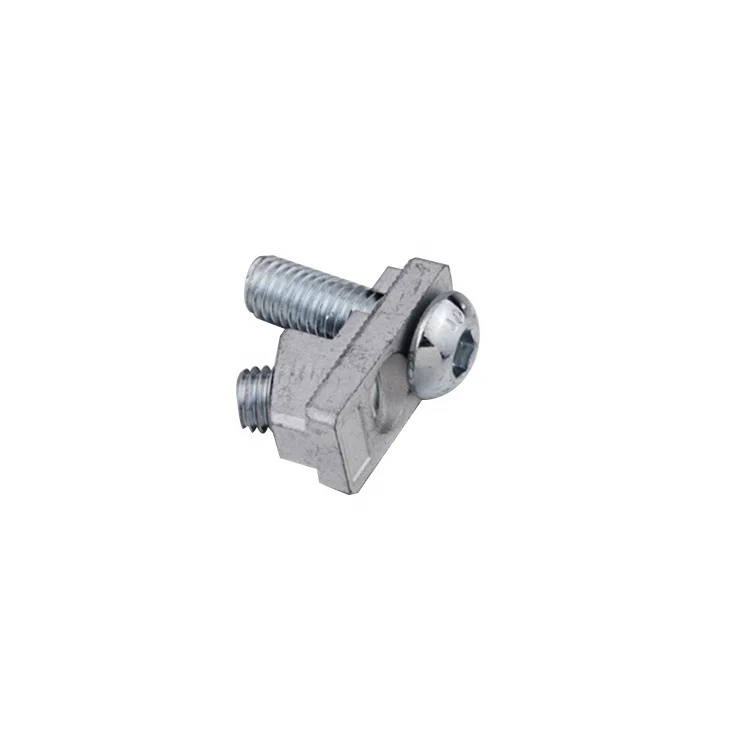
The importance of selecting the right cable end connectors cannot be overstated in modern industrial environments. Whether applied in automotive wiring harnesses, industrial control systems, renewable energy installations, or consumer electronics, end connectors must withstand mechanical stress, environmental exposure, and electrical demands. Connector terminals within these assemblies must maintain consistent contact resistance, secure retention, and corrosion resistance throughout the product lifecycle. Connection hardware quality directly impacts downtime reduction, warranty costs, and customer satisfaction metrics.
End connectors are engineered devices designed to establish and maintain secure electrical and mechanical connections between conductor materials and external equipment or systems. The primary objective of cable end connectors is to provide a standardized interface that allows safe, repeatable disconnection and reconnection without degradation. These components must accommodate various conductor sizes, material types, and environmental conditions while maintaining consistent electrical performance and mechanical integrity. The design of connector terminals reflects decades of industrial standardization efforts aimed at ensuring compatibility, safety, and operational reliability.
The physical construction of End Connectors typically involves precision manufacturing processes including stamping, forming, plating, and assembly. Common base materials include copper alloys, brass, nickel-plated steel, and specialized high-conductivity materials selected for specific temperature ranges and corrosive environments. Connection hardware such as insulating sleeves, housing bodies, and protective seals work together to create complete connector systems. Each element serves a distinct purpose, from electrical conductivity to mechanical stability to environmental protection.
Industrial standards govern cable end connectors across major sectors including automotive, telecommunications, power distribution, and consumer electronics. Organizations such as the International Electrotechnical Commission (IEC) and the Deutsches Institut für Normung (DIN) establish specifications for connector terminals dimensions, electrical ratings, material requirements, and testing protocols. These standardized connector families allow manufacturers and end-users to source compatible components from multiple suppliers while maintaining predictable performance characteristics. Understanding applicable standards ensures that connection hardware selections meet regulatory requirements and industry best practices.
The primary electrical function of cable end connectors is to establish low-resistance pathways for current flow while minimizing signal attenuation and electromagnetic interference. Connector terminals must maintain contact resistance below specified thresholds throughout the operational lifetime, even after repeated mating cycles and environmental stress exposure. The contact area geometry, material selection, and plating thickness directly influence electrical performance characteristics. Connection hardware design must prevent corrosion, oxidation, and contact degradation that would otherwise increase resistance and reduce system efficiency.
Signal integrity in high-frequency applications requires careful attention to connector design, shielding, and grounding pathways. Cable end connectors used in telecommunications, data transmission, and RF applications must maintain impedance matching and minimize reflective losses. The physical separation between connector contacts, the materials used in construction, and the environmental sealing all contribute to signal performance metrics. Engineers must select appropriate connector terminal types and connection hardware configurations that support required bandwidth, frequency ranges, and signal fidelity levels.
Beyond electrical functionality, end connectors must provide robust mechanical connection that resists vibration, thermal cycling, and mechanical stress without loosening or separating. Connector terminals employ various locking and retention mechanisms including compression fittings, threaded designs, bayonet couplings, and push-lock features. The selection of connection hardware directly influences the robustness of the mechanical interface. Proper design prevents connector separation during normal operation while remaining accessible for maintenance and repair activities.
Cable end connectors must accommodate thermal expansion and contraction cycling without generating excessive stress concentrations or creating microcracks in solder joints or crimp connections. The mechanical retention force must balance accessibility requirements against security needs, ensuring that casual handling cannot disconnect the connector while allowing deliberate separation with reasonable force application. Connector terminals undergo rigorous pull-force testing to validate mechanical security specifications.
Enclosure design and sealing mechanisms within end connectors protect electrical contacts from moisture, dust, corrosive chemicals, and temperature extremes. Connection hardware including gaskets, seals, and protective caps prevents ingress of contaminants that would otherwise cause corrosion, arcing, and performance degradation. Cable end connectors used in outdoor, marine, or chemical processing environments require premium materials and advanced sealing technologies. Environmental classification ratings indicate the specific protective capabilities of each connector terminal design.
Automotive applications represent a major use case for end connectors, where reliability directly impacts vehicle safety and customer satisfaction. Engine wiring harnesses, sensor connections, and power distribution systems depend on connector terminals capable of withstanding underhood temperature extremes, vibration, and moisture exposure. Cable end connectors in automotive applications must meet rigorous durability standards and support rapid assembly and disassembly during manufacturing and service operations. Connection hardware quality significantly influences warranty costs and field service expenses.
Industrial control systems, power generation equipment, and renewable energy installations require cable end connectors rated for high-current transmission, extreme temperatures, and harsh environmental conditions. Connector terminals in these applications must maintain consistent performance over decades of service life while accommodating thermal cycling, vibration, and potential chemical exposure. Power distribution applications may require connectors certified for specific amperage ratings, voltage classes, and safety standards. Selection of appropriate connection hardware ensures reliable system operation and regulatory compliance.
Selecting the right end connectors requires careful analysis of electrical requirements including voltage ratings, current capacity, frequency ranges, and signal specifications. Cable end connectors must accommodate the specific conductor gauge, insulation material, and termination method appropriate for each application. Connector terminals must be compatible with mating equipment and must support required connection cycles without performance degradation. Connection hardware must provide adequate environmental protection for the specific application context.
Material compatibility assessments ensure that connector components do not undergo galvanic corrosion when different metals contact each other in moisture-rich environments. Cable end connectors must be selected or designed to prevent dissimilar metal corrosion that would compromise electrical performance and mechanical integrity. Connector terminals should utilize materials with similar electrochemical potentials or incorporate protective coatings that prevent direct contact. Temperature ratings must accommodate both operational extremes and storage conditions expected throughout the product lifecycle.
End connectors fail primarily through contact corrosion and oxidation, which increases electrical resistance and generates excessive heat. Mechanical loosening caused by vibration, thermal cycling, or inadequate retention design represents another common failure mechanism. Cable end connectors may separate completely if retention forces are insufficient or if poor manufacturing quality reduces mechanical engagement. Environmental ingress leading to moisture-induced corrosion and galvanic reactions accelerates degradation. Proper selection of connector terminals with appropriate materials, protective sealing, and mechanical design specifications minimizes these failure risks.
Selection of cable end connectors begins with identifying electrical and mechanical requirements specific to the application. Connector terminals must match conductor gauges, voltage ratings, current requirements, and environmental conditions. Connection hardware design features such as locking mechanisms, sealing capabilities, and mating cycles directly influence suitability. Industry standards applicable to your sector provide guidance on appropriate connector families and specifications. Compatibility with existing equipment and standardized connector housings may further constrain selections.
End connectors undergo contact resistance measurement, pull-force testing, thermal cycling exposure, and environmental salt-spray testing to validate electrical and mechanical performance. Cable end connectors must survive specified mating and unmating cycles without performance degradation. Connector terminals are tested for voltage withstand capability, insulation resistance, and leakage current to ensure electrical safety. Connection hardware sealing effectiveness is validated through moisture ingress testing and humidity chamber exposure. High-reliability applications may require additional testing including vibration resistance, mechanical shock, and extended temperature cycling.
2026/09/30
Source aluminum profiles for versatile modular framing. Learn extrusion mechanics, strength benefits & corrosion resistance. Request details.
2026/09/30
Source aluminum profiles for construction projects. Learn structural framing, cladding & window benefits for maximum ROI. Download guide.
2026/09/30
Source optimal aluminum profile sizing techniques. Evaluate load, space, alloy, environment & cost factors to prevent deflection. Download guide.
2026/09/30
Struggling with fastener failures or rework? Master screw sizing by diameter, pitch, material, and load—plus industry-specific standards. Optimize reliability & compliance now.
2026/09/30
Source aluminum profiles for industrial engineering. Discover strength-to-weight ratios, corrosion resistance & 30% cost savings. Download guide.
2026/09/30
Source heat-resistant aluminum profile systems. Master thermal expansion science & stress management strategies for industrial builds. Download guide.