EN
EN
What is Aluminum Profile and How Does It Work?
2026/09/30
Source aluminum profiles for versatile modular framing. Learn extrusion mechanics, strength benefits & corrosion resistance. Request details.

2026/09/20
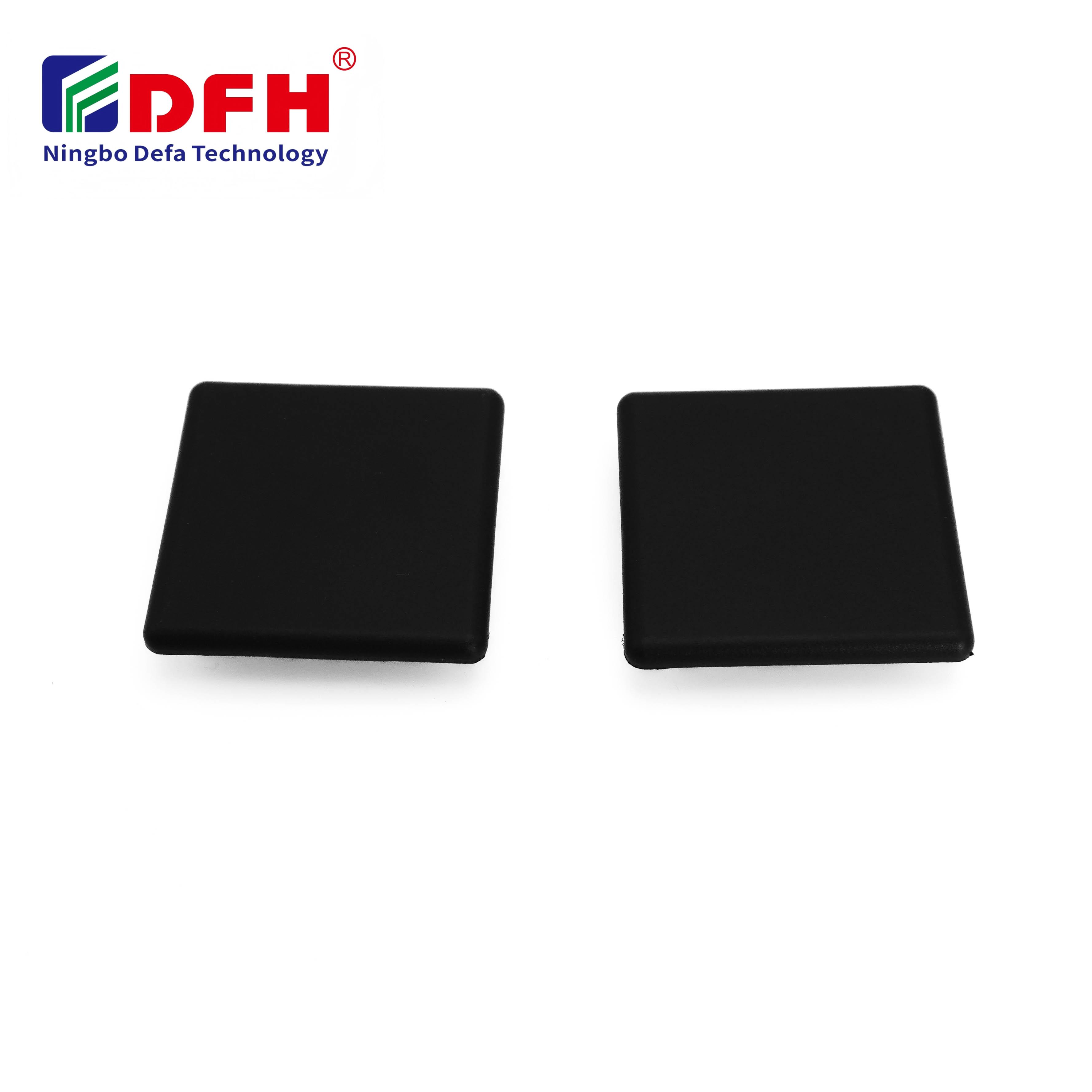
Installing an end cap correctly is essential for protecting aluminum extrusions and creating a professional appearance in industrial applications. Many technicians and installers make preventable mistakes during end cap installation that compromise both functionality and aesthetics. Understanding these common pitfalls helps ensure your aluminum extrusion finishing process meets quality standards and extends the lifespan of your products.
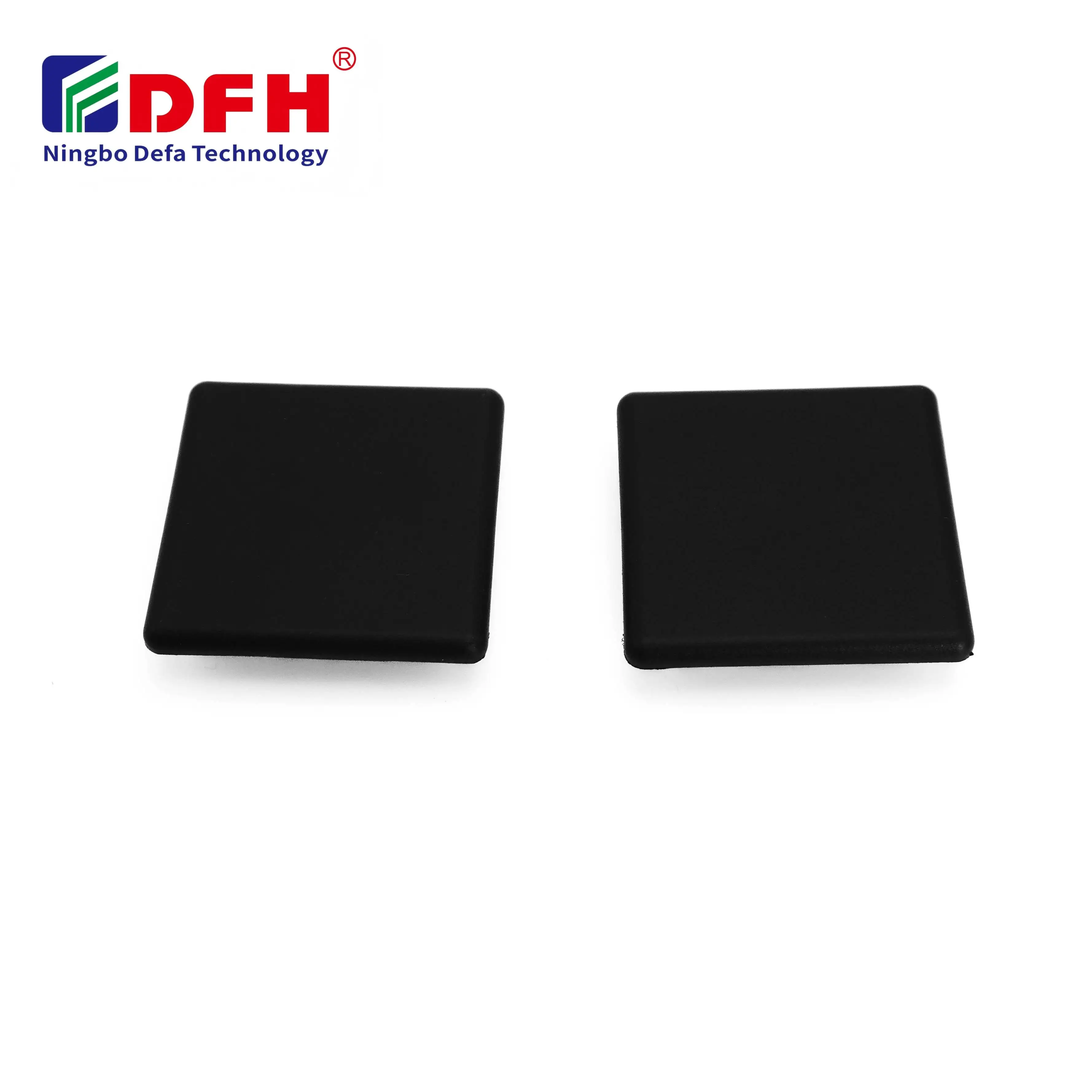
The process of securing a proper end cap involves more than simply pressing or gluing a cover onto an extrusion. Profile end closure requires attention to surface preparation, material compatibility, and installation technique. This guide explores the frequent mistakes that lead to failed installations, misalignment, and premature wear, equipping you with practical knowledge to improve your aluminum extrusion finishing outcomes.
One of the most common mistakes occurs when installers skip or rush the cleaning step before applying an end cap. Dust, oxidation, grease, or residual manufacturing debris on the extrusion surface prevents adhesives from bonding properly and compromises the seal. Even microscopic contaminants can weaken the connection, leading to gaps, water infiltration, and corrosion over time. Always clean the extrusion profile with a dry cloth or compressed air, and use appropriate solvents if residue is present.
Many installers fail to assess whether the extrusion profile is compatible with the channel cap cover they intend to use. Each aluminum extrusion finishing application requires a specific profile end closure design that matches the extrusion cross-section. Using the wrong channel cap cover, even if it appears similar, results in poor fit, inadequate protection, and potential structural issues. Always verify that the end cap dimensions and attachment points align precisely with your extrusion profile before installation begins.
Improper alignment ranks among the most visible installation mistakes. When an end cap is pressed or inserted at an angle, it creates uneven gaps that expose internal channels to moisture and contaminants. This misalignment also distributes stress unevenly across the end cap, reducing its protective capability and creating a poor visual appearance. To prevent this, position the extrusion on a flat, stable surface and apply gradual, even pressure perpendicular to the profile. Use alignment guides or installation fixtures if available for complex profiles.
A gap between the end cap and the extrusion profile is a primary failure point in aluminum extrusion finishing. Insufficient pressure during installation or using the wrong adhesive strength leaves the end cap loose or partially seated. Over time, vibration, thermal cycling, and environmental exposure cause the cap to loosen further, allowing water and dirt ingress. Ensure complete seating by applying consistent pressure across the entire end cap surface and allowing adhesive to cure fully before handling the assembly.
Selecting an inappropriate adhesive or fastening approach causes many end cap installation failures. Some installers use generic glues that lack adequate flexibility or chemical resistance for industrial environments. Others forget that profile end closure applications often involve thermal expansion, vibration, and exposure to moisture, all of which stress the bond. For aluminum extrusion finishing, specify adhesives rated for metal-to-plastic or metal-to-metal bonding, depending on your channel cap cover material. If mechanical fasteners are required, use corrosion-resistant hardware that matches the extrusion specifications.
Pairing incompatible materials is a frequent mistake that leads to galvanic corrosion or accelerated degradation. When a steel fastener contacts bare aluminum without isolation, the dissimilar metals create an electrochemical reaction that weakens both materials. Similarly, using an end cap made from a material that expands or contracts differently than the extrusion profile causes internal stress and eventual failure. Always verify that your channel cap cover material, adhesive, and any fasteners are compatible with aluminum and each other throughout the expected service life.
Many installers make the mistake of handling or assembling extrusions immediately after applying an end cap, before the adhesive has fully cured. This premature handling displaces the profile end closure, weakens the bond, and introduces contaminants into the wet adhesive. Rushing creates stress points that develop into failures under load or environmental exposure. Always follow the adhesive manufacturer's cure time recommendations, which typically range from several hours to a full day depending on temperature and humidity. Use curing guides or workflow scheduling to ensure adequate rest periods.
Failing to inspect installations after completion is a costly mistake that allows defective assemblies to reach production or customers. Many installers skip visual checks for alignment, adhesive squeeze-out, and proper seating. Without verification, misaligned end caps, incomplete bonds, or contaminated profiles go undetected until failure occurs in the field. Implement a simple quality checklist: verify alignment, check for uniform pressure marks, ensure adhesive cure, and perform a pull test if applicable. This step takes minimal time but prevents costly rework and field failures.
The most common failure cause is incomplete seating or gaps between the end cap and extrusion profile. These gaps allow moisture, dirt, and corrosive agents to penetrate the aluminum extrusion finishing, leading to corrosion and structural compromise. Poor surface preparation, inadequate pressure during installation, or wrong profile end closure selection are typical root causes.
Cure time depends on the specific adhesive formulation, temperature, and humidity conditions. Most industrial-grade adhesives for aluminum extrusion finishing require 24 hours of cure time at room temperature before full strength develops. Always consult the adhesive technical data sheet for precise cure requirements. Premature handling risks weakening the bond and creating gaps in the channel cap cover application.
No, each extrusion profile requires a specific end cap or profile end closure design that matches its cross-sectional shape and dimensions. Using an incompatible channel cap cover results in poor fit, inadequate protection, and potential structural failure. Always verify compatibility between your extrusion profile and the end cap before ordering or installation. Consult product specifications or contact your supplier to confirm correct profile end closure selection.
2026/09/30
Source aluminum profiles for versatile modular framing. Learn extrusion mechanics, strength benefits & corrosion resistance. Request details.
2026/09/30
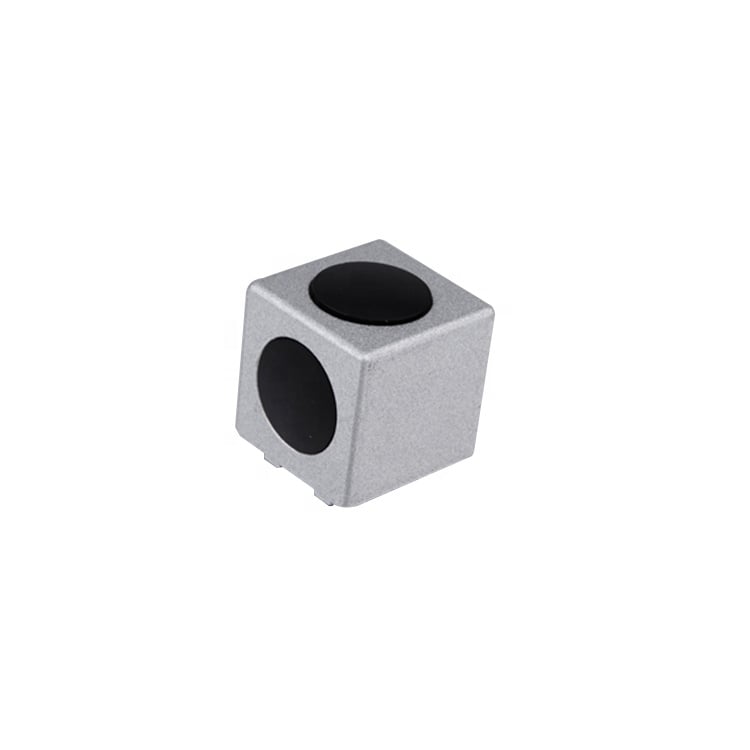
Source aluminum profiles for construction projects. Learn structural framing, cladding & window benefits for maximum ROI. Download guide.
2026/09/30
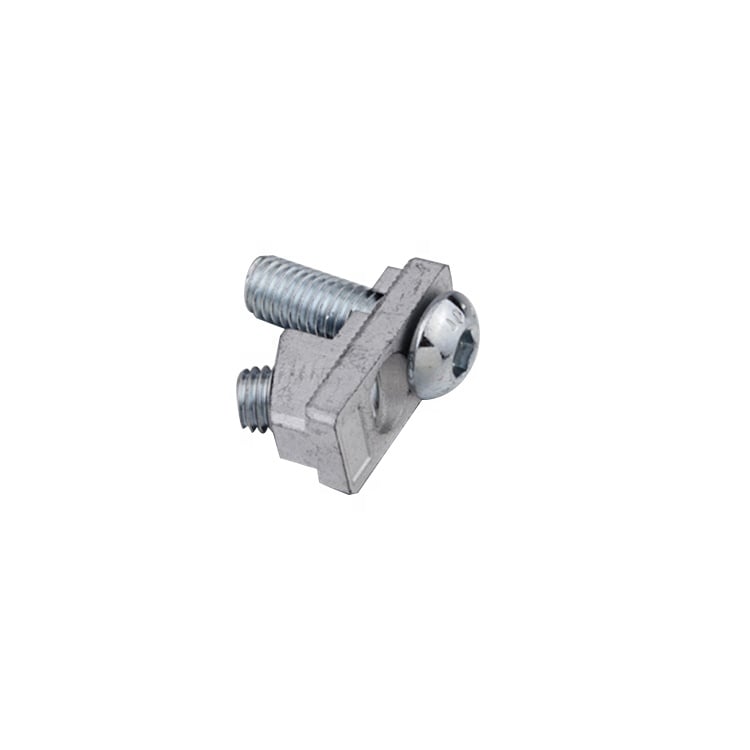
Source optimal aluminum profile sizing techniques. Evaluate load, space, alloy, environment & cost factors to prevent deflection. Download guide.
2026/09/30
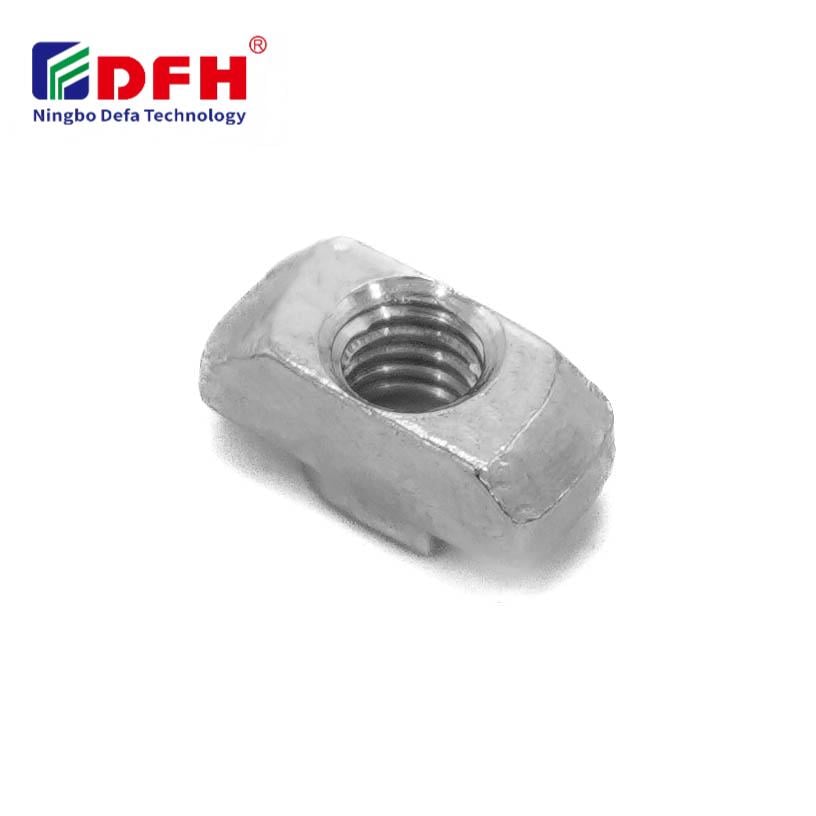
Struggling with fastener failures or rework? Master screw sizing by diameter, pitch, material, and load—plus industry-specific standards. Optimize reliability & compliance now.
2026/09/30
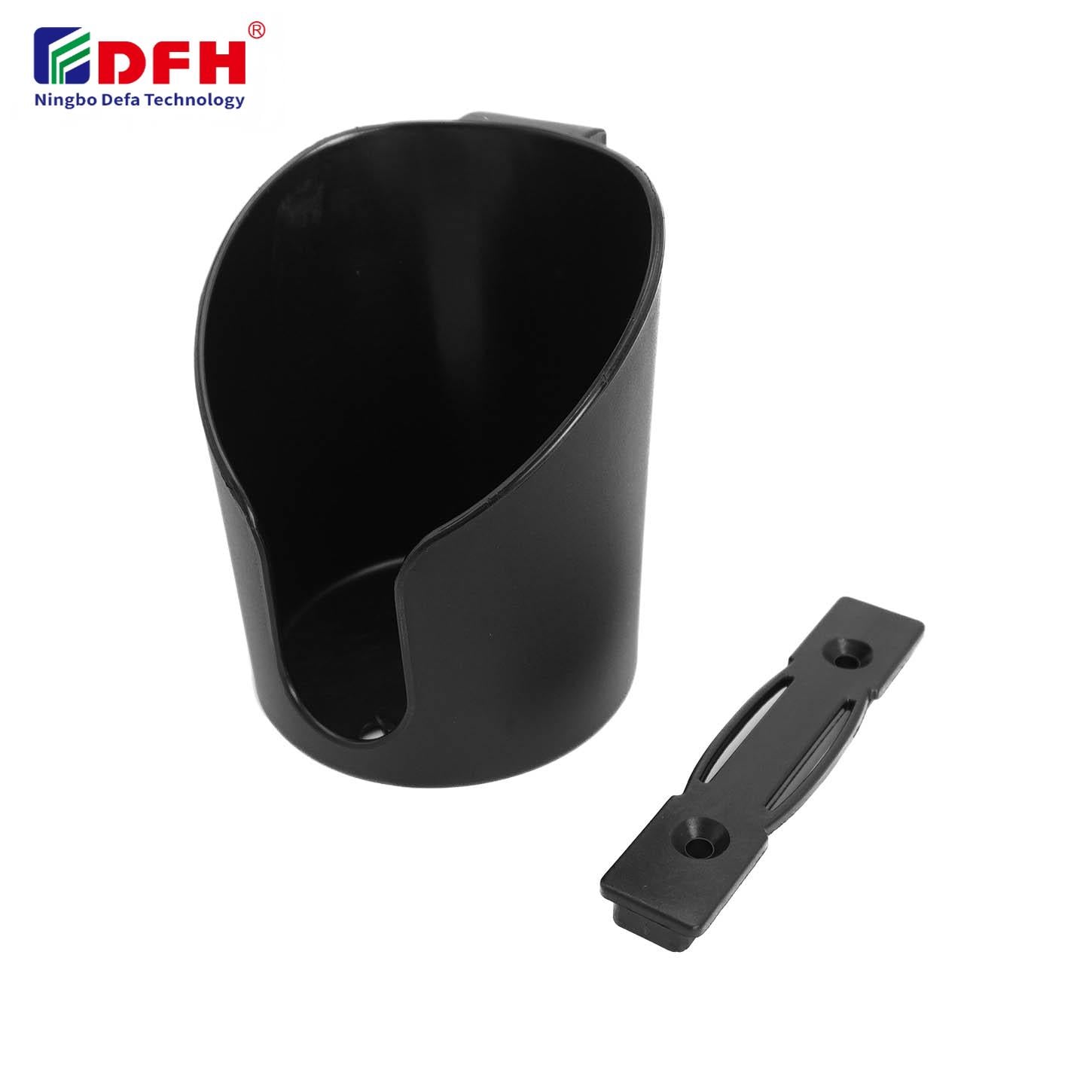
Source aluminum profiles for industrial engineering. Discover strength-to-weight ratios, corrosion resistance & 30% cost savings. Download guide.
2026/09/30
Source heat-resistant aluminum profile systems. Master thermal expansion science & stress management strategies for industrial builds. Download guide.