EN
EN
What is Aluminum Profile and How Does It Work?
2026/09/30
Source aluminum profiles for versatile modular framing. Learn extrusion mechanics, strength benefits & corrosion resistance. Request details.

2026/09/23
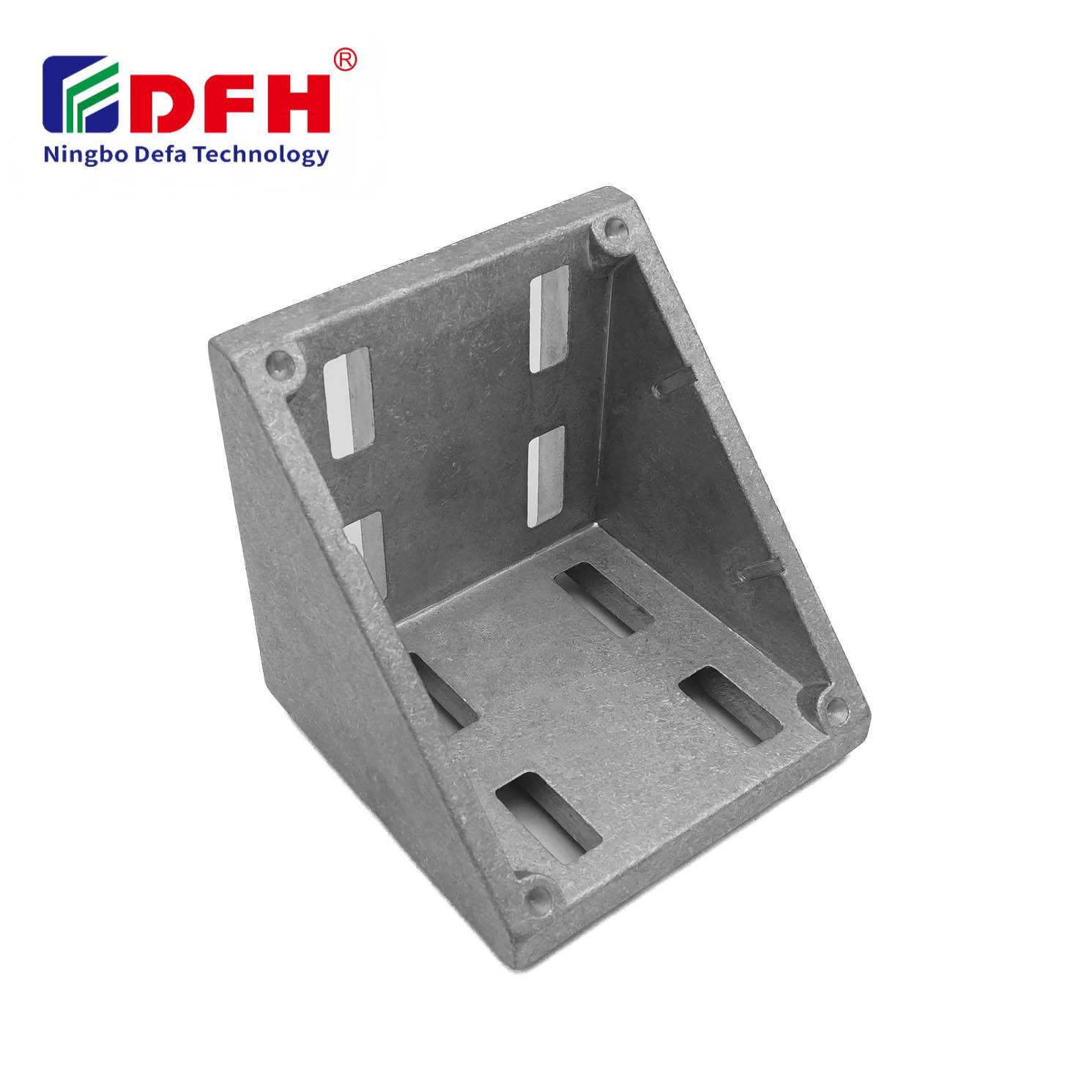
Bolt connectors are fundamental components in modern industrial assembly, serving as the backbone of countless mechanical systems where reliability and precision matter. These threaded fasteners provide secure, reusable connections that hold structures together, transfer loads, and maintain structural integrity across demanding applications. Understanding what bolt connectors do and how they function is essential for engineers, maintenance professionals, and manufacturing teams who depend on them daily.
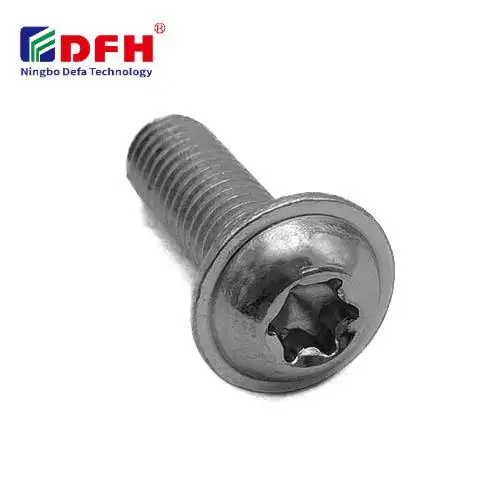
The primary purpose of bolt connectors extends far beyond simple mechanical joining. These threaded fasteners enable quick assembly and disassembly, allow for component replacement without permanent damage, and provide adjustable tension control that can be fine-tuned throughout the equipment lifecycle. Industries ranging from automotive manufacturing to aerospace, heavy machinery, and construction rely on bolt connectors to create durable, maintainable systems.
Bolt connectors transfer mechanical loads between connected components while maintaining joint integrity under stress, vibration, and thermal cycling. When properly installed using correct bolt installation methods, these threaded fasteners distribute forces evenly across the joint interface, preventing localized stress concentration that could lead to premature failure. The clamping force created by tightened bolt connectors holds materials together with predictable strength, making them ideal for applications where joint reliability is non-negotiable.
The design of bolt connectors allows engineers to calculate load capacity based on bolt diameter, material grade, and connector tensioning specifications. This predictability enables manufacturers to design equipment with known safety margins and performance characteristics. Whether joining steel plates in bridge construction or securing aluminum profiles in industrial frameworks, bolt connectors provide consistent, measurable performance that other fastening methods cannot match.
Unlike welded or riveted joints, bolt connectors allow technicians to disassemble equipment for maintenance, inspection, or component replacement without destroying the connection. This reusability represents significant economic value across the equipment lifecycle, reducing replacement costs and enabling predictable maintenance scheduling. A threaded fastener connection can be opened and closed hundreds of times without permanent degradation when proper bolt installation methods are followed.
This characteristic makes bolt connectors essential in industries where scheduled maintenance is mandatory or where equipment upgrades require access to internal components. Manufacturing facilities, power generation plants, and transportation systems depend on this reversible connection capability to maintain operational efficiency and minimize downtime during maintenance interventions.
Manufacturing facilities use bolt connectors extensively in assembly line frameworks, machine guarding, conveyor systems, and production equipment. The ability to quickly configure and reconfigure assembly stations using bolt connectors enables manufacturers to adapt production lines to different products without major capital expenditure. Connector tensioning can be adjusted to accommodate different load profiles as production requirements change throughout the manufacturing cycle.
Industrial aluminum profiles commonly used in modular assembly systems rely on threaded fasteners to create adjustable, reconfigurable workstations. The bolt installation methods for aluminum profiles differ slightly from steel applications, requiring consideration of material softness and thread engagement depth. Proper tensioning ensures that these modular systems remain stable and precise throughout their operational life.
The automotive industry depends on bolt connectors for engine assembly, chassis attachment, suspension systems, and body panel fastening. These threaded fasteners must withstand vibration, thermal expansion and contraction, and the dynamic stresses inherent in mobile equipment. Critical applications like engine block fastening require precise bolt installation methods and controlled torque specifications to ensure leak-free seals and optimal performance.
Heavy equipment manufacturers use larger diameter bolt connectors to join major structural components, transmit engine power, and secure hydraulic systems. The connector tensioning requirements for such applications often exceed those in lighter industries, demanding high-strength materials and sophisticated installation procedures to achieve required preload levels and prevent loosening under operational stress.
Bridge construction, structural steel frameworks, and commercial building systems rely on bolt connectors to create primary structural connections that must remain secure for decades. These threaded fasteners are preferred over welding in many applications because they allow bolt installation methods to be inspected and verified without destructive testing. Field connections in structural steel construction almost exclusively use bolt connectors because they provide predictable strength, inspectable quality, and the ability to make adjustments or repairs without specialized equipment.
Bolt connectors are available in various material grades, from standard mild steel to high-strength alloy steels, stainless steel, and specialized materials for corrosive environments. Material selection directly affects load capacity, corrosion resistance, temperature tolerance, and cost. Engineers must match threaded fastener specifications to the specific demands of each application, considering both static loads and dynamic cycling that may cause fatigue.
Load capacity tables provide standardized information about bolt connector strength at different diameters and grades, enabling engineers to select appropriate sizes for known load conditions. High-strength bolt connectors allow designers to reduce overall component size while maintaining required safety margins, contributing to lighter, more efficient equipment designs.
Correct bolt installation methods are critical to achieving desired performance from threaded fasteners. Installation procedures typically specify torque values, preload targets, and sequencing requirements that ensure uniform tension distribution across the joint. Connector tensioning must be controlled carefully because insufficient preload may allow joint relaxation and loosening, while excessive preload can strip threads or cause material yielding.
Modern installation practices often employ ultrasonic or tension-based measurement rather than relying solely on torque wrench readings, particularly for critical applications where preload accuracy is essential. Proper technique prevents costly field failures and extends equipment service life by maintaining intended joint characteristics throughout operation.
Bolt connectors are ubiquitous across manufacturing, automotive, aerospace, construction, power generation, oil and gas, and heavy equipment industries. Virtually any industry requiring mechanical assembly uses threaded fasteners because they offer reliability, inspectability, and adjustability that other fastening methods cannot provide.
Selection depends on calculating the forces your joint must withstand, considering material compatibility, environmental factors like corrosion risk, and installation space constraints. Standard load charts provide capacity data for different bolt diameters and grades, helping engineers match connector tensioning requirements to actual operating conditions and required safety factors.
Aluminum requires different bolt installation techniques because its threads are softer and more prone to stripping than steel. Connector tensioning for aluminum typically uses lower torque values, may require thread-locking compounds, and often demands careful attention to thread engagement depth. Both materials need proper preload management, but aluminum applications require more conservative torque specifications to prevent thread damage.
2026/09/30
Source aluminum profiles for versatile modular framing. Learn extrusion mechanics, strength benefits & corrosion resistance. Request details.
2026/09/30
Source aluminum profiles for construction projects. Learn structural framing, cladding & window benefits for maximum ROI. Download guide.
2026/09/30
Source optimal aluminum profile sizing techniques. Evaluate load, space, alloy, environment & cost factors to prevent deflection. Download guide.
2026/09/30
Struggling with fastener failures or rework? Master screw sizing by diameter, pitch, material, and load—plus industry-specific standards. Optimize reliability & compliance now.
2026/09/30
Source aluminum profiles for industrial engineering. Discover strength-to-weight ratios, corrosion resistance & 30% cost savings. Download guide.
2026/09/30
Source heat-resistant aluminum profile systems. Master thermal expansion science & stress management strategies for industrial builds. Download guide.