EN
EN
What is Aluminum Profile and How Does It Work?
2026/09/30
Source aluminum profiles for versatile modular framing. Learn extrusion mechanics, strength benefits & corrosion resistance. Request details.

2026/09/08
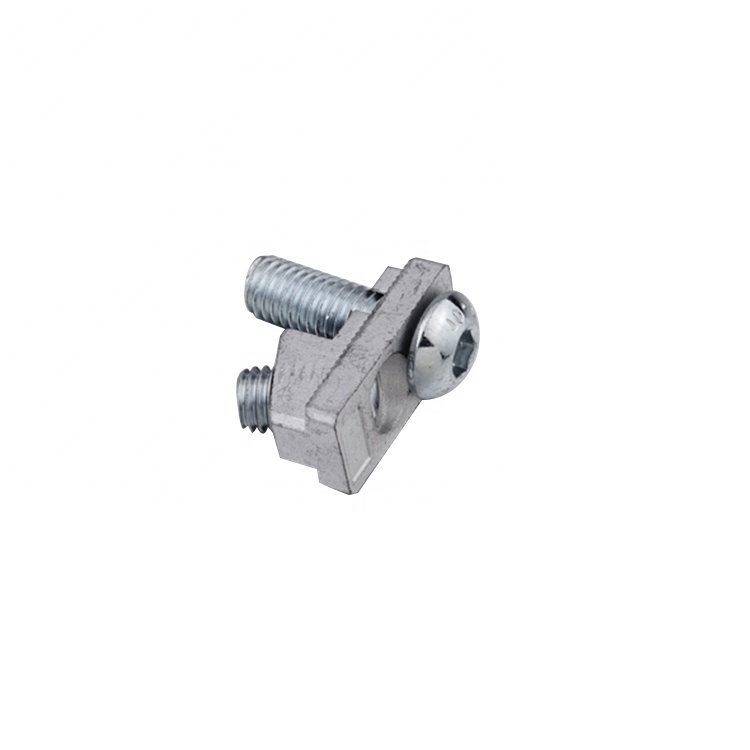
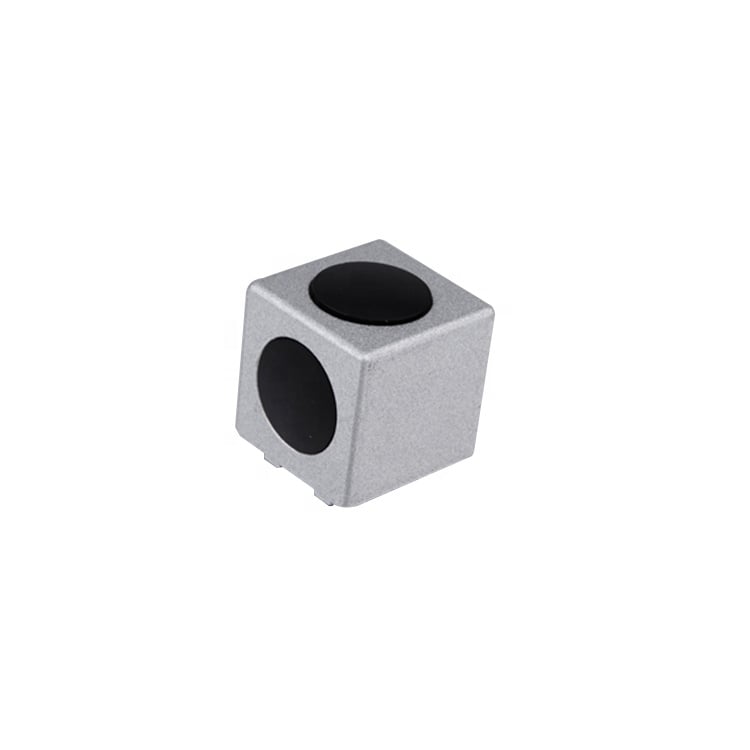
Angle connectors are essential fastening components designed to join two structural elements at perpendicular angles, typically forming 90-degree joints. These versatile L-shaped fasteners provide critical structural support across numerous industrial and commercial applications, from machinery assembly to architectural frameworks. Understanding the primary uses and advantages of angle connectors helps engineers, manufacturers, and construction professionals select the right fastening solution for their specific project requirements and load-bearing needs.
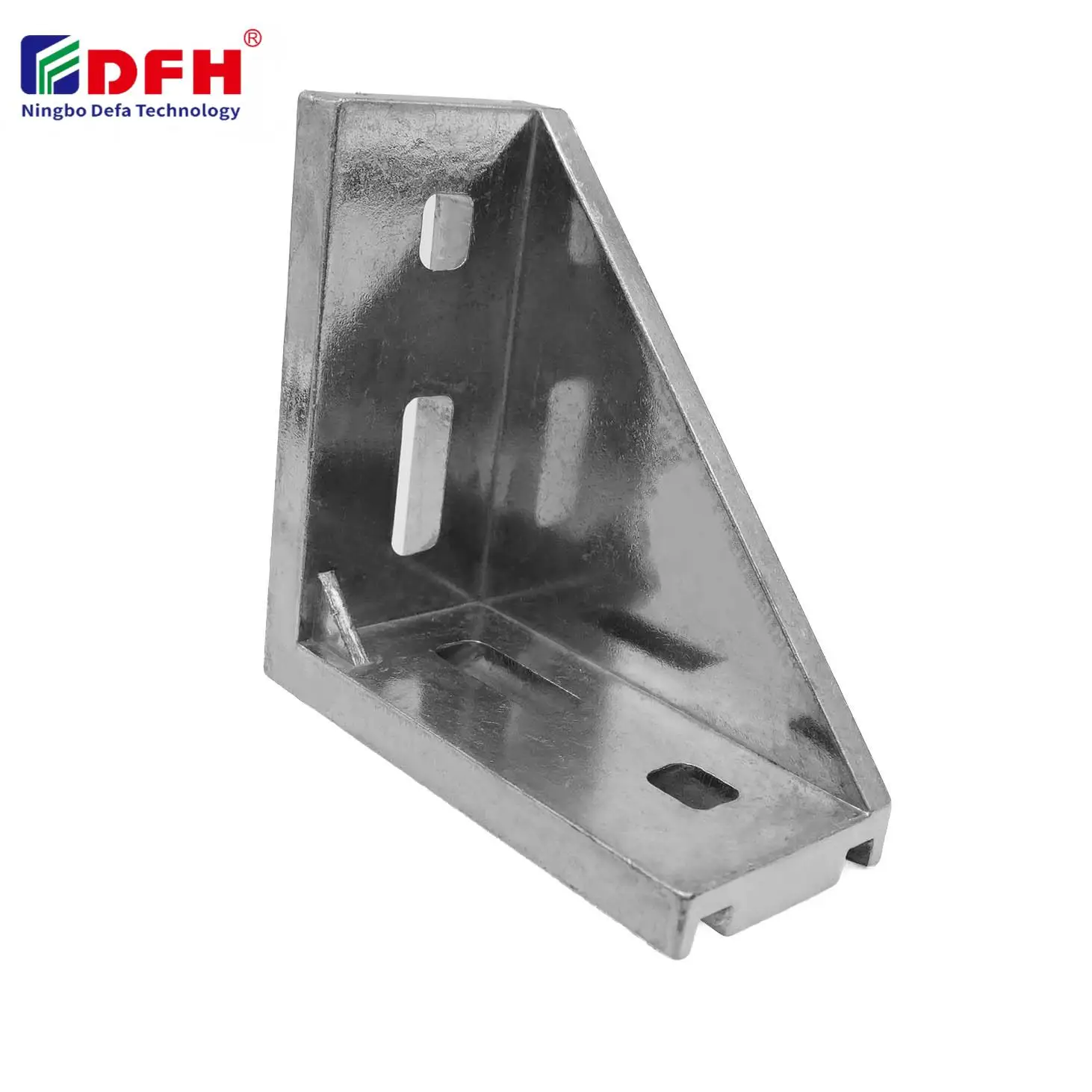
The primary purpose of angle connectors is to create rigid, load-bearing connections between perpendicular structural members. Whether you are reinforcing a frame, assembling machinery components, or constructing architectural elements, these L-shaped fasteners deliver dependable joint integrity. By distributing stress evenly across the connection point, angle connectors minimize deflection and enhance overall structural stability. This article explores the key applications, design features, and selection criteria that make angle connectors indispensable in modern industrial design.
In machinery manufacturing, L-shaped fasteners are critical for connecting motor mounts, support frames, and transmission housings. These 90-degree joints ensure that rotating components remain properly aligned and supported, preventing vibration-related failures and extending equipment lifespan. Manufacturers rely on angle connectors to create modular assembly designs that allow quick disassembly for maintenance and reconfiguration. The structural rigidity provided by corner brackets reduces operational noise and vibration, improving both product quality and worker safety in industrial environments.
Construction projects extensively use corner brackets to reinforce beam-to-column connections, creating stable frameworks for buildings, bridges, and industrial structures. These L-shaped fasteners transfer vertical and horizontal loads efficiently, ensuring that perpendicular members share stress distribution equally. By anchoring angle connectors to structural steel or aluminum extrusions, engineers create cost-effective yet reliable joint systems. The modularity of these fastening components allows architects and builders to standardize connection details across multiple construction phases.
Angle connectors are manufactured from various materials including aluminum, stainless steel, and carbon steel, each selected based on environmental exposure and load requirements. Aluminum L-shaped fasteners offer excellent corrosion resistance and lightweight characteristics, making them ideal for outdoor installations and aerospace applications. Stainless steel corner brackets provide superior durability in chemically aggressive environments such as food processing or marine installations. Carbon steel angle connectors deliver maximum load-bearing capacity for heavy industrial machinery and structural applications requiring high rigidity and strength.
Each angle connector design includes specific load ratings that engineers must match to their application requirements. The capacity of 90-degree joints depends on material thickness, fastener diameter, and connection method such as welding, bolting, or adhesive bonding. Proper engineering analysis ensures that corner brackets will safely support anticipated static and dynamic loads without permanent deformation or failure. Manufacturers provide detailed load charts and technical specifications to guide selection, helping designers optimize both safety margins and cost efficiency in their fastening solutions.
One major benefit of angle connectors is their modular nature, enabling designers to create reconfigurable assemblies adapted to changing production needs or facility layouts. These L-shaped fasteners integrate seamlessly with standard extrusion profiles and structural components, reducing lead times and manufacturing complexity. Installation requires basic hand tools or automated fastening equipment, minimizing assembly labor costs and reducing operational downtime. The standardization of corner bracket dimensions across different manufacturers promotes supply chain flexibility and competitive pricing.
By concentrating load distribution at perpendicular joints, angle connectors eliminate the need for more expensive welding operations or complex custom brackets. The efficiency of 90-degree joints makes corner brackets an economical choice for both prototype development and high-volume manufacturing. These fasteners provide predictable performance characteristics, reducing design iteration cycles and accelerating time-to-market. Engineers consistently choose L-shaped fasteners because they balance structural performance, material costs, and installation speed without sacrificing reliability.
Load capacity varies by material, thickness, and size, with typical corner brackets handling anywhere from several hundred to several thousand pounds depending on the specific design. Most manufacturers provide detailed load charts listing static and dynamic capacity ratings for each model. Engineers should always verify that selected angle connectors exceed anticipated maximum loads by at least a 2:1 safety factor to ensure long-term reliability.
Yes, stainless steel and aluminum angle connectors offer excellent corrosion resistance for outdoor installations, marine applications, and chemically aggressive industrial environments. Proper material selection ensures that 90-degree joints will maintain structural integrity without degradation over extended service periods. Protective coatings or regular maintenance further extends the lifespan of corner brackets in harsh environmental conditions.
Start by determining your load requirements, environmental conditions, and assembly method. Cross-reference these parameters with manufacturer specifications to identify suitable angle connectors with appropriate material, size, and load rating. Consulting engineering datasheets and load tables helps ensure proper selection of L-shaped fasteners that balance performance, safety, and cost for your specific project needs.
2026/09/30
Source aluminum profiles for versatile modular framing. Learn extrusion mechanics, strength benefits & corrosion resistance. Request details.
2026/09/30
Source aluminum profiles for construction projects. Learn structural framing, cladding & window benefits for maximum ROI. Download guide.
2026/09/30
Source optimal aluminum profile sizing techniques. Evaluate load, space, alloy, environment & cost factors to prevent deflection. Download guide.
2026/09/30
Struggling with fastener failures or rework? Master screw sizing by diameter, pitch, material, and load—plus industry-specific standards. Optimize reliability & compliance now.
2026/09/30
Source aluminum profiles for industrial engineering. Discover strength-to-weight ratios, corrosion resistance & 30% cost savings. Download guide.
2026/09/30
Source heat-resistant aluminum profile systems. Master thermal expansion science & stress management strategies for industrial builds. Download guide.