EN
EN
What is Aluminum Profile and How Does It Work?
2026/09/30
Source aluminum profiles for versatile modular framing. Learn extrusion mechanics, strength benefits & corrosion resistance. Request details.

2026/09/24
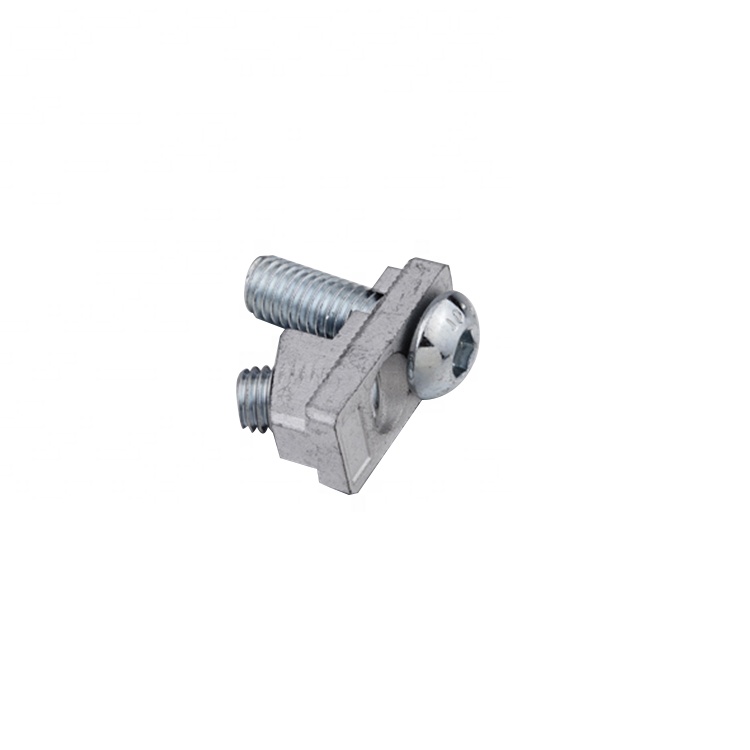
Selecting the right plate connectors is critical for any structural fastening application. These components serve as the vital link between structural elements, bearing loads and ensuring stability across industrial, construction, and manufacturing environments. Understanding how to choose plate connectors correctly protects your investment, ensures worker safety, and guarantees long-term structural integrity. This guide walks through the essential factors that determine proper plate connector selection.
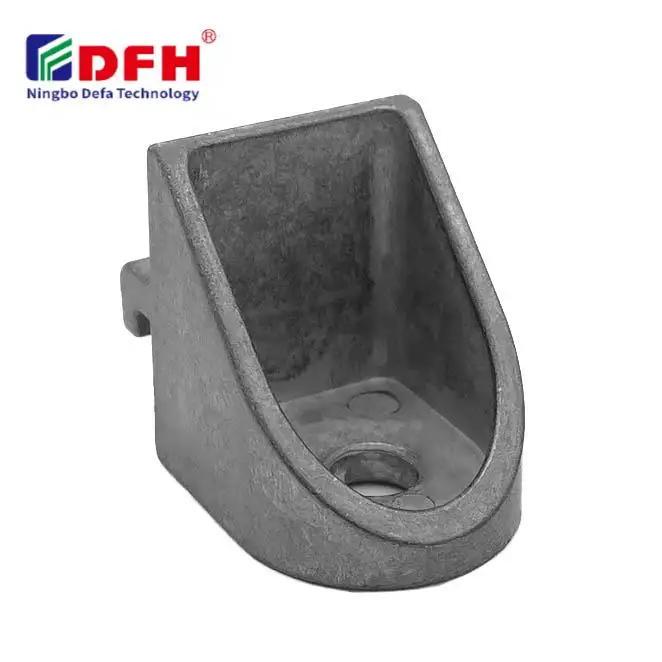
Plate connectors represent a category of structural fastening solutions designed to join framework, distribute forces efficiently, and create reliable load-bearing junction components. Modern modular connection systems have evolved to support diverse industrial requirements, from lightweight assemblies to heavy-duty applications. Choosing the wrong size leads to premature failure, downtime, and safety hazards. The process requires understanding load calculations, material properties, environmental conditions, and application-specific standards.
Every plate connector selection begins with a clear understanding of the loads your structure will experience. Dynamic loads, static loads, shear forces, and tensile stresses all influence the required size and material composition of your fastening solution. Calculate the total load per connection point by dividing the distributed load by the number of connection points. This fundamental calculation ensures your structural fastening solutions are neither undersized nor wastefully oversized. Real-world applications demand precision here; underestimating load capacity creates catastrophic risk.
The material grade of your plate connectors directly affects how much force each unit can safely withstand. High-strength steel plate connectors offer superior load capacity compared to standard grades, making them ideal for demanding modular connection systems. Consider environmental factors such as corrosion exposure, temperature fluctuations, and chemical contact. Galvanized or stainless-steel plate connectors provide extended service life in harsh conditions. Selecting the appropriate material grade ensures your load-bearing junction components perform reliably over their intended lifespan.
Proper sizing of plate connectors involves matching dimensions to both the structural members being joined and the fasteners used to secure them. Larger connection areas distribute loads more evenly, reducing stress concentration and extending component life. Hole diameter, spacing, and pattern must align with your fastener specifications and design standards. Mismatched hole sizes weaken the overall connection and waste material. Modern structural fastening solutions employ standardized hole patterns to ensure compatibility across different assembly scenarios and modular connection systems.
Thickness represents one of the most critical sizing parameters for plate connectors because it directly determines bending and shear resistance. Thicker plates provide greater load capacity but increase weight and material costs. Engineering calculations must balance performance requirements against practical constraints. Load-bearing junction components require sufficient thickness to prevent deformation under maximum anticipated loads. Many standards provide thickness tables correlating load capacity to plate dimensions, simplifying the selection process for common applications.
Different industries enforce specific standards governing plate connectors and structural fastening solutions. Construction projects often reference building codes and AISC specifications, while manufacturing environments may follow ISO standards or proprietary requirements. Modular connection systems frequently need certification for load ratings and material composition. Understanding which standards apply to your project prevents costly rework and ensures compliance with safety regulations. Always verify that your chosen plate connectors meet or exceed the applicable codes for your jurisdiction and industry sector.
Environmental exposure fundamentally shapes plate connector selection. Outdoor applications, marine environments, or chemical exposure require corrosion-resistant materials and protective coatings. Galvanized plate connectors extend service life in these conditions, while stainless-steel alternatives provide premium protection. Load-bearing junction components in harsh climates benefit from regular maintenance planning. Evaluating environmental factors upfront prevents unexpected failures and extends the operational lifespan of your structural fastening solutions significantly.
Begin by documenting all loads and forces acting on your connection point using detailed calculations or finite-element analysis. Next, identify applicable standards and compliance requirements for your industry. Then, determine the appropriate material grade based on strength requirements and environmental conditions. Calculate the minimum plate thickness needed to resist calculated stresses safely. Finally, verify that hole configurations align with your fastener specifications and structural member requirements. This systematic approach ensures comprehensive plate connector selection every time.
After selecting plate connectors for your application, verification steps confirm the design meets performance criteria. Tensile testing, shear testing, or pull-through testing validates that selected components perform as intended under worst-case scenarios. Prototype assembly and load testing identify potential installation issues before full-scale deployment. Modular connection systems benefit from this validation phase because they may support multiple assembly configurations. Structural fastening solutions perform optimally when backed by rigorous verification and testing protocols.
Load capacity stands as the primary factor, followed by material grade, environmental exposure, and applicable standards. Your calculations must accurately reflect the maximum anticipated loads, including safety factors. Plate Connectors must be sized to handle these loads while providing long-term reliability. Material selection and environmental protection considerations ensure durability beyond the initial installation period.
Thickness calculation depends on calculated loads, acceptable stress limits, and material grade. Engineering standards provide thickness tables for common scenarios, but custom applications require engineering analysis. Thicker plates resist bending and shear forces more effectively, but excessive thickness adds unnecessary weight and cost. Modular connection systems often use standardized thickness options to balance performance against practical manufacturing and assembly constraints. Consult with your structural engineer or reference industry standards to verify the appropriate thickness for your specific application.
Yes, specific standards apply depending on your industry and geographic location. Construction projects typically reference AISC specifications, building codes, and local regulations. Manufacturing environments may require ISO compliance or proprietary load-bearing junction component standards. Verify which standards govern your project before finalizing plate connector selections. Compliance protects against liability, ensures safety, and provides confidence that your structural fastening solutions meet recognized performance benchmarks.
2026/09/30
Source aluminum profiles for versatile modular framing. Learn extrusion mechanics, strength benefits & corrosion resistance. Request details.
2026/09/30
Source aluminum profiles for construction projects. Learn structural framing, cladding & window benefits for maximum ROI. Download guide.
2026/09/30
Source optimal aluminum profile sizing techniques. Evaluate load, space, alloy, environment & cost factors to prevent deflection. Download guide.
2026/09/30
Struggling with fastener failures or rework? Master screw sizing by diameter, pitch, material, and load—plus industry-specific standards. Optimize reliability & compliance now.
2026/09/30
Source aluminum profiles for industrial engineering. Discover strength-to-weight ratios, corrosion resistance & 30% cost savings. Download guide.
2026/09/30
Source heat-resistant aluminum profile systems. Master thermal expansion science & stress management strategies for industrial builds. Download guide.