EN
EN
What is Aluminum Profile and How Does It Work?
2026/09/30
Source aluminum profiles for versatile modular framing. Learn extrusion mechanics, strength benefits & corrosion resistance. Request details.

2026/09/30
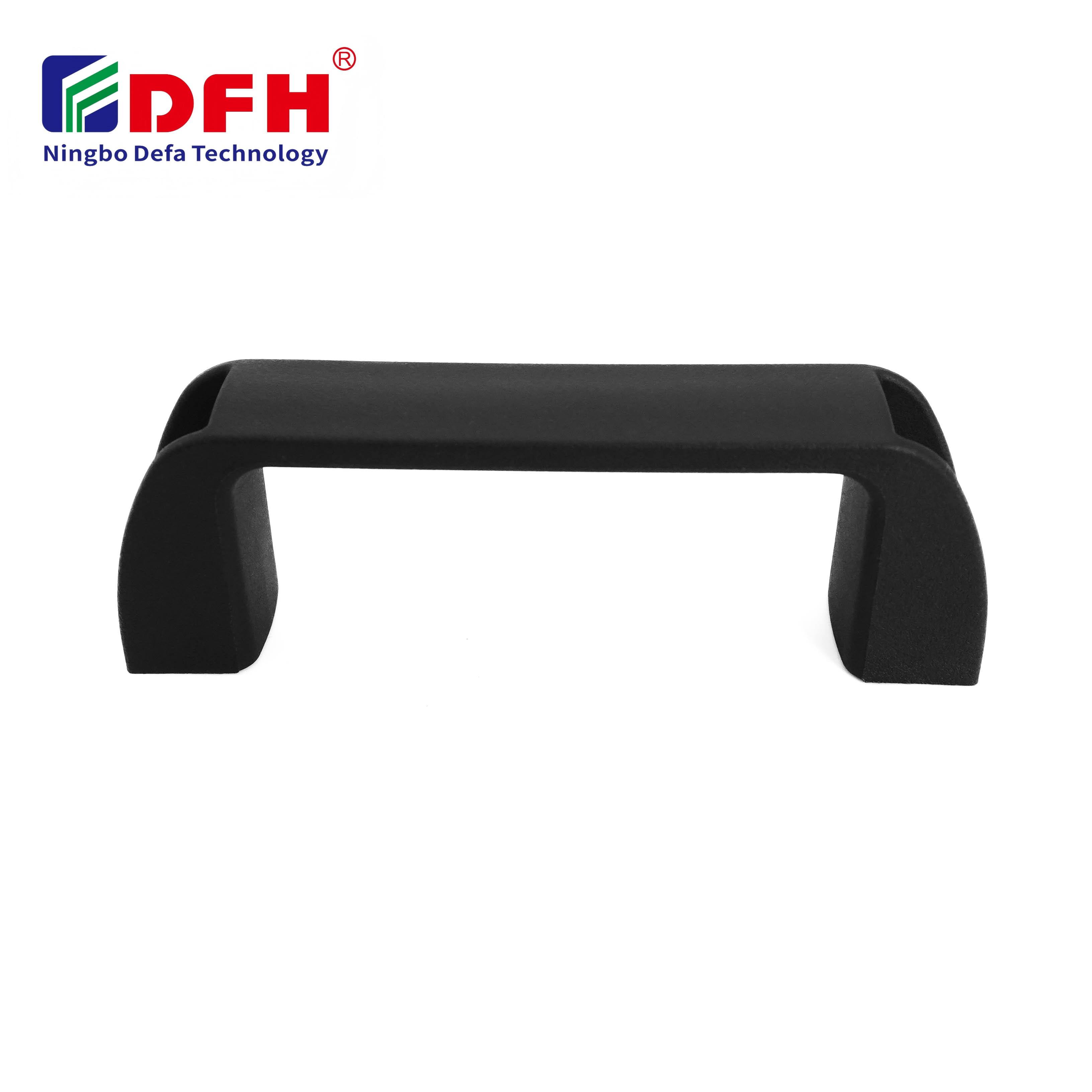
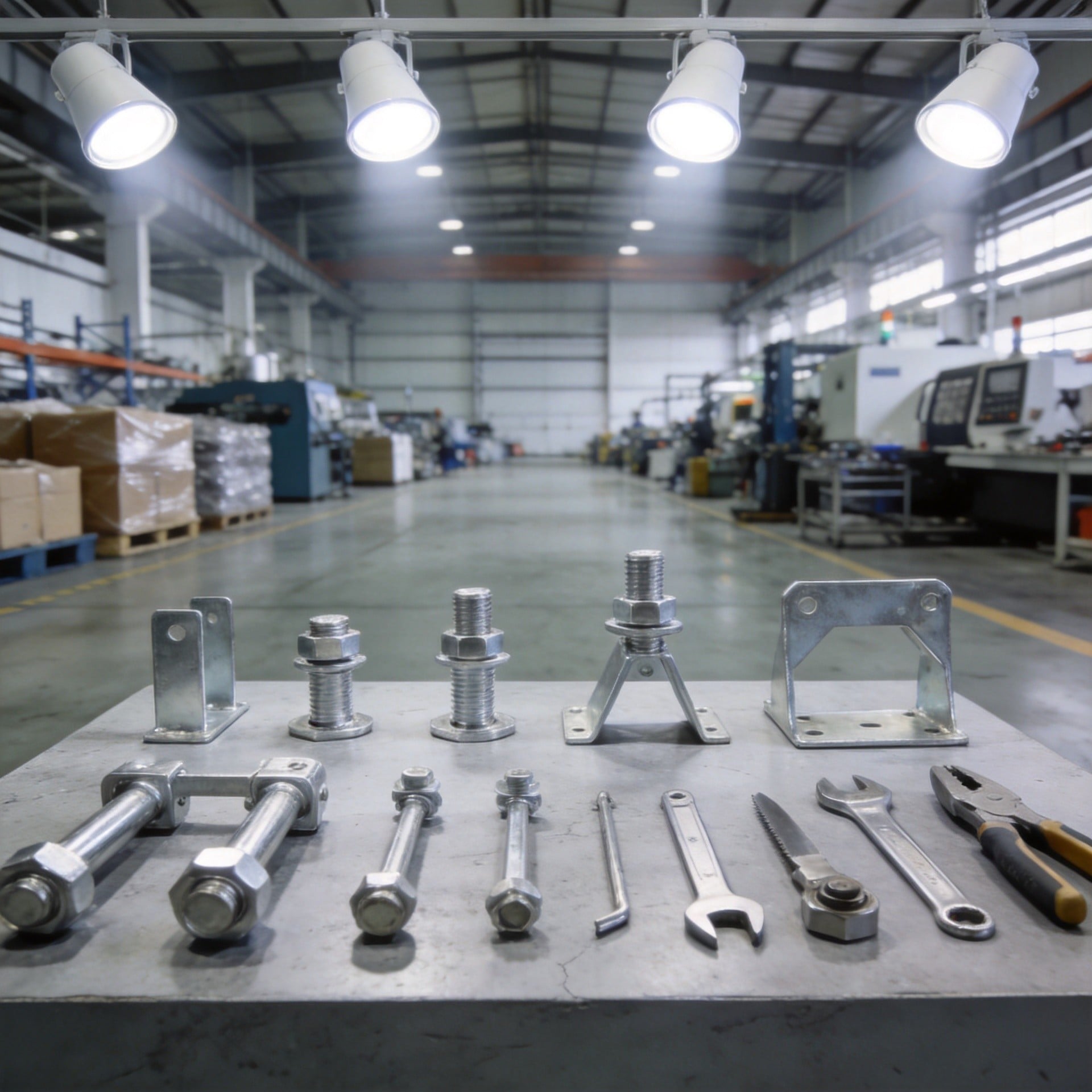
Installing an Aluminum Profile system requires precision, planning, and adherence to proven installation methods. Whether you are building a structural framework, automated machinery enclosure, or modular workstation, the quality of your installation directly impacts durability, safety, and operational efficiency. Proper installation of aluminum frame systems ensures that all components align correctly, load-bearing capacity remains intact, and future modifications can be made without structural compromise.
Industrial aluminum extrusions have become the standard choice for constructing modular systems across manufacturing, automation, and facility management sectors. Their lightweight nature combined with high structural strength makes them ideal for applications ranging from assembly lines to clean room partitioning. Understanding the step-by-step installation process, from initial planning through final assembly, helps you avoid costly errors and ensures your aluminum frame systems perform reliably throughout their operational life.
Before you begin physical installation of your extruded aluminum system, conduct a thorough review of your design specifications and site conditions. Measure the installation area multiple times using precision measuring tools to verify dimensions match your project drawings. Industrial aluminum extrusions must be positioned according to exact specifications to ensure load distribution is uniform and all connection points align properly. Document any discrepancies between planned dimensions and actual site conditions, then adjust your installation sequence accordingly to accommodate these variations.
Gather all necessary hardware, connectors, and fastening components before work begins. Inspect each aluminum frame system component for damage, surface defects, or manufacturing variations that could affect assembly quality. Lay out your materials in an organized manner near the installation site to streamline the assembly workflow. A well-prepared workspace reduces installation time and minimizes the risk of missing steps or using incorrect fastening methods.
Ensure the installation surface is clean, level, and capable of supporting the weight of your completed extruded aluminum system. Remove any debris, dust, or obstacles that could interfere with accurate placement or component alignment. Check that the ambient environment meets specifications for aluminum profile installations, particularly temperature and humidity ranges that might affect expansion or contraction. If your aluminum frame systems will be exposed to moisture, corrosive chemicals, or extreme temperatures, consider applying protective coatings or selecting anodized aluminum profiles for enhanced durability.
Begin installation by establishing a stable foundation for your aluminum profile structure. Place base plates at each corner and load-bearing point, ensuring they rest flat against the support surface with no gaps or rocking. Use appropriate anchoring methods such as bolts, concrete anchors, or floor clamps depending on your surface type and structural requirements. Verify that all base connections are secured with the correct fastener size and torque specification for your extruded aluminum application to prevent shifting during subsequent assembly phases.
Level each base section precisely using a quality level tool before proceeding to vertical installation. Any deviation at the foundation stage will compound as you add height to your aluminum frame systems, potentially leading to alignment problems at upper assembly levels. Secure temporary bracing if needed to maintain base stability while you work on higher sections of the structure.
Install vertical industrial aluminum extrusions by carefully inserting them into the base connectors and checking alignment at multiple points. Use a plumb bob or laser level to verify that each vertical profile is truly vertical before tightening fasteners. If your aluminum frame systems incorporate multiple vertical sections, ensure they are parallel to adjacent profiles to maintain structural integrity and component fit. Tighten all connection fasteners in a sequential pattern to distribute pressure evenly rather than fully securing one connection before moving to the next.
As you progress upward with your aluminum profile installation, periodically verify horizontal alignment and squareness using diagonal measurements. Cross-brace your structure temporarily if it shows any tendency to lean or twist. This intermediate checking prevents discovery of misalignment errors only after the entire system is assembled, which would require costly disassembly and reinstallation.
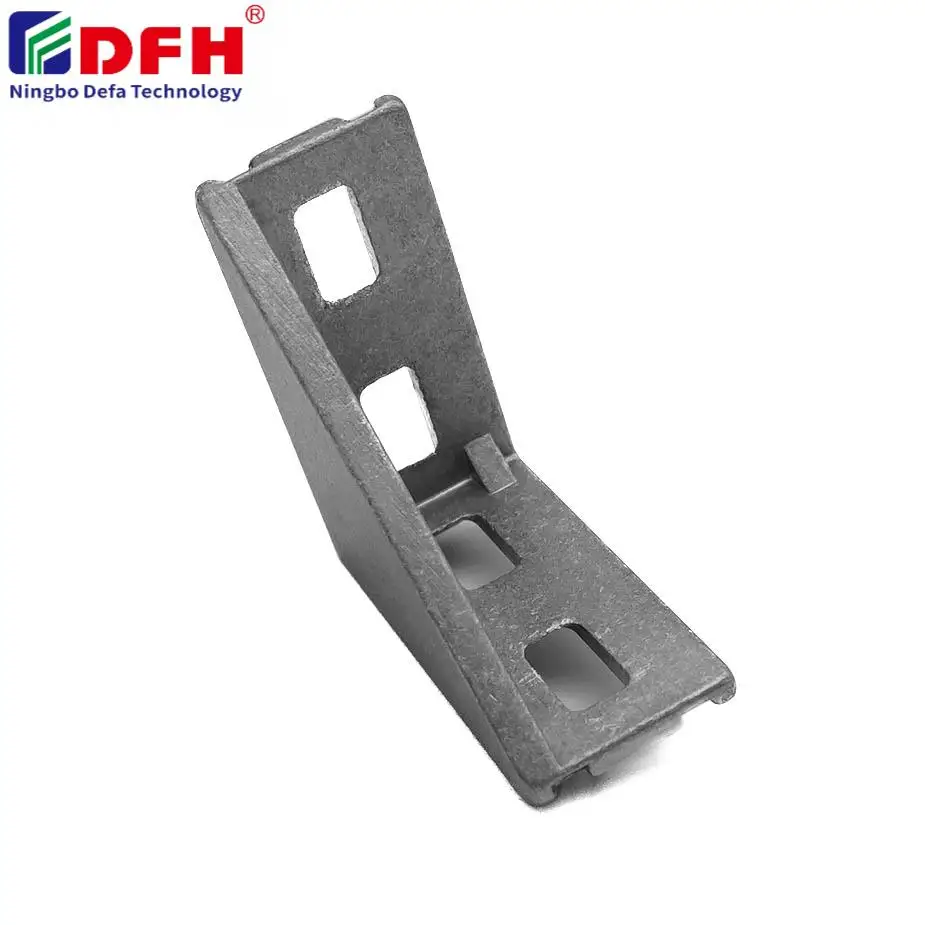
Connect horizontal members to vertical supports using the appropriate extruded aluminum connectors specified in your design. Ensure each connector is fully seated within the profile grooves before inserting fasteners. For applications requiring structural rigidity, use corner braces and gusset plates to reinforce joints, particularly at load-bearing points. Verify that all horizontal members are level and properly spaced according to your design specifications before final fastener tightening.
Complete the assembly by installing any capping or finishing elements on exposed aluminum profile ends. These components protect the interior slots from debris infiltration and provide a professional finished appearance. Apply threadlocker compound to fasteners in vibration-prone applications to prevent gradual loosening over time.
Once your aluminum profile installation is structurally complete, conduct a comprehensive inspection of all connections, fasteners, and alignment before placing operational loads on the system. Check that every bolt, connector, and fastener is properly tightened according to specification. Apply test loads incrementally, monitoring for any unexpected movement, flexing, or audible shifting that would indicate inadequate assembly. For industrial aluminum extrusions supporting machinery or personnel, load testing validates that the structure will safely perform under real operating conditions.
Document test results and make notes of any components requiring adjustment or additional fastening. Perform a final visual inspection of the entire aluminum frame systems installation, paying particular attention to connection quality and surface condition. Verify that any protective coatings or finishes remain intact and undamaged from the assembly process.
Develop a maintenance schedule appropriate for your installed aluminum profile system based on its operational environment and application demands. Regularly inspect fasteners for signs of loosening and tighten as needed to maintain structural integrity. Clean aluminum frame systems periodically to remove buildup of dust or corrosive materials that could accelerate degradation. In harsh environments, plan periodic reapplication of protective coatings to preserve the material properties of your extruded aluminum components over their service life.
Keep detailed records of your installation, including specifications, assembly dates, maintenance performed, and any modifications made to the system. This documentation supports future troubleshooting and ensures that anyone servicing the aluminum profile installation understands its original design intent and construction quality standards.
Essential tools include precision measuring equipment, levels, plumb bobs or laser alignment tools, wrenches and socket sets, and torque wrenches for correct fastener tightening. Having quality alignment tools ensures your extruded aluminum components are positioned accurately from the first assembly phase, reducing rework and improving overall installation quality.
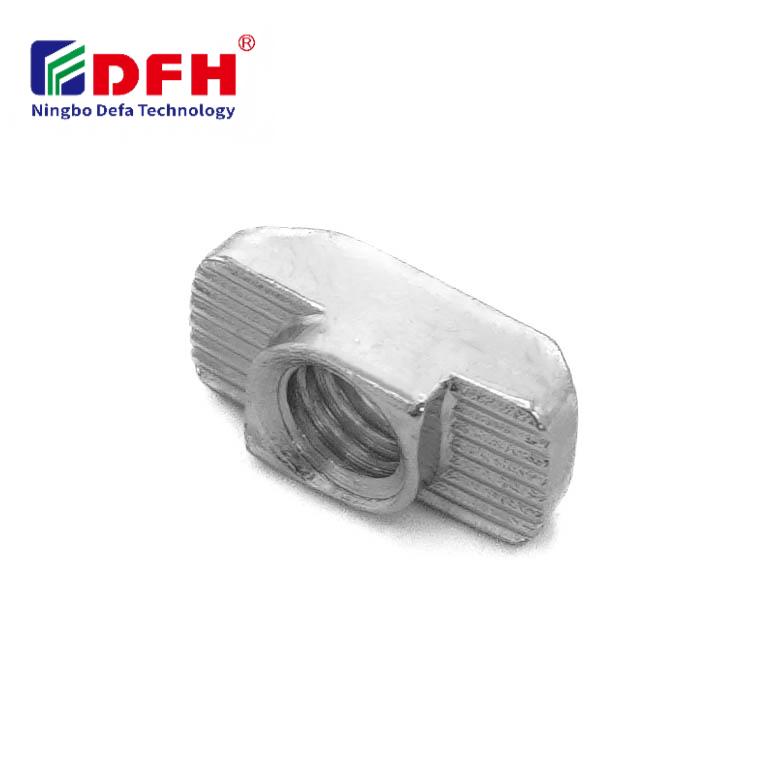
Using fasteners with correct size, material, and torque specification is critical to maintaining structural integrity and load-bearing capacity of your aluminum profile system. Undersized fasteners cannot safely support design loads, while overtightening can damage both the connector and the extruded aluminum profile. Proper fastener selection and installation technique directly determines how long your industrial aluminum extrusions will maintain performance without loosening or failure.
Yes, one major advantage of modular aluminum frame systems is their adaptability. Properly installed aluminum profile structures can be disassembled and reconfigured to meet changing operational needs. The slotted design of extruded aluminum profiles allows addition of components at any position without requiring structural modification, making these systems ideal for facilities requiring regular layout changes or production adjustments.
2026/09/30
Source aluminum profiles for versatile modular framing. Learn extrusion mechanics, strength benefits & corrosion resistance. Request details.
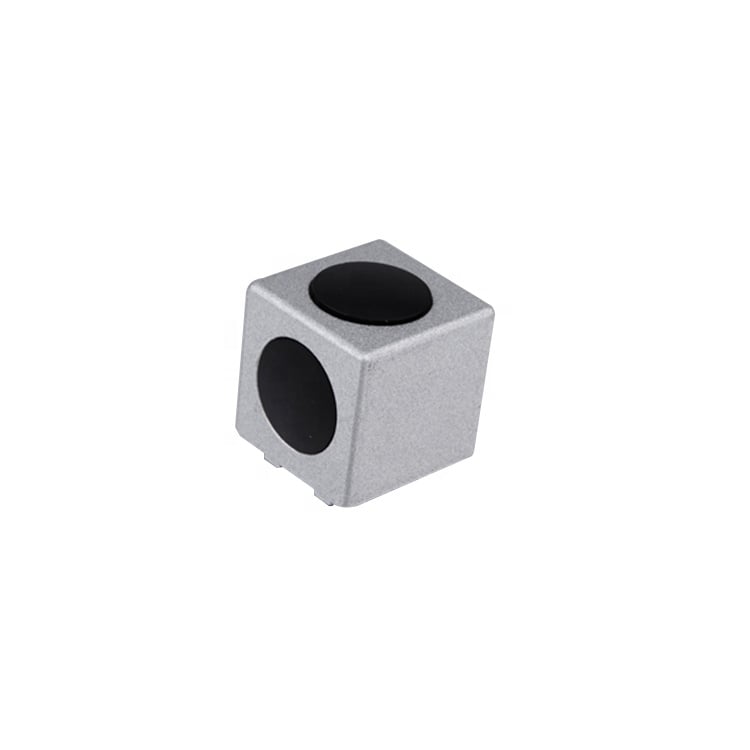
2026/09/30
Source aluminum profiles for construction projects. Learn structural framing, cladding & window benefits for maximum ROI. Download guide.
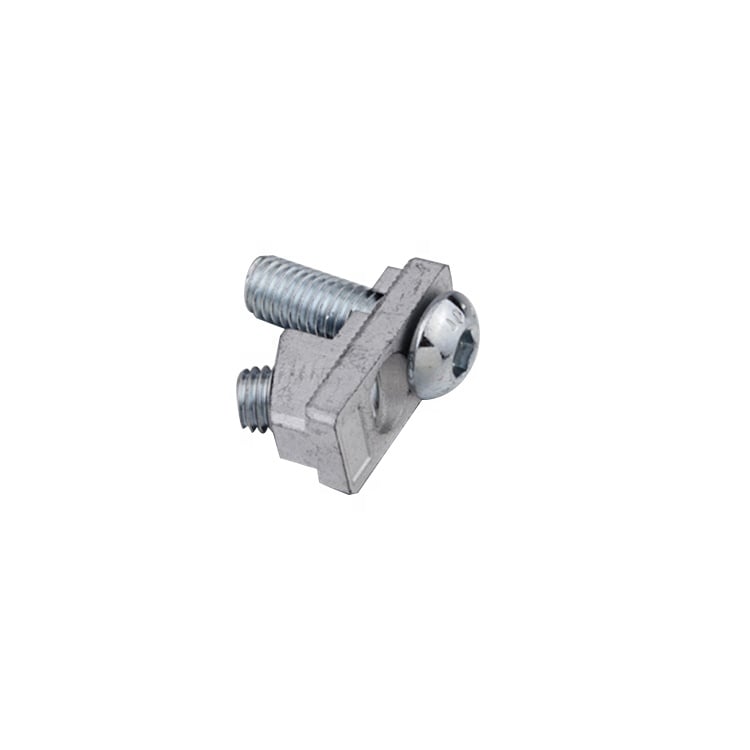
2026/09/30
Source optimal aluminum profile sizing techniques. Evaluate load, space, alloy, environment & cost factors to prevent deflection. Download guide.
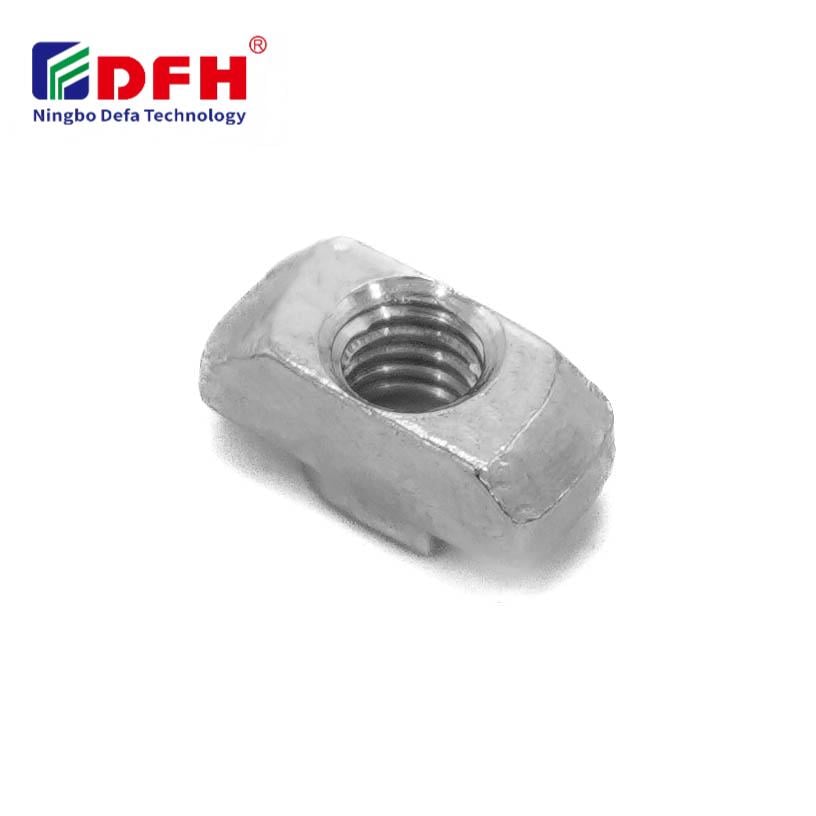
2026/09/30
Struggling with fastener failures or rework? Master screw sizing by diameter, pitch, material, and load—plus industry-specific standards. Optimize reliability & compliance now.
2026/09/30
Source aluminum profiles for industrial engineering. Discover strength-to-weight ratios, corrosion resistance & 30% cost savings. Download guide.
2026/09/30
Source heat-resistant aluminum profile systems. Master thermal expansion science & stress management strategies for industrial builds. Download guide.