EN
EN
What is Aluminum Profile and How Does It Work?
2026/09/30
Source aluminum profiles for versatile modular framing. Learn extrusion mechanics, strength benefits & corrosion resistance. Request details.

2026/09/29
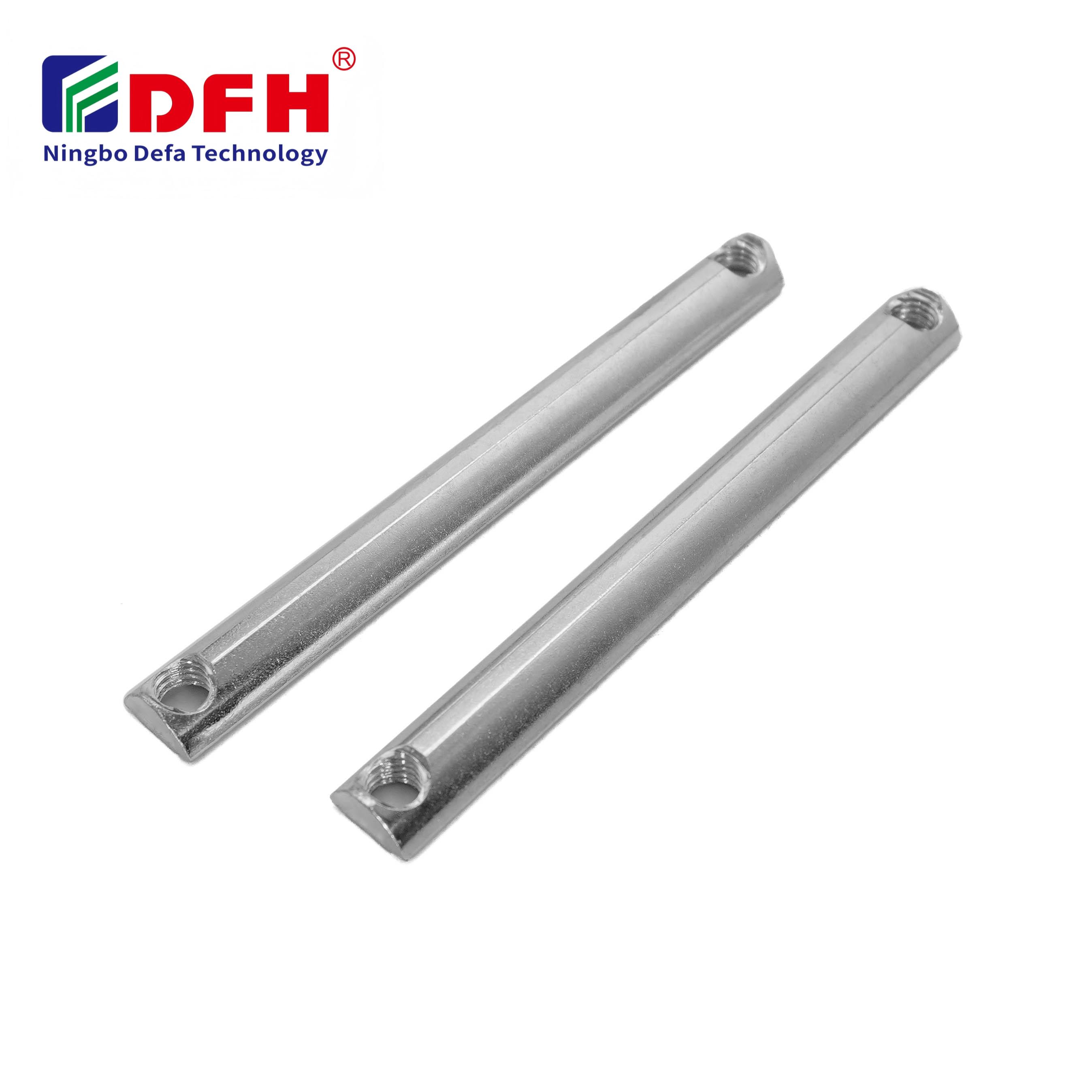
T nuts are essential components in industrial assembly and manufacturing, particularly in systems requiring adjustable connections and modular frameworks. Over time, vibration, thermal expansion, and operational stress can cause T nuts to loosen, compromising structural integrity and operational safety. Understanding how to prevent T Nut loosening is critical for maintaining equipment reliability and reducing costly downtime in production environments.
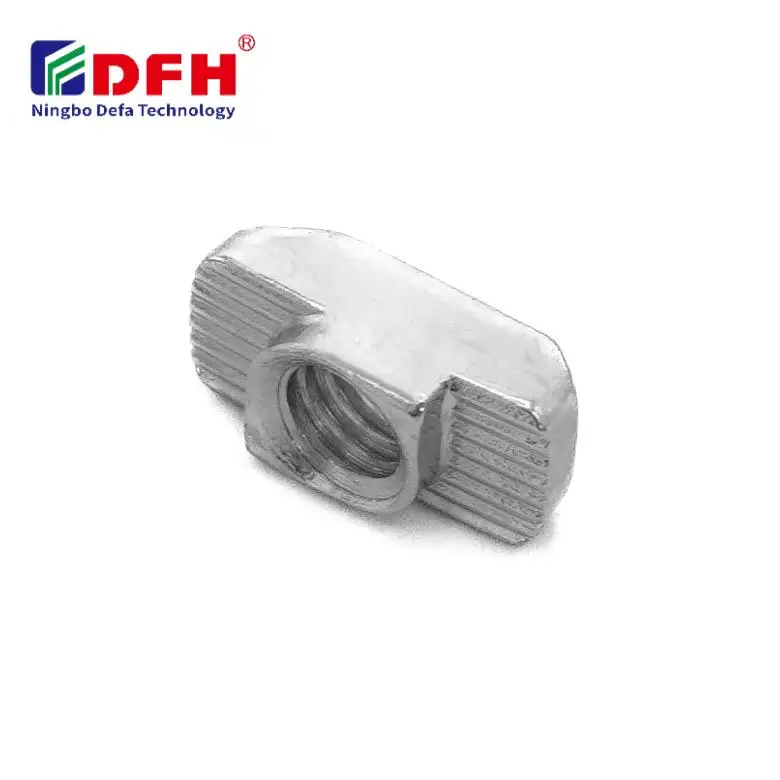
Preventing T Nut loosening requires a multifaceted approach combining proper installation techniques, material selection, and maintenance protocols. Whether you work with aluminum profile systems, machinery assemblies, or modular frameworks, implementing these strategies will ensure your fastening hardware remains secure and your slot nut assembly performs reliably throughout its operational life.
T nuts experience loosening through several interconnected mechanisms. Vibration is the primary culprit, causing cyclic stress that gradually reduces the clamping force between fastening hardware components. Thermal cycling creates expansion and contraction cycles, introducing play within the threaded insert interface. Mechanical shock, impact loads, and dynamic stress further accelerate loosening. Additionally, inadequate initial installation torque leaves the T Nut insufficiently clamped, allowing early loosening under even modest operational conditions.
The threaded insert itself can experience microslip, where the bolt rotates slightly within the slot nut assembly without fully disengaging. This phenomenon occurs when clamping force gradually diminishes below critical thresholds. Environmental factors including moisture ingress, corrosion, and debris accumulation also compromise the interface between the T Nut and mounting surface, reducing effective clamping action over extended periods.
Loose T nuts create cascading problems in production systems. Equipment misalignment develops when fastening hardware fails, leading to premature wear on connected components. Safety hazards emerge when structural connections fail unexpectedly. Quality defects appear in manufactured products when assembly fixtures lose precision due to loose threaded insert components. Maintenance interruptions increase significantly as workers must repeatedly retighten fastening hardware, diverting resources from productive activities and increasing labor costs substantially.
Proper installation is fundamental to preventing T Nut loosening. Begin by cleaning the slot nut assembly thoroughly, removing any dirt, oil, or debris that could interfere with seating. Apply controlled torque using calibrated tools to ensure fastening hardware reaches optimal clamping force without exceeding material limits. Under-torquing leaves insufficient preload, while over-torquing can strip the threaded insert or cause permanent deformation. Document all torque specifications and verify compliance during installation and routine inspections.
Implement a systematic torque verification protocol at specific intervals, particularly after initial installation and during preventive maintenance cycles. Use a T Nut sizing guide to ensure correct bolt diameter and thread pitch for your application. Train installation personnel on proper technique and provide them with torque specification references readily accessible at installation points.
Thread-locking compounds provide reliable protection against fastening hardware vibration-induced loosening. These chemical additives fill microscopic gaps within the threaded insert interface, creating friction that resists rotation. Select thread-locking products rated for your specific operating temperature range and application demands. Medium-strength formulations work well for most industrial applications, offering adequate security while remaining removable for future maintenance. Apply compounds conservatively, placing small amounts on bolt threads before insertion into the slot nut assembly.
Mechanical locking solutions complement chemical approaches effectively. Lock washers increase friction between fastening hardware surfaces, resisting relative motion. Nord-Lock washers employ wedge-locking technology that maintains clamping force even under vibration. Serrated washers create rough interfaces that resist sliding. Nylon-insert lock nuts (where compatible) provide self-locking action through plastic friction. Select locking methods based on your specific threaded insert requirements, temperature limits, and reusability expectations for maintenance cycles.
Establish systematic inspection schedules to detect loosening before it causes failures. After initial installation, inspect fastening hardware after 24 hours and one week, as most loosening occurs early during this settling phase. Subsequently, perform quarterly or seasonal inspections depending on operational intensity and environmental conditions. Document all findings, creating a maintenance database that identifies patterns and predicts future issues. Replace corroded or damaged fastening hardware immediately, as compromised surfaces cannot maintain proper clamping action within your slot nut assembly.
Monitor equipment vibration levels using portable vibration meters, as increased vibration often signals loosening fastening hardware before visible signs appear. Perform thermal imaging to identify temperature variations suggesting improper contact in the threaded insert interface. Correlate loosening patterns with operational cycles to identify specific stress conditions requiring additional protection measures or design modifications.
Material selection significantly influences T Nut loosening resistance. Stainless steel fastening hardware offers excellent corrosion resistance in harsh environments where moisture could degrade fastening effectiveness. High-strength alloy steel provides superior clamping force retention under heavy loads. Zinc-plated options deliver cost-effective corrosion protection for general industrial applications. Match fastening hardware material to your slot nut assembly and mounting surface materials to prevent galvanic corrosion and surface degradation. Ensure the threaded insert material compatibility prevents cross-thread damage and ensures consistent performance across installation cycles.
Evaluate your slot nut assembly configuration for design improvements that naturally resist loosening. Increase surface contact area by using larger diameter washers under bolt heads, distributing clamping pressure more evenly. Specify higher thread pitch specifications where appropriate, as coarser threads can exhibit better vibration resistance in some applications. Consider redundant fastening hardware configurations for critical connections, providing backup security if primary fastening hardware loosens. Incorporate guidepins or dowel pins alongside T Nut assemblies to share structural loads, reducing stress concentration on individual fastening hardware and the threaded insert.
Examine slot geometry and profile dimensions to ensure optimal engagement with fastening hardware. Tapered or contoured internal surfaces within the slot nut assembly can improve seating and reduce microslip. Modern T Nut designs feature wedging angles that increase clamping force retention under vibration. Consult engineering specifications for your specific aluminum profile or structural system, as newer designs often incorporate advanced features that prevent loosening more effectively than older standards.
Establish inspection intervals based on operational intensity and environmental conditions. For high-vibration equipment or systems experiencing frequent thermal cycling, monthly inspections are recommended. Standard industrial applications benefit from quarterly checks, while moderate-use systems typically need semi-annual inspections. Always perform immediate inspections after equipment relocation, major operational changes, or when fastening hardware loosening is suspected. After initial installation of threaded insert assemblies, increase inspection frequency during the first month, as most loosening occurs during this settling period.
Most medium-strength thread-locking compounds allow removal with standard hand tools after curing, though removal effort increases over time. Heat application can facilitate removal of older compound residues. However, removing and reinstalling fastening hardware typically requires fresh thread-locking compound application to maintain slot nut assembly security. Always inspect the threaded insert for residual compound and damage before reinstalling. If you frequently remove and reinstall the same fastening hardware, consider using removable thread-locking formulations specifically designed for reusable applications, or switch to mechanical locking solutions like Nord-Lock washers that don't require adhesives.
Persistent loosening indicates underlying issues with fastening hardware installation or application conditions. Verify that bolts are torqued to correct specifications using calibrated tools; under-torquing is the most common cause of continued loosening. Inspect the slot nut assembly and mounting surfaces for damage, corrosion, or debris that prevents proper seating. Check whether vibration levels exceed the design parameters for your fastening hardware type. If problems persist, switch from chemical locking compounds to mechanical solutions like lock washers or upgraded T Nut designs with enhanced anti-rotation features. Consult equipment manufacturers or fastening engineers for design modifications addressing your specific threaded insert application challenges.
2026/09/30
Source aluminum profiles for versatile modular framing. Learn extrusion mechanics, strength benefits & corrosion resistance. Request details.
2026/09/30
Source aluminum profiles for construction projects. Learn structural framing, cladding & window benefits for maximum ROI. Download guide.
2026/09/30
Source optimal aluminum profile sizing techniques. Evaluate load, space, alloy, environment & cost factors to prevent deflection. Download guide.
2026/09/30
Struggling with fastener failures or rework? Master screw sizing by diameter, pitch, material, and load—plus industry-specific standards. Optimize reliability & compliance now.
2026/09/30
Source aluminum profiles for industrial engineering. Discover strength-to-weight ratios, corrosion resistance & 30% cost savings. Download guide.
2026/09/30
Source heat-resistant aluminum profile systems. Master thermal expansion science & stress management strategies for industrial builds. Download guide.