EN
EN
What is Aluminum Profile and How Does It Work?
2026/09/30
Source aluminum profiles for versatile modular framing. Learn extrusion mechanics, strength benefits & corrosion resistance. Request details.

2026/09/30
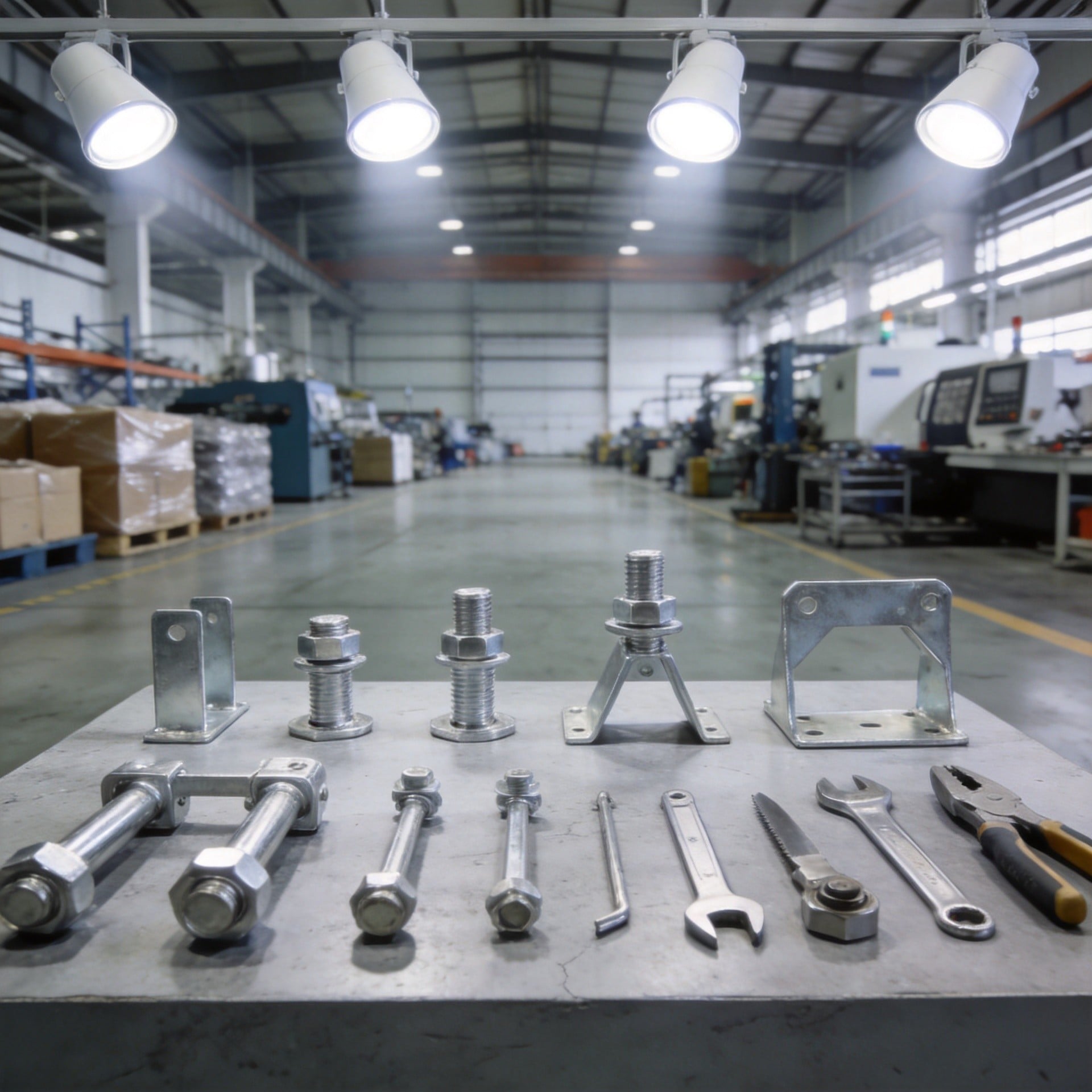
Loosened screws represent one of the most common maintenance challenges in industrial and construction applications. Whether securing machinery components, structural elements, or mechanical assemblies, screws that lose tension can lead to equipment failure, safety hazards, and costly downtime. Understanding how to prevent screws from loosening over time is essential for any professional working with fastened assemblies. This comprehensive guide explores the mechanisms behind screw loosening, practical prevention strategies, and proven techniques that keep your fasteners secure and reliable throughout their operational life.
The challenge of preventing fastener failure spans multiple industries, from automotive and aerospace to manufacturing and civil engineering. Vibration, thermal cycling, material fatigue, and improper installation all contribute to screw loosening. By selecting appropriate fasteners, applying the right techniques, and maintaining consistent quality control, organizations can dramatically reduce the incidence of fastener-related failures and extend equipment lifespan significantly.
Vibration is the primary cause of screw loosening in most industrial environments. When equipment operates, machines vibrate at various frequencies, creating micromovements that gradually reduce clamping force. This phenomenon occurs because each vibration cycle causes slight relative motion between the screw and the clamped material. Over time, these microscopic movements accumulate, causing the screw to back out progressively. The severity of loosening depends on vibration amplitude, frequency, and the specific characteristics of your fasteners and bolts types used in the assembly.
Temperature fluctuations cause materials to expand and contract at different rates, creating stress that weakens threaded fastening connections. When a screw is exposed to heating followed by cooling, the clamping force gradually diminishes as materials move relative to one another. This thermal cycling is particularly problematic in outdoor applications, engines, and industrial equipment exposed to temperature variations. The difference in thermal expansion coefficients between different bolt types and base materials amplifies this effect, making proper fastener selection critical for applications with significant temperature swings.
Choosing the correct bolt types directly impacts resistance to loosening. High-strength fasteners provide superior clamping force retention compared to standard screws. Stainless steel, alloy steel, and specialized coatings offer enhanced durability in demanding environments. When selecting fasteners for critical applications, consider the material composition, tensile strength, and environmental resistance required. Threaded fastening performance improves significantly when fastener specifications match the application's mechanical and environmental demands. Different bolt types perform differently under vibration and thermal stress, so matching your choice to the specific use case is fundamental.
Modern Screws are manufactured with increasingly precise thread geometry designed to maintain clamping force. Fine-pitch threads generate greater preload capacity and resist loosening better than coarse-pitch alternatives. Advanced thread forms, including nylon-insert designs and deformed-thread configurations, provide superior locking characteristics. When evaluating threaded fastening options, review the thread pitch, profile accuracy, and any mechanical locking features. Fasteners engineered with these specifications maintain their grip through extended operation and resist the micromovements that cause traditional fasteners to fail.
Thread-locking compounds represent a highly effective prevention method for maintaining secure fastener joints. These specialized adhesives create a permanent or semi-permanent bond between screw and threaded hole, preventing the relative motion that causes loosening. Medium-strength formulations allow future disassembly while providing robust resistance to vibration and thermal cycling. Nylon-insert lock nuts and deformed-thread designs work through mechanical interference, creating friction that prevents bolt types from rotating backward. For critical fasteners, combining mechanical locking features with thread-locking adhesive provides redundant protection and exceptional reliability.
Proper installation technique is paramount for fastener performance. Applying the correct torque specification ensures adequate clamping force without overstressing the fastener, base material, or fasteners connection. Under-torqued connections fail quickly under vibration, while over-torqued fasteners risk thread stripping and weakened clamping. Using calibrated torque wrenches and following manufacturer specifications eliminates guesswork. Ensuring clean threads, proper hole preparation, and consistent installation practices dramatically improves fastener reliability. For threaded fastening applications with demanding requirements, documented installation procedures and quality verification checkpoints prevent costly assembly errors.
High-vibration environments and critical safety applications demand advanced retention strategies beyond standard fasteners. Spring washers, belleville washers, and friction-lock washers maintain clamping force by accommodating material movement while preserving preload. Self-locking fasteners, incorporating nylon inserts or deformed-thread sections, provide passive resistance without additional components. For aerospace and automotive applications, specialized bolt types with integrated locking features meet stringent certification requirements. These engineered solutions combine multiple prevention mechanisms, ensuring fasteners remain secure throughout extended operational lifecycles even under extreme conditions.
Preventive maintenance programs are essential for long-term fastener security. Regular inspections identify loosening before failures occur, allowing timely re-tightening and component replacement. Establishing inspection schedules based on equipment usage patterns, environmental conditions, and historical failure data ensures comprehensive coverage. Vibration monitoring and acoustic testing can detect loosening in early stages, preventing catastrophic failures. Documentation systems track fastener replacement intervals, materials used, and torque specifications for each assembly, enabling consistent quality and troubleshooting of persistent loosening issues across your organization.
Fasteners loosen due to vibration, thermal cycling, incorrect torque, poor installation, and inadequate fastener specifications. High-quality fasteners installed with proper technique and appropriate locking mechanisms resist loosening significantly better than standard alternatives. The specific application environment, including vibration frequency, temperature range, and operational stress, determines which prevention strategies prove most effective. Material compatibility and regular maintenance also play crucial roles in maintaining fastener security throughout equipment lifespan.
Thread-locking compounds work effectively for most applications but require careful selection based on fastener type, material, and future serviceability requirements. Medium-strength formulations provide excellent vibration resistance while remaining removable for maintenance and repairs. Some applications benefit from mechanical locking mechanisms instead of adhesives, particularly where frequent disassembly is expected. Always verify compatibility between the thread-locking compound and the fastener material to prevent corrosion or degradation. Professional application following manufacturer guidelines ensures optimal performance and reliability.
Inspection frequency depends on the application's vibration level, temperature variations, and criticality to operations. High-vibration equipment may require weekly or monthly inspections initially, then transition to quarterly schedules once fastener integrity is confirmed. Less demanding applications often benefit from semi-annual or annual inspection programs. Many organizations implement baseline torque checks after initial startup, then establish maintenance intervals based on observed fastener stability and industry best practices. Documentation systems help track inspection history and identify fasteners requiring replacement or upgraded retention mechanisms.
2026/09/30
Source aluminum profiles for versatile modular framing. Learn extrusion mechanics, strength benefits & corrosion resistance. Request details.
2026/09/30
Source aluminum profiles for construction projects. Learn structural framing, cladding & window benefits for maximum ROI. Download guide.
2026/09/30
Source optimal aluminum profile sizing techniques. Evaluate load, space, alloy, environment & cost factors to prevent deflection. Download guide.
2026/09/30
Struggling with fastener failures or rework? Master screw sizing by diameter, pitch, material, and load—plus industry-specific standards. Optimize reliability & compliance now.
2026/09/30
Source aluminum profiles for industrial engineering. Discover strength-to-weight ratios, corrosion resistance & 30% cost savings. Download guide.
2026/09/30
Source heat-resistant aluminum profile systems. Master thermal expansion science & stress management strategies for industrial builds. Download guide.