EN
EN
What is Aluminum Profile and How Does It Work?
2026/09/30
Source aluminum profiles for versatile modular framing. Learn extrusion mechanics, strength benefits & corrosion resistance. Request details.

2026/09/17
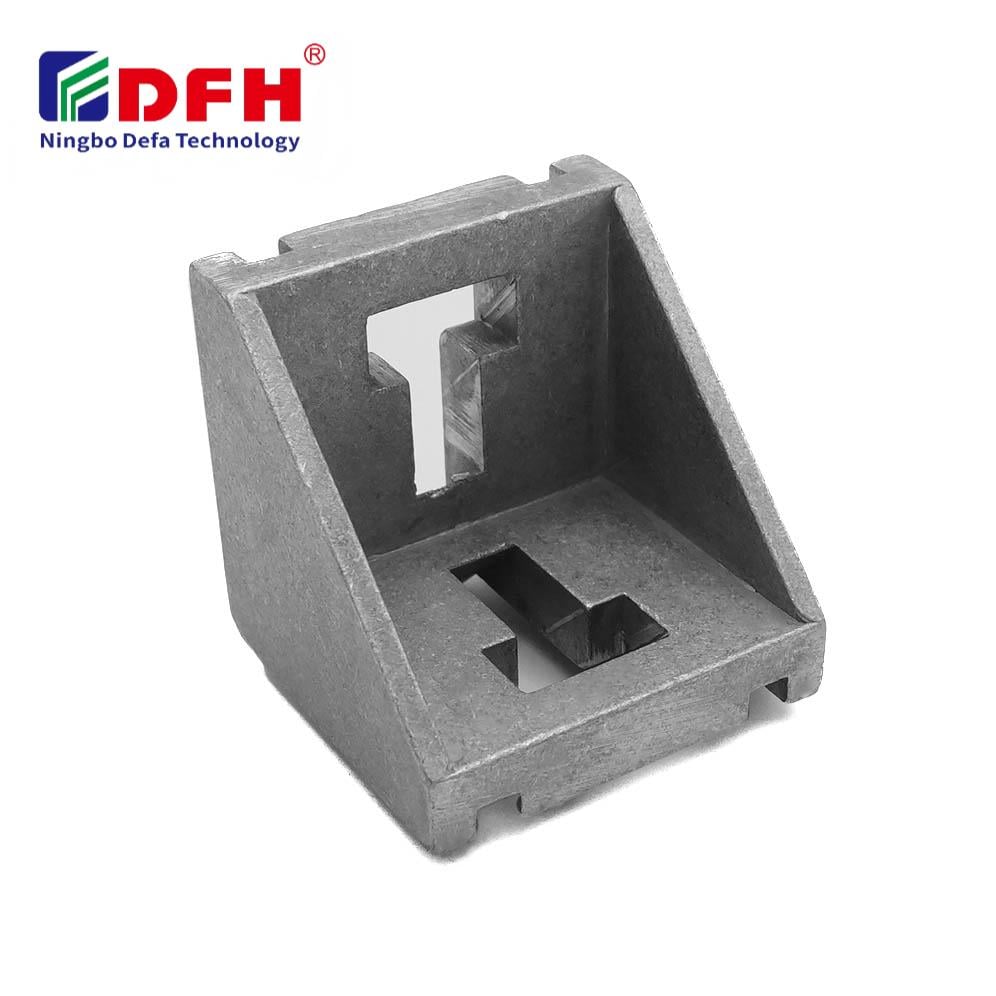
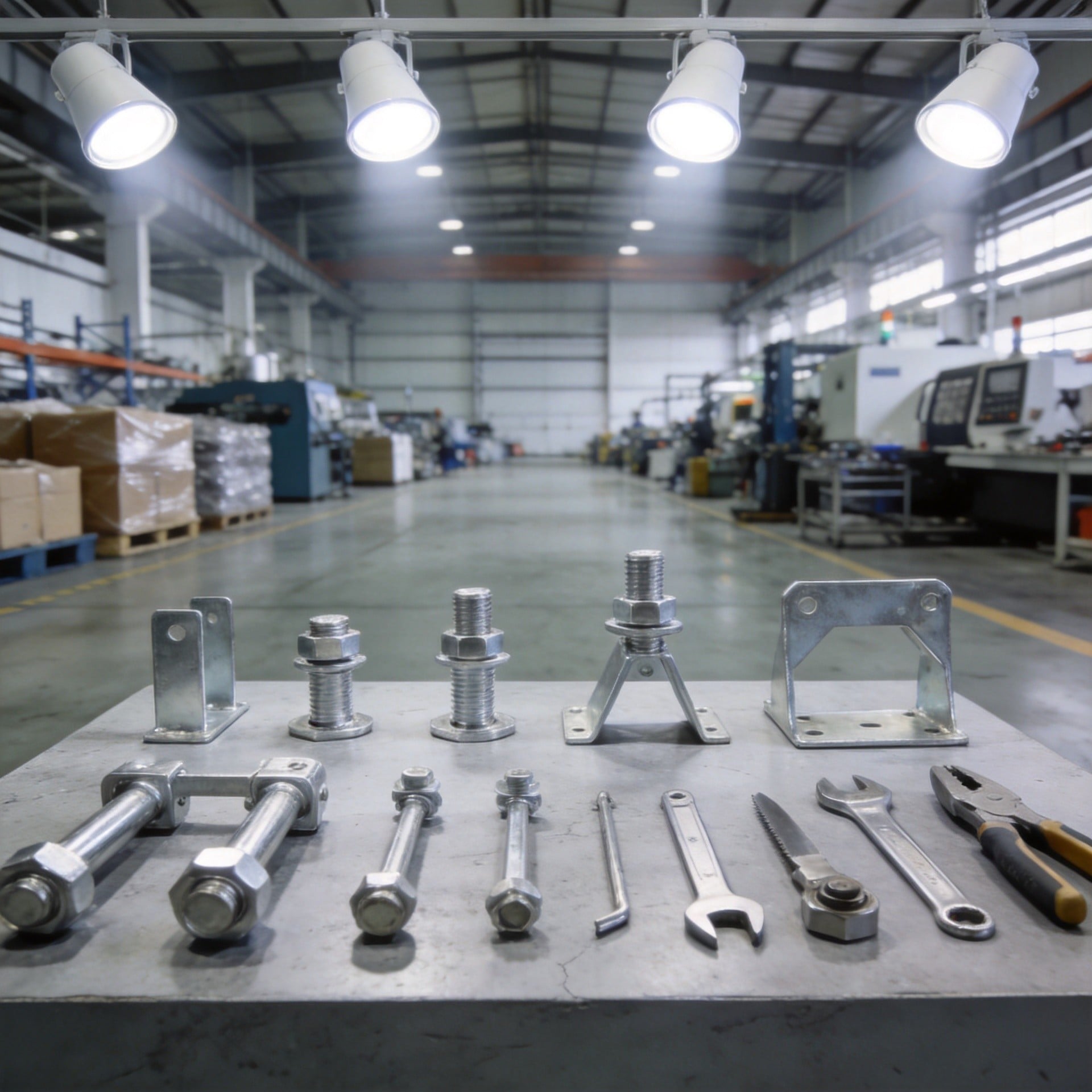
Leveling feet are critical components in countless industrial, commercial, and residential applications where equipment stability and precision alignment matter. Whether mounted on machinery, workstations, furniture, or structural assemblies, leveling feet prevent wobbling, reduce vibration, and ensure safe operation. However, one persistent challenge that facility managers and maintenance teams face is preventing leveling feet loosening over time. Loose leveling feet compromise equipment safety, product quality, and worker confidence. Understanding the root causes and implementing effective prevention strategies is essential for any operation that relies on stable, level equipment.
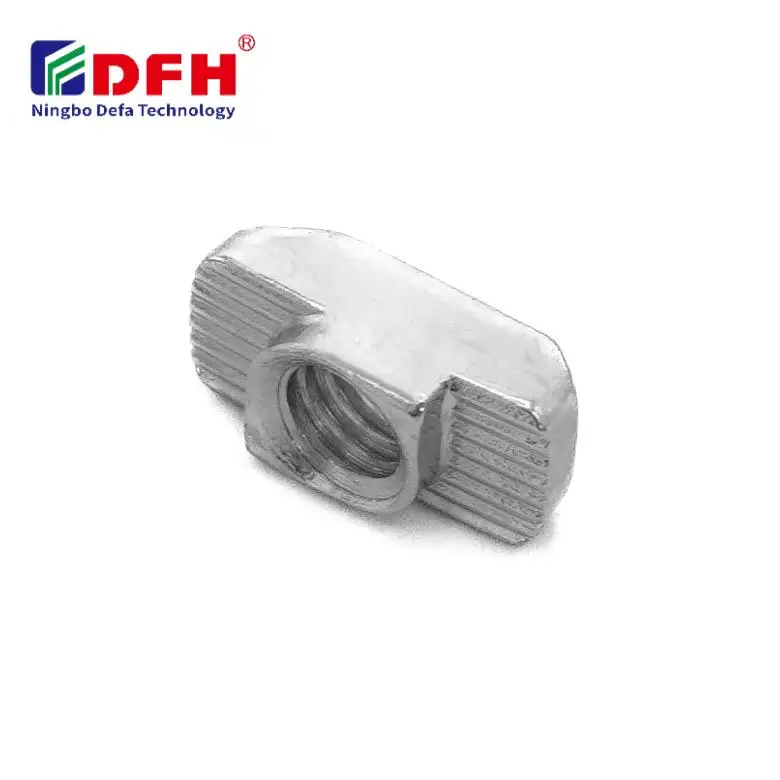
The challenge of leveling feet loosening is not random or unavoidable. It stems from specific mechanical stresses, environmental factors, and installation practices. By recognizing these drivers and applying targeted prevention measures, organizations can dramatically reduce maintenance downtime and extend the service life of their equipment. This guide explores the science behind leveling feet loosening, presents practical prevention strategies, and offers actionable solutions for industrial, furniture, and adjustable leveling feet installations across diverse operational environments.
Machinery and equipment in motion generate continuous vibration, even at modest operational speeds. These vibrations create micro-movements at connection points where leveling feet attach to equipment bases. Over thousands or millions of cycles, these micro-movements accumulate and gradually work fasteners loose. Industrial leveling feet, which typically support heavy loads and experience significant oscillation, are particularly vulnerable. The combination of axial load, lateral force, and rotational stress means that even well-installed feet can loosen if vibration is not properly managed. Understanding this dynamic helps operators appreciate why passive installation alone is insufficient for long-term stability.
Not all leveling feet materials interact equally with their mounting surfaces. Mismatched material pairs—such as steel feet on aluminum equipment or vice versa—can create galvanic corrosion that weakens thread engagement over time. Additionally, adjustable leveling feet subjected to temperature fluctuations experience differential expansion and contraction. Threads in corroded or compromised condition lose grip force gradually, allowing rotation and axial creep. Furniture leveling feet made from plastic or rubber compounds can compress under sustained load, reducing effective thread contact area and contributing to fastener loosening. Selecting compatible materials and understanding thermal behavior is foundational to preventing leveling feet loosening.
Installation quality directly determines how long leveling feet remain secure. When installing adjustable leveling feet, technicians should hand-tighten fasteners first, then use calibrated torque tools to achieve the specified installation torque—never guessing or over-tightening by feel. Over-torquing causes thread stripping, while under-torquing leaves excess play. Using thread-locking compounds rated for your specific fastener type and material combination creates a permanent adhesive bond that prevents vibrational loosening without making future adjustments impossible. Industrial leveling feet installations benefit from a secondary check: after 24 hours of equipment operation, re-verify all fastener torque values to catch and correct any initial settlement. This simple procedure eliminates the majority of early-stage loosening incidents.
Furniture leveling feet and industrial applications require scheduled inspection intervals. Monthly visual checks for visible gaps, tilting, or uneven base contact provide early warning signs of loosening. Quarterly or semi-annual torque verification using calibrated tools keeps fasteners within specification ranges. Equipment operating in high-vibration environments—such as manufacturing floors, printing facilities, or transportation hubs—benefits from more frequent inspection cycles. Creating a maintenance log that documents each inspection, tightening date, and torque values enables facilities to identify patterns: accelerating loosening may signal mounting surface wear, equipment misalignment, or evolving operational stresses that require attention. Preventive tightening, performed before failure occurs, costs far less than emergency repairs or extended downtime.
Beyond the leveling feet themselves, addressing the root cause of vibration reduces the mechanical stress that drives loosening. Vibration isolation pads, elastomeric mounts, or spring-based isolation systems placed beneath equipment absorb oscillatory energy before it reaches connection points. Foam damping materials or elastomer bushings integrated into adjustable leveling feet designs naturally attenuate vibration frequencies that would otherwise promote micro-movements. Industrial leveling feet specifically engineered with shock-absorbing properties offer superior long-term stability compared to rigid metal feet. When vibration is contained at the source, all fasteners—including those in leveling feet—experience dramatically reduced stress cycles and remain secure far longer without intervention.
Modern furniture leveling feet and industrial applications benefit from design innovations that inherently resist loosening. Self-locking feet featuring internal wedge mechanisms or ramped threads require continuous lifting force to turn in reverse, physically preventing accidental or vibrational unscrewing. Spherical or rounded foot designs distribute load more evenly, reducing stress concentration that would otherwise accelerate fastener fatigue. Stainless steel or coated alloy constructions eliminate corrosion-related grip loss that affects carbon steel in moisture-prone environments. Choosing leveling feet specifically engineered for your application—rather than generic alternatives—ensures material compatibility, appropriate load ratings, and vibration characteristics matched to operational reality. Design-driven prevention is passive, requiring no ongoing maintenance intervention, making it the most cost-effective long-term strategy.
Leveling feet loosen primarily due to vibrational forces that create micro-movements at fastener connection points over thousands of operational cycles. Even equipment installed perfectly can experience loosening because vibration is cumulative and occurs continuously during operation. Environmental factors like temperature swings, moisture, and material incompatibility accelerate this process. Regular re-tightening, vibration isolation, and thread-locking compounds counteract these natural forces.
Inspection frequency depends on operational intensity and environment. High-vibration industrial leveling feet installations benefit from quarterly or semi-annual torque checks; standard furniture leveling feet in offices may need inspection every 6–12 months. After initial installation, perform a secondary tightening check 24 hours later to address any immediate settlement. Document each inspection in a maintenance log to identify patterns and predict future tightening needs based on your specific equipment behavior.
Thread-locking compounds significantly reduce loosening risk by chemically bonding fasteners, but they are not absolute guarantees in extreme vibration environments. Medium-strength compounds allow future adjustments if needed, while permanent grades lock fasteners indefinitely. For adjustable leveling feet that require occasional height adjustments, medium-strength compounds offer the best balance: they prevent vibrational loosening while preserving your ability to make intentional corrections. Industrial applications with fixed-height requirements benefit from permanent-grade compounds combined with vibration isolation systems.
2026/09/30
Source aluminum profiles for versatile modular framing. Learn extrusion mechanics, strength benefits & corrosion resistance. Request details.
2026/09/30
Source aluminum profiles for construction projects. Learn structural framing, cladding & window benefits for maximum ROI. Download guide.
2026/09/30
Source optimal aluminum profile sizing techniques. Evaluate load, space, alloy, environment & cost factors to prevent deflection. Download guide.
2026/09/30
Struggling with fastener failures or rework? Master screw sizing by diameter, pitch, material, and load—plus industry-specific standards. Optimize reliability & compliance now.
2026/09/30
Source aluminum profiles for industrial engineering. Discover strength-to-weight ratios, corrosion resistance & 30% cost savings. Download guide.
2026/09/30
Source heat-resistant aluminum profile systems. Master thermal expansion science & stress management strategies for industrial builds. Download guide.