EN
EN
What is Aluminum Profile and How Does It Work?
2026/09/30
Source aluminum profiles for versatile modular framing. Learn extrusion mechanics, strength benefits & corrosion resistance. Request details.

2026/09/16
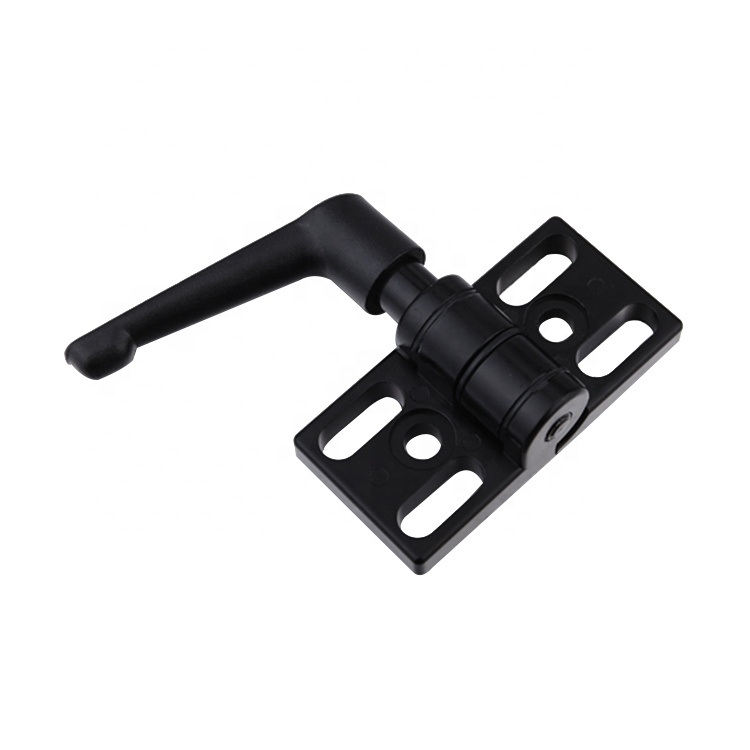
Hinge squeaking is one of the most common and frustrating issues in both residential and commercial settings. Whether it's a door that announces every entry or a cabinet that protests each opening, squeaking hinges disrupt the peace and signal underlying wear or maintenance problems. Understanding how to prevent hinge squeaking requires knowledge of proper installation, material selection, and routine care. By addressing squeaks early and implementing preventive strategies, you can extend the lifespan of your doors and cabinets while maintaining a quiet, professional environment.
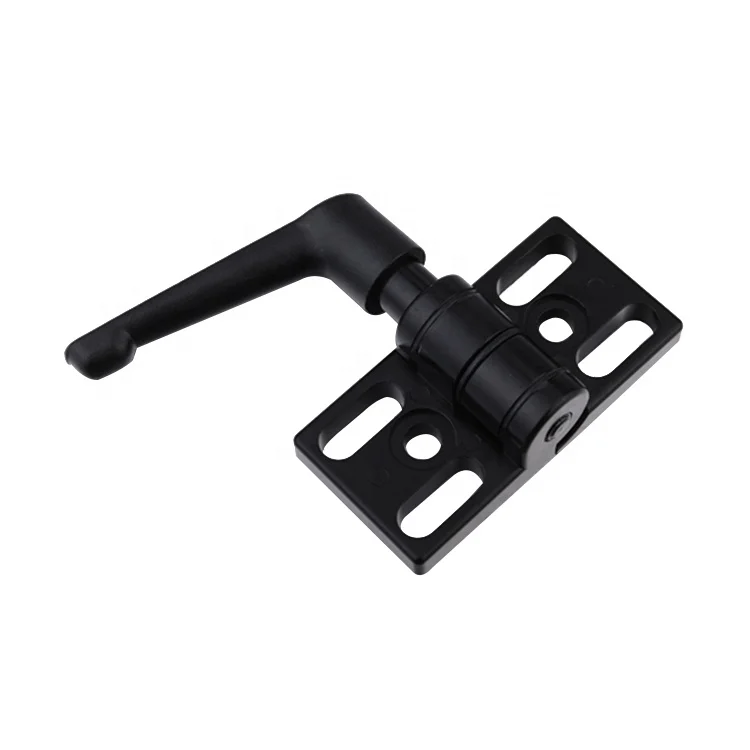
The root causes of hinge squeaking vary widely, from inadequate lubrication and metal-to-metal friction to misalignment and corrosion. Different hinge types respond differently to maintenance protocols, and understanding your specific hinge configuration is essential. Proper door hinge installation from the start significantly reduces the likelihood of squeaking problems later, while regular inspection and lubrication can prevent even well-installed hinges from developing noise issues over time.
The most common cause of hinge squeaking is inadequate lubrication between moving components. When a hinge rotates, metal parts rub against each other, and without sufficient lubricant, friction generates noise. Over months or years, factory-applied lubricants dry out or get displaced, leading to metal-on-metal contact. This friction accelerates wear on both the pin and barrel, creating a vicious cycle where squeaking worsens progressively. The frequency and pitch of the squeak often indicate how severe the lubrication deficit has become.
Poor door hinge installation or frame settlement can cause misalignment, where the door or cabinet door sits unevenly in its frame. When components bind or sit at slight angles, they create uneven pressure distribution across the hinge pin and barrel. This binding generates friction spots and accelerates wear, producing squeaks that intensify under load. Misalignment often worsens over time as materials settle or expand, making preventive inspection and correction critical during initial door hinge installation.
Cabinet hinge types vary significantly in material and construction, directly affecting squeak resistance and durability. Heavy-duty hinges made from corrosion-resistant stainless steel or powder-coated metal resist rust and maintain smooth operation longer than basic iron alternatives. The hinge load capacity determines how well the hinge supports weight without bending or binding, which influences squeaking propensity. Lower-quality cabinet hinge types with poor tolerances and cheap materials squeak more readily and fail faster under typical use patterns.
Modern cabinet hinge types incorporate self-closing mechanisms, ball bearings, and improved pin designs that reduce squeaking inherently. Hinges with tight tolerances and precision-engineered pins maintain better alignment and require less frequent lubrication. Some premium cabinet hinge types feature pre-lubricated barrels that release lubricant gradually during use, extending maintenance intervals. When selecting hinges for new installations, prioritizing these design features prevents many squeaking problems before they start, saving significant maintenance effort downstream.
Correct door hinge installation is foundational to preventing future squeaking. Each screw must be tightened evenly to ensure the hinge sits flush and level, preventing binding and misalignment. The hinge load capacity must match your specific door weight and usage pattern to avoid overstress and premature wear. During door hinge installation, verify that the door hangs plumb and that all hinge components sit properly aligned before final tightening. Rushing installation or using incorrect fasteners compromises the entire assembly and guarantees future noise problems.
After initial door hinge installation, check that the door opens and closes smoothly throughout its full range of motion. Any binding sensation or uneven contact indicates misalignment requiring correction before the hinge wears excessively. Adjusting screw tension or shim placement during this phase prevents problems that would otherwise require disassembly and repair later. Proper alignment protects the hinge load capacity from concentrated stress points, distributing force evenly across bearing surfaces and maintaining quiet operation.
Establishing a consistent lubrication schedule is the single most effective squeak prevention strategy. Apply a light machine oil, silicone spray, or specialized hinge lubricant directly to the hinge pin area every six months or whenever squeaking first appears. A few drops penetrate the barrel and coat internal surfaces, restoring smooth rotation and eliminating friction-induced noise. For high-use doors and cabinets, quarterly lubrication provides better results, especially in commercial environments or kitchens where humidity and temperature fluctuations accelerate lubricant breakdown.
Regular visual inspection of hinges catches wear patterns and misalignment before squeaking develops into a persistent problem. Look for visible rust, corrosion, or loose fasteners that compromise structural integrity and smooth operation. Test door movement periodically, listening for subtle noise changes that signal lubrication failure. Addressing minor issues immediately through lubrication or screw tightening prevents escalation to major problems requiring hinge replacement. This proactive approach maintains hinge load capacity and operational reliability across your entire facility.
Persistent squeaking after lubrication often indicates misalignment, binding, or worn internal components. If the hinge load capacity has been exceeded through impact or overuse, internal damage may prevent smooth pin rotation regardless of lubrication. Verify that cabinet doors sit level and that all fasteners are tightened evenly. If squeaking continues, the hinge may require replacement, particularly if rust or corrosion is visible inside the barrel.
Correct door hinge installation ensures that components are perfectly aligned and secured, eliminating binding and friction points that generate noise. When hinges sit flush and level from the start, stress distributes evenly across the assembly, and the hinge load capacity is fully utilized without localized pressure. Proper installation also prevents future misalignment from settling or movement, maintaining quiet operation throughout the hinge's service life.
Cabinet hinge types with precision engineering, tight tolerances, and high-quality materials resist squeaking more effectively than basic alternatives. Self-closing hinges with ball bearings and stainless steel or powder-coated construction offer superior durability and noise resistance. Premium hinges with pre-lubricated designs or sealed barrels maintain smooth operation longer and require less frequent maintenance. Matching the hinge load capacity to your specific application ensures reliable, quiet performance.
2026/09/30
Source aluminum profiles for versatile modular framing. Learn extrusion mechanics, strength benefits & corrosion resistance. Request details.
2026/09/30
Source aluminum profiles for construction projects. Learn structural framing, cladding & window benefits for maximum ROI. Download guide.
2026/09/30
Source optimal aluminum profile sizing techniques. Evaluate load, space, alloy, environment & cost factors to prevent deflection. Download guide.
2026/09/30
Struggling with fastener failures or rework? Master screw sizing by diameter, pitch, material, and load—plus industry-specific standards. Optimize reliability & compliance now.
2026/09/30
Source aluminum profiles for industrial engineering. Discover strength-to-weight ratios, corrosion resistance & 30% cost savings. Download guide.
2026/09/30
Source heat-resistant aluminum profile systems. Master thermal expansion science & stress management strategies for industrial builds. Download guide.