EN
EN
What is Aluminum Profile and How Does It Work?
2026/09/30
Source aluminum profiles for versatile modular framing. Learn extrusion mechanics, strength benefits & corrosion resistance. Request details.

2026/09/21
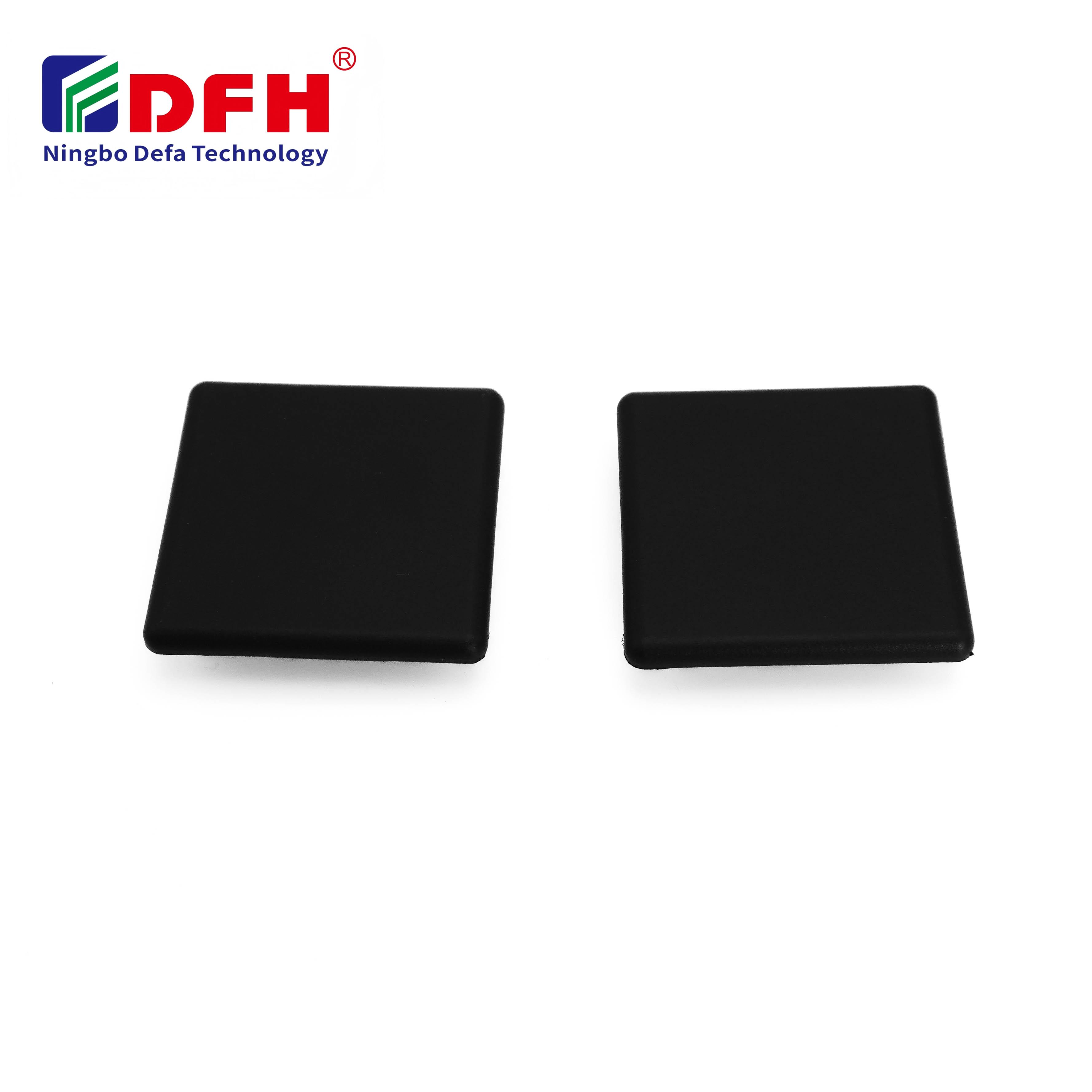
End connectors are critical components in structural assembly applications where machinery, frames, and modular systems come together. Loosening of these connectors can compromise safety, reduce operational efficiency, and lead to costly downtime. Understanding how to prevent end connector loosening issues is essential for maintenance teams, engineers, and facility managers who rely on secure connections for reliable performance.
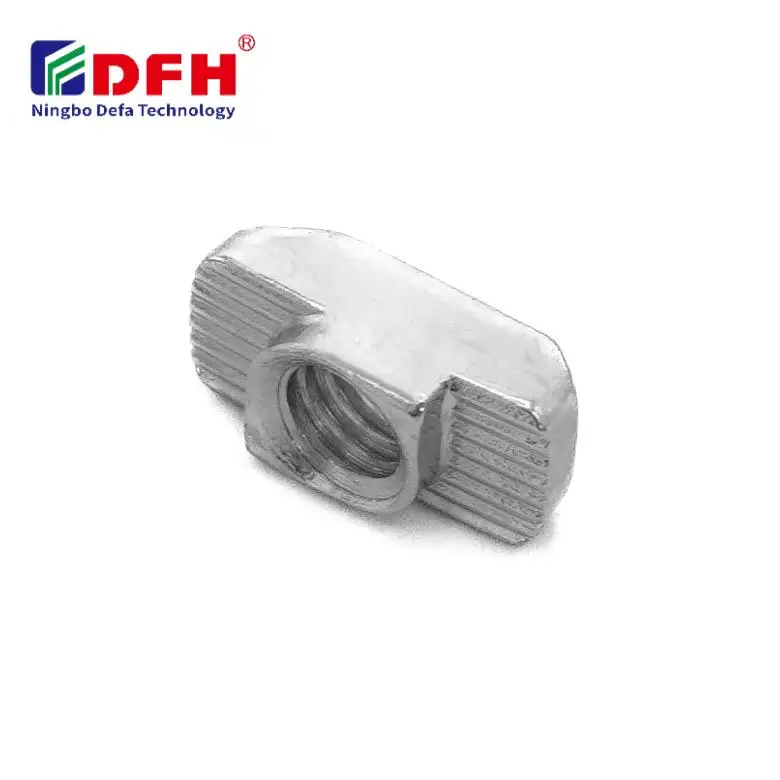
Connector loosening typically occurs due to vibration, thermal cycling, improper connector installation, or inadequate fastening systems. When End Connectors fail to maintain tension, the entire structural assembly can become unstable. This article explores proven strategies to keep your connections secure and your operations running smoothly.
Vibration is one of the most common culprits behind fastening system failure. Machinery operating under continuous movement or cyclic loads generates vibrations that gradually work connectors loose. When equipment operates without proper vibration dampening, the repeated micro-movements accumulate over time, loosening the fastening systems that hold structural components together.
Dynamic loading, whether from reciprocating machinery or intermittent shock loads, accelerates this process significantly. The connector installation must account for these forces during initial design and maintenance planning. Without acknowledging vibration as a primary loosening factor, even well-maintained systems will experience gradual degradation in connection integrity.
Temperature fluctuations cause materials to expand and contract at different rates, creating stress at connector joints. When end connectors link materials with different thermal expansion coefficients, uneven movement generates cyclic stress that loosens fasteners. This phenomenon is particularly prevalent in outdoor installations, climatic chambers, and industrial environments with significant temperature swings.
The repeated expansion and contraction cycles mimic vibration by generating millions of micro-movements. Structural assembly designs must accommodate thermal stress through material selection and connector spacing. Neglecting thermal effects during installation leads to premature connector loosening regardless of fastening system quality.
Correct torque application is fundamental to preventing loosening in any fastening system. Under-tightening leaves connectors with insufficient clamping force, allowing them to slip under load. Over-tightening can strip threads, deform components, or cause brittle failure, particularly in softer materials or smaller gauge fasteners used in structural assembly applications.
Using a calibrated torque wrench eliminates guesswork and ensures consistent connector installation across all joints. The torque specification depends on fastener grade, material hardness, thread type, and lubrication condition. Documentation of torque values for each connection type should be maintained and verified during routine maintenance checks to sustain fastening system performance.
Establishing proper preload ensures that fastening systems can withstand vibration and dynamic loads without slipping. Preload creates a compressive force that holds components together even when external loads attempt to separate them. During connector installation, achieving the correct preload requires attention to fastener size, material properties, and surface finish of joined parts.
Higher preload generally resists loosening better, but excessive preload can damage structural assembly components or cause fastener fatigue failure. The balance between adequate clamping force and material safety must be carefully determined based on load conditions, environmental factors, and component materials. Regular inspection and re-tensioning address preload degradation over time.
Modern fastening systems incorporate mechanical locking mechanisms that resist unintended loosening during service. Nylon insert lock nuts, for example, create friction that opposes connector rotation without requiring chemicals or specialized maintenance. These mechanical solutions work reliably across temperature ranges and remain effective even after multiple assembly and disassembly cycles, making them ideal for structural assembly applications.
Split lock washers and tooth lock washers generate spring tension that maintains clamp force despite vibration. Deformed-thread fasteners alter thread geometry to create mechanical resistance against rotation. Selecting the appropriate mechanical lock feature depends on application severity, reassembly frequency, cost constraints, and environmental exposure specific to your connector installation requirements.
Medium-strength threadlocker compounds applied to fastener threads chemically lock connectors in place while allowing controlled disassembly when necessary. These products cure at room temperature or with heat activation, creating a bond that resists vibration-induced loosening without affecting fastening system ease of removal during maintenance. They offer excellent vibration resistance without adding bulk or weight to structural assembly components.
Chemical solutions work synergistically with mechanical fasteners, providing redundant protection against loosening. Application is straightforward: a small quantity on fastener threads before installation achieves maximum effectiveness. Environmental resistance and temperature range must match application conditions. Technicians should ensure proper cure time before placing components under operational load following connector installation.
Designing structural assembly with multiple fastening points distributes load across several connectors, reducing stress concentration at individual joints. If one connector begins to loosen, others maintain structural integrity and allow time for corrective maintenance. Redundancy increases system reliability, particularly in mission-critical or safety-sensitive applications where connector failure consequences are severe.
Backup fasteners positioned strategically behind primary connections serve as insurance against loosening. This approach is common in aerospace, automotive, and heavy equipment industries where failure is not acceptable. The fastening system design must balance redundancy benefits against cost, weight, and assembly complexity to achieve optimal protection.
Routine inspection programs identify connector loosening before it causes operational problems or safety hazards. Visual inspection combined with systematic re-tensioning of critical connections maintains fastening system integrity over extended service periods. Establishing inspection intervals based on equipment usage patterns, vibration severity, and environmental conditions ensures timely intervention.
Documentation of connector installation dates, torque values, and maintenance history enables predictive tracking of loosening trends. Some connectors may loosen faster than others, revealing design improvements or material substitutions needed in future structural assembly projects. Quantifying loosening patterns supports evidence-based decisions about fastening system improvements.
Advanced condition monitoring systems detect connector loosening through increased vibration signatures, acoustic emissions, or ultrasonic signals. These technologies alert maintenance teams to problems before visible failure occurs, enabling planned interventions rather than emergency repairs. Integration of monitoring data with maintenance management systems optimizes connector installation schedules and fastening system selections.
Thermal imaging identifies temperature anomalies at connection points that indicate loosening or friction buildup. Subtle changes in vibration patterns often precede visible loosening, making continuous monitoring more effective than periodic inspection alone. Investment in condition monitoring pays dividends by preventing unplanned downtime and extending structural assembly component lifespan.
Vibration, thermal cycling, and material creep work continuously to reduce preload in any fastening system. Even properly installed end connectors experience gradual loosening unless protected by mechanical locks, chemical threadlockers, or redundant connections. This natural tendency makes preventive maintenance and monitoring essential for maintaining structural assembly integrity.
Combining mechanical lock features with chemical threadlocker compounds provides excellent protection for connector installation in high-vibration environments. Nylon insert lock nuts resist vibration while remaining removable for maintenance, and medium-strength threadlockers add chemical security. Selecting the best approach depends on application severity, disassembly frequency, and environmental conditions specific to your structural assembly.
Inspection intervals depend on equipment operating conditions, historical loosening rates, and safety criticality. High-vibration machinery may require monthly or quarterly inspection, while less dynamic applications may operate safely with annual checks. Monitoring loosening trends establishes optimal re-tensioning schedules that balance safety and maintenance costs for your connector installation and fastening system needs.
2026/09/30
Source aluminum profiles for versatile modular framing. Learn extrusion mechanics, strength benefits & corrosion resistance. Request details.
2026/09/30
Source aluminum profiles for construction projects. Learn structural framing, cladding & window benefits for maximum ROI. Download guide.
2026/09/30
Source optimal aluminum profile sizing techniques. Evaluate load, space, alloy, environment & cost factors to prevent deflection. Download guide.
2026/09/30
Struggling with fastener failures or rework? Master screw sizing by diameter, pitch, material, and load—plus industry-specific standards. Optimize reliability & compliance now.
2026/09/30
Source aluminum profiles for industrial engineering. Discover strength-to-weight ratios, corrosion resistance & 30% cost savings. Download guide.
2026/09/30
Source heat-resistant aluminum profile systems. Master thermal expansion science & stress management strategies for industrial builds. Download guide.