EN
EN
What is Aluminum Profile and How Does It Work?
2026/09/30
Source aluminum profiles for versatile modular framing. Learn extrusion mechanics, strength benefits & corrosion resistance. Request details.

2026/09/23
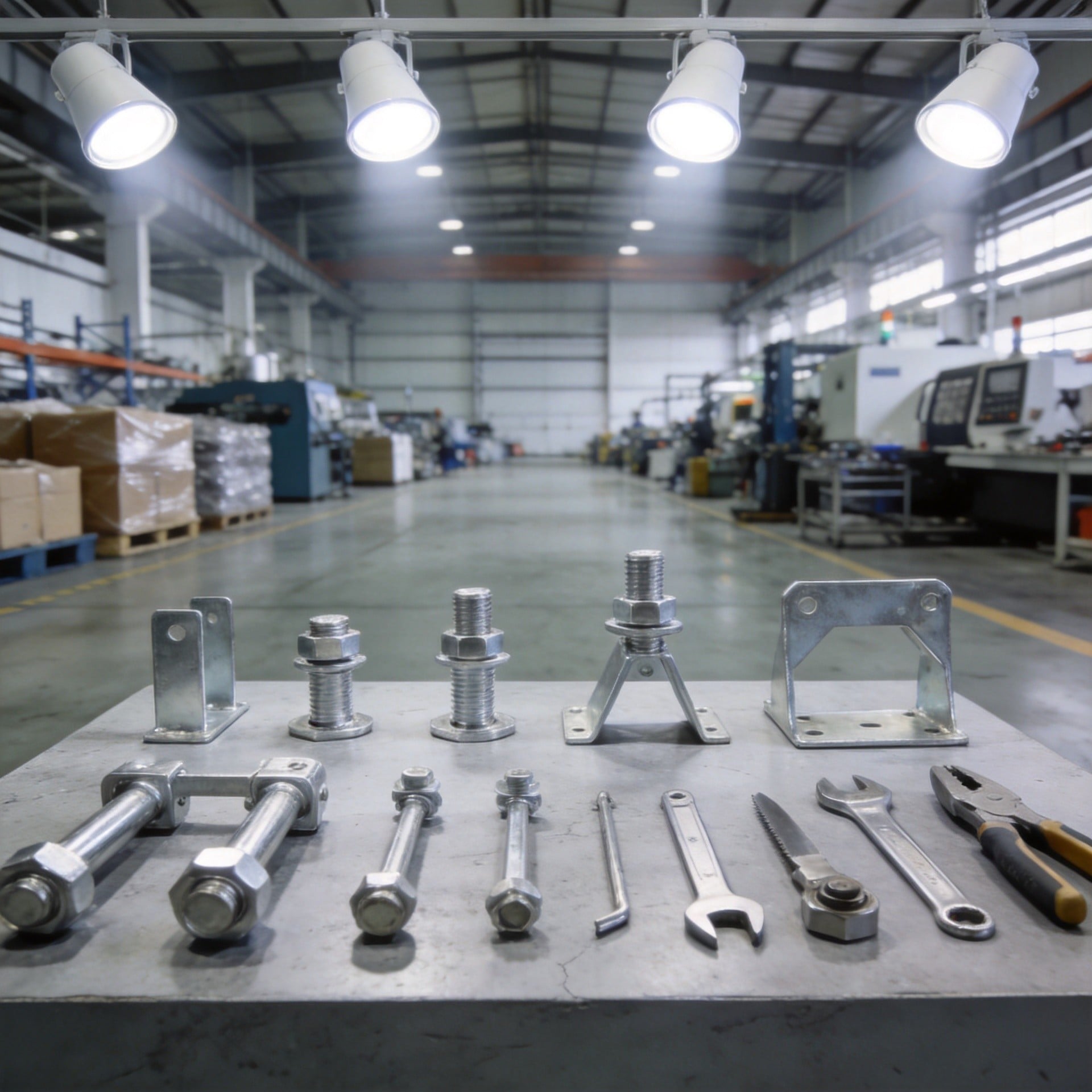
Bolt connectors are critical components in industrial and structural applications, yet they remain one of the most common sources of system failure when not properly managed. Loosening of bolt connectors can lead to equipment downtime, safety hazards, performance degradation, and costly repairs. Understanding the root causes and implementing prevention strategies is essential for maintaining structural integrity and operational reliability across machinery, infrastructure, and manufacturing environments.
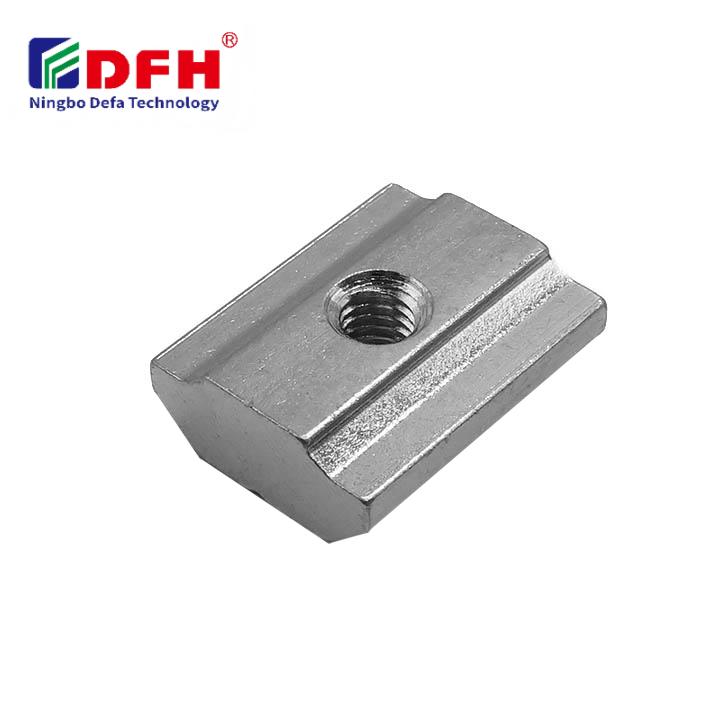
The problem of loosening occurs due to vibration, thermal cycling, material fatigue, and incorrect installation practices. Preventing bolt connector loosening requires a multifaceted approach combining proper threaded fasteners selection, precise bolt installation methods, correct connector tensioning techniques, and ongoing maintenance. This guide provides industrial professionals with practical, evidence-based strategies to eliminate loosening issues and ensure long-term connection reliability.
Vibration is the primary driver of bolt connector loosening in operating machinery and dynamic applications. When machinery runs, cyclic loading and vibration create micro-slip between mating surfaces and internal threads. This micro-motion gradually reduces preload, which is the initial clamping force applied during installation. Without adequate preload management and connector tensioning, vibration continues to degrade the connection until failure occurs. Industrial environments with motors, compressors, and rotating equipment experience this issue most frequently.
Temperature fluctuations cause threaded fasteners and mating materials to expand and contract at different rates, creating differential stress. When connectors heat and cool repeatedly, the preload gradually decreases, and the connection weakens. High-temperature applications such as engines, heat exchangers, and pressure vessels face accelerated loosening due to thermal cycling. Understanding material compatibility and the thermal expansion coefficient of bolt connectors ensures stable connections across operating temperature ranges.
The foundation of reliable bolt installation methods begins with applying precise connector tensioning using calibrated torque wrenches. Incorrect torque, whether under-tightening or over-tightening, is a leading cause of loosening and joint failure. Under-tightening provides insufficient preload, allowing micro-motion during operation. Over-tightening can stretch threaded fasteners beyond their yield point, reducing clamping force after initial relaxation. Industry standards require torque specification according to fastener grade, diameter, and material type. Modern bolt installation methods employ torque-angle measurement, which applies initial torque followed by additional rotation to ensure consistent preload regardless of surface friction variations.
Clean mating surfaces and properly prepared threaded fasteners are essential for effective connector tensioning. Oil, rust, dirt, and corrosion on bolt connectors or receiving surfaces create inconsistent friction, making preload unpredictable. Surface preparation requires degreasing, wire brushing, or chemical cleaning to ensure uniform contact. Proper bolt installation methods specify that surfaces should be free of foreign material before assembly. Additionally, applying consistent lubrication with anti-seize compounds on threaded fasteners reduces friction variation, allowing more predictable connector tensioning and reducing loosening risk during the connection lifecycle.
Modern bolt installation methods incorporate mechanical locking devices to resist vibration-induced loosening. Nylon insert lock nuts, spring washers, and tooth washers physically resist rotation by increasing friction or creating mechanical interlock. These secondary locking mechanisms are particularly valuable in high-vibration environments where connector tensioning alone may be insufficient. Anaerobic thread-locking compounds provide chemical adhesion between threaded fasteners, preventing relative motion while remaining removable for maintenance. For critical applications, multiple prevention layers combine proper bolt installation methods, connector tensioning, and locking devices to achieve maximum reliability.
Scheduled inspections detect loosening before failure occurs, allowing proactive intervention. Technicians should periodically check connector tensioning on critical bolt connectors using calibrated tools and established reference torque values. Visual inspection identifies corrosion, damage, or wear on threaded fasteners that could compromise connection security. Maintenance records documenting inspection dates, torque readings, and any adjustments enable trend analysis and early warning signs of systematic loosening. For heavy-duty machinery, quarterly or semi-annual inspections of high-stress bolt connectors prevent unexpected failures and extend equipment lifespan. Preventive maintenance programs focused on threaded fasteners reduce downtime and ensure consistent operational performance.
Bolt connectors are engineered fastening systems designed for load-bearing and vibration-resistant applications, often incorporating enhanced threading, grade specifications, and integrated security features. Standard bolts are basic fastening components without these specialized characteristics. Bolt connectors typically feature improved threaded fasteners design, higher material grades, and precision manufacturing to support critical applications where loosening prevention is paramount. Understanding this distinction helps engineers select appropriate fastening solutions for specific industrial requirements.
Connector tensioning inspection frequency depends on application severity, vibration levels, and operating conditions. High-vibration environments require bolt connector checks every three to six months, while moderate-duty applications may tolerate annual inspections. Critical safety systems demand quarterly verification of connector tensioning to ensure bolt connectors maintain design preload. Establishing a maintenance schedule based on equipment criticality and historical performance data optimizes both reliability and cost-efficiency in managing threaded fasteners.
Thread-locking compounds enhance security but should not replace proper bolt installation methods and connector tensioning. Correct torque application remains fundamental to fastening integrity, as inadequate preload cannot be compensated by locking compounds alone. Best practice combines precise bolt installation methods with anaerobic adhesives or mechanical locking devices to create redundant prevention layers. This multi-layered approach to bolt connector security ensures maximum reliability across demanding industrial applications and extreme operating conditions.
2026/09/30
Source aluminum profiles for versatile modular framing. Learn extrusion mechanics, strength benefits & corrosion resistance. Request details.
2026/09/30
Source aluminum profiles for construction projects. Learn structural framing, cladding & window benefits for maximum ROI. Download guide.
2026/09/30
Source optimal aluminum profile sizing techniques. Evaluate load, space, alloy, environment & cost factors to prevent deflection. Download guide.
2026/09/30
Struggling with fastener failures or rework? Master screw sizing by diameter, pitch, material, and load—plus industry-specific standards. Optimize reliability & compliance now.
2026/09/30
Source aluminum profiles for industrial engineering. Discover strength-to-weight ratios, corrosion resistance & 30% cost savings. Download guide.
2026/09/30
Source heat-resistant aluminum profile systems. Master thermal expansion science & stress management strategies for industrial builds. Download guide.