EN
EN
What is Aluminum Profile and How Does It Work?
2026/09/30
Source aluminum profiles for versatile modular framing. Learn extrusion mechanics, strength benefits & corrosion resistance. Request details.

2026/09/20
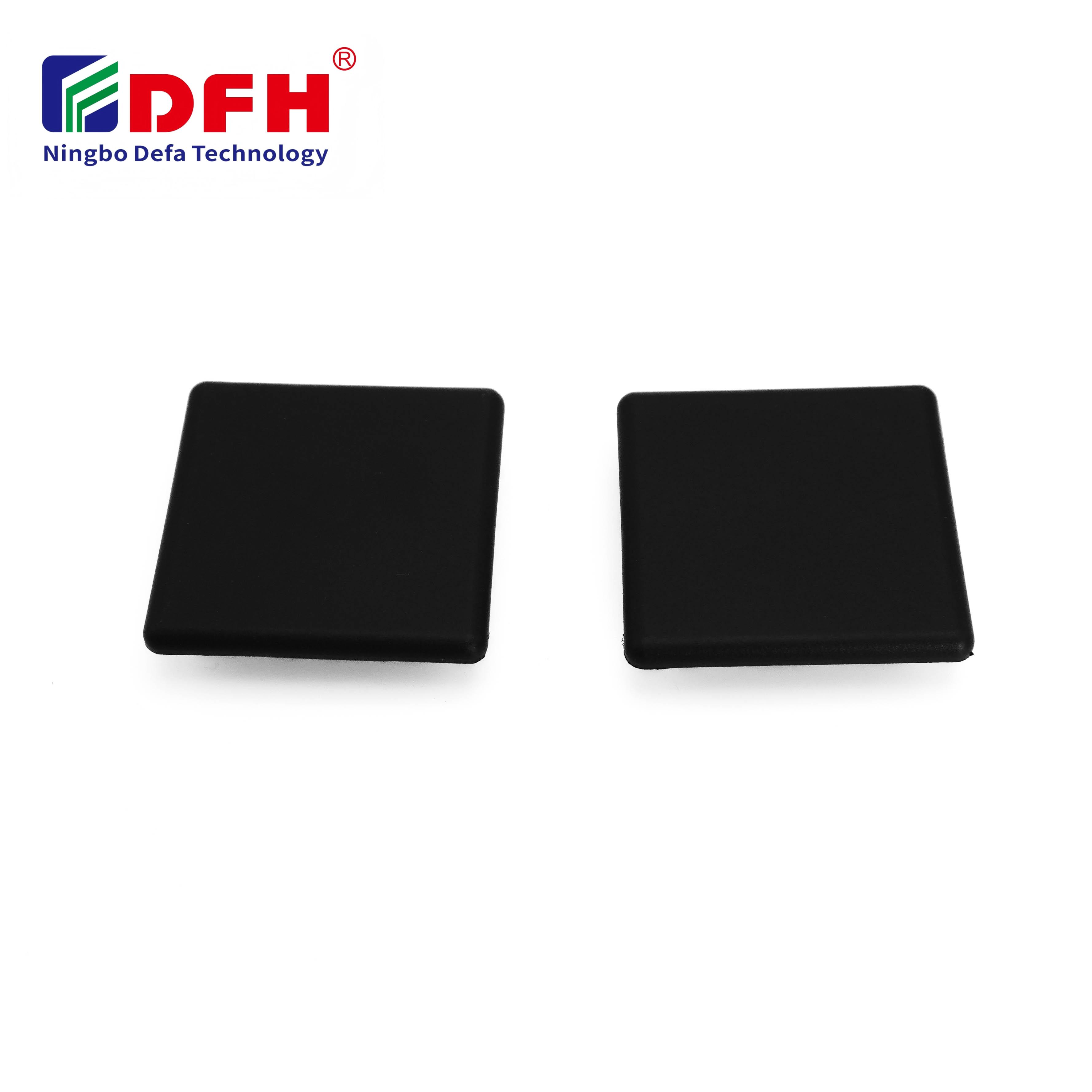
Proper maintenance of an end cap is essential for ensuring durability and performance throughout its operational lifetime. Whether you are working with industrial aluminum extrusions or architectural channel systems, the longevity of your profile end closure depends significantly on how well you care for it. End caps protect vulnerable edges and termination points from environmental exposure, mechanical damage, and corrosion, but these components require consistent attention to fulfill their protective role effectively.
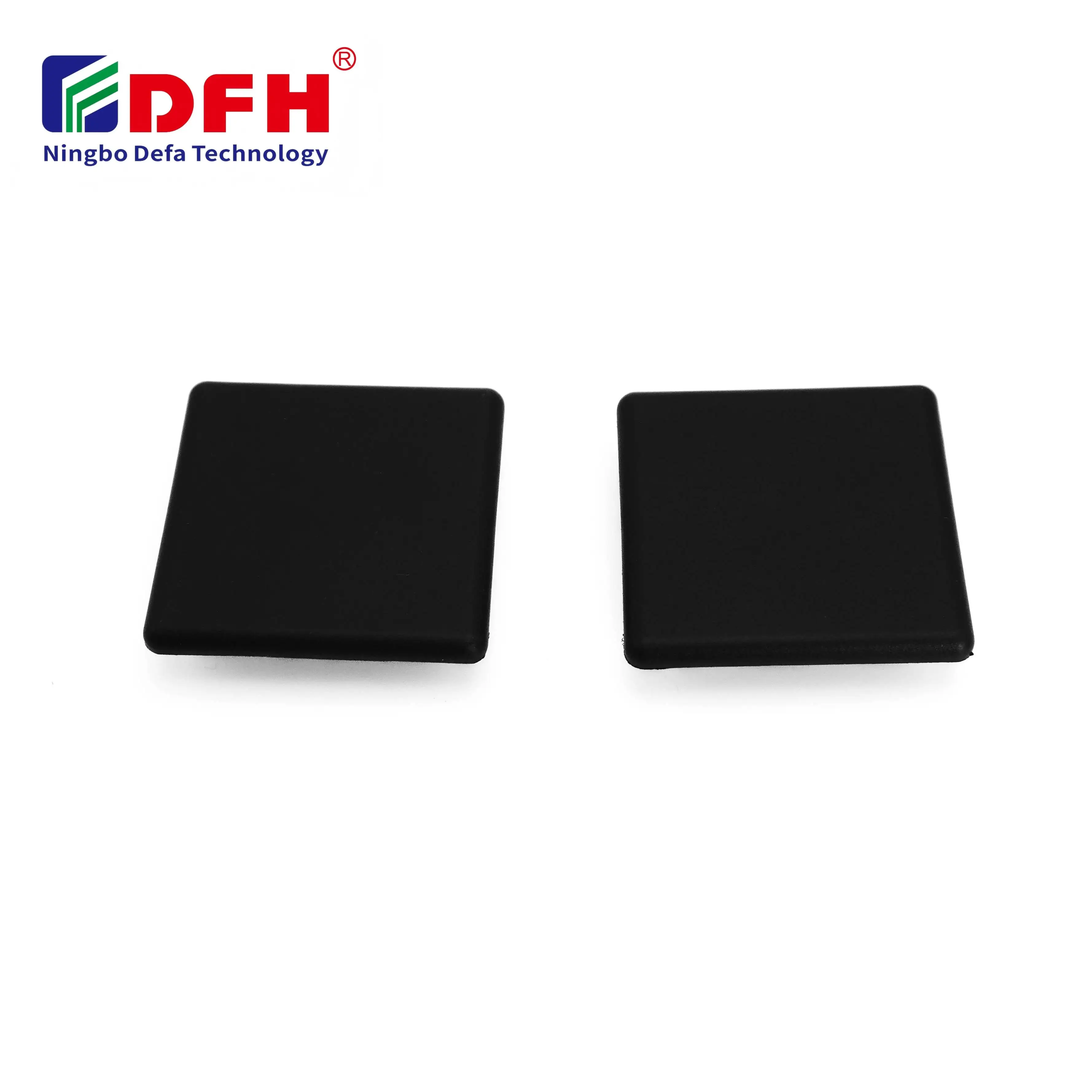
An end cap serves as a critical interface between your aluminum extrusion finishing components and external conditions. Without proper maintenance protocols, even high-quality channel cap covers can degrade prematurely, compromising structural integrity and aesthetic appearance. This guide explores practical maintenance strategies that keep your profile end closure systems performing reliably over years of service.
Regular inspection is the foundation of effective end cap maintenance. By examining your channel cap cover regularly, you can identify early signs of wear, discoloration, or material degradation before they escalate into serious problems. Most industrial facilities benefit from quarterly or semi-annual inspections, depending on environmental conditions and operational intensity.
During inspection routines, check for cracks, gaps, or separations between the end cap and the extrusion body. Look for signs of corrosion, particularly around joints and fastening points where moisture can accumulate. Verify that seals remain intact and that the profile end closure maintains proper contact with adjacent components. Documentation of these inspections creates a maintenance history that helps predict replacement cycles and prevents unexpected failures.
Environmental exposure represents the primary threat to aluminum extrusion finishing components. Moisture, temperature fluctuations, UV radiation, and chemical pollutants all contribute to material degradation. In coastal or industrial areas with high salt content or acidic atmosphere, channel cap covers face accelerated corrosion risks that demand more frequent maintenance interventions.
Temperature cycling causes expansion and contraction within your end cap assembly, potentially creating micro-gaps where moisture can enter. Understanding your specific environmental context helps you establish maintenance schedules and select appropriate protective treatments. Facilities operating in protected indoor environments typically require less intensive maintenance than those exposed to outdoor or corrosive atmospheres.
Routine cleaning removes contaminants that accelerate corrosion and material breakdown. Begin with dry cleaning using soft brushes or compressed air to remove dust, dirt, and loose debris from your profile end closure surfaces. For stubborn deposits, use mild detergent solutions with soft cloths, avoiding abrasive scrubbing that might scratch protective finishes on your aluminum extrusion finishing components.
Water quality matters when cleaning end cap assemblies. Use distilled water rather than tap water, which often contains minerals that leave residue. After wet cleaning, thoroughly dry all surfaces using lint-free cloths to prevent water spots and mineral deposits. In high-corrosion environments, consider applying protective coatings after cleaning to enhance the longevity of your channel cap cover investment.
Applying protective coatings to your end cap surfaces provides an additional barrier against environmental threats. Clear anodizing or polymeric coatings can significantly extend the service life of aluminum extrusion finishing systems, particularly in aggressive environments. These coatings must be reapplied periodically, typically every two to three years depending on environmental severity and coating type selection.
Before applying protective coatings, ensure the profile end closure is completely clean and dry. Use coatings specifically formulated for aluminum and compatible with your end cap material composition. Proper application technique ensures uniform coverage and maximum protective effectiveness. Document coating applications as part of your maintenance record to establish appropriate reapplication intervals.
Preventive maintenance scheduling extends the functional life of your channel cap cover systems and reduces unexpected downtime costs. Create comprehensive maintenance plans that include inspection intervals, cleaning frequencies, coating reapplication timelines, and anticipated replacement dates. Factors influencing your schedule include environmental severity, material type, application requirements, and historical performance data from similar installations.
Most industrial facilities benefit from establishing quarterly inspections combined with annual deep cleaning and protective coating assessments. This rhythm allows detection of emerging issues before they cause operational problems. Keep detailed records of all maintenance activities, observations, and any corrective actions taken on your aluminum extrusion finishing components and profile end closure assemblies.
Despite excellent maintenance practices, end caps eventually reach end-of-life and require replacement. Signs indicating replacement needs include persistent corrosion that penetrates protective layers, permanent deformation or cracks in the end cap structure, failed seals that cannot be restored, or separation from the extrusion body that resists correction. A compromised channel cap cover can no longer provide adequate protection and may create safety hazards or performance degradation.
Plan for replacement cycles well in advance by monitoring your profile end closure condition during routine maintenance inspections. Ordering replacement components before failure occurs prevents emergency downtime and ensures continuity of operations. When replacing end caps, consider upgrading to enhanced materials or designs if your current configuration has experienced premature failure in your specific application environment.
Most industrial applications benefit from quarterly inspections of end cap assemblies, though environments with severe corrosion exposure may warrant monthly assessments. Coastal, high-humidity, or chemically aggressive locations demand more frequent scrutiny of your profile end closure condition. Document all inspections to identify patterns and adjust your maintenance schedule accordingly based on actual wear rates observed in your specific operating environment.
Mild detergent solutions with soft cloths work well for most channel cap cover cleaning needs. Avoid harsh chemicals, acidic cleaners, or abrasive materials that damage protective finishes on your end cap surfaces. Distilled water combined with neutral pH detergents provides effective cleaning without leaving mineral residue. Always rinse thoroughly with distilled water and dry completely to prevent corrosion initiation on your aluminum extrusion finishing components.
Yes, protective coatings significantly extend profile end closure longevity, particularly in harsh environments. Clear anodizing, polymeric, or epoxy coatings create barrier protection that slows corrosion and environmental degradation. Reapply coatings every two to three years depending on environmental severity and coating performance observations. Proper application and maintenance of protective finishes can add years to your channel cap cover service life compared to uncoated alternatives.
2026/09/30
Source aluminum profiles for versatile modular framing. Learn extrusion mechanics, strength benefits & corrosion resistance. Request details.
2026/09/30
Source aluminum profiles for construction projects. Learn structural framing, cladding & window benefits for maximum ROI. Download guide.
2026/09/30
Source optimal aluminum profile sizing techniques. Evaluate load, space, alloy, environment & cost factors to prevent deflection. Download guide.
2026/09/30
Struggling with fastener failures or rework? Master screw sizing by diameter, pitch, material, and load—plus industry-specific standards. Optimize reliability & compliance now.
2026/09/30
Source aluminum profiles for industrial engineering. Discover strength-to-weight ratios, corrosion resistance & 30% cost savings. Download guide.
2026/09/30
Source heat-resistant aluminum profile systems. Master thermal expansion science & stress management strategies for industrial builds. Download guide.