EN
EN
What is Aluminum Profile and How Does It Work?
2026/09/30
Source aluminum profiles for versatile modular framing. Learn extrusion mechanics, strength benefits & corrosion resistance. Request details.

2026/09/29
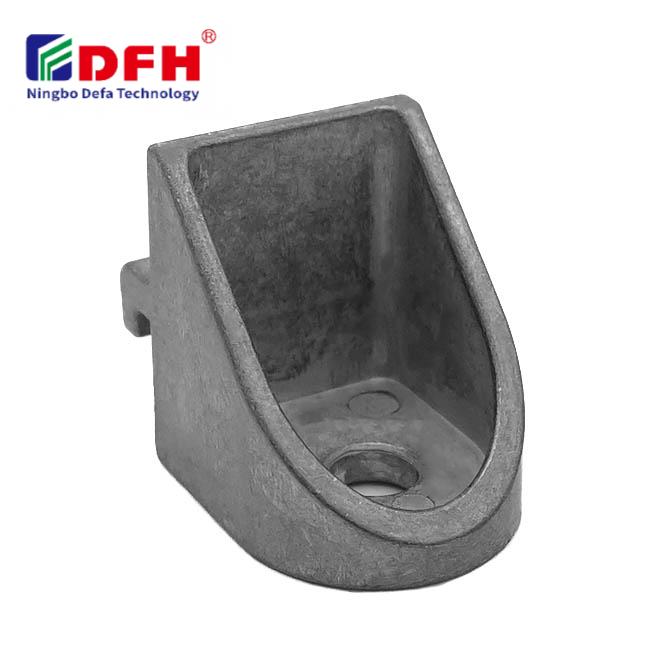
Proper installation of plate connectors is essential for ensuring structural integrity and longevity in any assembly project. Whether working with steel frameworks or modular connection systems, installation quality directly impacts safety and performance. Understanding correct procedures, tools, and techniques helps achieve reliable results and prevents costly failures down the line. Executing each phase with precision ensures load-bearing junction components maintain maximum capacity over extended service lives.
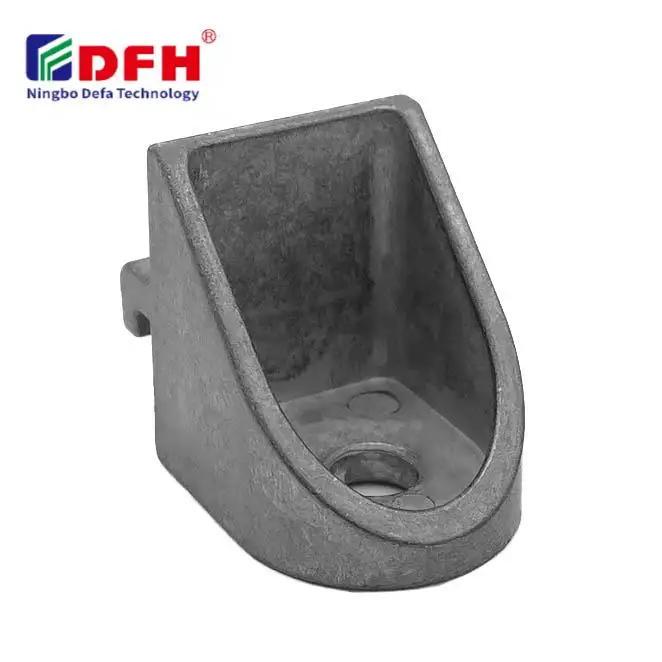
Installing plate connectors requires attention to detail, proper alignment, and adherence to engineering specifications. The process involves preparing surfaces, positioning components accurately, and securing fasteners with correct torque values. This guide covers each phase of installation, from pre-assembly checks to final verification, ensuring structural fastening solutions perform reliably. Taking time to establish rigorous field practices safeguards equipment and lowers maintenance costs across facility operations.
Before beginning assembly work, thoroughly inspect all plate connectors and related hardware for defects, corrosion, or shipping damage. Look for bent edges, cracked surfaces, or damaged threads that could compromise structural fastening solutions. Check that pre-drilled bolt holes align properly and that no manufacturing flaws exist. Performing a careful preliminary inspection prevents problems from compounding during assembly and ensures modular connection systems meet quality standards from the start.
Material grade verification is another vital check before mounting hardware. Ensure plate thickness, alloy composition, and bolt grades match engineering drawings exactly. Using under-rated components can lead to joint failure under peak dynamic loads. Verifying part numbers against specifications safeguards the entire framework before installation teams begin securing hardware.
Clean all contact surfaces where plate connectors attach using a wire brush or grinding tool to remove rust, paint overspray, and grease contaminants. Smooth, clean surfaces ensure full contact between load-bearing junction components and mating structural parts, which is critical for uniform load distribution. Dirt or debris trapped between mounting surfaces creates air gaps that reduce bearing area and lead to bolt loosening under vibration.
In humid or chemical environments, applying a compatible anti-corrosion primer to bare metal surfaces after cleaning is recommended. Proper surface protection prevents rust formation between adjoining metal faces without altering connection tolerances. Establishing an ideal surface profile ensures structural fastening solutions maintain high friction coefficients, preventing micro-slippage during heavy cyclic loading.
Accurately align plate connectors with reference markings or CAD specifications before tightening fasteners. Use measuring devices, spirit levels, or laser alignment tools to verify positioning within specified tolerance limits. Misalignment forces unwanted shear stresses onto fasteners and reduces the overall efficiency of structural fastening solutions. Investing time in precision alignment eliminates binding and ensures dynamic forces distribute evenly across all joints.
When working with complex modular connection systems, alignment should be checked across multiple axes simultaneously. Minor angular deviations at one junction can magnify along the length of a frame, causing structural binding at distant points. Utilizing alignment pins helps pull members into orientation without damaging internal thread patterns or plate holes during initial positioning.
Install temporary fasteners loosely to hold plate connectors in place during alignment verification. These initial fasteners prevent heavy components from shifting while installers measure, level, and adjust positioning. Once spatial alignment is confirmed, technicians can safely proceed to applying final torque specifications. This staged approach permits easy corrections before permanent tightening and eliminates unnecessary rework.
Tighten fasteners progressively using a calibrated torque wrench, applying force in a cross-pattern to distribute clamping pressure evenly across load-bearing junction components. Refer to material specifications for correct torque values, which depend on bolt grade, thread pitch, and surface finish. Under-torquing leads to joint slippage, while over-torquing can strip threads or deform plates. Working in multiple passes ensures uniform clamping and eliminates structural gaps.
Using thread-locking compounds or specialized locking washers is recommended in high-vibration applications such as conveyor lines or heavy machinery. Thread sealants prevent gradual bolt loosening caused by continuous mechanical oscillation, ensuring structural fastening solutions retain clamping force throughout demanding operational cycles.
After completing installation, confirm all fasteners are torqued correctly using a calibrated torque wrench, and visually inspect the assembly for gaps or misalignment. Check that plate connectors sit flush against mating surfaces and that no hardware interferes with surrounding equipment. Documenting applied torque values provides traceability and assists maintenance teams with future facility audits, verifying modular connection systems are ready for service.
Essential tools include a calibrated torque wrench, wire brush or angle grinder for surface preparation, measuring tapes, spirit levels, laser alignment tools, and sockets matching your bolt sizes. Having drift pins and heavy-duty clamps on hand facilitates temporary positioning. Using the correct tools reduces installation time, improves accuracy, and preserves the structural integrity of your modular connection systems.
Proper installation is confirmed when plate connectors sit flush against surfaces with zero visible gaps, all fasteners are torqued to exact engineering specifications, and components align within design tolerances. Inspect for uniform clamping pressure across load-bearing junction components and verify framework alignment. Testing the assembly under incremental trial loads confirms that no joint slippage or unexpected movement occurs.
Plate connectors can often be reused if they exhibit no cracks, bending, bolt hole elongation, or severe corrosion. However, structural fasteners and locking nuts should always be replaced with new hardware to ensure full clamping force and tensile strength. Thoroughly inspect reconditioned structural fastening solutions before reinstallation and apply standard alignment and torque procedures to maintain safety.
2026/09/30
Source aluminum profiles for versatile modular framing. Learn extrusion mechanics, strength benefits & corrosion resistance. Request details.
2026/09/30
Source aluminum profiles for construction projects. Learn structural framing, cladding & window benefits for maximum ROI. Download guide.
2026/09/30
Source optimal aluminum profile sizing techniques. Evaluate load, space, alloy, environment & cost factors to prevent deflection. Download guide.
2026/09/30
Struggling with fastener failures or rework? Master screw sizing by diameter, pitch, material, and load—plus industry-specific standards. Optimize reliability & compliance now.
2026/09/30
Source aluminum profiles for industrial engineering. Discover strength-to-weight ratios, corrosion resistance & 30% cost savings. Download guide.
2026/09/30
Source heat-resistant aluminum profile systems. Master thermal expansion science & stress management strategies for industrial builds. Download guide.