EN
EN
What is Aluminum Profile and How Does It Work?
2026/09/30
Source aluminum profiles for versatile modular framing. Learn extrusion mechanics, strength benefits & corrosion resistance. Request details.

2026/09/17
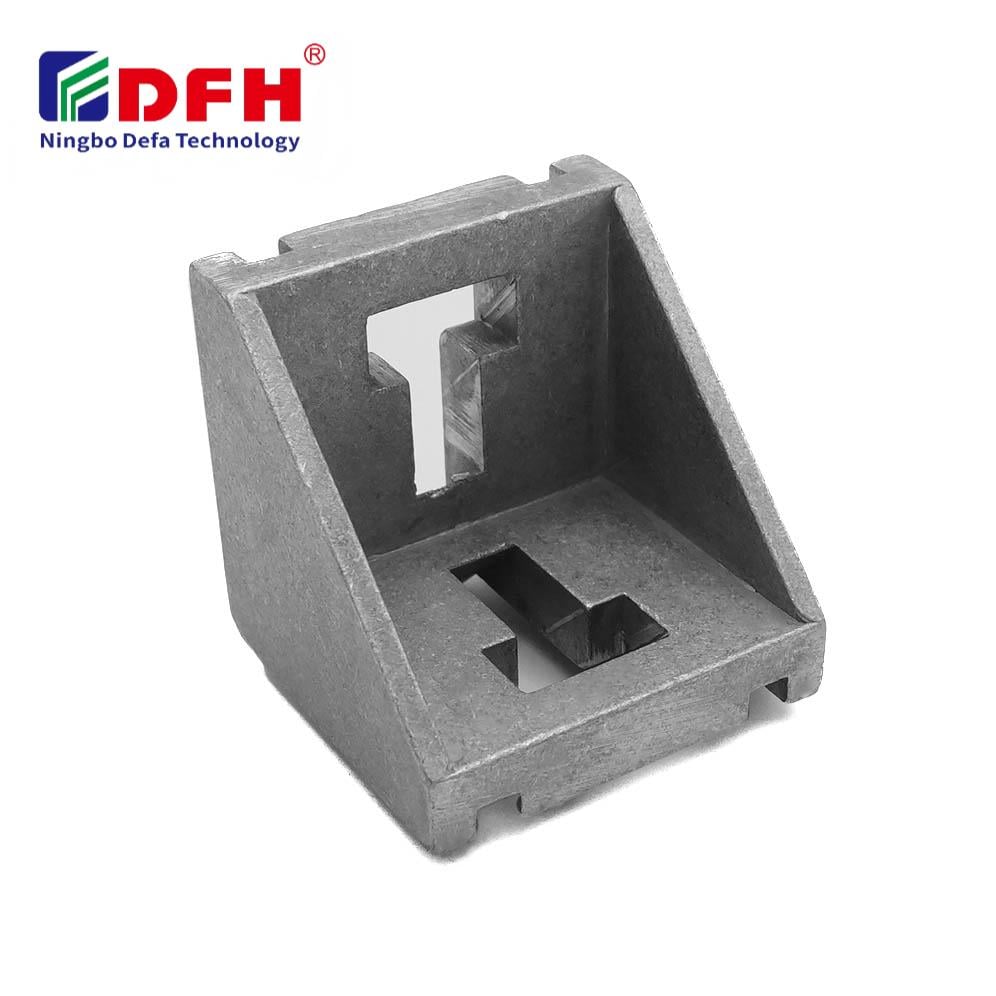
Installing leveling feet on machines is a fundamental maintenance task that ensures operational stability, reduces vibration, and extends equipment lifespan. Whether you're working with industrial machinery, manufacturing equipment, or furniture applications, proper installation of leveling feet prevents unwanted movement, protects floor surfaces, and optimizes performance. Understanding the correct installation process for leveling feet helps prevent costly damage and operational inefficiencies across your facility.
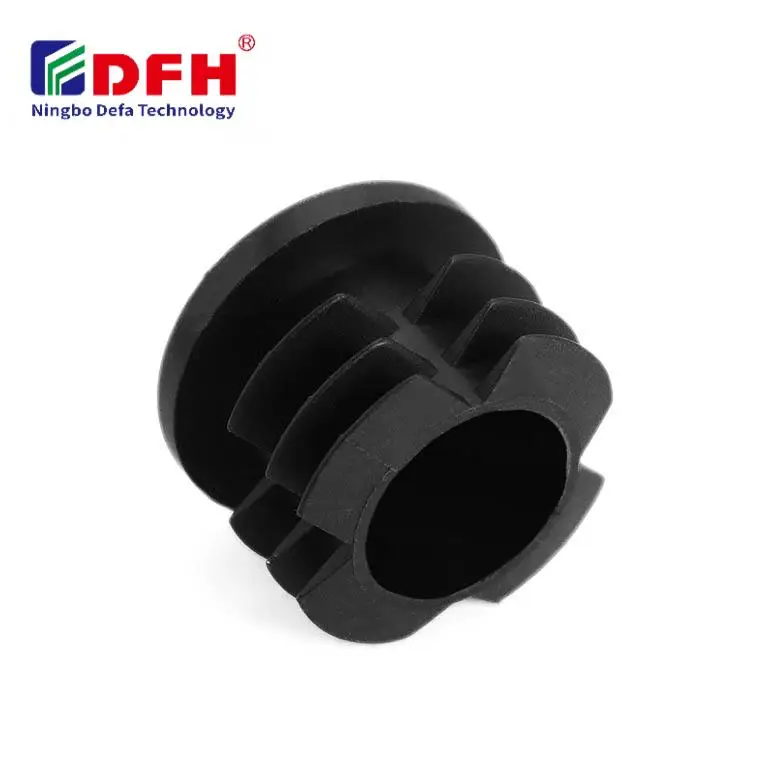
The installation of leveling feet requires careful attention to detail and adherence to manufacturer specifications. Whether you're deploying adjustable leveling feet in an industrial setting or furniture leveling feet in a commercial space, the fundamental principles remain consistent. This guide walks through essential installation techniques, troubleshooting considerations, and best practices to ensure your machines operate on a perfectly level surface with maximum stability.
Industrial leveling feet serve as critical components that support heavy machinery and equipment. These adjustable leveling feet compensate for uneven floors, floor irregularities, and settling that naturally occurs over time. By using industrial leveling feet, operators reduce vibration transmission to the floor, minimize noise, and protect both the equipment and surrounding infrastructure. Proper installation ensures that machines maintain alignment regardless of floor conditions.
Improper installation of leveling feet compromises machine stability and leads to accelerated wear, misalignment, and potential safety hazards. The leveling feet must be installed at correct angles and heights to distribute weight evenly. When furniture leveling feet or industrial leveling feet are correctly positioned, machines operate at peak efficiency while reducing stress on internal components and extending operational life significantly.
Begin by examining the machine base and identifying all mounting points where adjustable leveling feet will attach. Inspect the floor surface with a level to identify high spots and low spots that will influence leveling feet placement. Clear debris, grease, or contaminants from mounting surfaces to ensure secure contact. For furniture leveling feet, verify that all attachment holes align properly and that the base plate is clean. Document existing floor conditions as a reference point for future adjustments to your industrial leveling feet setup.
Install each adjustable leveling foot according to the manufacturer's specifications, typically beginning with one corner of the machine. Insert fasteners through mounting holes, applying appropriate torque to create a secure connection without over-tightening, which can damage threads or distort the base. Furniture leveling feet often feature locking nuts or set screws that prevent accidental loosening during operation. Thread adjustable leveling feet into their mounting brackets until snug, but leave approximately one-quarter to one-half inch of thread exposed to allow for height adjustments. Ensure all industrial leveling feet are installed with consistent methodology to maintain uniform support across the machine base.
Place a precision level on multiple axes of the machine—longitudinally, laterally, and diagonally—to identify which adjustable leveling feet require height modification. Adjust furniture leveling feet or industrial leveling feet gradually, making quarter-turn increments at a time to avoid sudden shifts that could destabilize the equipment. Monitor the level continuously during adjustments, checking progress frequently to prevent over-correcting. Different machines may require specific tolerances, so verify exact leveling requirements in your equipment documentation before considering the adjustable leveling feet installation complete.
Once all leveling feet achieve the desired position, verify stability by checking the level reading from multiple directions and locations on the machine surface. Tighten any locking mechanisms on industrial leveling feet or furniture leveling feet to prevent subsequent movement or loosening due to vibration. Perform a final walkthrough with the level to confirm that adjustable leveling feet maintain proper height and that the machine surface shows zero deviation from true level. Document the final position of all leveling feet for future reference and maintenance cycles, particularly noting the number of turns from the base position for each adjustable leveling foot.
Adjustable leveling feet feature threaded designs that allow height modification to compensate for floor irregularities, making them ideal for machines requiring precision leveling. Fixed furniture leveling feet or industrial leveling feet provide rigid support without adjustment capability and work best on perfectly level surfaces. Adjustable designs offer superior flexibility and are preferred for most industrial applications, while fixed options suit applications where floor preparation is already complete and stability is guaranteed.
Inspect leveling feet installation every six months or following major equipment relocation or facility changes. Machinery subjected to heavy vibration, thermal cycling, or continuous operation may require more frequent adjustment of adjustable leveling feet. Check furniture leveling feet annually or whenever movement is noticed, as settling can gradually shift machines over extended periods. Regular inspection of industrial leveling feet prevents drift-related operational issues and maintains consistent equipment alignment and performance.
Yes, incorrect installation of adjustable leveling feet or furniture leveling feet creates uneven weight distribution, causing excessive vibration, accelerated component wear, and potential misalignment of critical parts. Machines sitting on improperly installed industrial leveling feet experience increased stress on bearings, seals, and structural components, significantly shortening operational life. Additionally, inadequate leveling can trigger inaccurate measurements or product quality issues in precision applications, making proper installation of leveling feet essential for both equipment longevity and output quality.
2026/09/30
Source aluminum profiles for versatile modular framing. Learn extrusion mechanics, strength benefits & corrosion resistance. Request details.
2026/09/30
Source aluminum profiles for construction projects. Learn structural framing, cladding & window benefits for maximum ROI. Download guide.
2026/09/30
Source optimal aluminum profile sizing techniques. Evaluate load, space, alloy, environment & cost factors to prevent deflection. Download guide.
2026/09/30
Struggling with fastener failures or rework? Master screw sizing by diameter, pitch, material, and load—plus industry-specific standards. Optimize reliability & compliance now.
2026/09/30
Source aluminum profiles for industrial engineering. Discover strength-to-weight ratios, corrosion resistance & 30% cost savings. Download guide.
2026/09/30
Source heat-resistant aluminum profile systems. Master thermal expansion science & stress management strategies for industrial builds. Download guide.