EN
EN
What is Aluminum Profile and How Does It Work?
2026/09/30
Source aluminum profiles for versatile modular framing. Learn extrusion mechanics, strength benefits & corrosion resistance. Request details.

2026/09/20
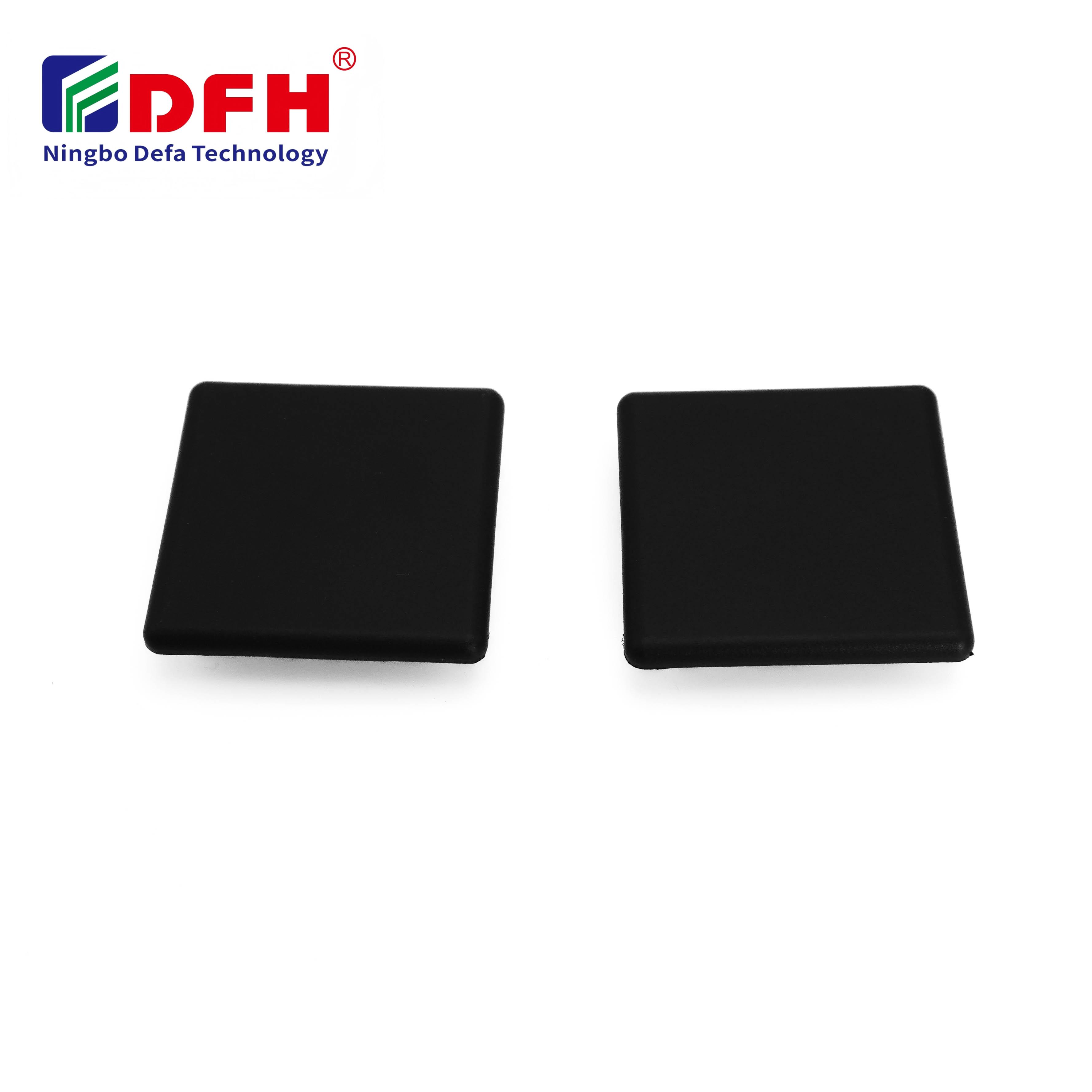
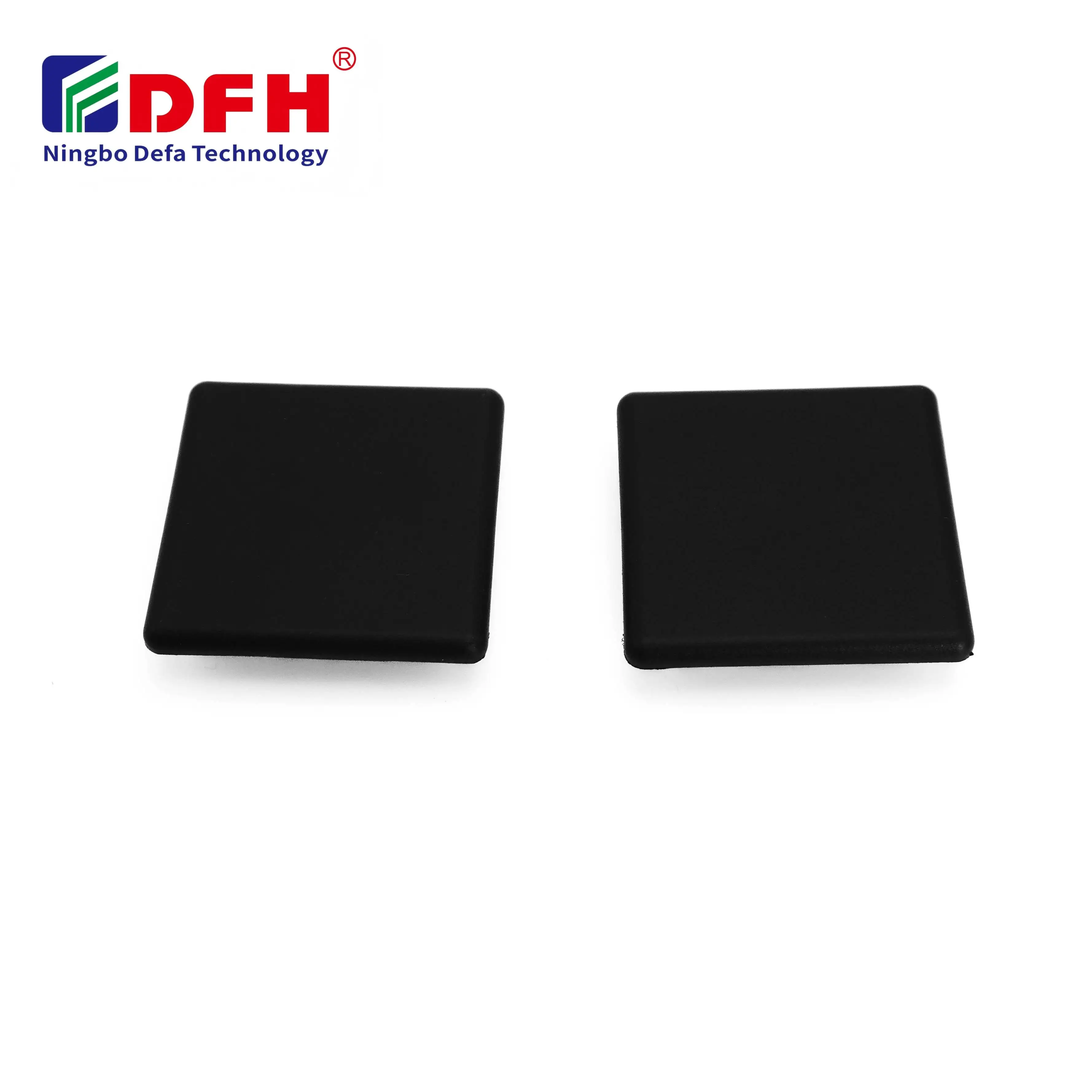
Installing an end cap on profiles is a critical finishing step that protects exposed edges, enhances aesthetics, and extends the lifespan of your aluminum extrusions. Whether you are working with industrial channels, architectural profiles, or structural components, proper end cap installation ensures durability and professional appearance. This guide walks you through the essential techniques and best practices for securing profile end closure solutions effectively.
The process of applying an end cap involves selecting the right profile end closure type, preparing the aluminum extrusion finishing surface, and securing it with appropriate fastening methods. Understanding the different styles of channel cap covers available and matching them to your specific profile dimensions is fundamental to achieving a secure, lasting installation. Proper channel cap cover selection and installation technique directly impact both functionality and visual appeal.
Profile end closure systems come in multiple materials, each suited to different applications and environmental conditions. Plastic end caps offer cost-effectiveness and corrosion resistance, making them ideal for indoor and outdoor environments. Metal end caps, typically aluminum or steel, provide superior durability and strength for heavy-duty industrial applications. Rubber and foam end caps deliver shock absorption and vibration dampening, essential for machinery and equipment installations. Selecting the appropriate channel cap cover material depends on your operating environment, load requirements, and aesthetic preferences.
The end cap must match the exact profile dimensions to ensure proper fit and function. Profile end closure products are manufactured to match standard aluminum extrusion finishing profiles, with variations in width, height, and depth. Measure your profile carefully before purchasing to avoid installation delays and compatibility issues. Most channel cap cover manufacturers provide detailed sizing charts and cross-reference guides to help you identify the correct product for your specific profile type.
Before installing your profile end closure, clean the exposed edge thoroughly to remove dust, debris, and oxidation. Aluminum extrusion finishing surfaces may accumulate manufacturing residue or storage dust that prevents secure bonding or proper seating of the channel cap cover. Use a soft brush or cloth to gently clean the profile end, then wipe with a dry cloth to ensure maximum contact area. For adhesive-based installations, light degreasing with mild soap and water followed by complete drying enhances adhesive bonding strength.
Three primary methods dominate profile end closure installation: friction-fit, adhesive bonding, and mechanical fastening. Friction-fit caps work by compression against the profile walls and are quickest for temporary applications. Adhesive bonding creates permanent connections ideal for sealed environments and vibration-prone equipment. Mechanical fastening using screws or rivets provides maximum security for heavy-load scenarios and disassembly requirements. Select the installation method based on your intended application, environmental exposure, and maintenance accessibility needs. Each method requires specific preparation steps and materials to achieve optimal results with your chosen channel cap cover.
After installing your end cap, verify complete seating along the entire profile perimeter to prevent water ingress and contamination. Check for gaps between the profile end closure and the profile edge, especially at corners and transition areas. Press firmly around the edges to ensure the channel cap cover is fully seated and cannot be dislodged by hand pressure. For adhesive installations, allow the recommended curing time before exposing the assembly to stress, vibration, or environmental elements.
Periodic inspection of installed profile end closure systems prevents premature failure and maintains aluminum extrusion finishing integrity. Environmental factors such as temperature fluctuations, humidity, and UV exposure can gradually degrade adhesive bonds or cause material warping. Clean the channel cap cover surface quarterly to remove environmental contaminants that accelerate degradation. Replace any damaged, cracked, or dislodged end caps immediately to prevent profile deterioration and maintain system performance.
Two-part polyurethane and silicone-based adhesives deliver superior durability for aluminum extrusion finishing applications. Polyurethane bonds offer excellent moisture resistance and flexibility, ideal for profiles exposed to temperature changes. Silicone adhesives provide superior UV resistance and remain flexible over extended timeframes. Always select an adhesive formulated specifically for aluminum and compatible with your chosen profile end closure material to ensure lasting performance.
Reusability depends on installation method and the condition of the channel cap cover. Friction-fit caps can typically be removed and reinstalled multiple times without damage. Adhesive-bonded profile end closure products rarely survive removal intact, as the bonding layer breaks during extraction. Mechanical fastening allows removal and reinstallation if fasteners remain intact and the end cap surface is undamaged. Plan your installation method with future maintenance and potential disassembly requirements in mind.
Proper aluminum extrusion finishing involves ensuring complete contact between the channel cap cover and profile edges, eliminating gaps where moisture can enter. Apply a continuous bead of silicone sealant around the perimeter after the adhesive has cured for extra protection in outdoor environments. Position the profile end closure to fully cover the profile opening, leaving no exposed aluminum extrusion finishing surfaces. Regular inspection and timely replacement of damaged or deteriorated profile end closure products maintain waterproofing integrity over time.
2026/09/30
Source aluminum profiles for versatile modular framing. Learn extrusion mechanics, strength benefits & corrosion resistance. Request details.
2026/09/30
Source aluminum profiles for construction projects. Learn structural framing, cladding & window benefits for maximum ROI. Download guide.
2026/09/30
Source optimal aluminum profile sizing techniques. Evaluate load, space, alloy, environment & cost factors to prevent deflection. Download guide.
2026/09/30
Struggling with fastener failures or rework? Master screw sizing by diameter, pitch, material, and load—plus industry-specific standards. Optimize reliability & compliance now.
2026/09/30
Source aluminum profiles for industrial engineering. Discover strength-to-weight ratios, corrosion resistance & 30% cost savings. Download guide.
2026/09/30
Source heat-resistant aluminum profile systems. Master thermal expansion science & stress management strategies for industrial builds. Download guide.