EN
EN
What is Aluminum Profile and How Does It Work?
2026/09/30
Source aluminum profiles for versatile modular framing. Learn extrusion mechanics, strength benefits & corrosion resistance. Request details.

2026/09/20
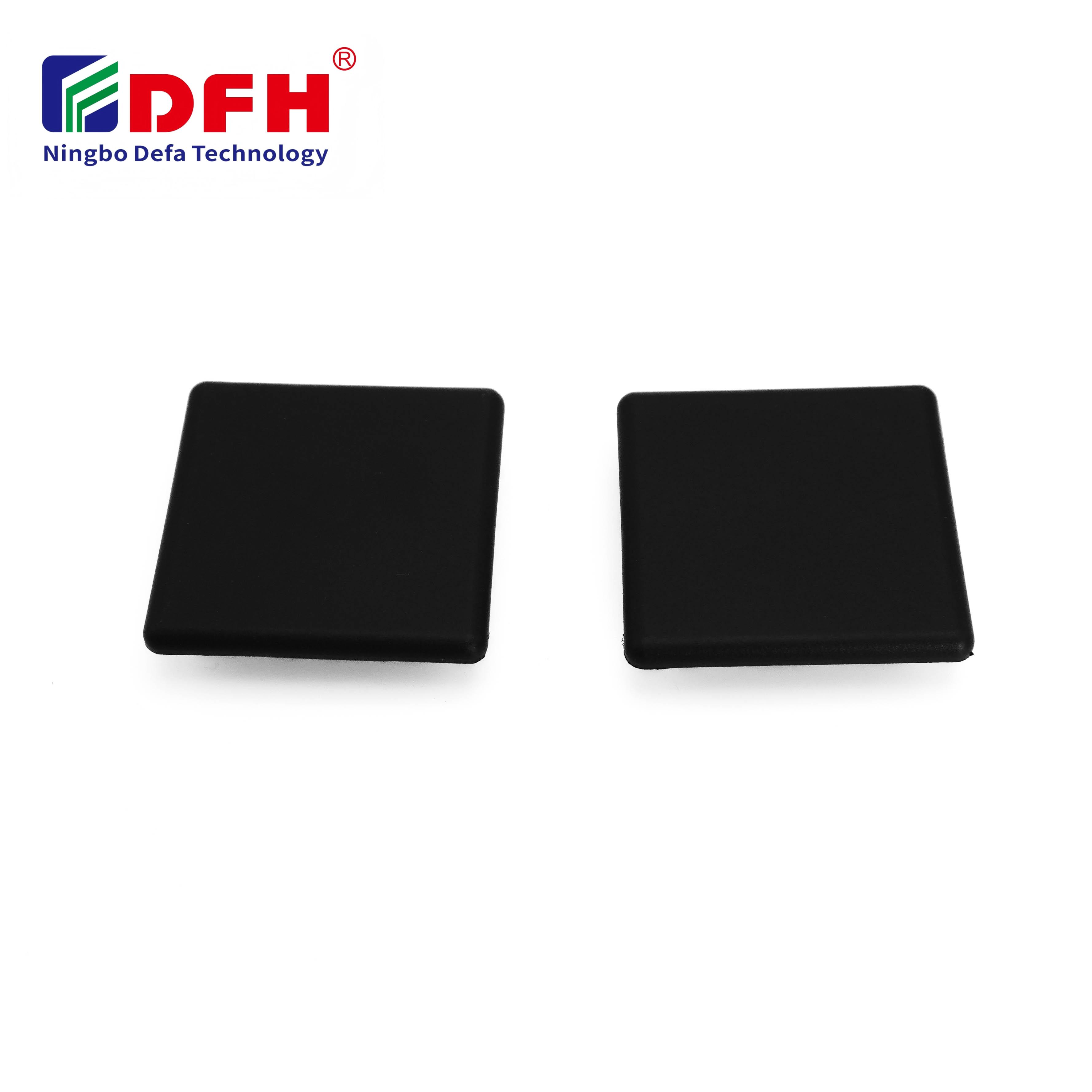
Installing an End Cap on aluminum profiles is a straightforward but essential task in industrial assembly and finishing work. Proper installation ensures your aluminum extrusions look professional, remain protected from debris and moisture, and maintain structural integrity during transport and use. Whether you're working with architectural aluminum, modular framing systems, or custom extrusion assemblies, understanding the correct installation method prevents damage and extends the lifespan of your aluminum components.
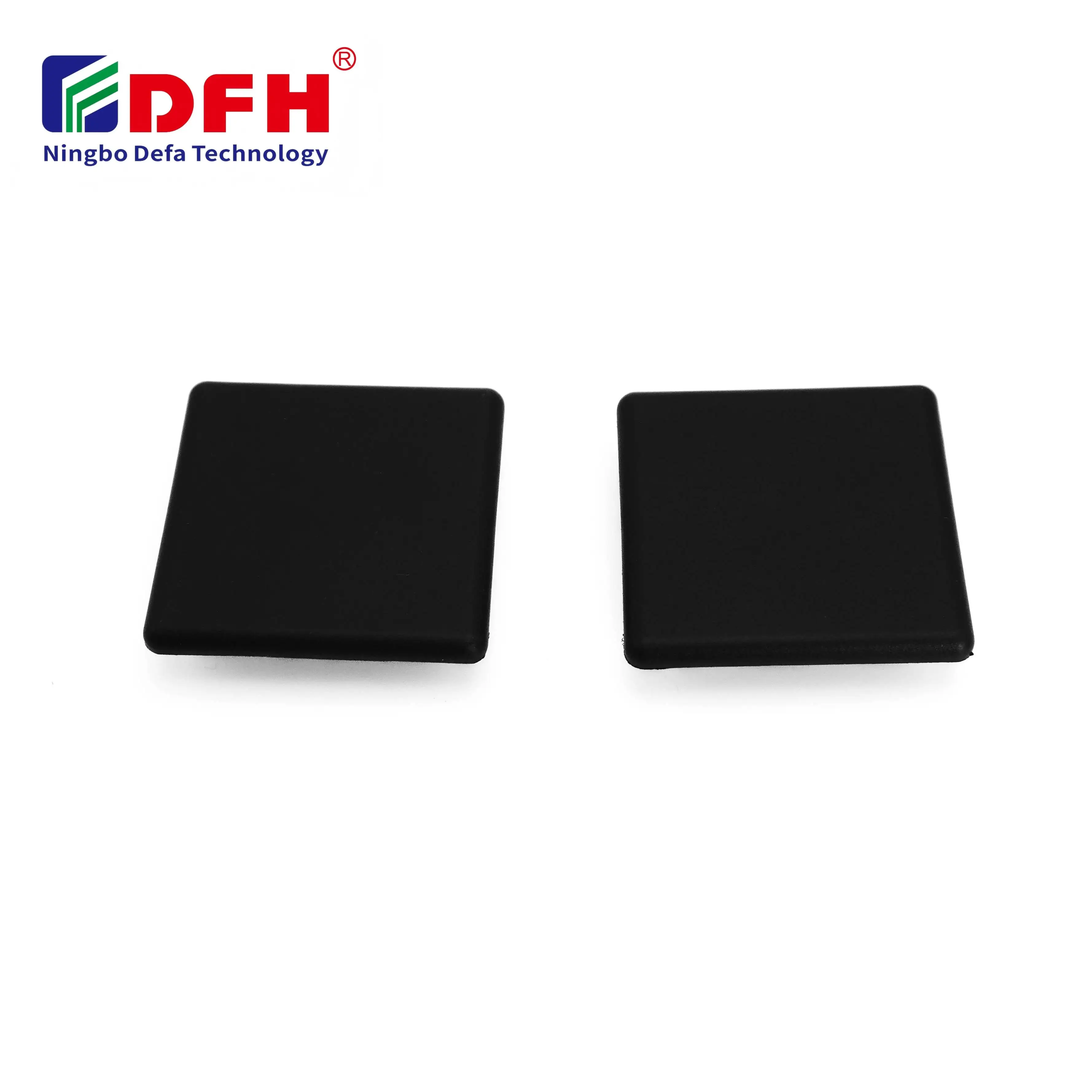
An end cap serves as a profile end closure that seals the open edges of aluminum extrusions. This channel cap cover provides both aesthetic appeal and functional protection. Before beginning installation, gather your aluminum profile end closure components, inspect them for damage, and ensure your aluminum extrusion finishing surface is clean and free from debris or burrs that could interfere with proper seating.
End caps come in various styles designed for specific aluminum profile configurations. The most common type is the push-fit cap, which slides directly onto the open end of an aluminum extrusion. These profile end closure options are available in plastic, nylon, or aluminum materials. Plastic and nylon caps offer cost-effectiveness and vibration dampening, making them ideal for modular framing and protective applications. The channel cap cover design varies depending on whether you're working with square, rectangular, or U-channel profiles.
Another popular variant is the threaded insert end cap, commonly used in precision assembly work where the cap must remain permanently attached. Press-fit end caps, designed for tighter tolerances, require careful alignment during aluminum extrusion finishing. Understanding which type of profile end closure matches your specific extrusion profile is crucial before beginning installation. Mismatched caps result in poor fit, potential damage to the profile, and compromised protection.
The material composition of your channel cap cover directly affects durability, appearance, and environmental resistance. Nylon end caps offer excellent chemical resistance and flexibility, reducing the risk of cracking during installation or removal. Aluminum end caps provide superior rigidity and aesthetic consistency with the profile itself, though they require more careful handling to avoid cosmetic damage. When selecting a profile end closure for aluminum extrusion finishing, consider whether the application involves outdoor exposure, vibration, temperature cycling, or chemical contact.
Wall thickness of the cap material influences both installation ease and long-term performance. Thicker-walled end caps provide better protection and reusability, while thinner designs reduce material costs but may crack under stress. For critical assemblies, investing in higher-quality channel cap cover designs pays dividends through reduced replacement needs and improved appearance over time.
Begin by thoroughly inspecting both the aluminum profile end and the end cap itself. Check the profile end closure area for burrs, oxidation, or other debris that could prevent proper seating. Lightly sand or file any sharp edges or irregularities on the profile surface. For aluminum extrusion finishing, cleanliness is paramount; wipe the end with a dry cloth to remove any dust or moisture. If the profile has been stored for extended periods, inspect the interior cavity for accumulated contaminants and gently clean if necessary.
Next, verify that the channel cap cover you selected matches the profile dimensions. Hold the end cap against the profile opening without forcing it. There should be minimal resistance and a smooth, even contact around the entire perimeter. If the cap feels too tight or too loose, verify you have the correct size and type for your specific aluminum extrusion. Misaligned profile end closure installation often results from using incompatible components.
Position the aluminum profile vertically or at a convenient angle where you can work comfortably. Hold the end cap squarely against the profile opening, ensuring it sits straight without tilting. For push-fit end caps, apply gentle, even pressure and slowly work the profile end closure onto the profile. Rotate slightly while pushing if the cap has a specific orientation or snap feature. The goal is to achieve smooth, uniform seating without forcing the channel cap cover.
Apply steady pressure rather than sudden impact, which can crack plastic or nylon end caps or bend aluminum components. Work around the entire perimeter, checking alignment frequently. If resistance increases significantly before full seating, stop and verify alignment. For threaded insert end caps, manually thread the cap clockwise until hand-tight, then use an appropriately sized tool to achieve final tightness without over-torquing, which damages the aluminum extrusion finishing.
Once installed, visually inspect the profile end closure from all angles to confirm even seating and proper alignment. The channel cap cover should sit flush with the profile surface without gaps or raised edges. Gently test the cap for movement by attempting to rock it side to side. Minimal movement is normal for snap-fit designs, but threaded end caps should feel completely solid. If the cap moves excessively or feels loose, remove it and check for debris or profile deformation.
For aluminum extrusion finishing work, proper installation means the profile end appears professionally finished with no visible gaps between the cap and profile edges. If your assembly requires multiple end caps on the same profile or matching installations across an entire project, install them consistently using the same technique and pressure. Document the installation method for quality assurance and future reference on similar profiles.
Sometimes a profile end closure sits too tightly on the profile, creating difficulty during installation. This typically occurs when tolerance stacking or manufacturing variation produces slightly oversized end caps or undersized profiles. Begin by applying moderate hand pressure consistently around the perimeter rather than forcing from one point. Slight twisting motions while pressing forward can help the channel cap cover seat gradually. For particularly stubborn fits, warm the plastic or nylon end cap slightly under warm water or a heat gun, which increases material flexibility temporarily.
Never use hammers or impact tools on plastic end caps, as this risks cracking or shattering the profile end closure. If repeated gentle attempts fail, contact your supplier to verify the cap and profile are matched correctly. Occasionally, very fine sandpaper around the profile edge can reduce friction without compromising the aluminum extrusion finishing appearance.
Protect your aluminum profile during end cap installation by placing it on a padded work surface. Avoid striking the profile against hard surfaces or allowing sharp edges to contact your channel cap cover components. When handling multiple profiles with end caps during assembly, store them upright or with cushioning between them to prevent cap dislodging or damage to the aluminum extrusion finishing. For sensitive applications, use cotton gloves to avoid leaving fingerprints or oils on the profile surface.
Temperature changes can affect the fit of end caps, particularly on plastic or nylon components. If working in cold conditions, allow components to reach room temperature before installation, as cold materials become more brittle. Conversely, avoid installing profile end closure components in extreme heat, which can cause temporary expansion and poor seating that adjusts as materials cool.
An end cap serves as a profile end closure that protects the open ends of aluminum extrusions from debris, moisture, and accidental contact. The channel cap cover also provides a finished, professional appearance to the assembly and prevents sharp edges from creating safety hazards. For modular systems, end caps maintain structural alignment and reduce vibration transmission.
This depends on the end cap material and design. Rigid plastic or nylon profile end closure caps can typically be removed and reinstalled multiple times with minimal wear. Threaded aluminum extrusion finishing caps can generally be reused indefinitely if removed carefully. However, repeated removal and installation may gradually wear the retention features, eventually requiring replacement. For critical applications, purchase spare end caps to minimize downtime.
End cap sizing corresponds to your profile's cross-sectional dimensions. Measure the width and height of your aluminum extrusion opening to identify the correct channel cap cover size. Consult your profile manufacturer's documentation for compatible profile end closure options, or match the part number if available. When ordering, specify the profile type and dimensions to ensure the correct aluminum extrusion finishing components arrive.
2026/09/30
Source aluminum profiles for versatile modular framing. Learn extrusion mechanics, strength benefits & corrosion resistance. Request details.
2026/09/30
Source aluminum profiles for construction projects. Learn structural framing, cladding & window benefits for maximum ROI. Download guide.
2026/09/30
Source optimal aluminum profile sizing techniques. Evaluate load, space, alloy, environment & cost factors to prevent deflection. Download guide.
2026/09/30
Struggling with fastener failures or rework? Master screw sizing by diameter, pitch, material, and load—plus industry-specific standards. Optimize reliability & compliance now.
2026/09/30
Source aluminum profiles for industrial engineering. Discover strength-to-weight ratios, corrosion resistance & 30% cost savings. Download guide.
2026/09/30
Source heat-resistant aluminum profile systems. Master thermal expansion science & stress management strategies for industrial builds. Download guide.