EN
EN
What is Aluminum Profile and How Does It Work?
2026/09/30
Source aluminum profiles for versatile modular framing. Learn extrusion mechanics, strength benefits & corrosion resistance. Request details.

2026/09/15
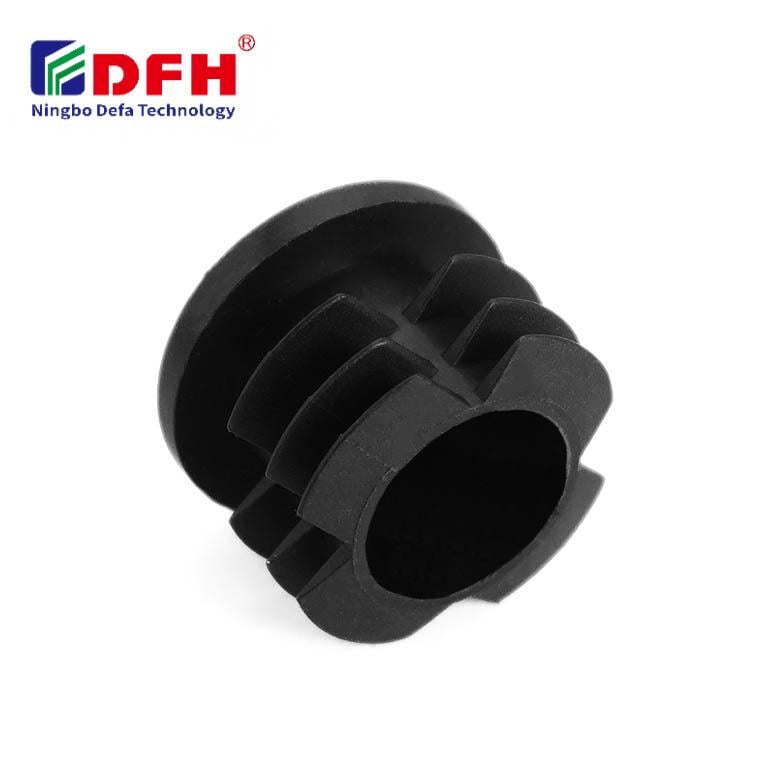
Installing a Pipe Rack System requires careful planning, precision measurement, and methodical execution. Whether you are upgrading an existing facility or building infrastructure from the ground up, understanding the installation process ensures optimal performance, safety compliance, and long-term operational reliability. This guide walks you through each critical phase of deployment.
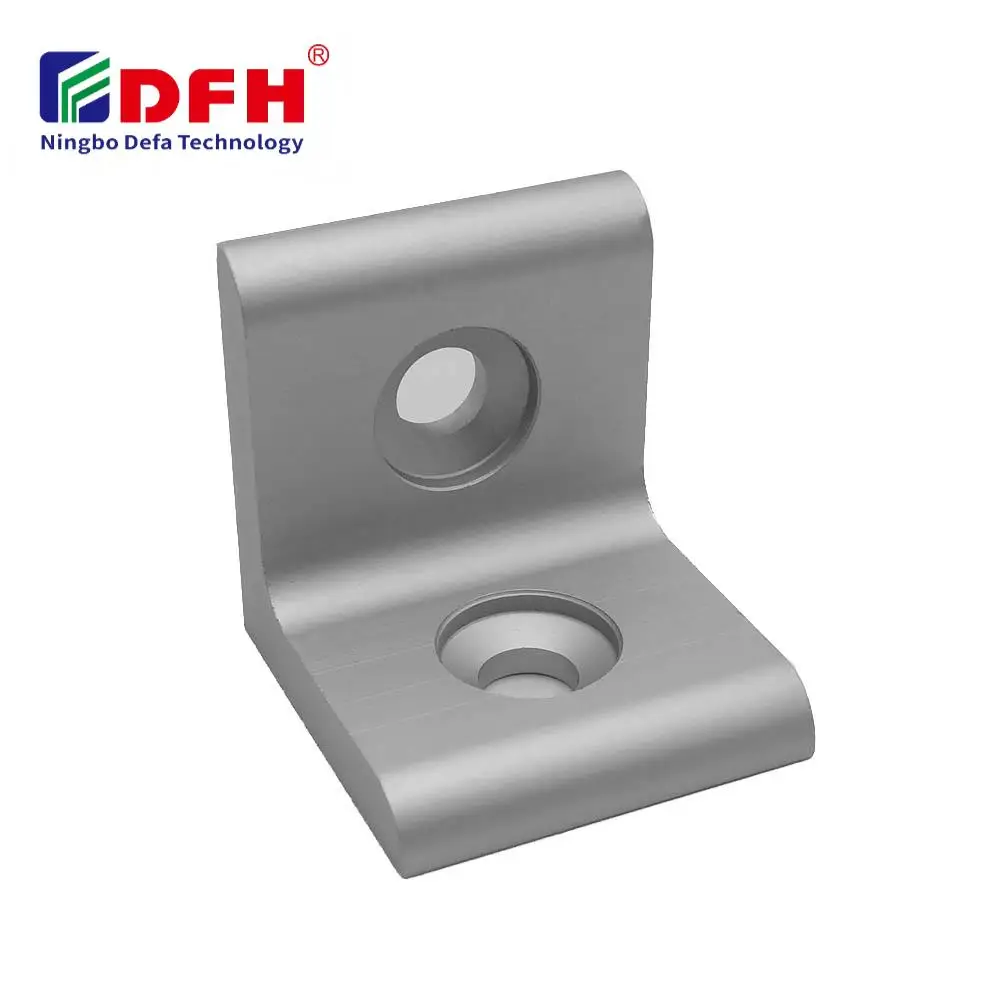
A properly installed Industrial Piping Support Structure forms the backbone of any modern industrial facility. The Modular Pipeline Framework design offers flexibility, scalability, and ease of maintenance. Heavy-Duty Pipe Support Installation demands attention to detail at every stage, from site assessment through final commissioning and testing.
Before installing your Pipe Rack System, conduct a thorough site survey. Document existing utilities, overhead clearances, ground conditions, and environmental factors that may affect Heavy-Duty Pipe Support Installation. Measure all relevant dimensions, identify load-bearing walls, and assess soil capacity if the system will rest on the ground or require embedded footings. Review local building codes, safety regulations, and any facility-specific guidelines.
The foundation is critical for system stability. If your Modular Pipeline Framework will span large distances or carry high pressures, engineer-designed footings may be necessary. Calculate total vertical and lateral loads based on pipe diameter, material, fluid content, and operational conditions. Document all calculations and obtain necessary permits before proceeding with Heavy-Duty Pipe Support Installation work.
Gather all required components for your Industrial Piping Support Structure installation. This includes structural beams, brackets, fasteners, alignment shims, vibration isolators, and connecting hardware. Verify that each component meets specifications and inspection standards. Organize materials near the installation site to streamline workflow and reduce installation time.
Assemble your tool kit before beginning. You will need precision levels, torque wrenches, tape measures, alignment tools, and safety equipment. Test all equipment for accuracy and reliability. Having everything ready prevents delays and ensures that your Pipe Rack System installation proceeds smoothly without interruption.
Begin by installing the base frame of your Modular Pipeline Framework. Position primary structural members according to engineered drawings, ensuring they are plumb and level. Use adjustable feet or shims to correct minor height variations. The base must be absolutely level to prevent stress concentration and uneven load distribution across your Pipe Rack System.
Secure base members to foundation points using appropriate fastening methods. For embedded installations, follow concrete curing schedules before applying load. For floor-mounted systems, ensure fasteners are torqued to specification and double-checked for security. Verify alignment measurements at multiple points along each base member before moving to the next phase of Industrial Piping Support Structure assembly.
Progressively erect vertical support columns and cross-bracing members. Maintain perpendicularity as you build upward, checking alignment at each level. The Modular Pipeline Framework design allows incremental assembly, so verify that Heavy-Duty Pipe Support Installation meets plumb specifications before fastening permanent connections. Install temporary bracing if needed to stabilize the structure during assembly.
Install lateral bracing and wind-resistance elements according to design specifications. These components prevent sway and ensure that your Pipe Rack System maintains dimensional stability under operating conditions. Cross-brace members should be secured with high-strength fasteners and checked for proper tension. Once the complete Industrial Piping Support Structure framework is in place, perform a final comprehensive alignment check before proceeding to pipe installation.
With the framework complete, begin installing pipe runs along the Pipe Rack System structure. Position pipes according to flow logic and maintenance accessibility. Install pipe clamps, supports, and vibration isolators at specified intervals to prevent sagging and reduce operational noise. Ensure all connections are accessible for inspection, cleaning, and future repairs.
Apply identification labels and color-coding to all lines to aid operations and maintenance personnel. Heavy-Duty Pipe Support Installation requires that thermal movement be accommodated through flexible connectors and expansion loops where appropriate. Test all connections for leaks before pressurizing the system. Verify that the Modular Pipeline Framework supports all pipes securely without deformation or misalignment.
Conduct system pressure tests, flow verification, and vibration measurement to confirm that your Modular Pipeline Framework performs as designed. Monitor the Industrial Piping Support Structure for signs of settling, deflection, or stress. Document all baseline measurements for future reference. Verify that thermal growth does not cause binding or unexpected stress on the Pipe Rack System framework.
Train operations and maintenance staff on proper system operation, routine inspection, and component replacement procedures. Establish a preventive maintenance schedule that includes bolt tightness checks, vibration monitoring, and corrosion inspection. Proper installation of your Pipe Rack System ensures years of reliable service and safe facility operation.
Pipe rack spacing depends on pipe diameter, material, operating pressure, temperature fluctuations, and support load calculations. Industrial Piping Support Structure layout must accommodate thermal expansion, allow for maintenance access, and minimize pressure drops. The Modular Pipeline Framework design should also account for future expansion and the addition of new lines without system reconfiguration.
Use precision levels and alignment tools at every stage of assembly. Take measurements at multiple points across each structural member and at several heights along vertical supports. Install adjustable feet or shims under base members to achieve perfect level conditions. Verify that the Pipe Rack System framework meets plumb and level tolerances before permanent fastening to prevent stress concentration and premature component failure.
Establish a regular inspection schedule to check bolt tightness, monitor for corrosion, and verify structural integrity. Periodically measure vibration levels and check for any signs of movement or settling in your Modular Pipeline Framework. Inspect all pipe connections and supports for leaks or damage. Document maintenance activities and perform thermal movement checks to ensure your Pipe Rack System and Industrial Piping Support Structure continue operating safely and efficiently.
2026/09/30
Source aluminum profiles for versatile modular framing. Learn extrusion mechanics, strength benefits & corrosion resistance. Request details.
2026/09/30
Source aluminum profiles for construction projects. Learn structural framing, cladding & window benefits for maximum ROI. Download guide.
2026/09/30
Source optimal aluminum profile sizing techniques. Evaluate load, space, alloy, environment & cost factors to prevent deflection. Download guide.
2026/09/30
Struggling with fastener failures or rework? Master screw sizing by diameter, pitch, material, and load—plus industry-specific standards. Optimize reliability & compliance now.
2026/09/30
Source aluminum profiles for industrial engineering. Discover strength-to-weight ratios, corrosion resistance & 30% cost savings. Download guide.
2026/09/30
Source heat-resistant aluminum profile systems. Master thermal expansion science & stress management strategies for industrial builds. Download guide.