EN
EN
What is Aluminum Profile and How Does It Work?
2026/09/30
Source aluminum profiles for versatile modular framing. Learn extrusion mechanics, strength benefits & corrosion resistance. Request details.

2026/09/23
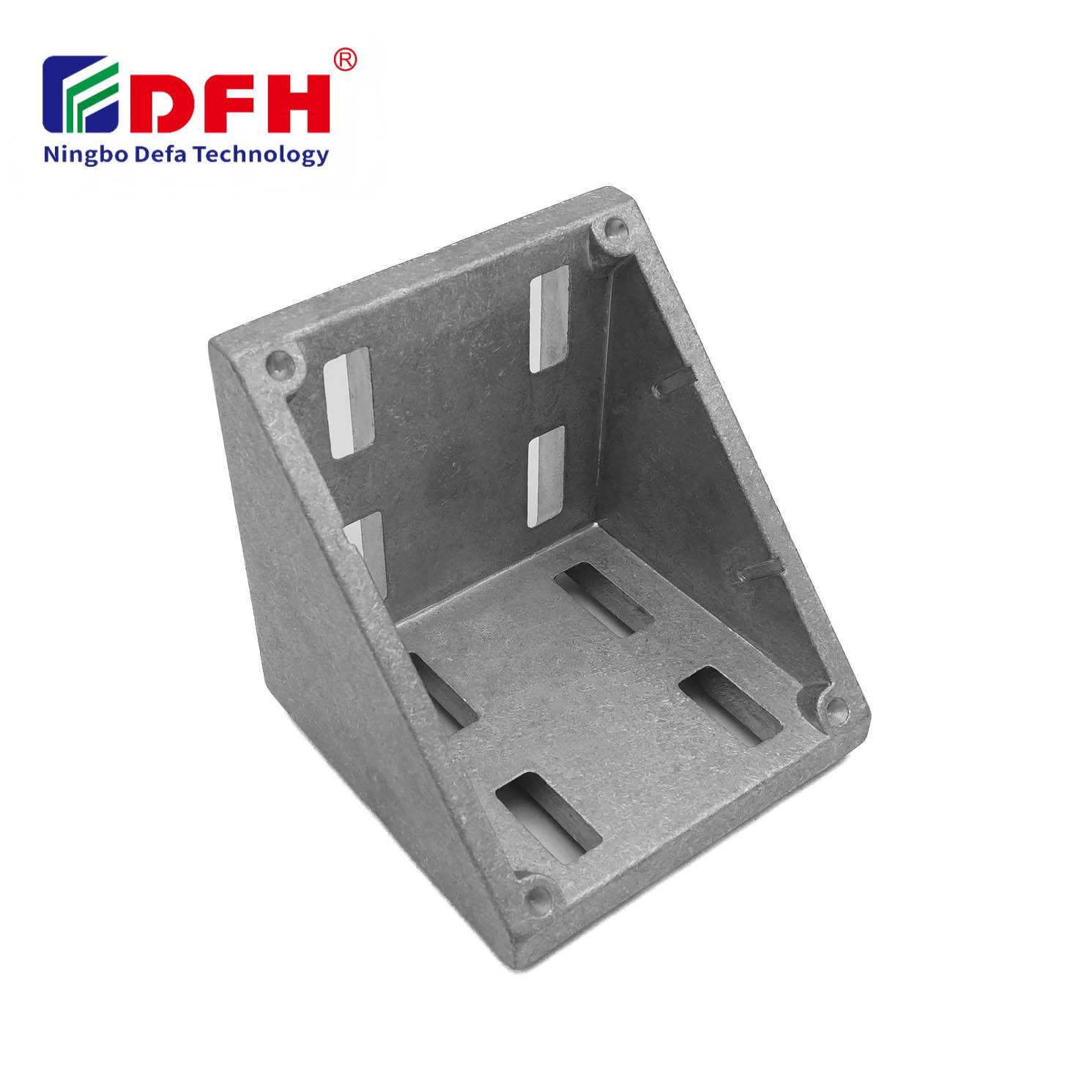
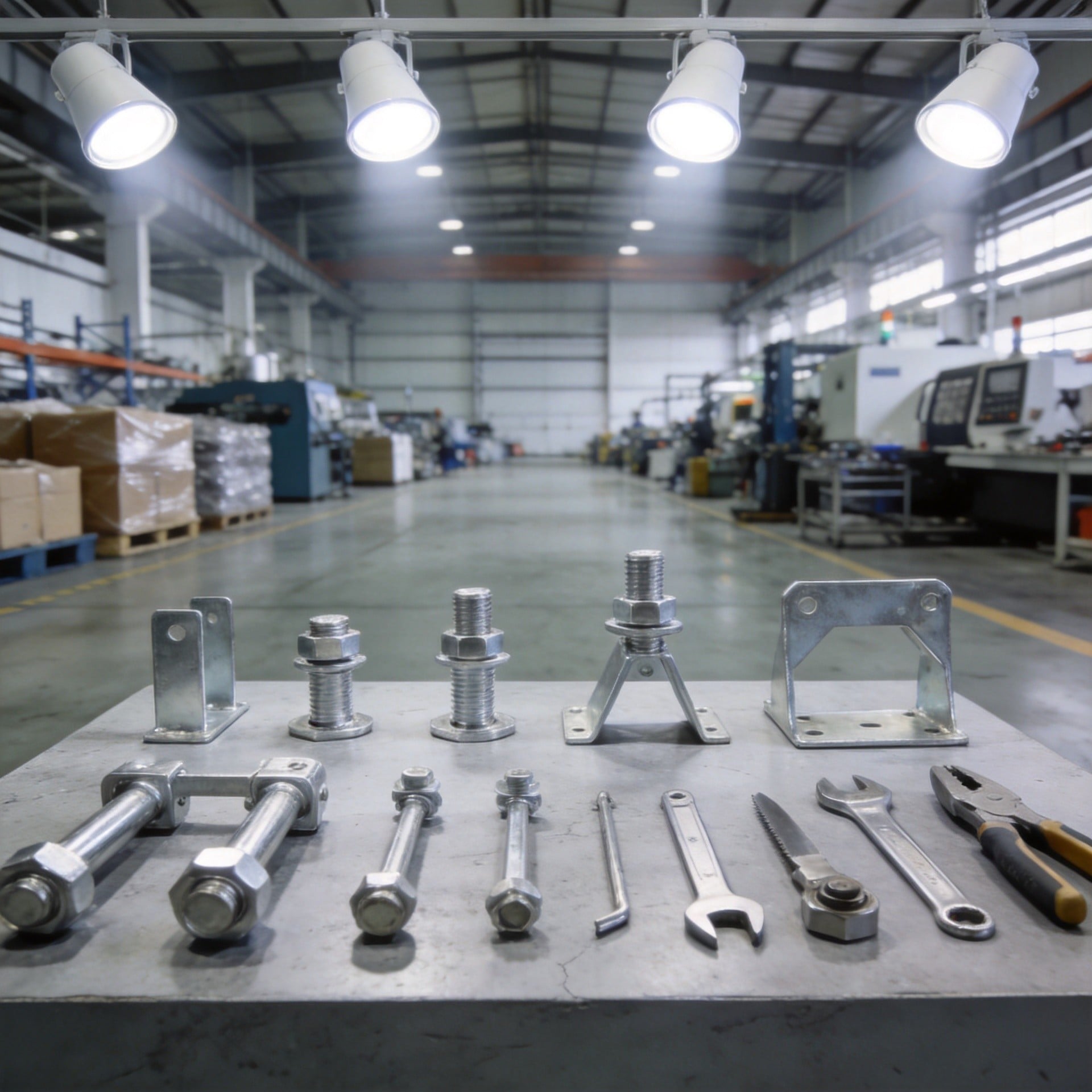
Inspecting Bolt Connectors for damage is a critical maintenance practice that prevents costly downtime, safety failures, and assembly defects in industrial operations. Whether you work in manufacturing, construction, automotive, or infrastructure, the integrity of your fastening systems depends on regular, systematic inspection. Damaged bolts, stripped threads, or corroded connectors can compromise structural integrity, lead to unexpected failures, and create liability risks. Understanding how to identify and assess damage in bolt connectors ensures your equipment operates safely and reliably.
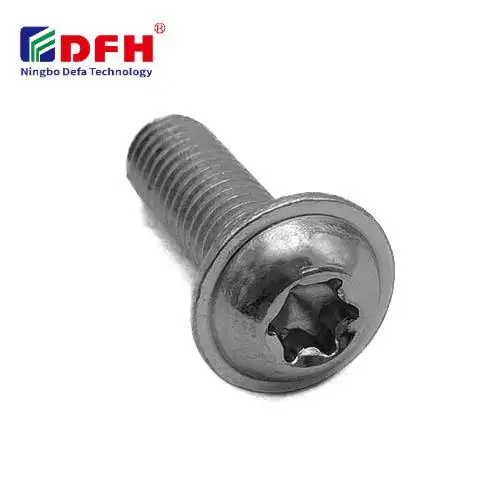
Effective inspection of bolt connectors requires knowledge of common damage patterns, the right inspection tools, and a clear understanding of what constitutes acceptable versus unacceptable wear. This guide covers practical inspection methods that protect your operations, reduce material waste, and maintain compliance with industry standards. By following systematic inspection protocols, you can catch problems early, extend connector lifespan, and ensure your threaded fasteners perform reliably under operational stress.
Begin your inspection by examining the external surface of each bolt connector. Look for visible cracks, dents, gouges, or deformation on the bolt head, shank, or threaded portion. Even minor surface damage can concentrate stress and propagate into complete failure under cyclic loading. Use adequate lighting and magnification if necessary to detect hairline cracks that might otherwise remain hidden. Corrosion manifests as discoloration, pitting, or rust buildup, which weakens the material and reduces load capacity. Surface oxidation on stainless steel or aluminum fasteners may be cosmetic, but deep pitting indicates material loss and requires replacement.
Thread integrity is essential for proper bolt installation methods and secure assembly. Manually run your thumb along the threads to feel for rough spots, chipping, or grinding marks that signal stripping or cross-threading during previous assembly. Use a thread gauge or visual comparison against a known good connector to identify missing or deformed thread crests. If threads are stripped or partially damaged, the fastener cannot achieve proper connector tensioning and should be discarded. Check both the bolt threads and, if accessible, the corresponding nut or threaded hole for compatibility and condition. Mismatched or damaged threads compromise the entire connection and must be corrected before reassembly.
Corrosion takes multiple forms in bolt connectors and requires differentiated responses. Uniform surface rust on carbon steel is often removable through cleaning, but the underlying material weakening may be permanent. Localized pitting creates stress concentration points and reduces fatigue resistance, even if the pit is shallow. Galvanic corrosion occurs when dissimilar metals contact each other, accelerating degradation of the less noble metal. In threaded fasteners, corrosion inside threads is particularly dangerous because it prevents accurate assessment of load capacity and can cause galling or seizing during disassembly. Environmental exposure, moisture, salt spray, or chemical contact are primary corrosion drivers. Inspect connectors from high-risk environments more frequently and consider upgrading to stainless steel or coated fasteners for enhanced durability.
Over extended service life, bolt connectors can suffer metallurgical changes that reduce ductility and increase brittleness. Cyclic stress, temperature extremes, and chemical exposure contribute to fatigue degradation. Examine bolts that have been in service for extended periods or experienced vibration or repeated loading for micro-cracks, discoloration indicating heat exposure, or signs of stress relief cracking. If a connector shows signs of fatigue or embrittlement, it should be retired and replaced with a fresh component. This is particularly critical in high-reliability applications where failure consequences are severe. Material testing or non-destructive testing may be justified for critical applications where fastener failure risk is unacceptable.
Use precision measuring instruments to verify that bolt connector dimensions remain within specification. Measure bolt diameter using a caliper or micrometer to detect necking, which indicates material loss due to corrosion or stress concentration. Compare thread pitch against specification sheets to confirm threads remain true and not compressed or stretched. Check bolt length to identify shortening caused by corrosion, grinding, or material loss. Deviations from original dimensions indicate the connector has degraded and may no longer deliver specified load capacity. Keep records of baseline measurements taken when bolts were new, then perform comparative measurements at service intervals to detect progressive degradation. This quantitative approach removes ambiguity from acceptance decisions.
For critical applications, tension testing validates that a bolt connector still meets mechanical property requirements. Destructive testing on sample fasteners provides definitive proof of remaining strength, though it consumes the test specimens. Non-destructive methods like ultrasonic or magnetic particle inspection can detect internal flaws without destroying the fastener. Bolt installation methods and connector tensioning procedures should always reference the latest material certs or batch documentation to confirm initial properties. If bolts have been in service under significant stress, compare torque values and proof load performance against virgin fasteners to assess remaining capacity. Fasteners that fail to meet minimum load thresholds must be discarded immediately to prevent assembly failures.
Inspection frequency depends on application severity, environmental exposure, and operational stress levels. High-vibration equipment, outdoor installations, or safety-critical assemblies should be inspected quarterly or semi-annually. Standard industrial applications typically require annual inspection. If bolt connectors show visible corrosion, discoloration, or prior failure history, increase inspection frequency to catch emerging problems early. Establish a scheduled maintenance calendar and document all inspection results for compliance and risk management.
Reusability depends on connector condition and application requirements. Bolts that pass visual and dimensional inspection with no permanent deformation can often be reused in non-critical applications. However, many industries and safety standards prohibit reuse of certain fastener types, particularly in high-stress applications. If threaded fasteners show any plastic deformation, galling, or stress-induced changes, they should be discarded. Always consult engineering specifications and industry standards before deciding to reuse a bolt connector. When in doubt, replace with new fasteners to eliminate risk.
Essential inspection tools include a bright light source or inspection lamp, magnifying glass or jeweler's loupe, caliper or micrometer for measurements, thread gauge for thread pitch verification, and written specification sheets for comparison. For critical applications, consider adding ultrasonic thickness gauges, magnetic particle inspection equipment, or dye penetrant kits for enhanced defect detection. Document all findings in an inspection log to track trends and support maintenance planning for threaded fasteners and connector tensioning protocols.
2026/09/30
Source aluminum profiles for versatile modular framing. Learn extrusion mechanics, strength benefits & corrosion resistance. Request details.
2026/09/30
Source aluminum profiles for construction projects. Learn structural framing, cladding & window benefits for maximum ROI. Download guide.
2026/09/30
Source optimal aluminum profile sizing techniques. Evaluate load, space, alloy, environment & cost factors to prevent deflection. Download guide.
2026/09/30
Struggling with fastener failures or rework? Master screw sizing by diameter, pitch, material, and load—plus industry-specific standards. Optimize reliability & compliance now.
2026/09/30
Source aluminum profiles for industrial engineering. Discover strength-to-weight ratios, corrosion resistance & 30% cost savings. Download guide.
2026/09/30
Source heat-resistant aluminum profile systems. Master thermal expansion science & stress management strategies for industrial builds. Download guide.