EN
EN
What is Aluminum Profile and How Does It Work?
2026/09/30
Source aluminum profiles for versatile modular framing. Learn extrusion mechanics, strength benefits & corrosion resistance. Request details.

2026/09/28
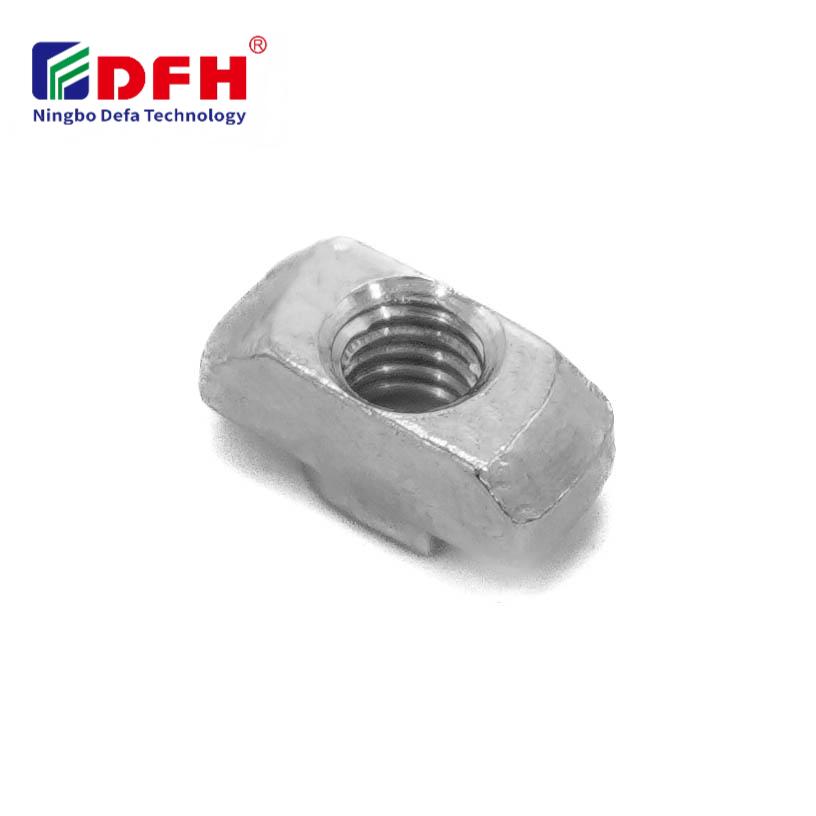
Vibration is one of the most common threats to mechanical assembly integrity in industrial settings. When machinery operates under dynamic conditions, loosening fasteners can lead to catastrophic failures, downtime, and safety hazards. The T Nut has become a critical component for securing equipment to aluminum extrusions and modular frames, but its long-term stability under severe oscillation demands careful attention to installation and engineering design. Maintaining T nut security in vibration environments ensures that production lines maintain tight structural alignment over years of continuous operation.
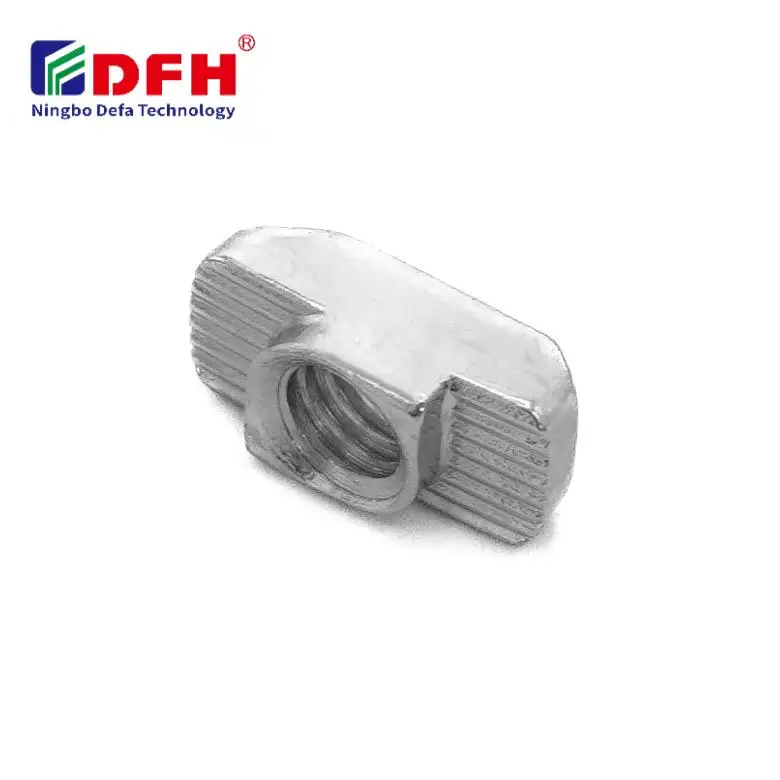
Understanding how to achieve T nut security in vibration intensive facilities requires knowledge of fastening principles, slot nut assembly techniques, and practical implementation strategies. This guide explores the mechanisms causing fastener backing out, evaluates threaded insert vibration resistance, and outlines proven techniques using vibration-resistant fastening hardware to protect critical connections across demanding commercial operations.
Vibration creates repetitive micro-movements at fastening points, gradually weakening the clamping grip between the nut body and the extrusion profile. Each operational cycle introduces small relative displacements that accumulate over time. Achieving T nut security in vibration heavy machinery requires understanding how these micro-slips degrade initial joint clamping force over time.
The standard slot nut assembly design allows nuts to slide inside profile channels for easy repositioning. However, this floating setup leaves standard fasteners vulnerable to rotational loosening. Unlike fixed hardware mounted on rigid plates, a slot nut assembly can rotate loose under horizontal dynamic stress unless proper mechanical locking mechanisms are installed.
Industrial machinery generates specific vibration frequencies that affect fasteners differently. Low-frequency oscillations cause gradual creep loosening, whereas high-frequency resonance amplifies movement. Evaluating threaded insert vibration resistance helps engineers select suitable locking compounds or mechanical washers for variable-speed machinery.
Equipment experiencing rapid acceleration or sudden stopping cycles creates peak torque spikes that unseat standard fasteners. Utilizing high-performance vibration-resistant fastening hardware ensures joints stay rigid during severe operating shifts, preventing unexpected frame misalignment.
Applying medium-strength thread-locking compounds provides reliable chemical locking for profile fasteners. These liquid adhesives cure in the absence of air, filling microscopic thread voids to prevent micro-sliding while still permitting servicing with standard hand tools. Applying thread locker directly to threads improves threaded insert vibration resistance significantly.
Selecting the appropriate anaerobic adhesive grade is vital. Medium-strength formulas offer the ideal balance of hold and serviceability for a typical slot nut assembly. For extreme conditions, pairing chemical adhesives with specialized vibration-resistant fastening hardware ensures maximum joint retention without risking thread stripping during future maintenance.
Split-ring spring washers, wedge-locking washers, and deformed-thread nuts provide mechanical security against dynamic loosening. These devices maintain continuous spring tension against the bolt head, preserving clamping force even when structural micro-relaxation occurs under heavy dynamic loads.
Wedge-locking washer pairs feature cam surfaces that lock together, turning potential loosening forces into increased clamping tension. Integrating wedge washers into a modular slot nut assembly creates exceptional joint stability, providing reliable T nut security in vibration environments where chemical adhesives might degrade from ambient heat.
Correct installation technique establishes the foundation for joint durability. Begin by cleaning the aluminum extrusion channel thoroughly to eliminate oil and metal chips. Position the nut body squarely within the T-slot so threads align cleanly with the mounting bolt before applying initial torque.
Always use a calibrated torque wrench rather than manual tightening by feel. Correct torque creates optimal clamp tension without over-stretching threads or damaging aluminum profile walls. Following precise torque charts maximizes threaded insert vibration resistance and ensures long-term operational safety.
Establishing regular inspection routines prevents unexpected fastener backing out in high-vibration plants. Maintenance teams should inspect critical frame connections periodically using torque wrenches to verify that fasteners retain their specified preload over extended production runs.
Visual inspection marks applied across bolt heads and frame surfaces allow technicians to spot rotational movement quickly. Upgrading compromised joints with certified vibration-resistant fastening hardware prevents recurring loosening issues across automated assembly lines.
When standard hardware falls short in extreme environments, structural redesign becomes necessary. Increasing bolt diameters or adding auxiliary mounting brackets distributes dynamic loads across multiple frame points, reducing stress on individual fasteners.
Engineers should also evaluate frame orientation relative to primary vibration vectors. Position profile slots perpendicular to main motion paths whenever possible, as this geometry enhances overall T nut security in vibration heavy manufacturing setups.
Operating environments strongly influence fastener performance. Moisture, chemical washdowns, and ambient temperature swings affect chemical thread-lockers and base metals alike. Specifying stainless steel components prevents galvanic corrosion between dissimilar metals in humid facilities.
Combining stainless steel hardware with corrosion-resistant locking washers maintains long-term threaded insert vibration resistance. Using properly matched materials guarantees that every slot nut assembly performs reliably throughout its intended service life.
Repetitive micro-movements gradually reduce thread friction through creep loosening. Dynamic vibration causes microscopic sliding between internal threads and profile walls, causing fasteners to back out unless secured with specialized vibration-resistant fastening hardware.
High-vibration machinery should undergo monthly torque checks. Regularly monitoring joint tension guarantees T nut security in vibration intensive setups and prevents structural frame shifts before equipment damage occurs.
No, thread-locking compounds must be fully cleaned off and reapplied during reassembly. Fresh compound ensures full surface contact, maximizing threaded insert vibration resistance across every serviced slot nut assembly.
2026/09/30
Source aluminum profiles for versatile modular framing. Learn extrusion mechanics, strength benefits & corrosion resistance. Request details.
2026/09/30
Source aluminum profiles for construction projects. Learn structural framing, cladding & window benefits for maximum ROI. Download guide.
2026/09/30
Source optimal aluminum profile sizing techniques. Evaluate load, space, alloy, environment & cost factors to prevent deflection. Download guide.
2026/09/30
Struggling with fastener failures or rework? Master screw sizing by diameter, pitch, material, and load—plus industry-specific standards. Optimize reliability & compliance now.
2026/09/30
Source aluminum profiles for industrial engineering. Discover strength-to-weight ratios, corrosion resistance & 30% cost savings. Download guide.
2026/09/30
Source heat-resistant aluminum profile systems. Master thermal expansion science & stress management strategies for industrial builds. Download guide.