EN
EN
What is Aluminum Profile and How Does It Work?
2026/09/30
Source aluminum profiles for versatile modular framing. Learn extrusion mechanics, strength benefits & corrosion resistance. Request details.

2026/09/15
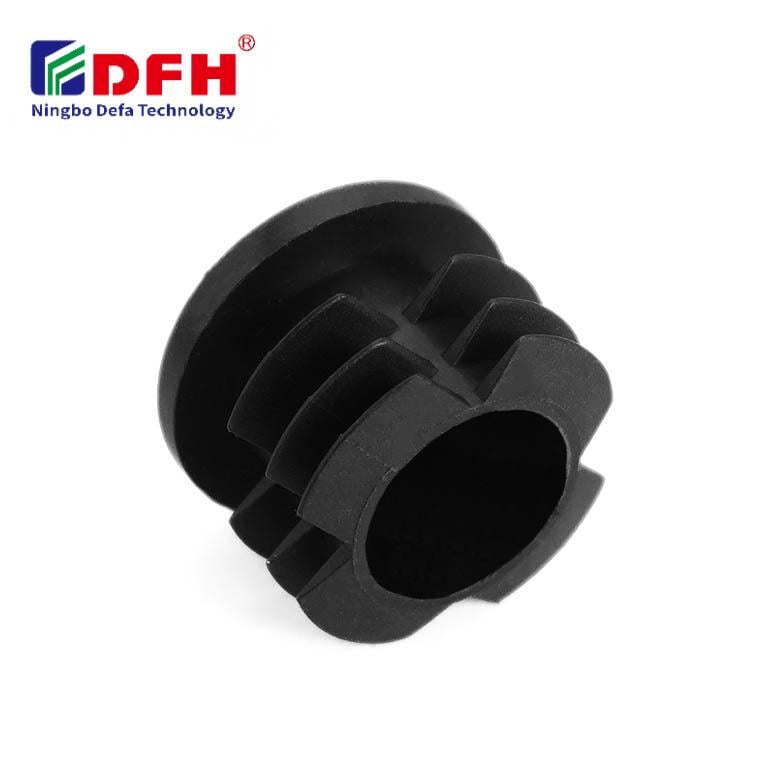
Designing a Pipe Rack System is one of the most critical infrastructure decisions for any industrial facility. Whether you manage a refinery, petrochemical plant, power generation station, or manufacturing complex, the structural foundation that supports your piping network directly impacts operational efficiency, maintenance accessibility, safety compliance, and capital expenditure. A well-designed pipe rack system integrates engineering precision, material quality, spatial planning, and long-term reliability into a cohesive framework that serves your facility for decades.
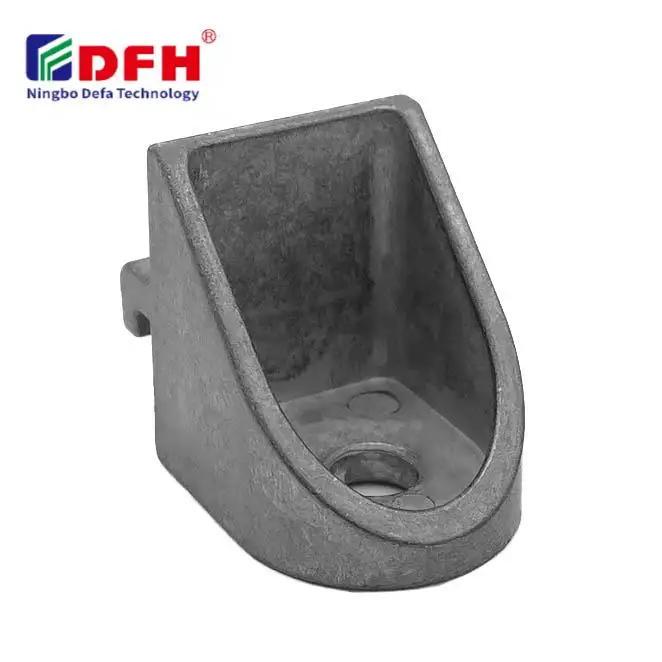
The process of designing an effective industrial piping support structure requires understanding multiple technical dimensions, from load calculations and material selection to layout optimization and regulatory compliance. This comprehensive guide walks you through the essential planning phases, design principles, and implementation strategies that transform facility requirements into a robust, scalable modular pipeline framework capable of supporting current operations and accommodating future expansion.
The foundation of any successful pipe rack system design begins with precise load analysis. You must determine the total weight of all pipes, fluids, insulation, and attached equipment that the structure will support. This includes static loads from the pipes themselves, dynamic loads from fluid flow and vibration, and thermal stresses from temperature fluctuations. Heavy-duty pipe support installation standards require engineers to calculate combined loads with safety margins that accommodate worst-case operational scenarios.
Pressure ratings, flow velocities, and thermal expansion coefficients must all factor into your calculations. If your industrial piping support structure will carry pressurized lines, vibrating equipment, or high-temperature fluids, the design must account for these dynamic forces. Working with structural engineers who specialize in industrial applications ensures your system meets or exceeds industry codes and standards specific to your facility type.
Layout planning determines how effectively your modular pipeline framework will integrate with existing facility infrastructure. Document all pipe routing requirements, connection points, branch locations, and access routes. Identify spatial constraints imposed by buildings, equipment, electrical systems, HVAC ducting, and personnel pathways. Your pipe rack system design must balance structural efficiency with practical maintenance accessibility and operational safety.
Consider future expansion capacity during this planning phase. A well-designed industrial piping support structure allocates reserved bay space for new lines, rising mains, and interconnections without requiring complete redesign. This forward-looking approach reduces capital costs when facility capacity requirements increase.
Material selection directly impacts the longevity and maintenance burden of your pipe rack system. Structural steel grades, coating systems, and fastener specifications must match your facility's environmental conditions and process chemistry. Corrosive atmospheres, marine salt spray, high humidity, or chemical exposure require premium coating systems such as hot-dip galvanizing, epoxy, or specialized industrial finishes.
Heavy-duty pipe support installation in harsh environments demands material specifications that resist degradation. Aluminum frameworks offer weight advantages for certain applications but may require additional corrosion protection. Carbon steel with appropriate coating systems provides proven reliability and cost-effectiveness for most industrial piping support structures. Your modular pipeline framework materials should balance initial capital investment against lifecycle maintenance costs.
Your design must comply with applicable building codes, industry standards, and regulatory requirements. Standards such as AISC (American Institute of Steel Construction), API (American Petroleum Institute), and local jurisdictional codes establish minimum design safety factors, material grades, welding procedures, and inspection protocols. Engaging licensed professional engineers ensures your industrial piping support structure meets all mandatory requirements and passes regulatory inspections.
Certification documentation, welding inspection reports, material test certificates, and design calculations form the permanent record that validates your pipe rack system installation. This documentation supports insurance claims, facility audits, and equipment certification processes throughout the system's operational lifetime.
A modular pipeline framework organizes support points into a logical three-dimensional grid that maximizes structural efficiency and construction scalability. Standardized bay widths, column spacing, and beam arrangements reduce fabrication complexity and allow you to expand sections systematically without disrupting operational systems. Your pipe rack system design should establish consistent module dimensions that balance structural load distribution with practical fabrication and assembly procedures.
Vertical clearance, horizontal spacing, and support point intervals must accommodate all piping diameters, insulation thickness, and maintenance equipment access. Heavy-duty pipe support installation benefits from standardized connection details, bolt patterns, and weld specifications that repetitively apply across the entire structure. This standardization accelerates construction schedules and improves quality consistency throughout your industrial piping support structure.
Phased installation strategies allow your facility to remain operational while the pipe rack system construction progresses. Temporary support systems, staged demolition procedures, and careful sequencing minimize disruption to existing processes. Heavy-duty pipe support installation teams coordinate with operations staff to plan outages, reroute temporary lines, and manage the transition from existing support infrastructure to the new modular pipeline framework.
Quality control during installation includes dimensional verification, fastener torque testing, weld inspection, and coating inspection. These procedures verify that your completed pipe rack system meets design specifications and maintains structural integrity under full operational loads. Final load testing and certification documents confirm that the installation achieved the designed capacity and performance targets.
Design complexity, total load requirements, material grades, environmental protection systems, installation access constraints, and project schedule urgency all impact pipe rack system costs. Standardized modular pipeline framework designs typically offer better cost efficiency than custom structures. Simplifying geometry, using standard materials, and selecting proven connection details can reduce heavy-duty pipe support installation expenses while maintaining full operational performance.
Thermal expansion is addressed through engineered support details that allow controlled movement while maintaining load stability. Sliding supports, expansion loops in the piping itself, and directional restraint systems balance the pipe rack system's structural rigidity with the flexibility required for temperature-induced dimensional changes. The modular pipeline framework incorporates these thermal considerations into its basic design rather than treating them as afterthoughts.
Modification feasibility depends on the original design margin and the extent of capacity expansion required. A well-designed industrial piping support structure with reserved bay space and oversized sections can typically accommodate moderate increases without complete reconstruction. Heavy-duty pipe support installation upgrades may involve adding reinforcement, enhancing foundations, or adding supplementary frames. A structural engineer must evaluate the existing conditions and design appropriate reinforcement strategies for safe, code-compliant expansion.
2026/09/30
Source aluminum profiles for versatile modular framing. Learn extrusion mechanics, strength benefits & corrosion resistance. Request details.
2026/09/30
Source aluminum profiles for construction projects. Learn structural framing, cladding & window benefits for maximum ROI. Download guide.
2026/09/30
Source optimal aluminum profile sizing techniques. Evaluate load, space, alloy, environment & cost factors to prevent deflection. Download guide.
2026/09/30
Struggling with fastener failures or rework? Master screw sizing by diameter, pitch, material, and load—plus industry-specific standards. Optimize reliability & compliance now.
2026/09/30
Source aluminum profiles for industrial engineering. Discover strength-to-weight ratios, corrosion resistance & 30% cost savings. Download guide.
2026/09/30
Source heat-resistant aluminum profile systems. Master thermal expansion science & stress management strategies for industrial builds. Download guide.