EN
EN
What is Aluminum Profile and How Does It Work?
2026/09/30
Source aluminum profiles for versatile modular framing. Learn extrusion mechanics, strength benefits & corrosion resistance. Request details.

2026/09/15
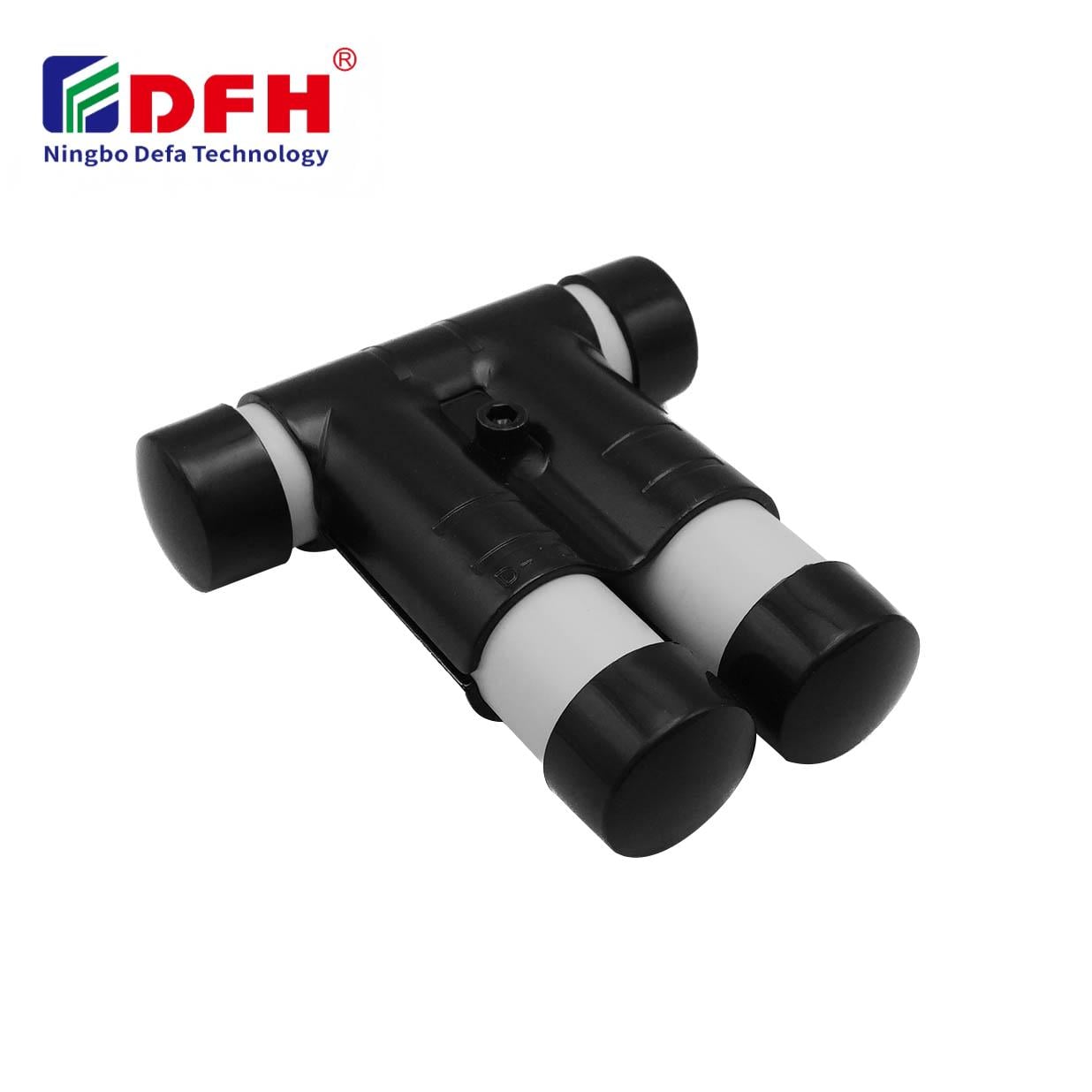
Designing a Pipe Rack System for industrial plants requires careful planning, structural engineering expertise, and understanding of operational demands. A properly designed pipe rack serves as the backbone of your facility's fluid and gas distribution network, supporting everything from process lines to utility connections. The effectiveness of your Industrial Piping Support Structure directly impacts maintenance accessibility, operational safety, and long-term cost efficiency.
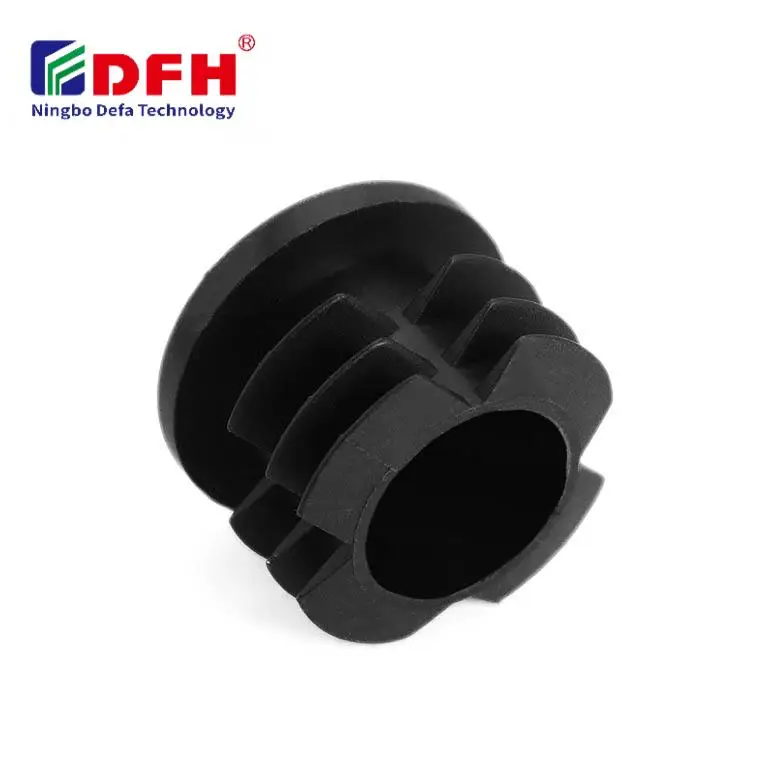
This guide walks through the essential design considerations for developing a robust Heavy-Duty Pipe Support Installation that meets industry standards and operational requirements. Whether you are upgrading an existing facility or building from scratch, understanding the design fundamentals of a Modular Pipeline Framework ensures your investment delivers reliability, scalability, and maintainability for decades to come.
The foundation of any Heavy-Duty Pipe Support Installation begins with accurate load calculations. You must account for the weight of all pipes, insulation, contents (liquid or gas), and future expansion allowances. An Industrial Piping Support Structure must withstand not only static loads but also dynamic stresses from thermal expansion, vibration, and pressure fluctuations. Engineers typically apply safety factors ranging from 1.5 to 2.5 depending on pipe materials, operating temperatures, and fluid types.
Thermal expansion represents one of the most critical forces in your Pipe Rack System design. Pipes carrying hot fluids or steam expand and contract significantly, and your support structure must accommodate this movement without creating excessive stress on connections, nozzles, or adjacent equipment. Calculating thermal growth ensures that your support framework absorbs these movements while maintaining alignment and integrity throughout the facility's operational life.
Choosing appropriate materials for your Industrial Piping Support Structure depends on environmental exposure, corrosive substances, temperature range, and budget constraints. Steel remains the most common choice for heavy-duty applications due to its strength-to-weight ratio and cost-effectiveness. However, stainless steel or coated steel may be necessary in corrosive environments such as chemical processing plants or facilities near coastal regions.
Environmental conditions surrounding your Modular Pipeline Framework significantly affect longevity and maintenance requirements. Wind loads, seismic activity, and extreme temperatures must be factored into design calculations. In regions with high seismic risk, your Pipe Rack System may require additional bracing, dampers, and flexible connections to prevent catastrophic failure during earthquakes.
Effective layout of your Heavy-Duty Pipe Support Installation requires strategic routing that balances multiple competing demands. Pipes must follow logical paths that minimize distance, reduce pressure drop, and maintain accessibility for inspection and maintenance. Your Pipe Rack System should separate different fluid services (process, utility, safety systems) to prevent cross-contamination and simplify troubleshooting.
Operator accessibility is often overlooked but critical for ongoing plant operations. Maintenance personnel need clear access to valves, gauges, and connection points without crawling underneath or maneuvering through tight spaces. The Industrial Piping Support Structure should include walkways, platforms, and ladder access where technicians frequently require maintenance or inspection activities. Poor layout choices often necessitate expensive rework during the facility's operational phase.
A Modular Pipeline Framework approach enables flexibility for future expansions and modifications without requiring complete system redesign. Standardized support modules can be added, relocated, or reconfigured as production needs evolve. This flexibility transforms your Pipe Rack System from a rigid permanent installation into an adaptable infrastructure investment that supports your facility's growth trajectory.
Modular design also accelerates construction timelines and reduces on-site fabrication requirements. Standardized components mean faster procurement, simpler assembly procedures, and fewer compatibility issues. For plants with tight commissioning schedules, this approach to Heavy-Duty Pipe Support Installation can significantly reduce project duration and associated costs.
Your Pipe Rack System must comply with applicable codes and standards specific to your industry and geographic location. The American Society of Mechanical Engineers (ASME), local building codes, and process industry guidelines all establish minimum requirements for piping support design. Non-compliance creates liability exposure, regulatory penalties, and potential safety hazards during normal operations or emergency conditions.
An experienced Industrial Piping Support Structure engineer will reference ASME B31.1, B31.3, or B31.8 depending on whether the system carries power plant steam, chemical processes, or gas. Additionally, any Heavy-Duty Pipe Support Installation located in areas with seismic risk must satisfy ASCE 7 earthquake load requirements and potentially local amendments that impose stricter seismic criteria.
Your Modular Pipeline Framework design must incorporate inspection points and connection strategies that allow technicians to verify system integrity throughout its operational life. Bolted connections are typically preferred over welded designs for Heavy-Duty Pipe Support Installation because they permit easy disassembly for inspection, replacement, or reconfiguration. Corrosion-resistant fasteners prevent premature failure in challenging environments where your Pipe Rack System operates.
Design your Industrial Piping Support Structure with clearly identified support locations that match piping system specifications. Each support point should be documented in engineering drawings that show load capacity, materials, installation methodology, and maintenance procedures. This documentation ensures that future modifications or repairs proceed without inadvertently compromising the original design intent or structural capacity.
Support spacing in your Industrial Piping Support Structure depends on pipe diameter, material, operating temperature, and fluid contents. For carbon steel pipes in typical process service, maximum spans generally range from 8 to 12 feet, though larger pipes and thicker walls permit greater distances. Your engineering team must calculate deflection limits that prevent excessive stress on connections and maintain proper slope for drainage or flow characteristics. A Modular Pipeline Framework typically standardizes spacing at intervals like 10 feet to simplify fabrication and reduce design complexity across multiple rack sections.
Thermal expansion creates significant forces within your Pipe Rack System that must be accommodated through design features rather than resisted. Pipes carrying fluids at elevated temperatures expand longitudinally and require anchor points at strategic locations with sliding or guided supports between anchors to absorb movement. Your Industrial Piping Support Structure must incorporate expansion loops, bends, or flexible connectors that dissipate thermal energy without transferring excessive loads to equipment nozzles. Engineering calculations for a Modular Pipeline Framework typically account for seasonal temperature variations and process operating conditions to ensure supports and connections remain within acceptable stress limits throughout the year.
Retrofitting a Heavy-Duty Pipe Support Installation into an operating facility presents unique challenges but remains feasible with proper planning. Your Industrial Piping Support Structure must be designed to work within existing building constraints, overhead clearances, and operational requirements while the plant continues production. Phased installation approaches allow you to upgrade portions of your Pipe Rack System incrementally, minimizing disruption to ongoing operations. A well-designed Modular Pipeline Framework enables piecemeal replacement of older supports with modern designs, spreading costs across multiple capital budgets while systematically improving facility reliability.
2026/09/30
Source aluminum profiles for versatile modular framing. Learn extrusion mechanics, strength benefits & corrosion resistance. Request details.
2026/09/30
Source aluminum profiles for construction projects. Learn structural framing, cladding & window benefits for maximum ROI. Download guide.
2026/09/30
Source optimal aluminum profile sizing techniques. Evaluate load, space, alloy, environment & cost factors to prevent deflection. Download guide.
2026/09/30
Struggling with fastener failures or rework? Master screw sizing by diameter, pitch, material, and load—plus industry-specific standards. Optimize reliability & compliance now.
2026/09/30
Source aluminum profiles for industrial engineering. Discover strength-to-weight ratios, corrosion resistance & 30% cost savings. Download guide.
2026/09/30
Source heat-resistant aluminum profile systems. Master thermal expansion science & stress management strategies for industrial builds. Download guide.