EN
EN
What is Aluminum Profile and How Does It Work?
2026/09/30
Source aluminum profiles for versatile modular framing. Learn extrusion mechanics, strength benefits & corrosion resistance. Request details.

2026/09/30
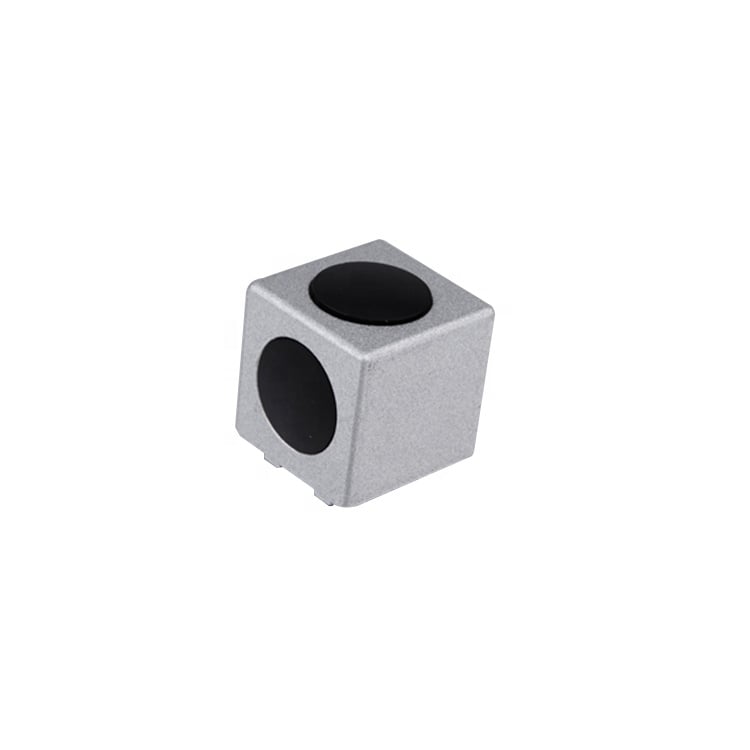
Customizing aluminum profile dimensions is a critical process for manufacturers and engineers who need precise specifications for their industrial applications. Whether you're designing a structural frame, building an assembly line fixture, or constructing specialized equipment, getting the right dimensions for your aluminum profile directly impacts product quality, assembly efficiency, and overall project cost. The ability to tailor an aluminum profile to exact measurements ensures that your components fit perfectly within your system architecture and meet performance requirements without wasteful material modification or costly rework.
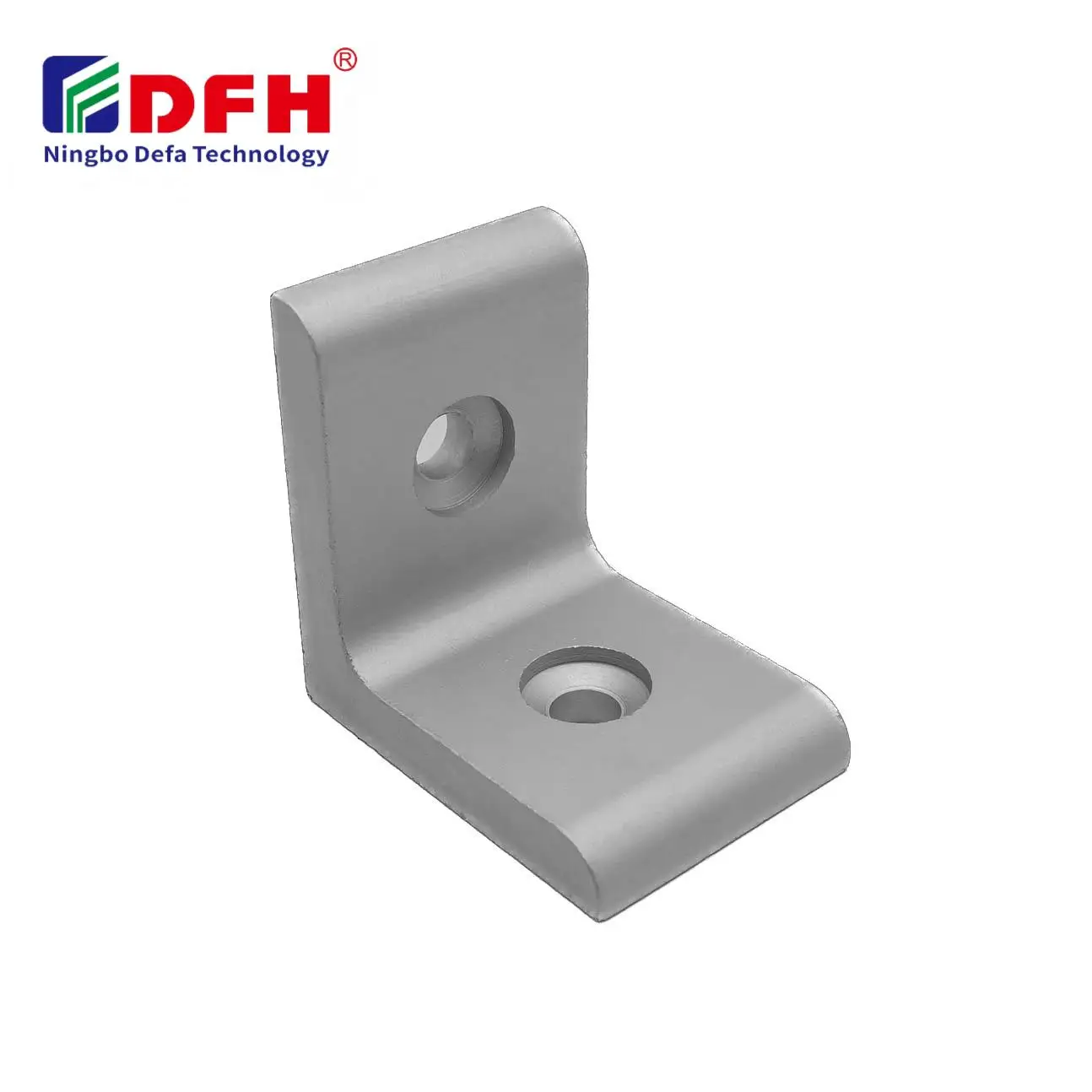
Understanding how to request and specify custom aluminum profile dimensions requires knowledge of the extrusion process, available design options, and the constraints imposed by manufacturing capabilities. Modern industrial aluminum extrusions are produced through precision processes that allow significant flexibility in cross-sectional shape and length, but successful customization depends on clear communication with your supplier and understanding the technical factors that influence both feasibility and cost. This guide walks you through the essential steps and considerations for customizing your aluminum profile specifications to achieve optimal results for your industrial project.
Aluminum frames and aluminum frame systems are built on extruded aluminum components that can be modified across multiple dimensions and design parameters. The extrusion process allows manufacturers to create custom cross-sectional profiles by pushing molten aluminum through precisely designed dies, making it possible to produce nearly any 2D shape within practical manufacturing limits. Once extruded, the aluminum profile can be further cut to custom lengths, drilled with specific hole patterns, and finished according to your exact requirements. This inherent flexibility means that an extruded aluminum solution can be adapted to fit your unique engineering constraints rather than forcing your design to fit standard stock components.
When customizing an aluminum profile for your application, you control several critical dimensions. Cross-sectional width and height define how the profile looks when viewed from the end; wall thickness affects both structural strength and weight; slot width and spacing (in T-slot or other channel systems) determine what accessories and fasteners can be mounted; and overall length can be cut to any specification your project requires. Industrial aluminum extrusions also allow customization of corner radii, draft angles, and internal features like stiffening ribs or integrated channels. Understanding which dimensional parameters matter most for your application helps you focus on the specifications that genuinely affect performance and cost, rather than over-specifying features you don't actually need.
The first step in customizing an aluminum profile is to establish your exact dimensional needs based on your engineering design and intended application. Start by sketching your required cross-section and measuring critical dimensions: the overall height and width of the profile in its installed position, any load-bearing requirements that dictate minimum wall thickness, slot spacing if you're using an aluminum frame system with modular accessories, and the total length you need. Document any mounting hole locations, bore sizes, or feature patterns that must be incorporated into your aluminum profile design. Be specific about tolerances and surface finishes, as these details significantly impact manufacturing cost and lead time; a general-purpose industrial aluminum extrusion has looser tolerances than a precision aerospace component, and choosing appropriately can reduce costs substantially.
Once you've defined your requirements, effective communication with your aluminum profile supplier is essential. Provide a detailed technical drawing or CAD model that shows your required cross-section from the end view, the length you need, and any special features. Include information about the application environment: will your aluminum frame systems operate in corrosive conditions requiring special alloy selection, high-temperature environments, or outdoor exposure? Specify the alloy (6061 is common for structural applications; 5005 and 5083 for marine use; 7075 for high-strength aerospace applications) and temper (the heat treatment state that affects hardness and workability). Ask your supplier about minimum order quantities, lead times, and whether design modifications might reduce cost or manufacturing complexity; experienced manufacturers often have insights that can improve both your design and your budget.
Not every imaginable aluminum profile dimension is equally practical or economical to manufacture. The extrusion die required to produce your custom cross-section represents a significant capital expense, so suppliers typically impose minimum order quantities to justify tooling costs. Complex hollow sections with thin walls or very small features may be technically possible but extremely difficult to extrude, leading to higher scrap rates and cost premiums. Industrial aluminum extrusions also have practical limits on cross-sectional size and internal complexity; extremely large profiles become structurally unstable during extrusion, while profiles with deep internal cavities may trap molten aluminum that cools unevenly and creates weak points. Understanding these constraints helps you work with your supplier to design an aluminum profile that meets your functional requirements while staying within economic manufacturing bounds.
Optimizing your aluminum profile dimensions involves thoughtful trade-offs between structural performance, weight, cost, and manufacturability. Increasing wall thickness adds strength and rigidity but also increases material cost and weight; for many applications, a modest thickness provides adequate performance while keeping costs reasonable. Similarly, adding features like integral ribs or complex cavity shapes can improve structural efficiency but requires more sophisticated die design and potentially higher per-unit costs. Consulting with your supplier about value engineering—making strategic modifications to reduce cost without compromising performance—often yields unexpected savings. For high-volume projects, the economics may favor custom tooling and custom aluminum frame systems, while smaller-volume needs may be better served by selecting from catalog stock and minimizing custom dimensions.
Before committing to full production orders, consider requesting prototype samples of your customized aluminum profile to verify that dimensions, fit, and functionality align with your expectations. A prototype run allows you to test assembly procedures, verify that mounting holes align with other components, and confirm that the profile's structural characteristics meet your operational requirements. Use this phase to identify any needed adjustments, such as slight dimensional refinements or feature relocations, before those changes become locked into production tooling. Quality-conscious manufacturers will provide dimensional certifications for prototype samples, showing that your custom profile meets stated tolerances and specifications.
Once your aluminum profile design is finalized and production begins, establish clear quality agreements with your supplier that define acceptable tolerances, surface finish standards, and testing requirements. High-volume production of industrial aluminum extrusions includes periodic sampling and measurement to ensure that extruded aluminum dimensions remain consistent throughout your order. Document your specifications in a formal specification sheet that both you and your supplier reference throughout the production relationship; this clarity prevents misunderstandings and ensures that replacement orders or future projects use identical dimensions. Regular communication with your supplier and periodic quality audits help maintain the reliability that your downstream processes and customers depend on.
The appropriate alloy depends on your application requirements. The 6061 aluminum alloy is versatile and widely used for structural components in machinery and frames because of its good strength-to-weight ratio and moderate corrosion resistance. For marine or highly corrosive environments, 5005 or 5083 alloys offer superior corrosion resistance. For aerospace or demanding high-strength applications, 7075 provides exceptional strength but reduced corrosion resistance and higher cost. Your supplier can recommend the optimal aluminum profile alloy based on your specific environmental and performance requirements.
Custom extruded aluminum requires manufacturing a unique die, which represents significant upfront tooling cost. Suppliers recoup this cost across units produced, so minimum order quantities for industrial aluminum extrusions are typically quite high—often in the range of 500 to 2,000 units depending on profile complexity. The per-unit cost decreases significantly as volume increases; a small prototype run costs more per unit than a full production order. Understanding the minimum order quantity and volume pricing structure helps you plan procurement strategies and budget appropriately for your aluminum frame systems projects.
Minor dimensional changes to an existing aluminum profile design may be possible without requiring a new die, depending on the nature of the modification. Changes to length are typically simple and low-cost since cutting happens after extrusion. Changes to cross-sectional dimensions, wall thickness, or feature patterns usually require a new extrusion die, which resets tooling costs and minimum order quantities. This is why prototyping and thorough upfront specification of your aluminum frame systems and industrial aluminum extrusions are so important; getting the design right before committing to full production saves both time and money.
2026/09/30
Source aluminum profiles for versatile modular framing. Learn extrusion mechanics, strength benefits & corrosion resistance. Request details.
2026/09/30
Source aluminum profiles for construction projects. Learn structural framing, cladding & window benefits for maximum ROI. Download guide.
2026/09/30
Source optimal aluminum profile sizing techniques. Evaluate load, space, alloy, environment & cost factors to prevent deflection. Download guide.
2026/09/30
Struggling with fastener failures or rework? Master screw sizing by diameter, pitch, material, and load—plus industry-specific standards. Optimize reliability & compliance now.
2026/09/30
Source aluminum profiles for industrial engineering. Discover strength-to-weight ratios, corrosion resistance & 30% cost savings. Download guide.
2026/09/30
Source heat-resistant aluminum profile systems. Master thermal expansion science & stress management strategies for industrial builds. Download guide.