EN
EN
What is Aluminum Profile and How Does It Work?
2026/09/30
Source aluminum profiles for versatile modular framing. Learn extrusion mechanics, strength benefits & corrosion resistance. Request details.

2026/09/29
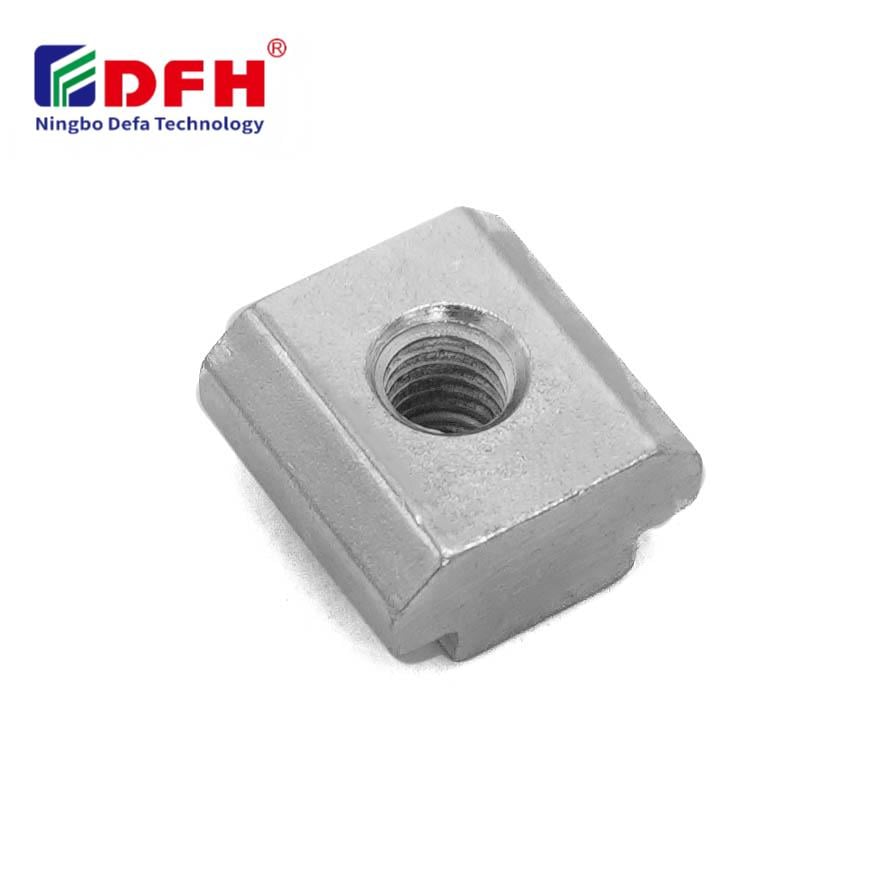
Selecting the correct T Nut size is fundamental to building reliable and durable aluminum profile assemblies. Whether you are designing industrial machinery, workbenches, or modular framing systems, the T nut selection directly affects structural integrity, ease of assembly, and long-term performance. An undersized fastening hardware choice leads to insufficient clamping force and potential joint failure, while an oversized slot nut assembly creates waste and complicates installation. Understanding the sizing principles behind threaded insert selection ensures your project meets strength requirements while maintaining cost efficiency and assembly simplicity.
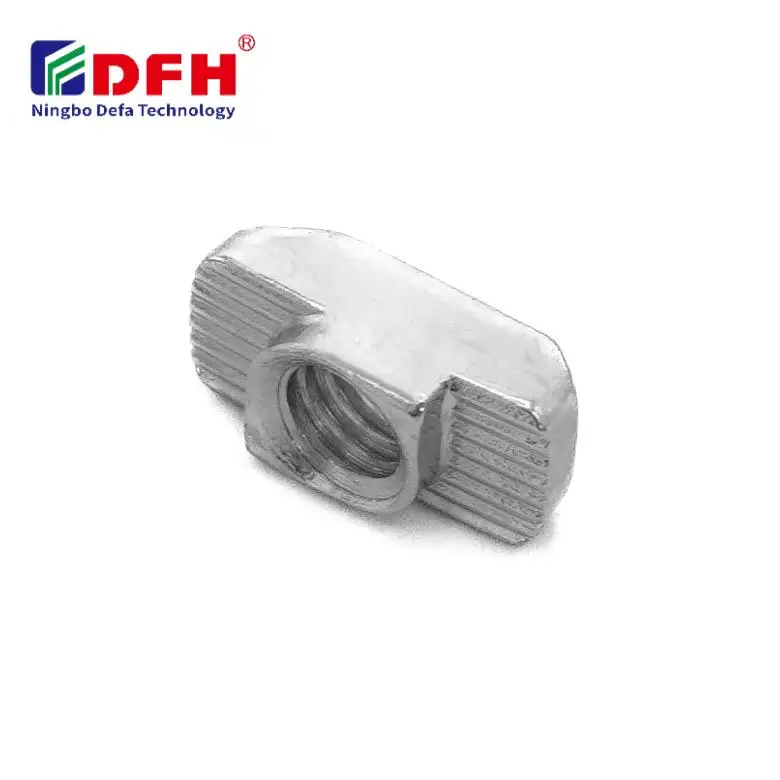
The process of choosing the right T nut begins with understanding your specific application demands. Industrial manufacturers and engineers must consider profile dimensions, load requirements, material compatibility, and installation space constraints. A slot nut assembly that works perfectly for light-duty prototype assembly may fail catastrophically when exposed to vibration or dynamic loading in a production environment. This guide walks you through the essential factors that influence T nut sizing decisions, equipping you with the knowledge to select fastening hardware that delivers reliable performance.
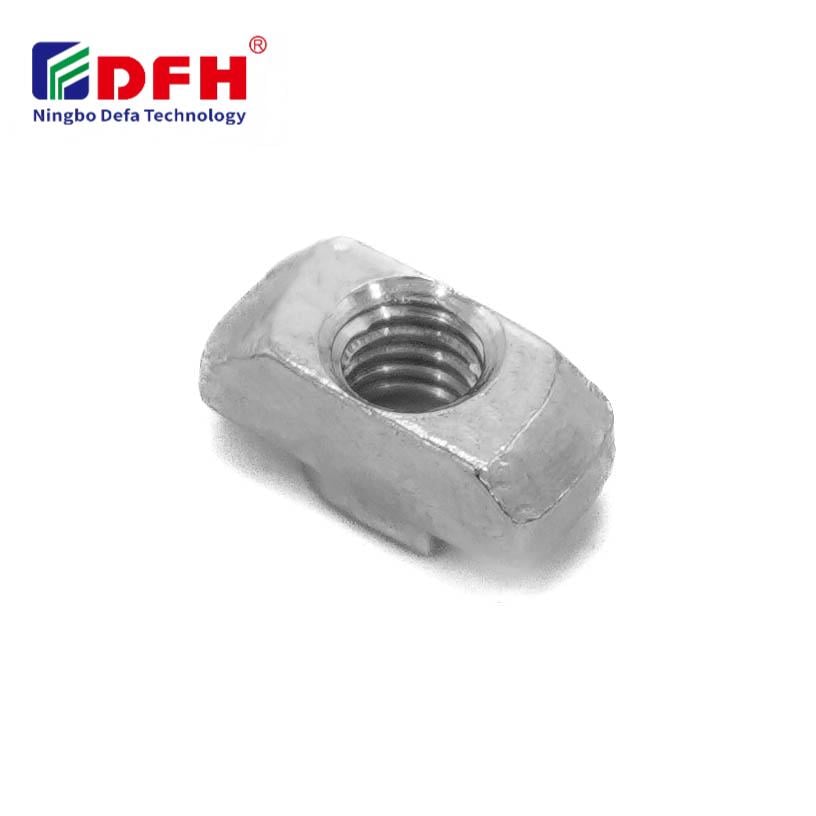
Every aluminum profile features standardized slot dimensions that directly determine which threaded insert sizes will fit. Common profile standards include 20mm, 30mm, 40mm, 45mm, and 50mm profiles, each with corresponding slot widths. A T nut must slide freely into the profile slot without binding, yet maintain enough engagement to prevent rotation during assembly. The slot nut assembly design typically includes a base that sits flush within the profile groove and a threaded stud extending outward. Measuring your profile slot width accurately is the first step in narrowing down compatible fastening hardware options.
Thread diameter of your threaded insert directly correlates with load-carrying capacity. Common T nut options range from M4 through M12, with metric thread sizes offering predictable strength characteristics. M4 and M5 sizes suit lightweight applications and fine adjustments, while M6 and M8 fastening hardware serve general industrial assembly. M10 and M12 slot nut assembly configurations handle heavy loads, vibration-prone environments, and high-clamping-force applications. Engineers calculate required thread diameter by dividing anticipated load by the material's allowable stress, then selecting the next larger standard size to provide safety margin.
Static applications like shelving systems, mounting brackets, and support frames typically accommodate smaller threaded insert sizes because loads remain constant. Dynamic environments with vibration, thermal cycling, or repeated stress cycles demand larger slot nut assembly configurations to resist loosening and fatigue failure. Machinery frames, transportation equipment, and outdoor installations experience acceleration forces that magnify stress on fastening hardware. When uncertainty exists about load magnitude or application intensity, selecting one thread size larger than minimum requirements provides reliability insurance and reduces maintenance risk over the assembly lifetime.
Environmental conditions influence both the T nut material grade and sizing strategy. Corrosive environments demand stainless steel or zinc-plated fastening hardware, which may have different tensile strength compared to bare steel. High-temperature applications require careful material compatibility assessment, as some threaded insert coatings deteriorate under sustained heat. Outdoor installations exposed to salt spray, humidity, or chemical exposure benefit from oversizing by one metric size to compensate for potential material degradation. The slot nut assembly material selection and size work together to ensure long-term reliability in harsh conditions.
Physical space within the profile channel constrains how much a T nut can protrude into the assembly. Some applications require the threaded insert to sit nearly flush with the profile surface, limiting overall fastening hardware volume. Others tolerate significant protrusion if accessibility permits. Measuring available depth and comparing it against potential slot nut assembly designs ensures your selection fits without interference. Interior roof trusses, sandwich panel assemblies, and confined-space framing demand careful clearance verification before finalizing your T nut specification.
Threaded insert selection influences assembly speed and workforce capability requirements. Larger T nut sizes accommodate standard wrenches and power tools more easily than diminutive fastening hardware that demands specialized sockets. High-volume assembly lines benefit from slot nut assembly configurations that guide workers toward correct orientation and prevent insertion errors. Manual assembly operations in small facilities or custom fabrication shops often favor mid-range T nut sizes that balance reach, leverage, and ease of use. Evaluating your production environment and team skill level helps identify which threaded insert size minimizes assembly bottlenecks and rework cycles.
Start by calculating the required clamping force for your application, then reference ISO thread standards to find the smallest fastening hardware diameter that safely handles that load. Add one metric size larger as a safety margin, particularly in vibration-prone or dynamic environments. Consult your profile manufacturer's compatibility chart to confirm that your chosen threaded insert fits within the available slot width without modification.
No, a larger slot nut assembly cannot fit into a smaller profile slot without significant modification that compromises both components. Always match your T nut dimensions to your specific profile size. If load requirements exceed what a standard-sized fastening hardware offers, consider switching to a larger profile series rather than forcing incompatible components together.
Stainless steel threaded insert or hot-dip galvanized fastening hardware resists corrosion in outdoor environments better than bare steel. Evaluate your specific exposure conditions—salt spray, humidity, or industrial pollution—and select appropriate slot nut assembly coatings accordingly. Higher-grade materials often justify the additional cost by eliminating premature failure and maintenance requirements in harsh climates.
2026/09/30
Source aluminum profiles for versatile modular framing. Learn extrusion mechanics, strength benefits & corrosion resistance. Request details.
2026/09/30
Source aluminum profiles for construction projects. Learn structural framing, cladding & window benefits for maximum ROI. Download guide.
2026/09/30
Source optimal aluminum profile sizing techniques. Evaluate load, space, alloy, environment & cost factors to prevent deflection. Download guide.
2026/09/30
Struggling with fastener failures or rework? Master screw sizing by diameter, pitch, material, and load—plus industry-specific standards. Optimize reliability & compliance now.
2026/09/30
Source aluminum profiles for industrial engineering. Discover strength-to-weight ratios, corrosion resistance & 30% cost savings. Download guide.
2026/09/30
Source heat-resistant aluminum profile systems. Master thermal expansion science & stress management strategies for industrial builds. Download guide.