EN
EN
What is Aluminum Profile and How Does It Work?
2026/09/30
Source aluminum profiles for versatile modular framing. Learn extrusion mechanics, strength benefits & corrosion resistance. Request details.

2026/09/18
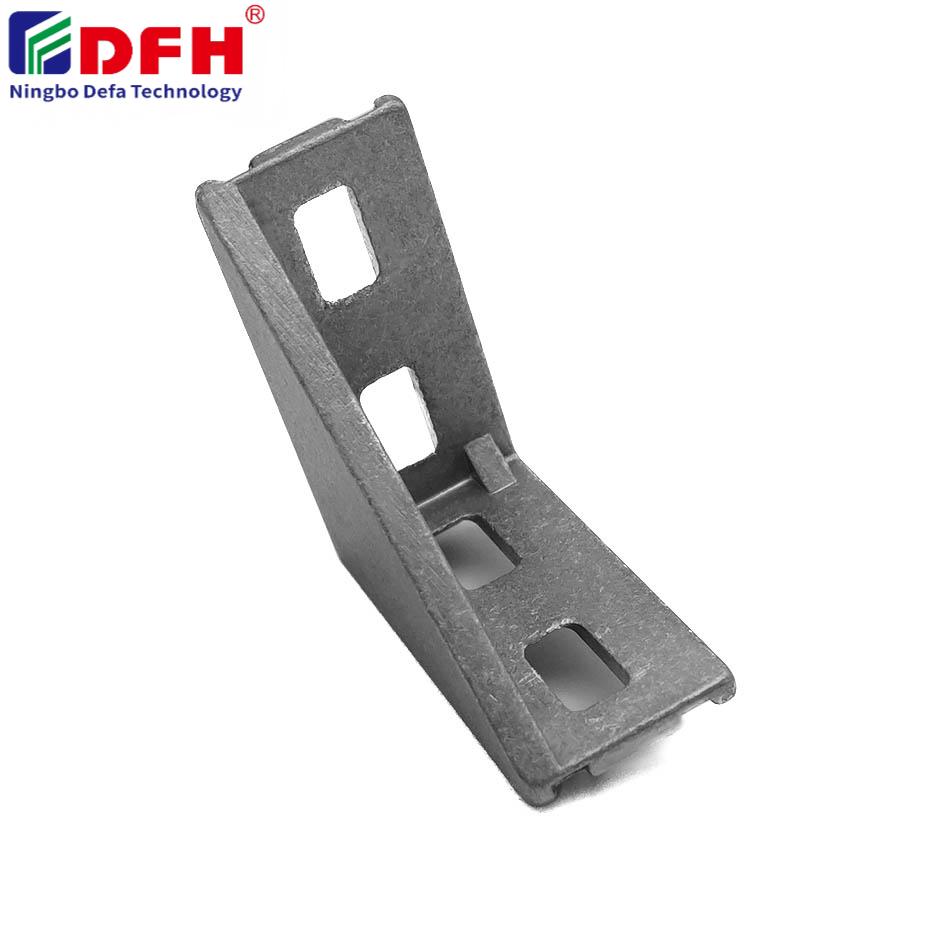
Selecting the appropriate inner connector size is a critical decision for engineers, manufacturers, and assembly professionals who work with modular aluminum profiles and frame systems. The wrong inner connector choice can compromise structural integrity, reduce equipment lifespan, and create costly production delays. Understanding how to evaluate inner connectors based on your specific application, load requirements, and assembly methodology ensures reliable performance and long-term cost efficiency in your industrial operations.
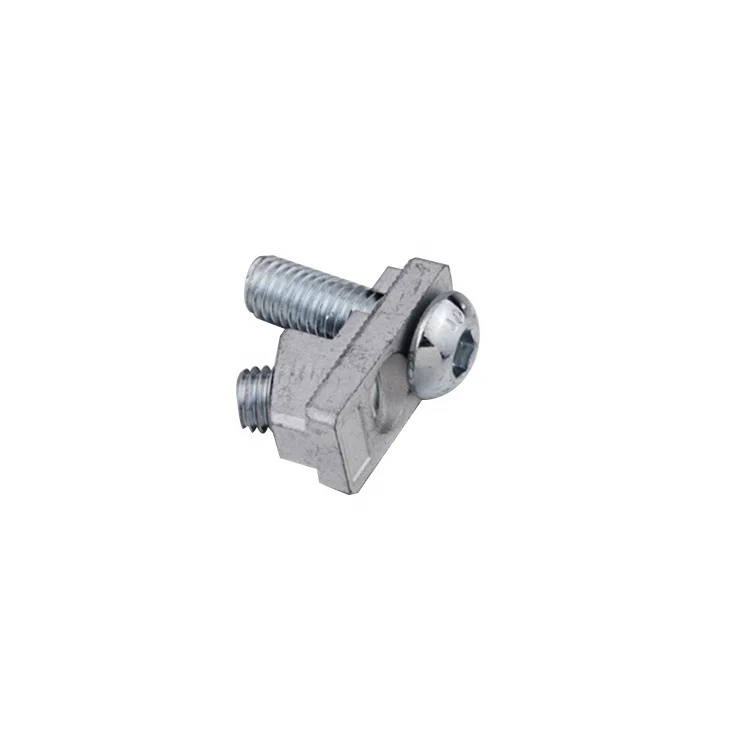
Industrial fastening systems depend heavily on properly sized Inner Connectors to maintain alignment, load distribution, and assembly stability. Whether you are designing automation equipment, building machine frames, or assembling custom modular structures, the size of your slot mounting hardware directly influences performance, safety, and maintenance requirements. This guide walks you through the essential factors that determine proper inner connector sizing and selection criteria for your unique operational context.
Inner connectors come in standardized sizes designed to fit specific aluminum profile slot widths and depths. The most common dimensions for industrial profile connection systems range from M6 to M12 thread sizes, with slot widths typically between 6mm and 10mm. Correct dimensioning ensures that internal fasteners engage fully with the profile groove, preventing wobble, misalignment, or premature wear. When you measure your aluminum profile specifications, verify both the slot width and the thread pitch of your existing equipment before ordering replacements.
Profile connection systems engineered for precision assembly require exact dimensional matching between the connector body and the slot cavity. Undersized inner connectors will not provide adequate clamping force, while oversized units may damage the aluminum profile or become impossible to insert. Manufacturers typically provide compatibility charts that cross-reference profile series with recommended slot mounting hardware sizes, making it straightforward to identify the correct specifications for your assembly line or workshop environment.
Load capacity is perhaps the most important factor when sizing internal fasteners for your application. Each inner connector size has a rated maximum load, typically expressed in kilograms or pounds of tension or shear force. To select the right size, calculate the total loads your structure must support, including the weight of components, dynamic forces from machinery, and any environmental stresses like vibration or temperature cycling. A safety factor of at least 3 to 5 times the calculated load is standard practice in industrial settings.
Dynamic loading conditions require stronger inner connectors than static applications. If your profile connection systems experience frequent assembly and disassembly, the fasteners undergo repeated stress cycles that reduce their effective lifespan. Choosing a larger connector size or upgrading to material with higher tensile strength ensures your slot mounting hardware remains reliable even under demanding operational cycles. Material composition, such as steel versus stainless steel or powder metallurgy options, also affects load capacity and corrosion resistance.
The operating environment significantly influences which inner connector materials perform best for your needs. Steel internal fasteners offer excellent strength and cost-effectiveness in dry indoor conditions, while stainless steel variants provide superior corrosion resistance for food processing, pharmaceutical, and coastal applications where salt spray or high humidity is present. Powder metallurgy inner connectors deliver reliable performance in moderate industrial environments and offer a balance between cost and durability.
Temperature extremes also play a role in connector material selection. High-temperature applications require materials that maintain mechanical properties under heat stress, while cold environments may embrittle certain alloys. When profile connection systems operate in chemical plants, outdoor facilities, or cleanroom environments, environmental compatibility becomes non-negotiable. Always verify material certification and compatibility with any lubricants, cleaning agents, or protective coatings used on your aluminum profiles or surrounding equipment.
Integrating new slot mounting hardware into your existing assembly line demands careful attention to compatibility with current tools, jigs, and installation procedures. If your technicians are trained to use specific wrench sizes or torque specifications, selecting inner connectors that align with those standards minimizes training requirements and installation errors. Profile connection systems that require different tools or assembly approaches create operational friction and increase the likelihood of fastener failure from improper installation.
Retrofit scenarios present particular challenges when upgrading or replacing existing internal fasteners. Confirm that new connector sizes fit seamlessly into your current aluminum profile inventory without requiring profile replacement. Some industrial facilities maintain multiple profile series for different equipment, so verifying compatibility across your entire system prevents mixing incompatible components that could compromise structural integrity or create maintenance headaches.
Different industrial applications demand different inner connector specifications. Lightweight framing for display systems, partitions, or non-structural fixtures can use smaller M6 or M8 connectors, while heavy machinery frames, robotic automation platforms, and structural support systems require M10 or M12 sizes with higher load ratings. Medium-duty conveyor systems, work tables, and modular assembly fixtures typically fall into an intermediate range where M8 or M10 inner connectors provide optimal balance between cost and performance.
Application-specific factors like access space, assembly frequency, and maintenance intervals influence optimal connector sizing. In confined spaces where technicians cannot easily reach fasteners, profile connection systems with larger head designs and ergonomic slot mounting hardware reduce assembly time and human error. High-frequency assembly and disassembly operations benefit from quick-connect inner connector designs that simplify maintenance workflows without sacrificing reliability or load capacity.
Maintaining detailed records of your inner connector specifications, material grades, torque specifications, and procurement details ensures consistency when ordering replacements or scaling production. Create internal documentation that maps your equipment configurations to recommended internal fasteners, making it easier for new technicians to service equipment correctly and for procurement teams to order compatible parts. This documentation becomes invaluable when you need to troubleshoot assembly problems, manage inventory, or plan system upgrades.
Future scalability and modular expansion should influence your initial connector size selection. Choosing profile connection systems and slot mounting hardware that align with industry standards and common aluminum profile dimensions provides flexibility if your business grows or your equipment requirements evolve. Standardizing on one or two connector sizes across your facility reduces inventory complexity and simplifies procurement, while also improving equipment interchangeability and technician familiarity.
Identify your aluminum profile series number and consult the manufacturer's compatibility chart, which cross-references profile dimensions to recommended internal fasteners. Measure your existing profile slot width and depth, then compare these dimensions to standard connector specifications. Most aluminum profile producers provide detailed technical documentation that specifies compatible thread sizes, ensuring you select the right inner connectors for your specific profile system.
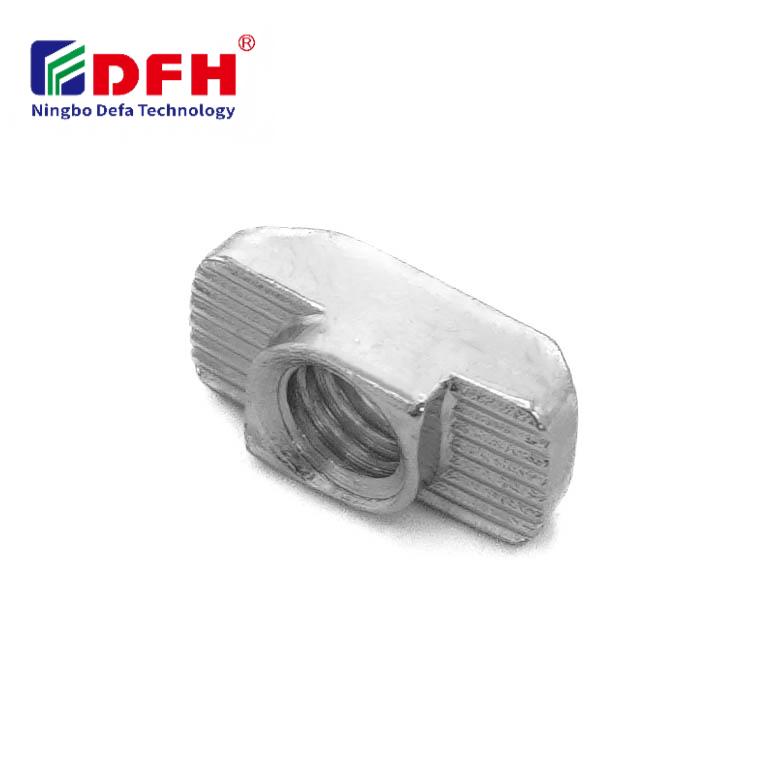
Standard steel inner connectors are fully machined from solid steel stock, offering consistent strength and reliability at lower cost. Powder metallurgy connectors are formed by compacting metal powder under pressure and heat, resulting in similar performance characteristics but with potential cost savings and different environmental performance properties. Both types serve industrial applications effectively; your choice depends on load requirements, environmental factors, and budget constraints for your profile connection systems.
Oversizing your slot mounting hardware can compromise assembly fit and damage your aluminum profiles if the connector size exceeds slot specifications. Instead, calculate your actual load requirements carefully and consult with connector manufacturers about appropriate safety factors. If uncertainty persists, contact application engineering support to validate your load analysis, ensuring your internal fasteners meet requirements without creating installation or compatibility problems.
2026/09/30
Source aluminum profiles for versatile modular framing. Learn extrusion mechanics, strength benefits & corrosion resistance. Request details.
2026/09/30
Source aluminum profiles for construction projects. Learn structural framing, cladding & window benefits for maximum ROI. Download guide.
2026/09/30
Source optimal aluminum profile sizing techniques. Evaluate load, space, alloy, environment & cost factors to prevent deflection. Download guide.
2026/09/30
Struggling with fastener failures or rework? Master screw sizing by diameter, pitch, material, and load—plus industry-specific standards. Optimize reliability & compliance now.
2026/09/30
Source aluminum profiles for industrial engineering. Discover strength-to-weight ratios, corrosion resistance & 30% cost savings. Download guide.
2026/09/30
Source heat-resistant aluminum profile systems. Master thermal expansion science & stress management strategies for industrial builds. Download guide.