EN
EN
What is Aluminum Profile and How Does It Work?
2026/09/30
Source aluminum profiles for versatile modular framing. Learn extrusion mechanics, strength benefits & corrosion resistance. Request details.

2026/09/17
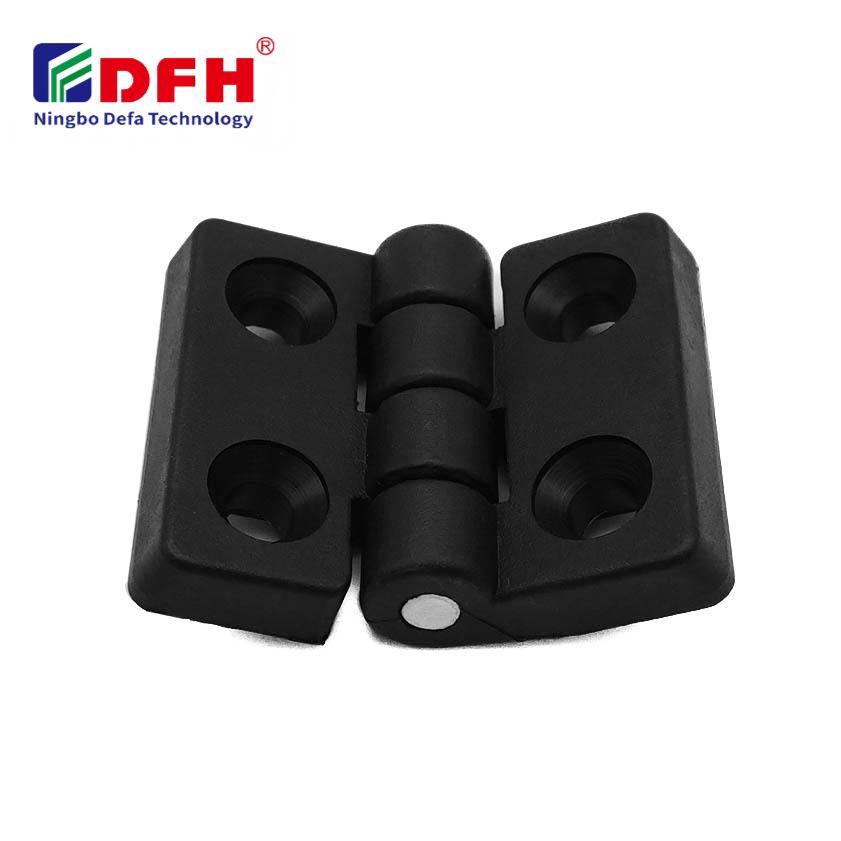
Selecting the correct hinge size is one of the most overlooked yet critical decisions in furniture assembly and door installation projects. A hinge that is too small will compromise structural integrity and fail under normal use, while an oversized hinge may waste material and create installation challenges. Whether you are working on residential doors, cabinet furniture, or industrial equipment, understanding how to choose the right hinge ensures durability, smooth operation, and long-term performance. This guide walks you through the key factors that determine proper hinge sizing and helps you make informed decisions for your specific application.
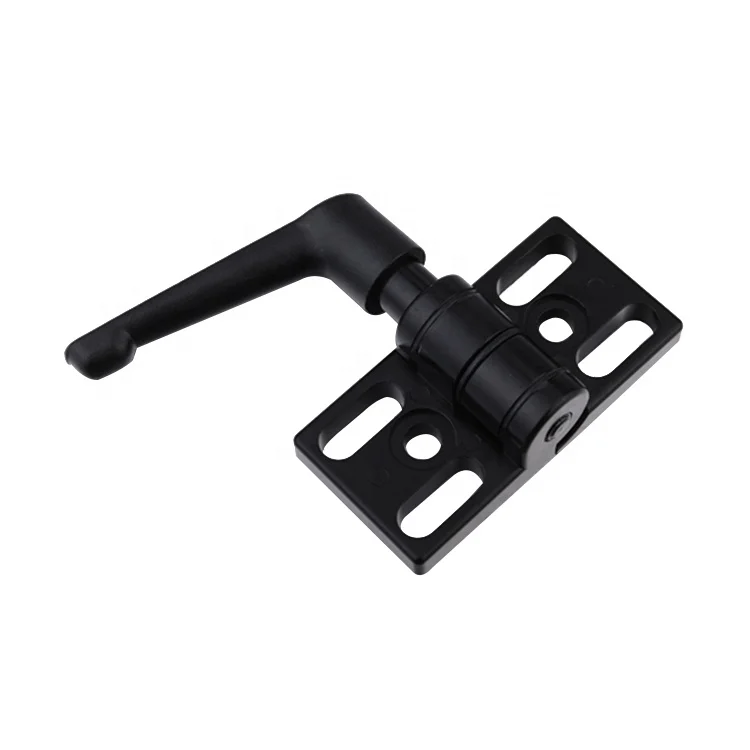
The process of selecting a hinge involves evaluating multiple technical and practical considerations. Door hinge installation standards vary by application type, and understanding these distinctions is essential for safe and reliable performance. Cabinet hinge types range from simple butt hinges to specialized ball-bearing and concealed designs, each suited to different load requirements and aesthetic goals. Hinge load capacity directly determines whether your chosen hinge can safely support the weight and stress of the door or panel you plan to hang.
Hinge load capacity is the maximum weight a hinge can safely support without permanent deformation or failure. This specification is critical because every door, gate, or cabinet panel exerts continuous downward force on its hinges. For residential interior doors, typical weight ranges from 40 to 100 pounds, which most standard hinges accommodate. However, heavy exterior doors, architectural panels, or industrial applications demand hinges rated for 200 pounds or more. Undersizing the hinge for a heavy door creates stress concentration at the fastening points and can lead to sagging, misalignment, and eventual hinge failure.
The hinge load capacity depends significantly on the material composition and internal construction. Steel hinges deliver superior load capacity compared to brass or aluminum alternatives, making them ideal for applications requiring heavy-duty support. The barrel diameter, leaf thickness, and pin diameter all contribute to overall strength. When evaluating cabinet hinge types, consider that ball-bearing hinges offer enhanced load capacity and smoother operation than plain-bearing designs. Premium-grade steel hinges with reinforced construction can support substantially greater loads while maintaining alignment over extended use periods and thousands of open-close cycles.
Hinge size is typically expressed by the length of the hinge leaf, commonly ranging from 2 inches to 6 inches or more. Larger hinges provide a broader mounting surface area, which distributes weight more effectively and reduces localized stress on fastening points. Door hinge installation standards recommend selecting a hinge length at least one-third the door or panel height to ensure adequate support distribution. For example, a 36-inch tall cabinet door should use a hinge of at least 12 inches of combined support height using multiple hinges. Standard residential interior doors typically accommodate 3.5-inch hinges, while heavier commercial or exterior doors may require 4.5-inch or larger hinges for optimal performance and alignment stability.
Proper door hinge installation requires more than just selecting the right individual hinge; spacing is equally important. A single hinge cannot support any door safely, regardless of size or capacity. Standard practice dictates placing hinges approximately one-eighth to one-quarter of the door height from the top and bottom edges. Doors between 36 and 42 inches tall typically use three hinges for reliable support and minimal deflection. Cabinet hinge types often require two hinges for standard height cabinets, while tall architectural installations benefit from additional hinges to eliminate binding and sagging. The cumulative load capacity across all hinges must exceed the door weight by a safety margin of at least 25 percent to account for dynamic stresses and potential long-term degradation.
Cabinet hinge types vary widely in design philosophy and performance characteristics. Butt hinges remain the most traditional choice, consisting of two flat leaves joined by a pin and suitable for light to moderate applications. Concealed hinges offer aesthetic advantages for modern furniture and cabinetry, hiding completely when the door closes, though they typically support lighter loads than exposed alternatives. Ball-bearing hinges incorporate internal rolling elements that reduce friction and are preferred for cabinets that see frequent opening and closing. Wrap-around hinges distribute loads across a larger mounting surface, making them excellent for edge-mounted applications. European-style hinges dominate contemporary furniture, offering easy adjustment and soft-close options, though they demand precise installation accuracy and may cost more than traditional designs.
Different cabinet hinge types offer distinctly different hinge load capacity ratings. Standard butt hinges typically support between 50 and 150 pounds depending on material and construction. Ball-bearing hinges often support 150 to 400 pounds, making them superior for heavy-duty cabinets and commercial applications. Heavy-duty industrial hinges can exceed 500 pounds of capacity when properly sized and installed. When selecting cabinet hinge types for a specific project, match the rated capacity to your actual door weight plus an operational safety buffer. Undersized hinges lead to gradual sagging and eventual failure, while oversized hinges consume unnecessary material and may complicate installation processes without providing proportional benefits.
Begin by weighing your door or panel accurately and adding 10 to 15 percent for mounted hardware and dynamic stresses during operation. Next, determine the door height and select hinges at least one-third that length combined across all hinge points. Consult manufacturer specifications to confirm the hinge load capacity meets your requirements with a 25 percent safety margin. Consider the mounting surface material—solid wood, plywood, metal frames, and aluminum profiles each support fasteners differently. Choose appropriate fastener sizes and ensure the mounting surface thickness accommodates pilot hole drilling without compromising structural integrity. For door hinge installation in high-traffic commercial environments, specify premium materials like stainless steel or zinc-plated steel to resist corrosion and extend service life.
Environmental conditions significantly influence which hinge types and materials suit your application best. Exterior doors exposed to weather demand corrosion-resistant hinges, typically stainless steel or properly coated alternatives. High-humidity environments like bathrooms and kitchens benefit from ball-bearing hinges with enhanced sealing to prevent moisture infiltration and binding. Interior climate-controlled spaces can safely use standard steel hinges with basic finishes. Industrial settings with temperature extremes, chemical exposure, or heavy vibration require specialized hinges engineered for harsh conditions. The hinge load capacity specification assumes normal indoor operating conditions; extreme environments may degrade performance faster than expected, warranting uprated selections and more frequent maintenance cycles to ensure continued safe operation.
Hinge load capacity increases with both leaf length and overall construction quality, but length alone does not determine capacity. A 4-inch hinge made from premium steel may support more load than a 5-inch hinge constructed from lower-grade material. However, longer hinges distribute mounting stress across a larger surface area, reducing localized pressure on fastening points. For optimal performance, match hinge length to door dimensions as specified in building codes and manufacturer guidelines, then verify that the hinge load capacity exceeds your door weight by a suitable safety margin.
Choose ball-bearing hinges for doors that open and close frequently, heavy doors exceeding 100 pounds, or applications where smooth operation and minimal friction are important. Standard butt hinges work well for light to moderately weighted doors in low-traffic areas. Ball-bearing designs cost more but reduce wear over time and maintain alignment better through thousands of cycles. Cabinet hinge types should reflect both your load requirements and expected usage frequency; a light cabinet used occasionally can use basic hinges, while a frequently accessed kitchen cabinet benefits from ball-bearing construction.
Always select hinges with a combined hinge load capacity at least 25 percent greater than the actual door weight plus all mounted hardware. This safety margin accounts for dynamic stresses during operation, long-term material creep, and potential fastener loosening over time. For critical applications, heavy-duty doors, or installations in high-traffic commercial settings, increase the margin to 35 or 50 percent. Door hinge installation standards often mandate these minimums, and following them prevents premature failure, maintains proper alignment, and ensures consistent safe operation throughout the hinge lifecycle.
2026/09/30
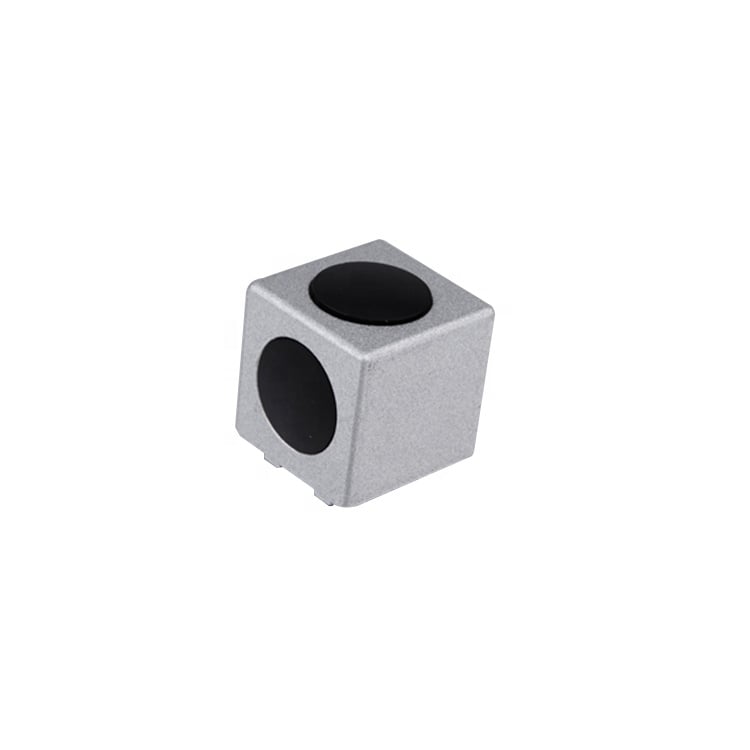
Source aluminum profiles for versatile modular framing. Learn extrusion mechanics, strength benefits & corrosion resistance. Request details.
2026/09/30
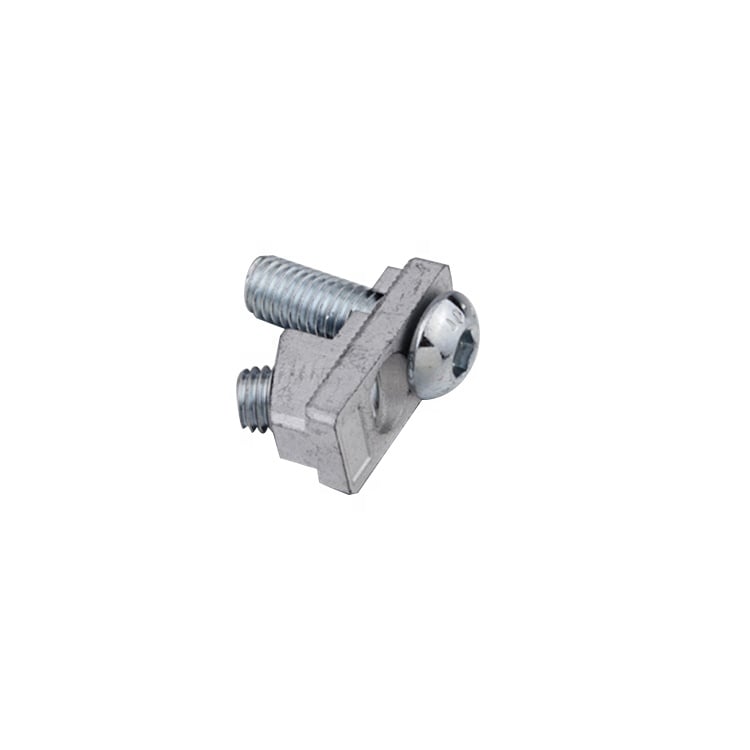
Source aluminum profiles for construction projects. Learn structural framing, cladding & window benefits for maximum ROI. Download guide.
2026/09/30
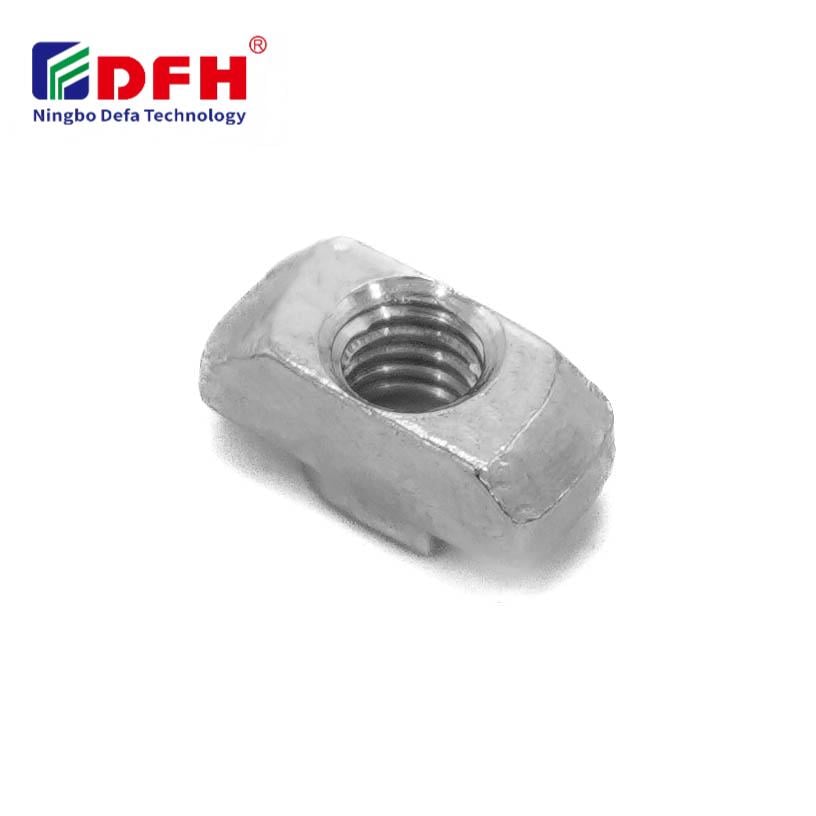
Source optimal aluminum profile sizing techniques. Evaluate load, space, alloy, environment & cost factors to prevent deflection. Download guide.
2026/09/30
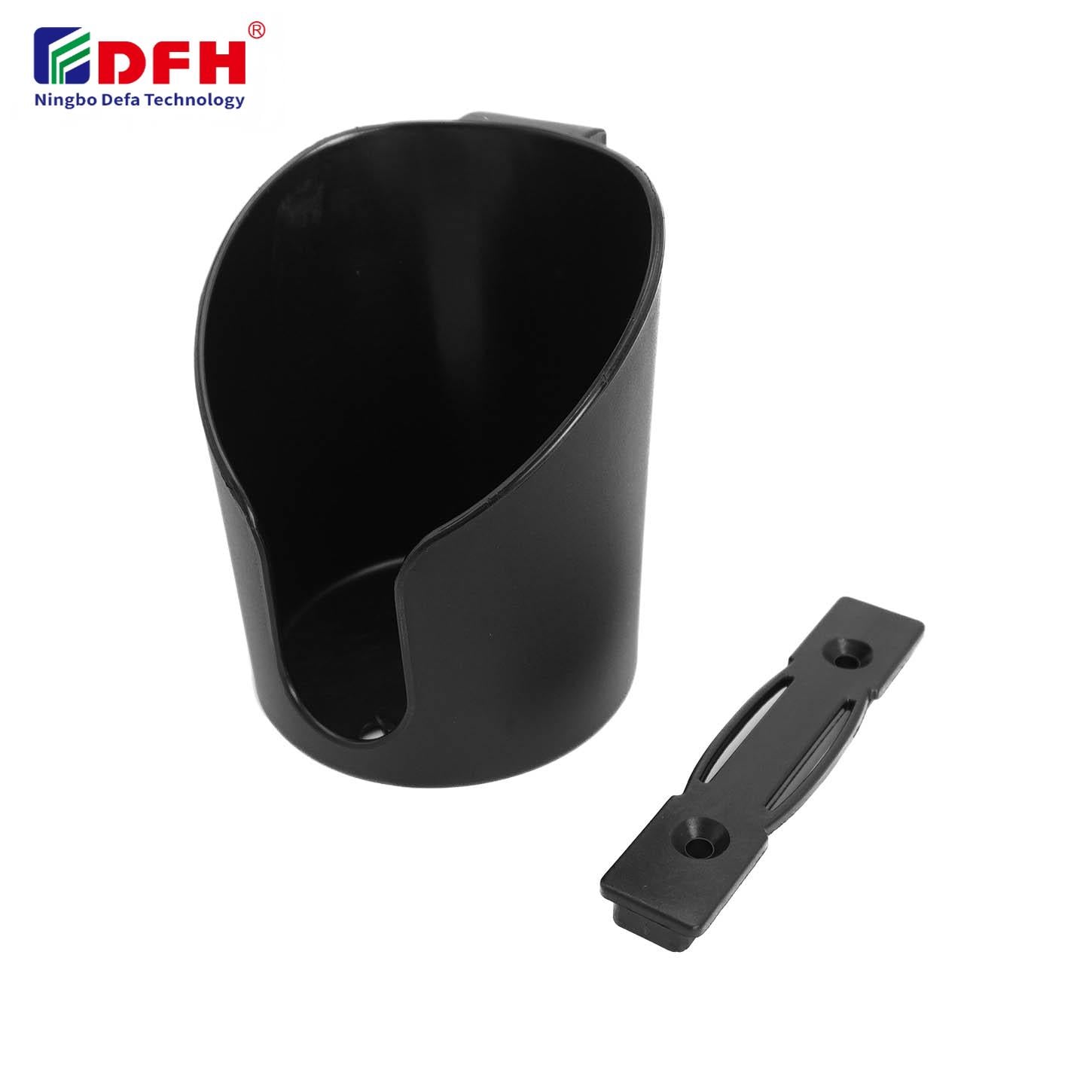
Struggling with fastener failures or rework? Master screw sizing by diameter, pitch, material, and load—plus industry-specific standards. Optimize reliability & compliance now.
2026/09/30
Source aluminum profiles for industrial engineering. Discover strength-to-weight ratios, corrosion resistance & 30% cost savings. Download guide.
2026/09/30
Source heat-resistant aluminum profile systems. Master thermal expansion science & stress management strategies for industrial builds. Download guide.