EN
EN
What is Aluminum Profile and How Does It Work?
2026/09/30
Source aluminum profiles for versatile modular framing. Learn extrusion mechanics, strength benefits & corrosion resistance. Request details.

2026/09/22
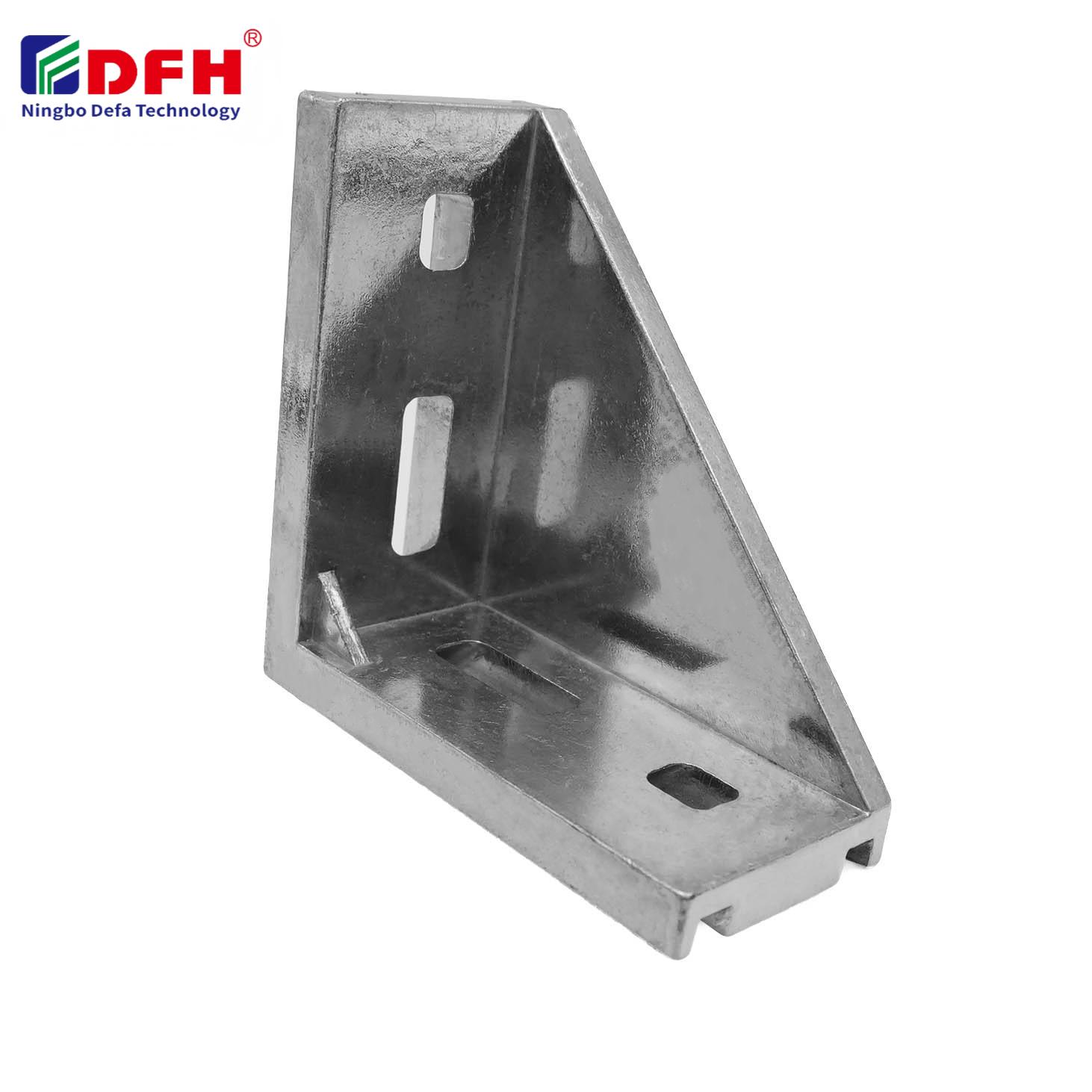
Selecting the appropriate size for your end connectors is one of the most critical decisions in any structural assembly project. The wrong size can compromise the integrity of your fastening systems, lead to costly rework, and create safety risks. Whether you're working with aluminum extrusion profiles, steel frameworks, or modular construction systems, understanding how to choose the right end connectors ensures your project meets performance requirements and maintains long-term durability.
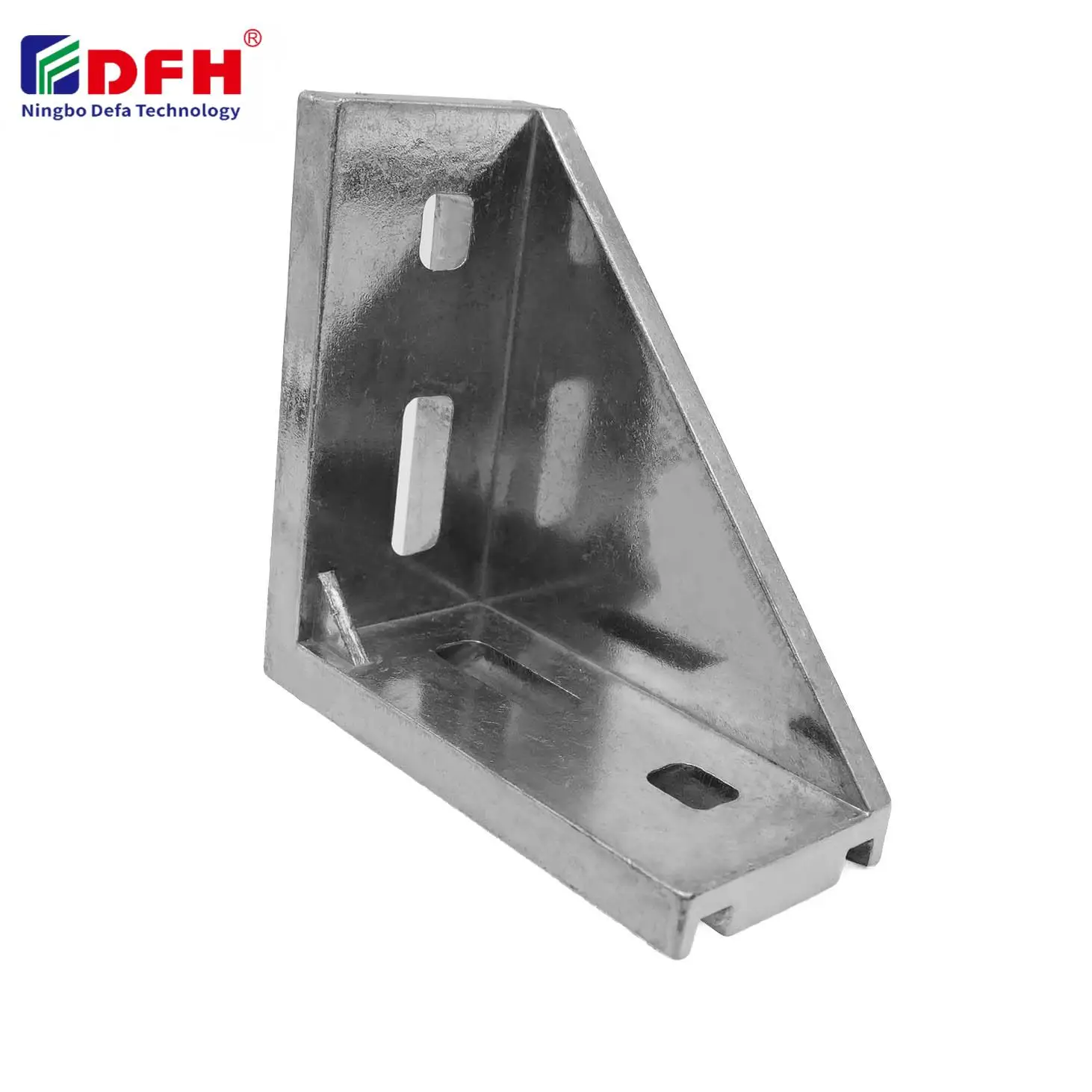
End connectors serve as the backbone of modular assembly systems, linking structural components with precision and reliability. The size you select directly affects load-bearing capacity, installation speed, and overall system performance. This guide walks through the key factors that influence connector sizing decisions and provides practical criteria for matching connectors to your specific application needs.
Every structural assembly begins with a clear understanding of the loads your system must support. End connectors come in standardized sizes, each rated for specific weight and stress tolerances. The connector installation process requires matching the connector size to your calculated load requirements. Under-sized connectors will fail under stress, while over-sized connectors waste materials and increase costs unnecessarily.
Load calculations must account for static loads, dynamic forces, and potential impact scenarios specific to your industry. For industrial machinery frames, precision is essential because machinery vibration can amplify stress concentrations at fastening systems. Many engineers use a safety factor of 1.5 to 2.0 when selecting connector sizes, meaning the chosen connector's rated capacity should exceed the actual expected load by this multiplier.
The profile dimensions of your structural components directly determine which end connector sizes will fit properly. If you're using 45x90 aluminum extrusion profiles, your connector selection is limited to designs engineered for that specific cross-section. Attempting to force a connector designed for different profile dimensions will result in installation failures and compromised structural integrity.
Before ordering any end connectors, measure your extrusion profiles accurately or consult design specifications. The connector installation must align perfectly with your profile's slot dimensions, bore patterns, and surface geometry. Mismatched connector sizes create gaps, reduce clamping force, and increase the likelihood of joint failure under operational stress.
The material of your end connectors—whether aluminum, steel, or stainless steel—influences the sizing decision through strength-to-weight ratios and corrosion resistance properties. Structural assembly in outdoor or chemically aggressive environments requires connectors with superior corrosion resistance, which may necessitate selecting a larger connector size if using materials with lower inherent strength ratings.
Fastening systems exposed to temperature cycling, salt spray, or industrial pollutants degrade over time. Material selection and connector sizing work together to ensure long-term reliability. A 90-degree angle connector in stainless steel may require a larger size than an equivalent aluminum connector to maintain equivalent load capacity under corrosive conditions.
The practical constraints of your connector installation environment affect size selection. In confined spaces or complex multi-component assemblies, larger connectors may be difficult to position or tighten. Conversely, oversized fastening systems with massive bolts and connectors create assembly bottlenecks and extend installation timelines.
Consider the tools available on your job site and the skill level of installation technicians. Smaller end connectors sometimes offer faster assembly with standard power tools, while larger connectors may require specialized equipment. The most cost-effective connector size is one that balances load requirements with practical installation efficiency.
Not all loads apply perpendicular to your structural assembly. Shear forces, torsional stresses, and angled loads all influence connector sizing calculations. A 90-degree angle connector supporting primarily vertical loads may perform adequately at a smaller size, but the same connector supporting combined vertical and horizontal forces requires upsizing.
Engineers use directional load analysis to determine the worst-case stress scenario, then select end connector sizes that provide adequate safety margins across all potential loading angles. This prevents undersizing in hidden failure modes that don't become apparent until the system is under operational stress.
The industrial connector market offers end connectors in standardized size increments, typically ranging from small compact designs for light assembly work to heavy-duty options for demanding structural applications. Most manufacturers provide sizing charts that cross-reference profile dimensions, load ratings, and environmental classifications. Consulting these references ensures your connector installation meets both industry standards and application-specific requirements.
Fastening systems built on modular connector platforms benefit from standardization because replacement parts remain readily available throughout the system's operational life. Selecting from established connector size families ensures consistency, simplifies maintenance, and reduces long-term cost of ownership compared to proprietary sizing solutions.
Before full-scale deployment, validate your end connectors through physical testing or engineering analysis. Prototype assemblies using your selected connector sizes should undergo load testing that simulates worst-case operational conditions. This verification step catches sizing errors before they manifest as failures in deployed systems.
Structural assembly projects benefit from iterative validation where preliminary designs are tested, refined, and retested. Connector installation procedures should include inspection checkpoints that confirm proper sizing, torque values, and alignment before the system enters operation.
Undersized end connectors will experience excessive stress concentration and premature failure. Structural assembly integrity fails, fastening systems lose clamping force, and the connector may deform or fracture under operational loads. This creates safety hazards and requires expensive emergency rework or replacement.
Smaller end connectors typically install faster because they require less torque and are easier to manipulate in tight assembly spaces. However, excessive downsize sacrifices load capacity. Fastening systems must balance installation efficiency with adequate strength, making moderate sizing often the most practical choice for production environments.
End connectors from different manufacturers may not be directly interchangeable even if they appear similar. Profile compatibility, load rating certification, and connector installation specifications vary. Always verify that replacement connectors meet the same dimensional and performance standards as the original fastening systems to ensure structural assembly integrity.
2026/09/30
Source aluminum profiles for versatile modular framing. Learn extrusion mechanics, strength benefits & corrosion resistance. Request details.
2026/09/30
Source aluminum profiles for construction projects. Learn structural framing, cladding & window benefits for maximum ROI. Download guide.
2026/09/30
Source optimal aluminum profile sizing techniques. Evaluate load, space, alloy, environment & cost factors to prevent deflection. Download guide.
2026/09/30
Struggling with fastener failures or rework? Master screw sizing by diameter, pitch, material, and load—plus industry-specific standards. Optimize reliability & compliance now.
2026/09/30
Source aluminum profiles for industrial engineering. Discover strength-to-weight ratios, corrosion resistance & 30% cost savings. Download guide.
2026/09/30
Source heat-resistant aluminum profile systems. Master thermal expansion science & stress management strategies for industrial builds. Download guide.