EN
EN
What is Aluminum Profile and How Does It Work?
2026/09/30
Source aluminum profiles for versatile modular framing. Learn extrusion mechanics, strength benefits & corrosion resistance. Request details.

2026/09/20
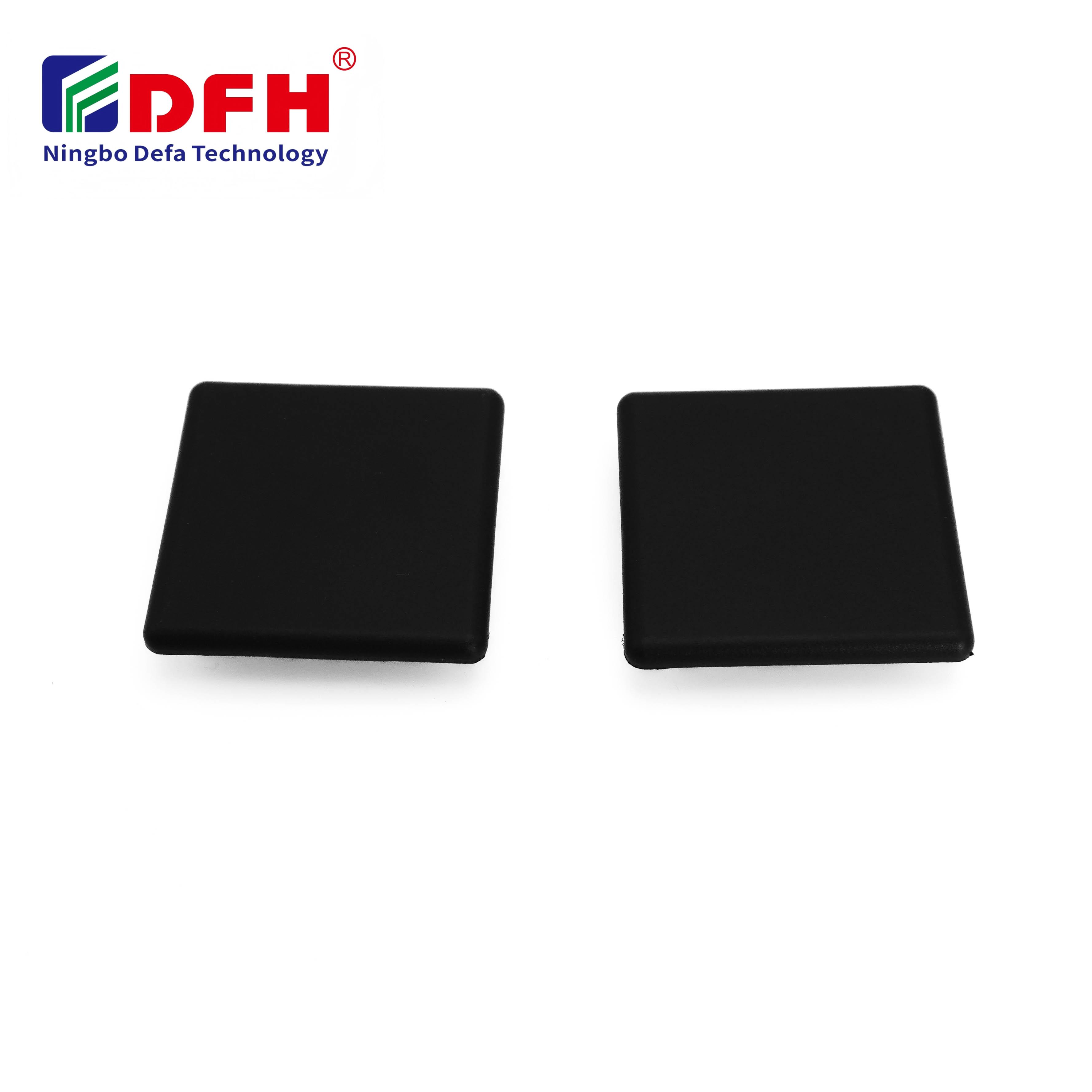
Selecting the right end cap is a critical decision in aluminum extrusion projects, yet many engineers and manufacturers overlook its importance. An end cap serves as the final protective barrier for your extrusion profile, sealing the internal channels and enhancing both functionality and aesthetics. Whether you're working on architectural applications, industrial equipment, or consumer products, understanding how to choose the right end cap type directly impacts project success, cost efficiency, and long-term performance.
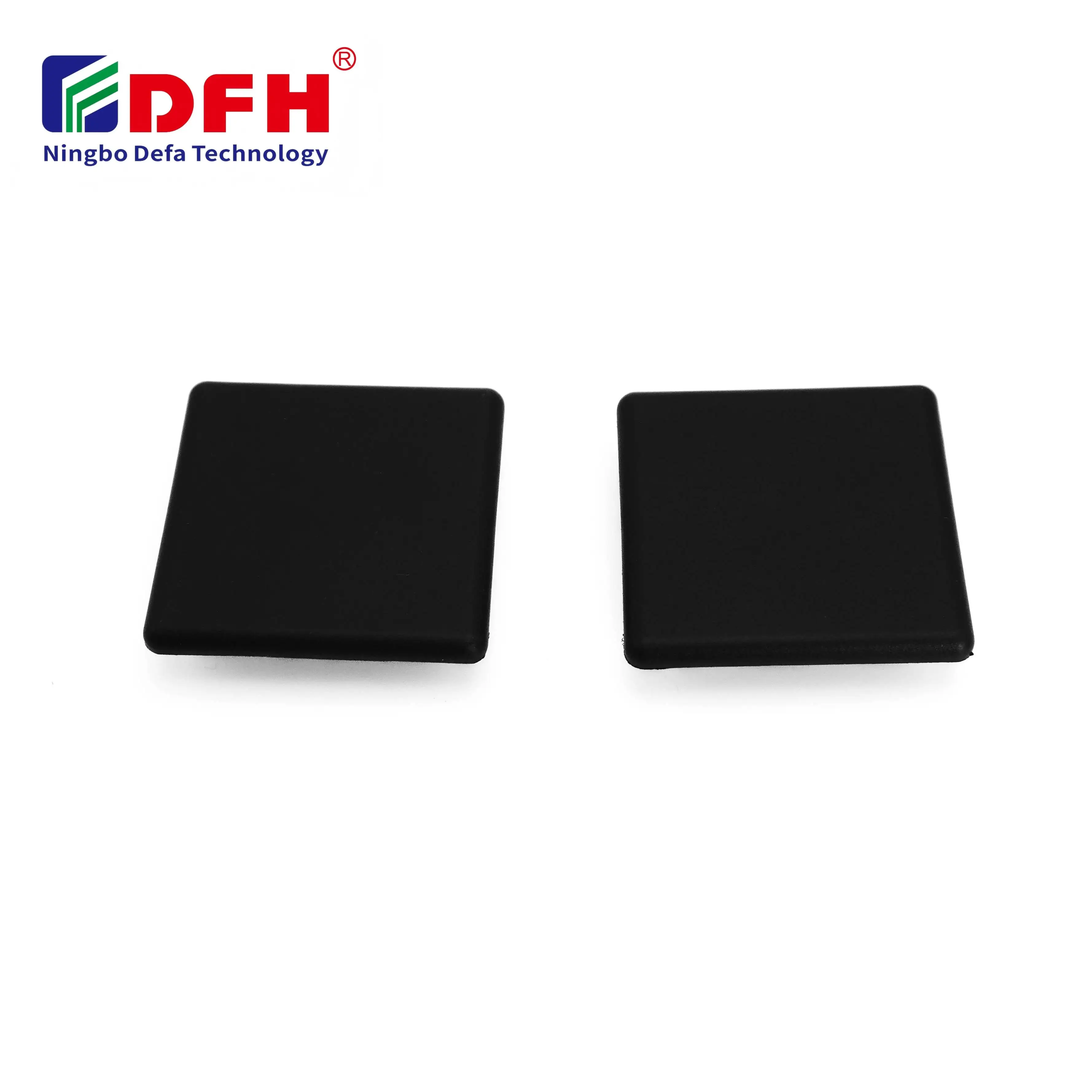
The choice of end cap extends far beyond simple aesthetics. Your decision influences material compatibility, installation complexity, environmental protection, and maintenance requirements. Many professionals discover too late that an unsuitable end cap compromises seal integrity, allows contamination, or creates assembly delays. This guide walks you through the essential factors for selecting an end cap that aligns with your specific application, budget, and performance standards.
When evaluating profile end closure solutions, your first consideration should be material composition. Aluminum end caps offer lightweight durability and corrosion resistance, making them ideal for outdoor and marine environments. Plastic or nylon end caps provide superior flexibility, vibration absorption, and electrical insulation properties. Composite materials combine the benefits of both, delivering enhanced performance in demanding applications. Your choice of profile end closure material directly affects compatibility with your extrusion profile, thermal expansion characteristics, and environmental durability.
Each material type carries distinct advantages and constraints. Aluminum end caps maintain structural integrity under extreme temperatures and mechanical stress, making them suitable for industrial machinery and transportation equipment. Nylon-based profile end closure solutions excel in applications requiring electrical isolation, reduced noise transmission, and flexible installation. Understanding the specific demands of your project environment—whether temperature extremes, moisture exposure, or chemical contact—ensures your profile end closure selection delivers both immediate functionality and long-term reliability.
Profile end closure design varies significantly based on your extrusion's internal channel structure. Press-fit end caps require precise dimensional matching and mechanical insertion without fasteners, offering rapid assembly in high-volume production environments. Threaded end caps provide adjustable sealing capability and easier field maintenance but demand compatible tapped holes in your extrusion profile. Adhesive-bonded profile end closure solutions work with irregular geometries and eliminate mechanical stress points, though they extend curing time. Selecting the right profile end closure attachment method depends on your production speed requirements, assembly skill levels, and field accessibility for future adjustments.
Aluminum extrusion finishing directly influences the visual appeal and protective capability of your assembled product. Anodized surfaces create hardened oxide layers that resist corrosion and accept colored dyes, requiring matching channel cap cover finishes for cohesive appearance. Powder-coated aluminum extrusion finishing delivers durable, weather-resistant protection with unlimited color options, yet demands careful coordination with your channel cap cover selection to ensure color consistency and adhesion compatibility. Raw aluminum offers natural aesthetics and maximum electrical conductivity but requires protective channel cap cover integration to prevent oxidation and staining.
The relationship between your aluminum extrusion finishing choice and channel cap cover performance cannot be overstated. Mismatched finishes create visual discontinuity and functional gaps that compromise environmental sealing. When selecting a channel cap cover, verify that material compatibility and surface treatment align with your extrusion's aluminum extrusion finishing specification. Professional designers always confirm that channel cap cover profiles and dimensional tolerances accommodate the finished thickness of anodized or coated extrusions, preventing assembly difficulties and aesthetic flaws.
Your channel cap cover serves as the primary environmental barrier, protecting internal channels from dust, moisture, and chemical infiltration. Silicone or EPDM gaskets embedded in quality channel cap cover designs provide dynamic sealing that accommodates thermal expansion and minor movement. Flush-mount channel cap cover options present clean aesthetics without protruding edges, while raised designs offer enhanced drainage and visibility. Consider your application's exposure to UV radiation, temperature cycling, and mechanical vibration when evaluating channel cap cover sealing effectiveness and material selection.
Different industries demand distinct end cap specifications based on unique environmental and functional requirements. Architectural applications prioritize visual continuity and weather resistance, making anodized aluminum end caps with matching channel surfaces essential. Medical equipment manufacturing requires food-grade materials and simplified cleaning protocols, favoring smooth, sealed end cap designs without recessed areas. Electrical panel assembly demands insulating end cap materials and certified dielectric properties, eliminating conductive aluminum options. Transportation and aerospace applications require high-strength, lightweight end caps meeting specific vibration and temperature specifications.
Identifying your primary performance priorities narrows the end cap selection significantly. If thermal cycling drives your environment, select end caps with expansion-compatible materials and flexible gasket systems. For high-vibration machinery, prioritize damping and impact-resistant end cap compositions. Chemical exposure environments demand corrosion-resistant materials with proven compatibility records. Once you understand your application's dominant challenge, the optimal end cap type becomes substantially clearer, eliminating unsuitable options and focusing your investment on solutions delivering measurable performance benefits.
End cap selection profoundly impacts project economics across multiple cost categories. Premium end caps with superior sealing and durability reduce maintenance interventions and field replacements, lowering long-term operating costs despite higher initial investment. Budget end caps minimize upfront expenses but often require frequent replacement, increase warranty claims, and damage product reputation through premature failures. Evaluating end cap costs requires examining total lifecycle expenses rather than simple unit pricing comparisons. A slightly more expensive end cap lasting twice as long delivers superior value, while a marginally cheaper option requiring replacement mid-product life generates hidden costs and customer dissatisfaction.
End cap compatibility depends on several critical dimensions including channel width, depth, wall thickness, and profile geometry. You must measure your extrusion's cross-sectional dimensions and compare them against the end cap manufacturer's specifications. Additionally, verify whether your profile features standard or custom channel configurations, as non-standard profiles may require custom-designed end caps. Always request dimensional drawings and test-fit samples before committing to bulk orders, as mismatched end caps create assembly problems and compromise sealing performance.
Environmental factors directly determine which end cap materials will maintain integrity throughout your product's service life. Outdoor applications exposed to UV radiation, temperature fluctuations, and moisture require UV-stabilized plastics or anodized aluminum end caps with proven weathering resistance. Indoor, climate-controlled environments permit less robust materials, reducing costs. Coastal or chemically aggressive environments demand corrosion-resistant end caps with superior protective coatings. Marine applications specifically require marine-grade materials tested for saltwater exposure, while industrial settings with temperature extremes or mechanical stress need high-performance end caps engineered for those specific conditions.
Retrofitting end caps depends on whether your original assembly used adhesive, mechanical fasteners, or interference-fit installation methods. Mechanically fastened end caps can often be removed and replaced with compatible alternatives, though you may encounter damaged screw holes or deformed profiles requiring repair. Adhesive-bonded end caps present significant retrofit challenges, as removal typically damages both the cap and extrusion surface. Interference-fit end caps require precise matching dimensions; substituting incompatible types often results in poor seals or assembly damage. Always consult your original end cap specifications and extrusion manufacturer before attempting retrofits to ensure compatibility and maintain warranty coverage.
2026/09/30
Source aluminum profiles for versatile modular framing. Learn extrusion mechanics, strength benefits & corrosion resistance. Request details.
2026/09/30
Source aluminum profiles for construction projects. Learn structural framing, cladding & window benefits for maximum ROI. Download guide.
2026/09/30
Source optimal aluminum profile sizing techniques. Evaluate load, space, alloy, environment & cost factors to prevent deflection. Download guide.
2026/09/30
Struggling with fastener failures or rework? Master screw sizing by diameter, pitch, material, and load—plus industry-specific standards. Optimize reliability & compliance now.
2026/09/30
Source aluminum profiles for industrial engineering. Discover strength-to-weight ratios, corrosion resistance & 30% cost savings. Download guide.
2026/09/30
Source heat-resistant aluminum profile systems. Master thermal expansion science & stress management strategies for industrial builds. Download guide.