EN
EN
What is Aluminum Profile and How Does It Work?
2026/09/30
Source aluminum profiles for versatile modular framing. Learn extrusion mechanics, strength benefits & corrosion resistance. Request details.

2026/09/20
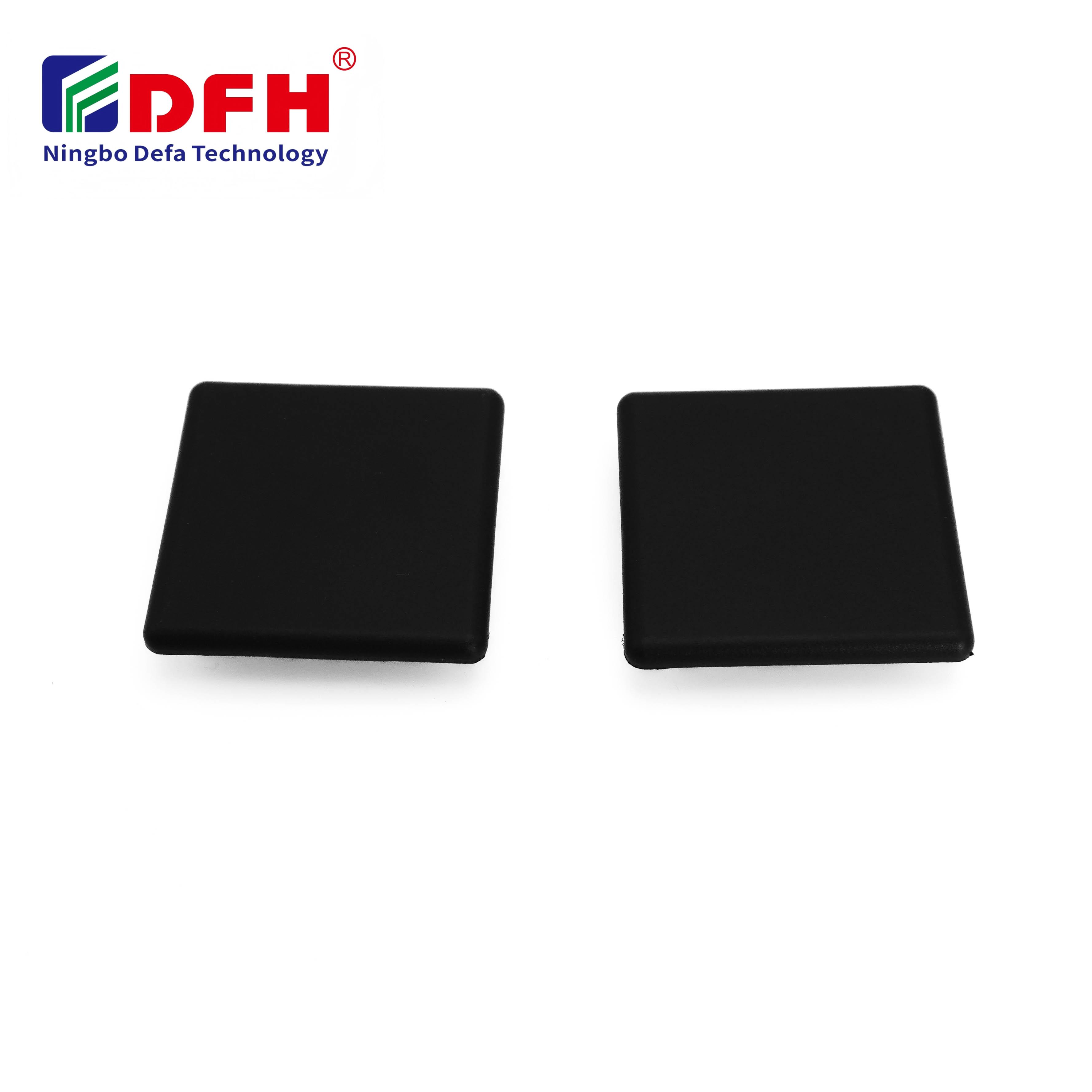
Selecting the proper end cap for your aluminum extrusion project is a critical decision that directly impacts both functionality and aesthetics. An end cap serves as a protective closure that prevents dirt, moisture, and debris from entering the profile cavity while maintaining a professional finished appearance. The size of your end cap must match your specific extrusion dimensions precisely, as an ill-fitting closure can compromise the integrity of your assembly and diminish the overall quality of your installation.
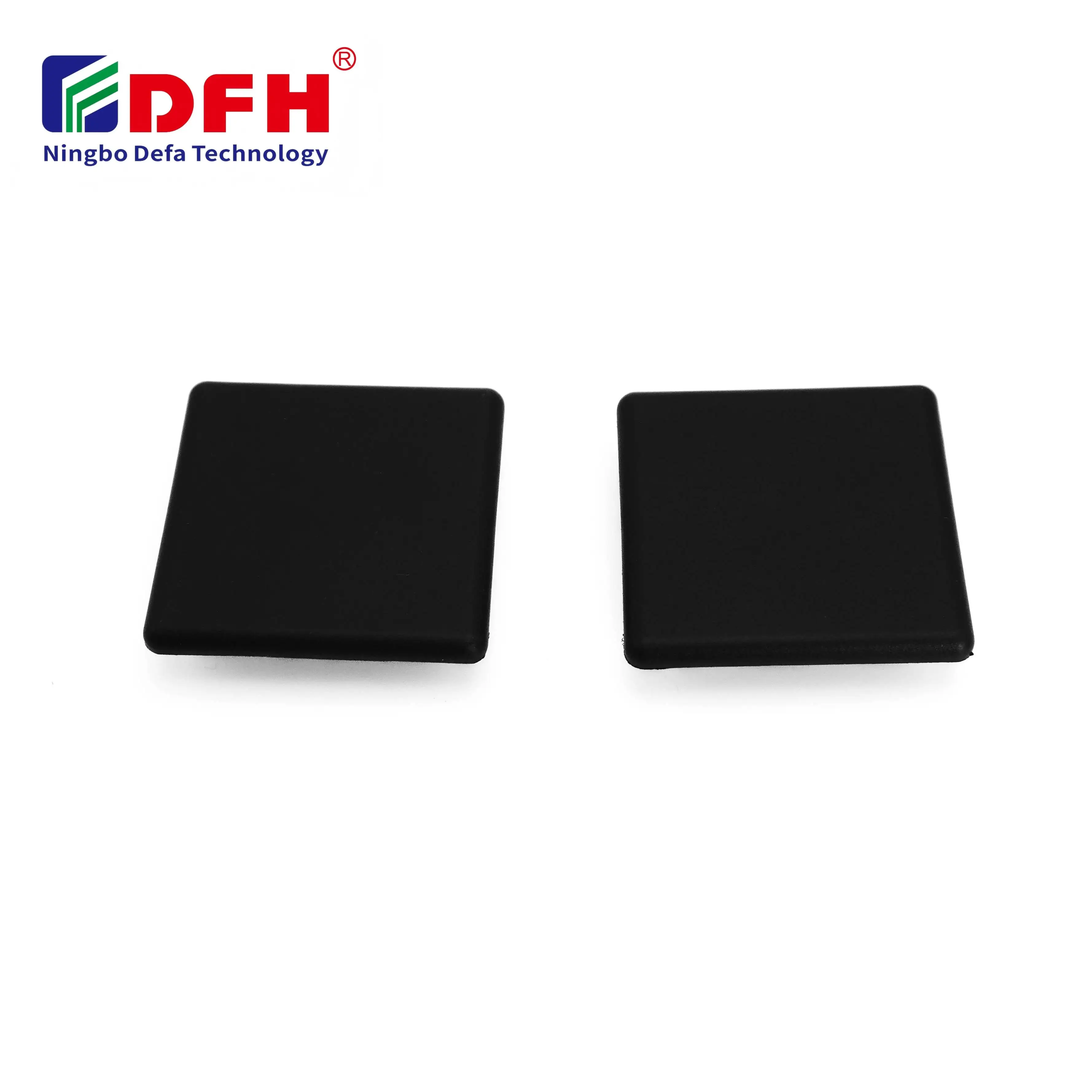
Understanding the relationship between your aluminum profile dimensions and the appropriate profile end closure is essential for any industrial or construction application. Whether you are working with square, rectangular, or specialized channel profiles, the correct sizing ensures seamless integration with your existing system. This guide will walk you through the measurement process, sizing considerations, and practical selection strategies to help you choose the ideal end cap for your needs.
The primary measurement for determining the correct end cap involves the internal profile cavity dimensions. These measurements typically include width and depth, which must align precisely with your aluminum extrusion's cross-sectional geometry. Most manufacturers provide detailed specification sheets listing the profile cavity dimensions in millimeters, making it straightforward to identify compatible end cap options. Accuracy in these measurements is fundamental; even a one-millimeter deviation can result in poor fit and potential water ingress or contamination.
Wall thickness of your aluminum extrusion also influences end cap selection, particularly for profile end closure designs that rely on friction or mechanical retention. Thinner walls may require different retention mechanisms than thicker profiles, and your chosen channel cap cover must accommodate these variations. Consulting the manufacturer's compatibility matrix ensures you select an end cap that works reliably with your specific extrusion series and wall gauge.
Begin by measuring the external width and height of your aluminum extrusion using precision calipers or a measuring tape. Next, determine the internal cavity dimensions by measuring the opening depth and width where the end cap will be installed. Document these measurements in both inches and millimeters to avoid conversion errors. Take multiple measurements at different points along the profile to verify consistency, as manufacturing tolerances can occasionally result in slight variations along the extrusion length.
Once you have confirmed your profile dimensions, compare them against available end cap sizing charts provided by your supplier or manufacturer. This cross-reference ensures your chosen aluminum extrusion finishing solution will perform as intended and provide the longevity your project demands.
End cap materials range from plastic and rubber to anodized aluminum, each offering distinct advantages for different environments and applications. Plastic end caps provide cost-effectiveness and corrosion resistance, making them ideal for moisture-prone settings and outdoor installations. Aluminum end caps match the profile material and deliver superior structural integrity for high-stress applications. The channel cap cover material you select must complement your aluminum extrusion finishing specifications and withstand the environmental conditions your project will encounter.
Temperature extremes, UV exposure, chemical contact, and mechanical stress all influence material selection. For industrial environments with aggressive conditions, rubber-based end caps offer resilience and vibration damping. Consulting with your supplier about the expected environmental stresses helps ensure your profile end closure choice provides optimal protection and durability throughout the product lifecycle.
End caps employ various retention mechanisms including friction fit, snap-fit, threaded inserts, and adhesive backing. Friction-fit end caps rely on precise dimensional matching and work well for standard profiles with consistent tolerances. Snap-fit designs offer easier installation and removal, benefiting applications requiring regular maintenance or adjustment. For permanent installations, adhesive-backed end caps provide enhanced security and environmental sealing, though they complicate future disassembly.
Your chosen aluminum extrusion finishing method should align with your project timeline and maintenance requirements. Consider whether the end cap needs to be replaceable, whether your installation allows tool-based installation, and whether the profile end closure must provide waterproof sealing capabilities. These practical factors significantly influence which retention style and material combination best serves your specific application needs.
Manufacturing environments demand robust channel cap cover solutions that withstand repetitive vibration, thermal cycling, and chemical exposure. Precision machinery often requires end caps that maintain dimensional stability and prevent contamination of moving components. In these settings, metal end caps or reinforced composite solutions provide the reliability needed for continuous operation. Your selection should prioritize durability and long-term performance over initial cost savings.
Clean room and food processing facilities require profile end closure options that meet strict hygiene standards and prevent microbial contamination. Materials must be non-toxic, easy to clean, and resistant to sanitization chemicals. Suppliers serving these industries can provide specialized end cap designs that comply with industry regulations and certification requirements, ensuring your aluminum extrusion finishing meets all regulatory standards.
Architectural applications emphasize aesthetic appeal alongside functional protection, requiring end caps that complement the finished profile appearance. Color-matched options and low-profile designs enhance visual integration while providing necessary protection. Consumer products often prioritize cost-effectiveness and ease of installation, making plastic end caps with snap-fit retention particularly popular for these markets. The profile end closure you choose must balance visual impact with practical functionality and customer expectations.
For architectural railings, curtain systems, and decorative applications, the end cap becomes a visible design element. Selecting an option that matches your anodize color and maintains visual consistency throughout the installation is crucial. Suppliers often provide samples and color-matching services to help you verify the aesthetic fit before committing to full-scale orders of your channel cap cover solution.
Use precision calipers to measure the internal cavity dimensions of your aluminum extrusion, including width and depth. Record measurements in millimeters and cross-reference them with your supplier's sizing charts. Take multiple measurements along the profile length to account for manufacturing tolerances. This ensures your chosen end cap will fit securely and provide proper sealing.
No, different aluminum extrusion series have varying cavity dimensions and wall thicknesses, requiring specifically designed end caps for each profile type. Using an incompatible end cap can result in poor fit, inadequate protection, and potential system failure. Always verify that your selected end cap matches your specific extrusion series and profile dimension specifications before ordering.
Plastic end caps offer cost savings and corrosion resistance for moisture-prone environments, while aluminum end caps provide superior strength for high-stress applications. Consider your environmental conditions, durability requirements, aesthetic preferences, and installation timeline. Plastic solutions work well for temporary or cost-sensitive projects, whereas aluminum profile end closure options suit demanding industrial or architectural applications requiring long-term reliability.
2026/09/30
Source aluminum profiles for versatile modular framing. Learn extrusion mechanics, strength benefits & corrosion resistance. Request details.
2026/09/30
Source aluminum profiles for construction projects. Learn structural framing, cladding & window benefits for maximum ROI. Download guide.
2026/09/30
Source optimal aluminum profile sizing techniques. Evaluate load, space, alloy, environment & cost factors to prevent deflection. Download guide.
2026/09/30
Struggling with fastener failures or rework? Master screw sizing by diameter, pitch, material, and load—plus industry-specific standards. Optimize reliability & compliance now.
2026/09/30
Source aluminum profiles for industrial engineering. Discover strength-to-weight ratios, corrosion resistance & 30% cost savings. Download guide.
2026/09/30
Source heat-resistant aluminum profile systems. Master thermal expansion science & stress management strategies for industrial builds. Download guide.