EN
EN
What is Aluminum Profile and How Does It Work?
2026/09/30
Source aluminum profiles for versatile modular framing. Learn extrusion mechanics, strength benefits & corrosion resistance. Request details.

2026/09/28
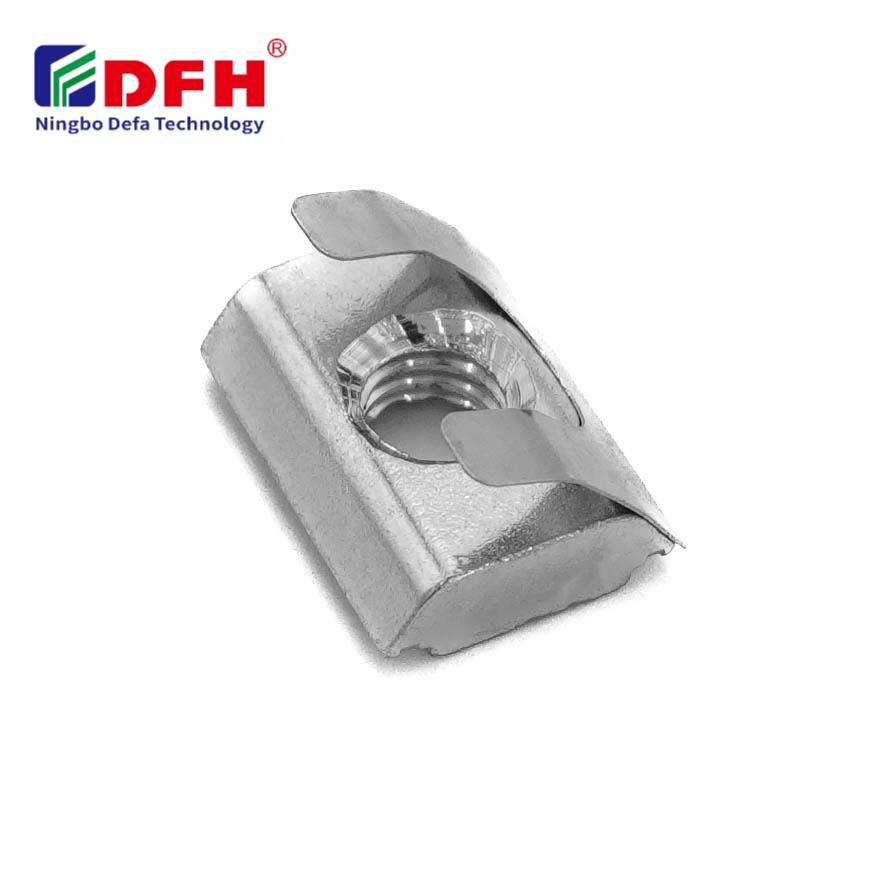
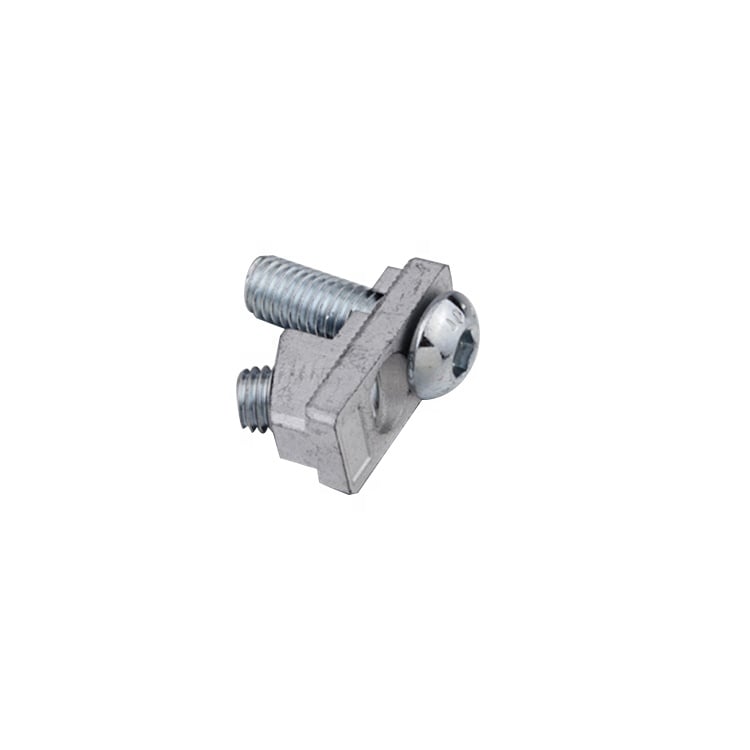
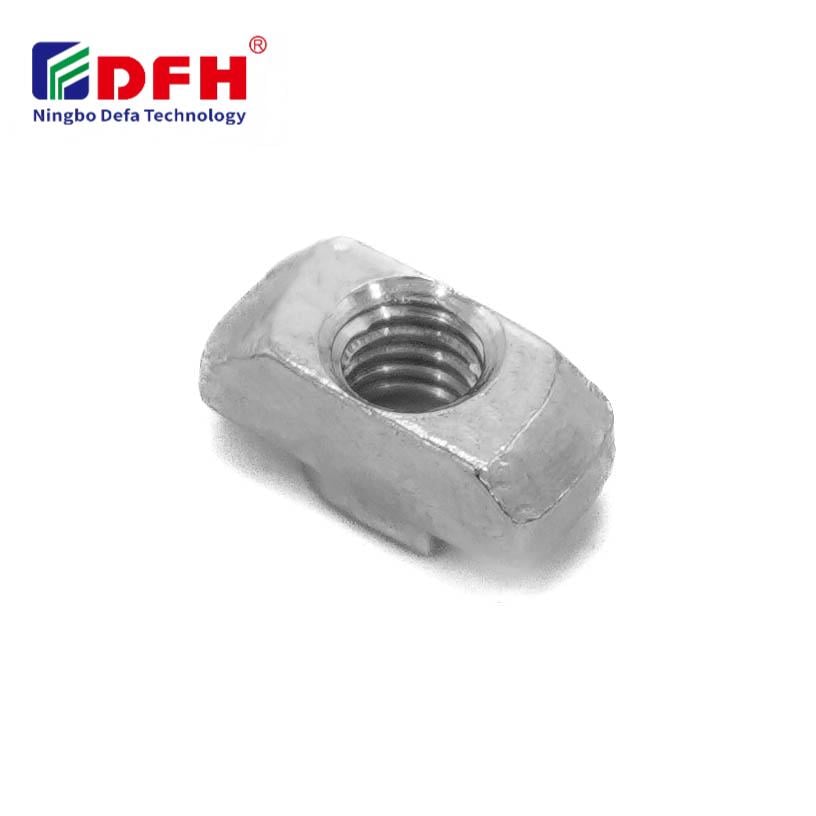
Understanding how to calculate T Nut thread compatibility is essential for engineers, manufacturers, and assembly professionals working with modular aluminum profile systems. A T Nut serves as a critical fastening hardware component that allows for flexible mounting and adjustment within aluminum extrusion frameworks. Getting thread compatibility wrong can result in loose assemblies, equipment failure, or compromised structural integrity. This guide walks you through the essential calculation methods and compatibility verification steps to ensure your threaded insert choices deliver reliable performance.
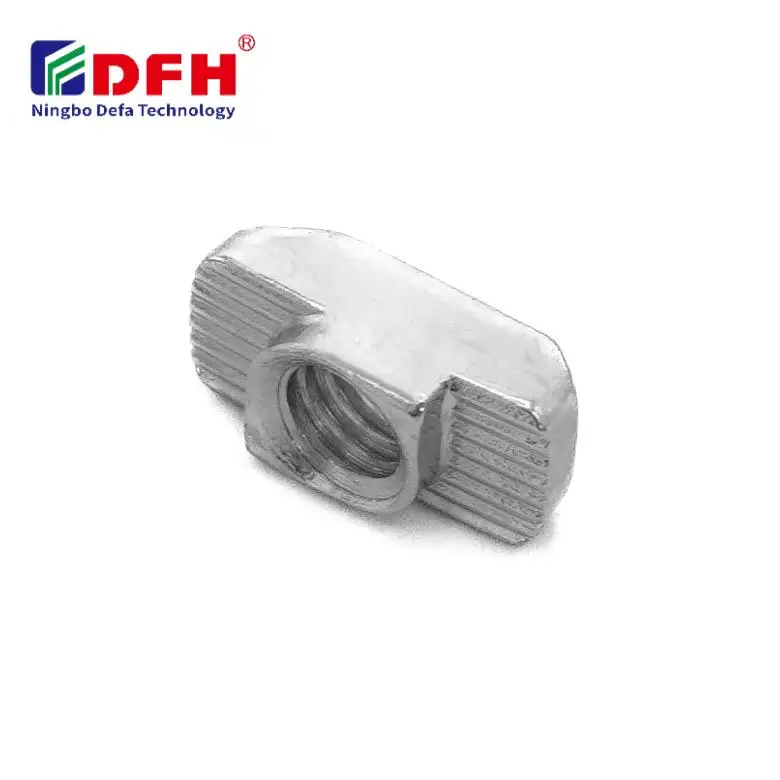
Thread compatibility calculations depend on matching the T Nut bore size, thread pitch, and depth specifications to your fastening hardware requirements. The process involves verifying metric or imperial thread standards, confirming slot nut assembly dimensions against your aluminum profile channels, and ensuring the threaded insert will accommodate your specific screw or bolt size. Precision in these calculations prevents rework, reduces assembly time, and guarantees long-term reliability in your application.
The first step in calculating T Nut thread compatibility begins with identifying your metric thread size. Metric threads are designated as M followed by a diameter number, such as M4, M5, M6, M8, or M10. Each metric designation represents the nominal diameter in millimeters. When selecting a threaded insert, the bore size of your T Nut must match the metric thread designation exactly. For instance, an M6 T Nut has a bore diameter of 6 millimeters and accepts M6 fastening hardware. Standard metric pitch values include 0.7 mm for M4, 0.8 mm for M5, 1.0 mm for M6, and 1.25 mm for M8, though fine-pitch variants exist.
Industrial applications in some regions rely on imperial thread specifications rather than metric sizing. Imperial threads use fractional designations like 1/4'-20, 5/16'-18, or 1/2'-13, where the first number indicates diameter in fractions of an inch and the second indicates threads per inch. When working with slot nut assembly systems designed for imperial fastening hardware, verify the T Nut bore matches your specification. If you encounter mixed-unit applications, use conversion tables or precision measuring instruments to confirm compatibility. The relationship between metric and imperial threads requires careful attention because approximate conversions can introduce fit problems.
Thread pitch defines the distance between consecutive thread crests and directly affects how a screw or bolt engages with your threaded insert. For metric threads, standard pitch values are predetermined, but some applications use fine-pitch variants. A T Nut with incorrect pitch will either bind during insertion or fail to secure properly once tightened. To verify pitch compatibility, measure the distance between threads on your fastening hardware using a pitch gauge or thread pitch ruler. Compare this measurement against your T Nut specifications. Standard coarse-pitch threads work for most modular aluminum profile assemblies, but confirm your slot nut assembly documentation lists compatible pitch values.
The depth to which a screw or bolt threads into your T Nut directly determines the fastening strength and reliability of your assembly. Insufficient engagement depth reduces load-carrying capacity and increases the risk of thread stripping or loosening under vibration. A general rule for threaded insert applications specifies that minimum engagement depth should be at least 1.5 times the fastener diameter. For an M6 fastening hardware component, this means a minimum engagement depth of approximately 9 millimeters into the T Nut bore. Verify your slot nut assembly documentation specifies sufficient bore depth for your intended load conditions. Oversized fasteners in undersized T Nuts will not achieve proper engagement and should be rejected during quality verification.
Begin your T Nut thread compatibility calculation by gathering your fastening hardware specifications and aluminum profile channel dimensions. Step one involves confirming the fastener diameter matches your threaded insert bore size. Step two requires verifying that your slot nut assembly channel width can accommodate the T Nut base width without binding. Step three checks that the engagement depth supports your application load requirements. Step four confirms the pitch matches between fastener and T Nut. Document each verification point and maintain records for quality traceability. This methodical approach prevents compatibility errors before assembly begins.
Accurate measurements are fundamental to reliable T Nut thread compatibility calculations. Use metric or imperial calipers to measure fastening hardware diameters and T Nut bore sizes. A pitch gauge helps confirm thread spacing on both components. Depth gauges or measuring rulers verify engagement depth available within your T Nut design. Test-fit your fasteners into sample T Nuts before full-scale assembly to catch incompatibility issues early. Photograph or document your verification process to create an audit trail. Organizations using modular aluminum profile systems frequently maintain compatibility charts that cross-reference fastening hardware sizes with compatible T Nut designs, reducing calculation time during production planning.
Using a threaded insert with incorrect bore size causes either loose, wobbly assemblies or prevents insertion entirely. An oversized T Nut bore allows fasteners to rattle without secure engagement, compromising structural stability. An undersized bore forces you to either strip threads or reject the component. This incompatibility leads to rework costs, production delays, and potential safety issues if parts fail during use.
Conversion between metric and imperial thread systems requires precise reference tables and measuring instruments. M4 threads approximate 5/32' bore size, M6 threads approximate 1/4' bore size, and M8 threads approximate 5/16' bore size. However, these are approximations rather than true equivalents. When accuracy matters, use calibrated pitch gauges or consult manufacturer conversion documentation specific to your slot nut assembly line. Direct cross-system compatibility should be verified through testing rather than assumed.
No, a T Nut designed for one pitch value cannot reliably accommodate fastening hardware with a different pitch. Standard coarse-pitch T Nuts are not compatible with fine-pitch fasteners of the same diameter. Attempting to force a fine-pitch bolt into a coarse-pitch T Nut results in binding, stripped threads, or incomplete engagement. Always match pitch specifications exactly when selecting your threaded insert and fastening hardware for any slot nut assembly application.
2026/09/30
Source aluminum profiles for versatile modular framing. Learn extrusion mechanics, strength benefits & corrosion resistance. Request details.
2026/09/30
Source aluminum profiles for construction projects. Learn structural framing, cladding & window benefits for maximum ROI. Download guide.
2026/09/30
Source optimal aluminum profile sizing techniques. Evaluate load, space, alloy, environment & cost factors to prevent deflection. Download guide.
2026/09/30
Struggling with fastener failures or rework? Master screw sizing by diameter, pitch, material, and load—plus industry-specific standards. Optimize reliability & compliance now.
2026/09/30
Source aluminum profiles for industrial engineering. Discover strength-to-weight ratios, corrosion resistance & 30% cost savings. Download guide.
2026/09/30
Source heat-resistant aluminum profile systems. Master thermal expansion science & stress management strategies for industrial builds. Download guide.