EN
EN
What is Aluminum Profile and How Does It Work?
2026/09/30
Source aluminum profiles for versatile modular framing. Learn extrusion mechanics, strength benefits & corrosion resistance. Request details.

2026/09/16
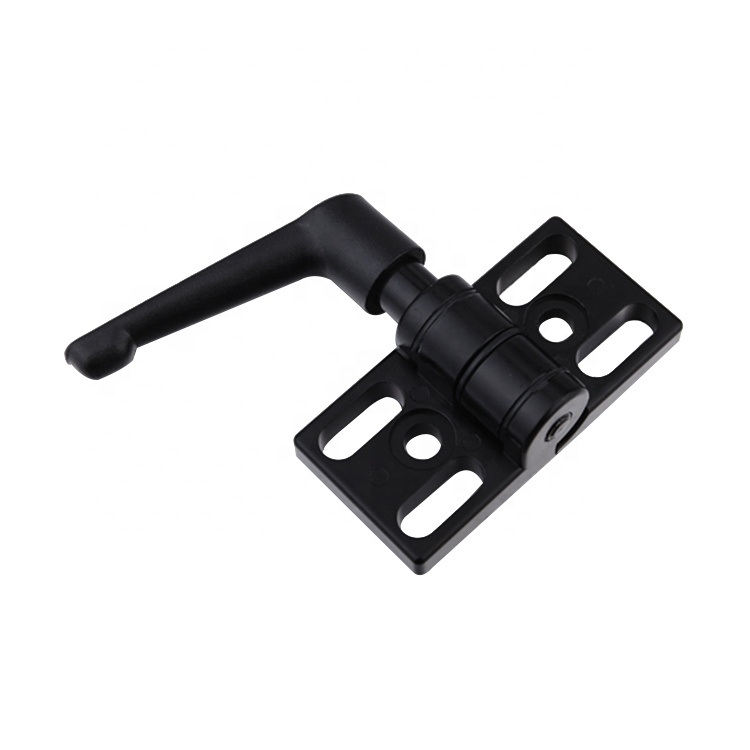
Proper hinge adjustment is essential for ensuring smooth operation of doors and cabinets in residential and industrial applications. A well-maintained hinge reduces friction, prevents squeaking, and extends the lifespan of both the hinge mechanism and the door or cabinet itself. Many facility managers and homeowners overlook the importance of regular hinge maintenance, which can lead to operational issues, security concerns, and costly replacements down the line. Understanding how to adjust a hinge correctly is a practical skill that saves time and money while improving the functionality of your spaces.
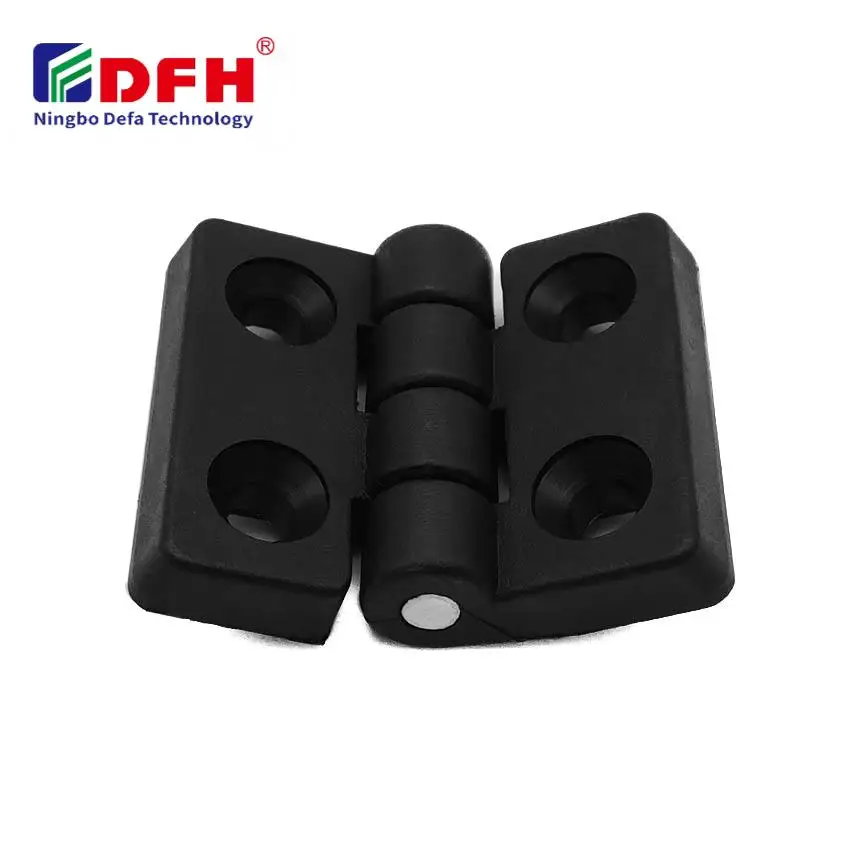
Adjusting a hinge involves several key steps that depend on the type of hinge, its mounting configuration, and the specific operational issues you are addressing. Whether you are dealing with sagging doors, misaligned cabinet fronts, or stiff movement, the adjustment process follows logical mechanical principles. This guide walks you through the essential techniques for achieving smooth, reliable hinge performance across different applications and hinge styles.
Every functional hinge comprises a pin, two leaves, and fastening hardware that work together to support door or cabinet weight while allowing rotation. The pin carries the load and enables smooth pivoting, while the leaves attach to the door frame and door or cabinet body. When a hinge becomes misaligned or worn, these components lose their optimal relationship, causing binding, squeaking, or uneven gaps. Understanding this basic structure helps you diagnose problems and apply the right adjustment technique for your specific situation.
Hinge load capacity determines how much weight a hinge can safely support without permanent deformation or failure. Overloaded hinges sag, bind, and eventually crack or bend irreversibly. When adjusting a hinge, you must first verify that the hinge load capacity matches your door or cabinet weight. If the hinge is undersized for the load, adjustment alone will not solve the problem; you will need to upgrade to a hinge with greater load capacity. Checking the manufacturer specifications ensures your adjustment efforts are applied to hinges that are fundamentally suited for the application.
Proper door hinge installation is the foundation for smooth operation and easy future adjustment. The hinge must be mounted perpendicular to the door frame, with fasteners tightened evenly to prevent tilting. Uneven fastener tension causes one leaf to pull at an angle, introducing binding and misalignment from the moment the door first moves. During installation, use a level to confirm that each hinge leaf sits flush against its mounting surface, and pre-drill holes to prevent wood splitting or metal distortion. Taking time during initial installation eliminates many adjustment headaches later.
Lateral adjustment corrects side-to-side door movement, while vertical adjustment addresses sagging or rising doors. For lateral issues, loosen the fasteners on the hinge leaf attached to the door frame slightly, then gently tap the hinge with a hammer to shift its position until the door aligns with the frame. Tighten fasteners gradually and check alignment frequently to avoid overcorrection. For vertical sagging, examine the top hinge first; a loose fastener here often causes the entire door to drop. Tighten all fasteners on the top hinge evenly, starting with the fastener closest to the pin. If sagging persists, you may need to shim the hinge leaf with thin metal or composite shims to angle it slightly and redistribute the load upward.
Cabinet hinge types vary widely, with European cup hinges and concealed hinges dominating modern cabinetry. These hinges feature adjustment screws that allow fine-tuning without removing the cabinet door. Most European cup hinges include three adjustment points: depth (front-to-back), height (up-and-down), and horizontal (side-to-side). To adjust, locate the small screws on the hinge body or mounting plate, then use an appropriate screwdriver to make quarter-turn adjustments while observing the door alignment. Document your adjustments to ensure consistency across multiple doors. Cabinet hinge types designed for concealment allow these adjustments without removing decorative trim or facing.
Smooth closing depends on even gap distribution around the door perimeter and balanced hinge support. Start by checking gaps at the top, middle, and bottom of the door frame to identify where adjustment is needed. If the gap is larger at the bottom, the door is tilting forward; adjust the depth screws on the bottom hinge by turning inward slightly. If the gap is larger on one side, use horizontal adjustment screws to shift the door position. Small, incremental adjustments prevent overcorrection. After each adjustment set, open and close the door several times to confirm smooth operation without binding or rubbing. This iterative approach ensures consistent, professional results across all cabinet hinge types in your installation.
Stiffness and noise typically result from rust, dust accumulation inside the hinge pin, lack of lubrication, or misalignment. Clean the hinge pin by removing it carefully and wiping away debris, then apply a light machine oil or silicone lubricant to the pin and barrel. Reinsert the pin slowly, checking that movement is smooth. If stiffness remains after lubrication, misalignment is likely; follow the lateral and vertical adjustment techniques outlined above to realign the hinge and restore smooth operation.
If the hinge pin is bent, the leaf is cracked, or the fastener holes are stripped and fasteners no longer hold tension, replacement is necessary. Visible corrosion, permanent deformation, or a hinge load capacity that is inadequate for your door weight also warrant replacement. Attempt adjustment first by tightening all fasteners and lubricating the pin; if the door still binds, sags, or moves unevenly after these steps, replacement is the appropriate next action.
Yes, most modern cabinet hinge types feature adjustment screws that remain accessible without door removal. European cup hinges and concealed hinges allow you to make depth, height, and horizontal adjustments using only a screwdriver. Keep the door closed or partially open and locate the small adjustment screws on the hinge body or mounting plate. Make quarter-turn adjustments and test the door alignment after each change. This approach is faster and safer than removing the door, especially for heavy cabinet doors.
2026/09/30
Source aluminum profiles for versatile modular framing. Learn extrusion mechanics, strength benefits & corrosion resistance. Request details.
2026/09/30
Source aluminum profiles for construction projects. Learn structural framing, cladding & window benefits for maximum ROI. Download guide.
2026/09/30
Source optimal aluminum profile sizing techniques. Evaluate load, space, alloy, environment & cost factors to prevent deflection. Download guide.
2026/09/30
Struggling with fastener failures or rework? Master screw sizing by diameter, pitch, material, and load—plus industry-specific standards. Optimize reliability & compliance now.
2026/09/30
Source aluminum profiles for industrial engineering. Discover strength-to-weight ratios, corrosion resistance & 30% cost savings. Download guide.
2026/09/30
Source heat-resistant aluminum profile systems. Master thermal expansion science & stress management strategies for industrial builds. Download guide.